
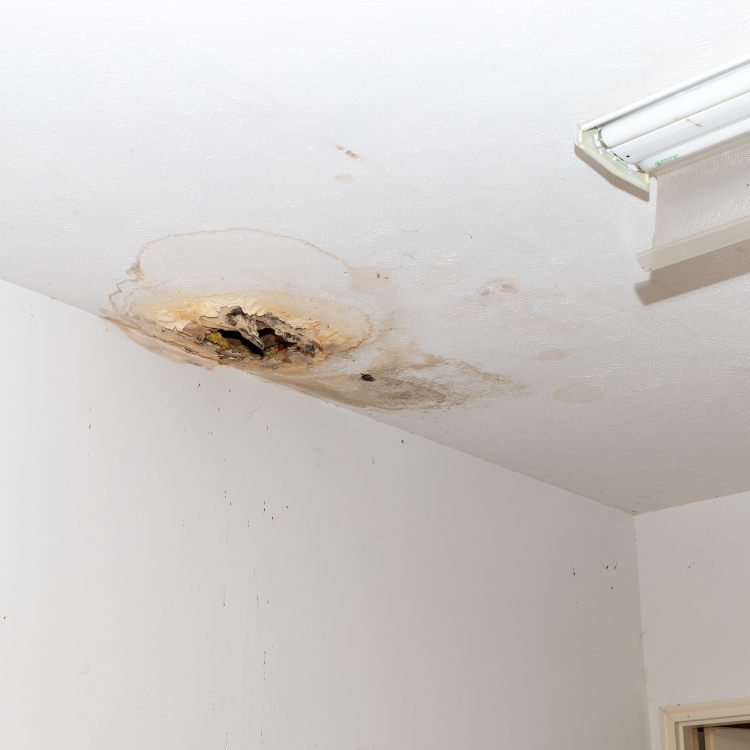
Slab Leak Location and Water Bills: Spot the Pattern
The first clue is almost always boring: your water bill climbs, but nothing looks “wet.” In a Keller, TX home, that can be especially confusing because irrigation schedules, outdoor washing, and seasonal temperature swings can all make usage jump. Then one month you notice the numbers don’t match your habits—no extra showers, no new laundry routine—and the meter keeps moving.
That’s when slab leaks enter the conversation. A slab leak can drain pressure constantly, hide under a concrete foundation, and turn a slow leak into a foundation, flooring, and indoor air-quality problem long before it becomes obvious.
Quick Answer
A slab leak often shows up as a steady rise in water bills, even when indoor use hasn’t changed. The “pattern” to watch for is continuous meter movement or recurring usage spikes without a clear reason. The most reliable way to confirm location is professional slab leak location and repair diagnostics—typically combining pressure testing, specialized leak detection, and targeted access or non-destructive methods when appropriate.
Signs You May Be a Hidden Leak
Water bills are your detective work, but they’re not the whole story. Here are the signs that most often line up with a slab leak:
- Your meter moves when nobody is using water. (Even a small, steady flow can indicate a leak.)
- Hot or cold water usage rises without increased occupancy or appliance use.
- Warm spots appear on the floor near baseboards, tile, or kitchen/bath areas.
- Carpet or padding stays damp or develops a musty odor.
- Cracks in drywall or doors sticking can accompany foundation movement from long-term moisture.
- Water pressure feels inconsistent—sometimes worse during certain times of day.
- Unexpected water heater cycling (more on this below).
A homeowner emergency scenario we see
One North Texas family called after they noticed their bill doubling for two billing cycles. No visible plumbing issues—until the kitchen tile started lifting at a seam and the hallway baseboard showed bubbling paint. We found a leak beneath the slab that had been running long enough to soften soil under part of the foundation. If they’d waited for “major flooding,” the repair would likely have escalated from plumbing work to structural stabilization.
Leak Detection: Why the Bill Tells You More Than You Think
A slab leak doesn’t behave like a faucet drip. It’s usually continuous and pressure-driven, which means:
- You may not hear water running.
- You may not see pooling.
- But the system still loses water every time the main pressure is engaged.
Technician insight: what I look for first
When I’m on-site, I don’t start by chasing stains. I start by understanding the plumbing’s “timing.” If the leak is active under the slab, you often see predictable meter changes that don’t match normal household patterns.
A common observation from the field: homeowners interpret “higher bills” as “we must be using more.” But in many cases, the leak is active long enough that the home is effectively paying to replace water 24/7—and the meter confirms it within minutes of proper testing.
If you want a deeper look at how we determine leaks when the plumbing isn’t cooperating, our leak location diagnostics process focuses on pinpointing the problem before unnecessary repairs begin.
What Homeowners Often Overlook
1) They assume a “small” bill increase isn’t a leak
A slab leak can start as a hairline issue in a supply line. Early on, the volume is small enough that you might only notice it as a mild trend. Over weeks or months, the leak enlarges, and the bill catches up.
2) They test only when it’s convenient
The meter test has to be done when water is truly unused. Running the dishwasher, filling an ice maker, or even using an outdoor spigot can mask the signal.
3) They don’t check the pressure side of the system
Some leaks show up more clearly on one temperature side (hot vs. cold). If you notice your hot water usage rising but you haven’t changed habits, that’s a hint that the leak may be connected to supply lines feeding fixtures or the water heater supply.
4) They ignore early foundation clues
In North Texas, slab foundations can be sensitive to soil moisture changes. When water escapes beneath the slab, the ground can shift. That can create cracking or door misalignment—problems homeowners often blame on “settling,” not plumbing.
Common Mistakes That Lead to Water Damage
Mistake 1: Waiting for visible damage
By the time you see wet carpet or obvious drywall staining, the leak may have already affected soil stability and indoor air quality. Hidden water loss doesn’t stay hidden forever.
Mistake 2: Using dye or “DIY detection” blindly
Food coloring, duct tape, and guesswork can waste time and sometimes create confusion about where the water is actually traveling. A slab leak can move laterally and surface somewhere far from where it originated.
Mistake 3: Turning off the wrong things
Some homeowners try shutting off valves they think control the leak. In reality, a valve may isolate a fixture line but not the supply segment under the slab.
Mistake 4: Assuming it’s the irrigation system
In Keller and across North Texas, irrigation is a frequent suspect. But if the bill increase continues when irrigation schedules are off (or you have a smart controller showing no run time), that points back to indoor plumbing and/or the mainline.
Mistake 5: Skipping diagnostics and going straight to repairs
Randomly cutting into a slab without a precise location can mean more demolition, higher costs, and longer downtime.
Our Experience Diagnosing Plumbing Problems in Texas Homes
In many slab homes in North Texas, the biggest challenge isn’t finding that water is escaping—it’s locating where it’s escaping without turning the floor into a construction project.
A pattern we see: leaks often remain hidden for months because water has time to spread under the slab before it shows up in one obvious spot. By the time a homeowner notices a rise in the bill, the leak may have already traveled or softened the supporting soil.
This is why we approach slab leak detection like a problem-solving exercise, not a guess-and-check process. If you’re trying to understand how we identify and verify leaks before repair, you can also explore our slab leak plumbing repair overview for the typical diagnostic-to-repair workflow.
Slab Leak Location and Repair: What to Do Next
Once the leak is confirmed and the location is narrowed down, the next decision is repair method and scope. Your options depend on pipe condition, access needs, and whether the leak is actively causing foundation moisture changes.
Repair vs. replacement: a practical guideline
- Repair makes sense when the leak is localized and the surrounding piping is in good condition.
- More extensive work may be recommended when there’s evidence of widespread deterioration, repeated leaks, or compromised sections that will likely fail again.
If you’re dealing with a concrete slab scenario, our slab leak location and repair service is designed to match the diagnostic findings to the right repair plan—so you’re not paying for unnecessary demolition.
What Actually Improves Long-Term Plumbing Reliability
Here’s what improves long-term outcomes after slab leak detection:
- Confirm the source before opening anything. Non-destructive approaches should be considered when appropriate.
- Match repair scope to pipe condition. A patch that ignores surrounding deterioration often fails sooner.
- Consider secondary impacts. If the leak has been active, addressing moisture-related flooring or air-quality concerns may be part of a complete solution.
- Verify performance after the repair. Pressure testing and follow-up checks help ensure the leak is actually resolved—not just hidden temporarily.
For homeowners also dealing with drainage or sewer issues (which can sometimes be confused with water damage patterns), our team provides additional support like hydro static testing and other diagnostic services that help confirm where water is coming from—especially when symptoms overlap.
Example case (anonymized) from a North Texas home
A homeowner noticed a recurring water bill spike every month. The meter showed slow movement even overnight. We suspected a slab leak but needed to confirm the line segment and rule out other causes. Using leak detection and pressure-based verification, we narrowed the issue to an under-slab supply line feeding a cluster of fixtures. The repair stabilized usage, and the homeowner’s bills returned closer to their normal range after the follow-up verification.
Keller and North Texas Relevance: Why Location Matters Here
Keller homes often have slab foundations that sit over soil prone to moisture-related movement. In North Texas, shifting clay soil can amplify the effects of hidden water. Even when a leak isn’t “flooding” the home, it can still change how the ground behaves under the slab.
That’s why slab leak location service isn’t just about stopping water—it’s about reducing the risk of foundation leak-related damage and preventing the leak from getting worse while you’re waiting for visible signs.
Plumbing Maintenance Checklist (Before Bills Get Out of Hand)
Use this checklist monthly or anytime your bill trends upward:
- Run a meter test: turn off all water, then check whether the meter continues to move.
- Scan for subtle indicators: damp spots, musty odors, or warm floor areas near bathrooms/kitchen.
- Check fixture behavior: any toilet that refills slowly can add constant load.
- Review hot vs. cold usage: if hot usage rises unexpectedly, investigate supply-side issues.
- Confirm irrigation schedule accuracy: compare controller run history to bill changes.
- Inspect visible plumbing lines in accessible areas: look for corrosion, mineral buildup, or moisture at joints.
- Document changes: note when the bill rises and what changed around that time (guests, laundry habits, appliance repairs).
Quick Reference: Common Patterns in Water Bills
| Water Bill Pattern | What It Often Means | Next Step |
|---|---|---|
| Gradual rise over 1–3 billing cycles | Slow, continuous leak under slab or mainline | Meter test + leak detection |
| Big jump but no usage change | Larger leak or pressure-driven failure | Shut off/inspect + professional diagnostics |
| Hot water usage increases more than cold | Leak near heater supply/lines | Check heater cycling + locate supply segment |
| Bill rises only seasonally | Irrigation or temperature-related usage | Compare controller data + verify meter movement |
Repair Recommendation (Clear and Practical)
If you see an unexplained water bill increase and the meter moves when no water is being used, the most cost-effective path is:
1. Confirm leakage with a controlled test (meter check).
2. Use professional leak detection to locate the issue instead of guessing.
3. Repair the source based on verified pipe condition—not just where water first shows up.
For homeowners who want a complete diagnostic-to-repair process, All Source Plumbing offers slab leak detection service designed to reduce unnecessary demolition and focus on accurate location before repair.
FAQ
How do I know if my water bill increase is a slab leak?
Start with a meter test: turn off all water inside and outside, then check whether the meter still moves. If it does, you likely have a leak somewhere in the plumbing system. Next, compare hot vs. cold usage and look for subtle signs like warm spots on floors or musty odors near tile and baseboards. A professional leak location service can then confirm whether the issue is under the slab and identify the affected line.
What causes slab leaks in North Texas homes?
Common causes include aging supply lines, pipe corrosion, shifting soil that stresses joints, and poor installation or previous repairs that didn’t address the full deterioration. Temperature swings and long-term pressure can also contribute to gradual failures that eventually become continuous leaks.
Is non-destructive slab leak detection possible?
Often, yes—depending on the symptoms, piping layout, and the ability to verify the leak through testing. Non-destructive methods typically aim to locate the leak without immediately breaking up the slab. If access is necessary after diagnostics confirm the location, the repair can still be targeted to minimize demolition.
What’s the fastest way to reduce damage while waiting for repairs?
Shut off the water supply if the leak is confirmed and actively running. If you can isolate sections safely, reduce usage that increases pressure. Then schedule professional diagnostics quickly—because the longer water escapes under the slab, the more likely you’ll see soil softening and foundation movement.
Ready to Protect Your Home From Plumbing Damage?
If your water bill looks “off,” don’t wait for a puddle to confirm the problem. Early leak detection and accurate slab leak location can prevent the leak from expanding and help you avoid unnecessary demolition.
About All Source Plumbing
All Source Plumbing provides slab leak detection, slab leak repair, leak location diagnostics, drain repair, hydro jetting, sewer diagnostics, tankless water heater services, and emergency plumbing repairs throughout Keller, TX and surrounding North Texas communities. The company focuses on accurate plumbing diagnostics, long-term repair solutions, preventative maintenance, and helping homeowners protect their properties from costly water damage through professional, experience-driven services.