
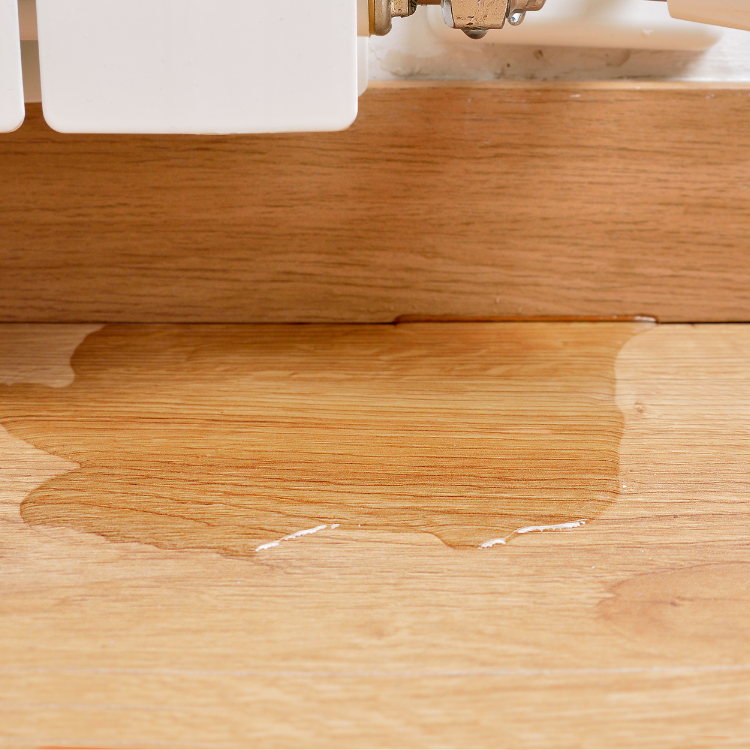
Slab Leak Location After Rain: Timing Matters
After a heavy North Texas rain, it’s not unusual for homeowners to notice something “new” in the days that follow—like a musty smell, damp spots near baseboards, or an unexplained jump in the water bill. What surprises many people in Keller is how often the culprit was already active before the storm.
In many cases, a slab leak doesn’t suddenly start because of the rain. Instead, the rain changes what you can notice and how quickly water migrates through the soil and beneath a concrete foundation. That timing affects where the leak is easiest to find—and how much damage it can do before it’s diagnosed.
Quick Answer
Rain can make a hidden slab leak easier to detect, but it can also confuse the cause. The best approach is to diagnose quickly using pressure-based or non-destructive leak detection methods, then confirm the location before repairs. If you suspect a slab leak after a storm, don’t wait for visible flooding—call for a slab leak location service so the leak can be mapped and addressed while the damage is still limited.
What We Commonly See in North Texas Plumbing Systems
In Keller and the surrounding North Texas area, slab foundations are common—and so are shifting soil conditions. Our region’s clay soils expand and contract with moisture swings. After a strong rainfall, the ground can settle unevenly, and that can:
- increase pressure on plumbing lines under the slab
- change the path water takes beneath the foundation
- accelerate soil erosion around a leak
- worsen any existing micro-cracks in pipe joints
One firsthand thing we notice during inspections: homeowners often report the “first signs” after rain—yet when we test, the leak shows behavior consistent with a longer-term issue. The storm acts like a spotlight, not the ignition switch.
Signs You May Have a Hidden Leak (and Why Rain Changes Them)
Here are the patterns that commonly show up after wet weather:
- Water usage spikes even though no one is running sprinklers or using indoor water
- Dampness near exterior walls or in a hallway that runs along the foundation edge
- Warm spots on the floor (hot or tepid water escaping near hot lines)
- Cracking drywall or loose paint in areas that weren’t affected before
- Musty odors that appear days after the storm
Rain can also create “false leads.” For example, a roof leak or poor exterior drainage may be blamed on plumbing. That’s why we treat suspected slab leaks like a process: confirm water loss, identify whether it’s supply-side or drain-side, and then locate the leak precisely under the slab.
Our Experience Diagnosing Plumbing Problems in Texas Homes
A realistic example we see often: a family in a Keller-area neighborhood called after a storm. Their water bill jumped about 30–40% over the next two billing cycles. Inside, they didn’t have obvious pooling—just a slight damp smell near a bathroom that shared a wall with the exterior.
We performed testing to determine whether the leak was active and where it was most likely occurring. During the diagnostic phase, we found that the plumbing system was losing pressure in a way that aligned with a buried line under the slab, not a surface leak. Once we could narrow the probable zone, the next step was mapping for repair planning—so the crew wouldn’t open more concrete than necessary.
That’s the core principle: location first, demolition second. It’s how you reduce the chance of unnecessary slab removal and shorten the time the repair takes.
Technically Speaking: How Rain Affects Slab Leak “Location”
When water leaks under a slab, it doesn’t just sit in one place. It travels through the path of least resistance: soil voids, micro-channels, and around pipe bedding. After rain:
- The soil becomes more saturated, which can make moisture migration faster.
- Ground pressure around the pipe can change temporarily.
- Temperature differences can make the leak’s effect more noticeable (especially with hot water lines).
That’s why timing matters. If you wait weeks, the leak may still be active, but the “evidence” you’re relying on—dampness patterns, pressure behavior, even odor—can become harder to interpret. The longer the delay, the more likely you’ll see secondary effects like soil erosion, foundation-related movement, or recurring moisture problems that mask the original leak location.
What Homeowners Often Overlook
Many people assume rain-related leaks are visible right away. In reality, slab leaks often hide until conditions help surface the symptoms—like saturated soil after a storm.
Here are a few overlooked factors we see during slab leak detection calls:
- Leak location doesn’t always match the symptom location. Damp drywall may be miles from the actual break path once water migrates.
- You may have intermittent leakage. Some failures worsen with soil moisture changes.
- Drain problems can mimic supply leaks. A leaking trap, failed valve, or sewer intrusion can look “plumbing-like,” but the fix is different.
Common Mistakes That Lead to Water Damage
Homeowners are doing their best—but a few common choices can increase damage or delay the right repair.
1) Waiting for “bigger proof”
If the water bill is rising, that’s proof. Waiting for a puddle often means the leak has already affected the soil beneath the slab.
2) Ignoring water shutoff testing
Some people check the main shutoff, but they don’t watch usage long enough to confirm whether the leak is active. A short check can miss a slow leak cycle.
3) Assuming rain caused the leak
Rain may have accelerated symptoms, but plumbing doesn’t usually “start” because clouds happened. The leak was often there; the storm altered conditions.
4) Cutting corners with guesswork repairs
Opening concrete without precise slab leak location repair planning can turn a targeted job into a bigger one.
5) Using stop-leak products
These can temporarily slow a leak in some situations, but for slab leaks they often complicate diagnostics and can create new debris or clogging issues.
Repair, Diagnostics, or Prevention: What You Should Do Next
The right next step depends on what testing shows, but here’s how we approach it in a way homeowners can understand.
Step 1: Confirm it’s a leak (not just higher usage)
A professional leak location service starts by determining whether water loss is happening and whether it’s on the supply side or related to drainage/sewer.
Step 2: Locate the leak before opening the slab
Accurate location reduces unnecessary concrete removal and helps plan the repair method.
Depending on the case, location work may include pressure testing and other non-destructive strategies. For true “hidden water leak detection,” we focus on identifying the most likely piping zone first.
Step 3: Choose the repair method that fits the pipe and damage
Common outcomes include:
- Slab leak plumbing repair: repair a localized section when feasible
- Slab leak repair service with pipe replacement: replace more sections when needed for integrity
- Foundation leak repair planning: if soil erosion or movement is present, repairs may need to account for long-term stability
If the problem is a hot water line, addressing it quickly also helps prevent ongoing moisture and thermal effects that can worsen floor and base material damage.
Step 4: Prevent recurrence
If your home has older plumbing, we often discuss long-term options. In many cases, repiping or targeted replacement is the better long-term play—especially when multiple weak points are present.
For homeowners who suspect broader piping concerns, we can evaluate options through piping repiping so you’re not repeatedly paying for isolated repairs.
Quick Comparison: Repair vs Replacement (When Location Is Confirmed)
| Situation | Typical Best Move | Why |
|---|---|---|
| Single, clearly located leak with limited damage | Slab leak plumbing repair | Targeted fix minimizes slab disruption |
| Multiple weak joints/lines in same zone | Slab leak repair with more replacement | Reduces chance of repeat failures |
| Frequent leaks, aging plumbing, or widespread deterioration | Consider replacement/repiping | More cost-effective than repeated openings |
A good diagnostic will usually clarify which bucket you’re in.
Keller and North Texas Relevance: Why Timing Matters Here
Keller homes deal with real weather-driven soil movement. In North Texas, rain events can change foundation stress patterns and moisture levels under slabs. That’s why homeowners sometimes report symptoms right after storms—dampness, odor, or water bill increases—then blame the rain itself.
From a practical standpoint, the best window for accurate slab leak location is often as soon as the water loss becomes noticeable. If you wait, moisture patterns may shift, and secondary damage can make interpretation harder.
Also, after heavy rain, drainage issues become more common. That’s another reason diagnostics matter: we don’t want you repairing plumbing when the cause is actually external water intrusion—or vice versa.
Plumbing Prevention/Maintenance Checklist (Do This Before the Next Storm)
You don’t have to be a plumber to protect your home. These steps help catch problems early:
- Check your water meter after a “quiet” period (overnight or after work hours) to confirm no continuous usage
- Review water bills for consistent spikes, not just one-time anomalies
- Inspect for recurring damp spots near exterior walls, baseboards, and bathrooms
- Look for soft flooring or changes in tile grout lines
- Keep gutters and downspouts clear so surface water doesn’t overload soil near the foundation
- Maintain sprinkler zones and ensure heads aren’t spraying the foundation
- Address minor plumbing leaks quickly (a small drip can become a hidden failure in slab conditions)
Ready-to-Use Recommendation (Based on What You’re Seeing)
If your main concern started after rain and you suspect a hidden water leak, the recommended path is straightforward:
1. Verify water loss (meter check + professional confirmation)
2. Request professional leak detection designed for hidden leaks
3. Confirm slab leak location before slab opening
4. Repair with a plan that considers long-term reliability, not just short-term stopgaps
This is especially true for Keller-area homes where soil conditions and foundation proximity can amplify the impact of delayed repairs.
Emergency Scenario: When to Treat It Like an Urgent Plumbing Problem
Imagine this: a homeowner hears faint running water noises after a rainstorm, then notices a bathroom floor feels slightly warm by evening. By the next day, the baseboard is damp and the drywall paint is bubbling.
That’s an emergency situation because hidden slab leaks can spread moisture quickly under flooring. The priority is to stop water loss (or reduce it) and get accurate diagnostics ASAP—before mold, flooring failure, and foundation-related complications escalate.
If you’re dealing with active water loss or expanding dampness, you should contact an emergency plumbing team for fast assessment through emergency plumbing repairs.
FAQ
How soon after rain can a slab leak show symptoms?
It varies. Some leaks become noticeable within days because soil saturation changes how water migrates under the slab. Others show symptoms later as moisture affects flooring, drywall, or odor buildup. If your water bill rises after rain, treat it as a prompt to test rather than waiting for visible damage.
Can rain cause a slab leak to start?
Rain usually doesn’t create a brand-new leak instantly, but it can change pressure and soil conditions around existing weak points. That can accelerate failure or make an already-active leak more noticeable.
What’s the fastest way to confirm slab leak location?
A professional leak detection process that includes confirming active water loss, determining whether it’s supply-side, and using diagnostic methods to narrow the piping zone. The key is mapping the leak before opening concrete.
Should I use a slab leak “stop leak” product?
We generally recommend avoiding stop-leak products for slab leaks. They can obscure diagnostics, potentially clog parts of the plumbing, and make it harder to determine the true location and best repair method.
Ready to Protect Your Home From Plumbing Damage?
If you suspect a slab leak after recent rainfall, timing matters—especially for accurate location and minimizing damage. The sooner you verify the leak and pinpoint the piping zone, the better your repair options usually are.
About All Source Plumbing
All Source Plumbing provides slab leak detection, slab leak location and repair planning, drain repair, hydro jetting, sewer diagnostics, tankless water heater services, and emergency plumbing repairs throughout Keller, TX and surrounding North Texas communities. The company focuses on accurate plumbing diagnostics, long-term repair solutions, and helping homeowners protect their properties from costly hidden water damage through careful testing and practical, homeowner-friendly recommendations.