
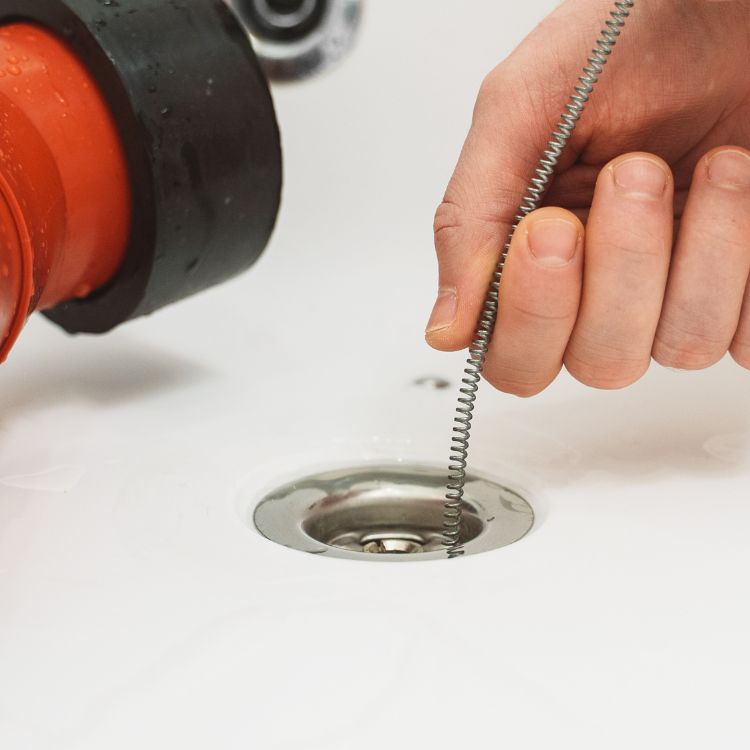
If your Fort Worth yard stays soggy after storms or a downspout seems to “feed” a puddle, the issue is often more than just surface water. This guide explains how outdoor drainage problems are diagnosed, when drain repair is the right step, and how proper installation helps keep water away from your home. You’ll also learn what to check first, common mistakes to avoid, and what questions to ask before work begins.
Your sprinkler system and a heavy Texas rain might look unrelated, but the next morning you notice it. Water pooled where it never used to pool, a soggy strip along the foundation, or a drain that suddenly can’t keep up. If you’ve tried clearing debris and the problem returns, you’re probably dealing with a clogged drain, a damaged drain line, or a drainage route that no longer works for your yard’s slope.
Many homeowners assume the fix is simple. In reality, outdoor yard drainage repairs often connect to how your plumbing system, downspouts, and buried lines interact. This article helps you understand what those symptoms usually point to, how repairs and new installations differ, and what to do next in Fort Worth when water refuses to move the way it should.
Quick Answer
If your yard drain backs up or your downspout water keeps pooling, start by confirming whether the issue is debris, a clog, or a drainage line problem. Look for slow drainage in one spot, repeated overflow after rain, or signs of a failing route (like water tracking toward the foundation). For best results, have a professional inspect the drain line and verify where the water is going before replacing parts. All Source Plumbing can help you determine whether drain cleaning is enough or if you need drain pipe repair or new drain installation for outdoor yard drainage.
What to Check First
Before you spend money on parts, take 10 to 15 minutes to gather clues. Outdoor drainage issues are often obvious once you know what to look for.
1) Check the drain opening and nearby grates
Leaves, grit, and mulch can block flow. If the grate is clogged, the system may be fine underneath but unable to pass water.
2) Observe where the water travels
Watch after a storm or when you run a hose. Water that consistently moves toward a wall or corner may indicate a route problem, not just a clog.
3) Compare multiple wet areas
If only one section backs up, you likely have a localized drain repair need. If multiple spots fail at once, the yard drainage plan may need adjustment.
If you suspect a clogged drain line, professional drain cleaning services can clear restrictions and restore flow. If the drain line looks intact but water still won’t move away, it may be time to evaluate repair or installation.
Professional observation: When outdoor water repeatedly pools in the same location, the cause is usually either a blockage inside the drain pipe or a drainage path that no longer directs water away from the home.
Main Things Customers Should Understand
Outdoor yard drainage can involve more than one component. Understanding the difference between “cleaning,” “repair,” and “installation” helps you avoid unnecessary work.
Drain cleaning vs. drain repair
Drain cleaning is often the first step when water flow is slow due to buildup. Over time, debris can form a restriction inside the line. Drain repair becomes relevant when there’s damage, misalignment, or a line that can’t reliably carry water even after cleaning.
Drain repair may include pipe access and targeted fixes
Repair work usually focuses on the affected segment. That can mean restoring a damaged section of drain pipe or addressing a point where water collects. If your yard drainage line is connected to a broader sewer or plumbing system, the diagnosis matters even more.
New drain installation is about creating a reliable route
When the existing route cannot keep up, new installation may be the better long-term solution. Installation typically considers how water flows during heavy rain, where it should go, and how to prevent future backups.
Hidden water issues can mimic “yard drainage” problems
Sometimes what looks like a yard drainage failure is actually a plumbing leak. If you notice dampness without recent rainfall, or water usage seems higher than normal, consider leak location service to rule out hidden leaks that can affect the surrounding area.
Decision tip: If the issue happens mainly after storms and clears later, it often points to drainage flow. If the area stays wet consistently, expand the scope to include potential leaks.
| Symptom you notice | Most likely cause | Common next step |
|---|---|---|
| Water backs up at one drain or outlet | Debris or buildup inside the line | Drain cleaning services |
| Pooling returns after cleaning | Restricted or damaged drain pipe segment | Drain pipe repair |
| Water consistently moves toward a wall or corner | Drainage route and slope may be off | Drain installation or route adjustment |
| Soggy ground without recent rain | Possible hidden leak affecting surrounding soil | Leak detection and leak location service |
Why this matters in Fort Worth, TX
In Fort Worth, yard drainage problems tend to show up quickly after intense rain. Many homes have mature landscaping, established downspout routes, and buried lines that have been exposed to years of shifting soil and ongoing yard maintenance. When a drain begins to fail, the symptoms can appear suddenly, even if the underlying issue has been building for a while.
Because outdoor water can move toward foundations, walls, and crawl spaces, addressing drainage early helps protect the areas you rely on every day. If your situation overlaps with indoor water issues, you may also want to review related plumbing topics such as water, sewer, and gas diagnostics to ensure the full picture is covered.
Need clarity on whether you need drain repair or a new drainage route?
All Source Plumbing helps Fort Worth homeowners troubleshoot outdoor yard drainage so you can move forward with the right repair approach.
Contact All Source PlumbingCommon Mistakes to Avoid
Outdoor drainage repairs get more expensive when the root cause is missed. These are the most common missteps we see around drain repair and installation.
- Only clearing the surface debris when water still backs up later, which points to an issue inside the drain line.
- Assuming the downspout is the problem without checking whether the buried line is blocked or damaged.
- Adding gravel or “fixing” the yard slope without confirming where water should go during heavy rain.
- Waiting too long when pooling keeps returning, especially if it’s near foundation areas.
- Ignoring signs of leaks like dampness without rainfall, which can lead to the wrong repair.
Representative scenario: a backyard drain that won’t keep up
One Fort Worth homeowner noticed that after storms, a backyard drain would overflow and water would creep toward the edge of the patio. They cleared the grate and even tried flushing it with a hose, but the next rain caused the same pooling pattern. During inspection, the issue was traced to a restriction in the drain line that prevented proper flow. After drain cleaning restored capacity, the homeowner also needed targeted drain repair to address the segment that kept collecting water. The result was a drainage route that worked more reliably when the yard got hit with heavy rain.
Frequently Asked Questions
How can I tell if I need drain cleaning or drain pipe repair?
If the drain clears temporarily and then backs up again, that usually suggests the problem goes beyond surface debris. Signs that point toward repair include recurring pooling in the same spot, slow drainage that returns after cleaning, or water that seems to collect even when the opening looks clear. A professional inspection helps confirm whether the issue is buildup, damage, or a drainage route that cannot carry water reliably during storms.
Can outdoor drainage problems be caused by a hidden water leak?
Yes. Sometimes damp ground near a wall or along a yard line can be influenced by hidden plumbing leaks, especially when the area stays wet without recent rainfall. If you notice persistent moisture, rising water usage, or dampness that does not match storm activity, it’s worth considering leak detection and leak location service. Ruling out leaks helps prevent spending on drain work when the real issue is coming from your plumbing system.
What does “new drain installation” typically involve?
New drain installation is about creating a dependable path for water to leave your yard and not return to the same problem areas. That includes evaluating the route, the grade and direction of water flow, and how the drain will perform during heavy rain. If the existing setup cannot manage the volume or directs water toward the home, installation may be the more reliable long-term approach than repeated repairs.
Should I use hydro jetting for outdoor yard drainage?
Hydro jetting is a powerful method used for clearing certain blockages in drain and sewer lines. Whether it’s appropriate depends on the condition of the line and what caused the restriction. A professional assessment helps determine if hydro jet drain cleaning is the right fit or if drain repair is needed due to damage or recurring collection points.
How do I avoid making the problem worse while waiting for service?
Avoid actions that mask symptoms without addressing the cause. Don’t repeatedly flood the area to “test” flow, as it can spread water into unwanted zones. Keep the drain opening clear of leaves and mulch, and note when pooling happens, such as after specific rainfall amounts or sprinkler schedules. If the area is near foundation walls, monitor closely for increasing dampness.
Get your yard drainage working the way it should
When outdoor water backs up, it can turn into a recurring headache. All Source Plumbing helps Fort Worth residents diagnose drain repair needs and recommend the right next step, whether that’s cleaning, repair, or drain installation.
(682) 760-4912If you also suspect related plumbing issues, you may find these services helpful: emergency plumbing, hydro-jetting, and trenchless sewer replacement.