
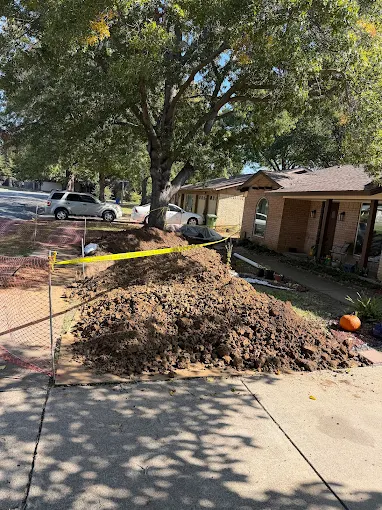
Leak Location Testing Steps for Confident Repairs
If you suspect a hidden water leak in your Fort Worth, TX home, the right leak location service helps you confirm where the water is coming from before repairs start. This guide walks you through practical leak detection steps, what to check first, and how professionals narrow down the source for both residential and commercial plumbing.
Last week, your sprinklers ran, but the water bill still looked higher than usual. Then you noticed a damp spot near a wall that never used to feel cool. In Fort Worth, TX, that combination is frustrating because it can point to anything from a toilet that runs to a leak under a concrete slab.
You do not need to guess. The steps below help you understand how leak detection and leak location testing is typically approached, what evidence matters, and how to avoid doing repairs that miss the real source.
Quick Answer
If you suspect a hidden water leak, start with basic checks (water meter behavior, visible moisture, and obvious fixtures). Then rely on a professional leak location service to confirm the source using methods like pressure-based testing and targeted diagnostics. For suspected slab leak detection, the goal is to identify the exact plumbing line before any concrete work. A practical recommendation: collect a short timeline of symptoms and keep the system off as directed, then schedule leak location testing with All Source Plumbing so repairs match the confirmed source.
What to Check First
Even though a true leak location service is best handled by professionals, you can quickly narrow the problem category. These checks help the technician arrive with better context and reduce unnecessary testing.
Professional observation: The “where” matters more than the “maybe.” Moisture and higher bills can have multiple causes, so confirming the line or area first helps keep repairs focused.
1) Confirm water is moving when it should not
Pick a time when no one is using water. Check whether your meter shows movement. If it does, you likely have ongoing flow somewhere in the system.
2) Look for patterns, not just spots
Note where you see dampness, discoloration, or unusual coolness. Leaks under a concrete slab may show as recurring moisture near baseboards, drywall seams, or floors that feel different from the rest of the room.
3) Rule out easy fixture causes
Toilet leaks are common and can mimic hidden water leak symptoms. If you suspect a toilet, compare tank behavior and bowl water level changes over time. For help with plumbing issues that start at fixtures, you can review toilet repair and installation through All Source Plumbing.
4) Distinguish drainage problems from supply leaks
Clogged drains and sewer line issues often cause slow drainage, backups, or odors. Supply leaks typically relate to water usage and wet areas. If your concern is drainage-related, consider drain cleaning services as part of the diagnostic conversation.
Main Things Customers Should Understand
Leak location testing is not one single step. It is a process that uses evidence to reduce uncertainty until the source is clear enough for repairs. Below are the main factors that guide how professionals approach water leak detection and leak location service work.
Evidence-first approach
Technicians look for where the system is consuming water, where moisture appears, and what changes when fixtures are off or on.
Targeted testing
Instead of opening walls or slabs randomly, testing is designed to confirm the suspect area or plumbing segment.
Correct repair depends on confirmation
Different sources require different repair methods, including slab leak plumbing repair, line work, or related diagnostics.
How professionals narrow down hidden leaks
For many homes, the leak detection process may include a combination of observation and testing to identify whether the issue is in the supply line, drainage system, or another component. For suspected slab leaks, the focus becomes slab leak detection and precise location.
If you want to understand how slab leak location and repair are handled, you can explore slab leak location and repair from All Source Plumbing.
When “non-destructive” testing is the priority
Homeowners often prefer ways to limit disruption. In many cases, technicians use approaches intended to locate the problem with the least invasive impact before repair planning. For more detail on the service side of slab leak location, see leak location repair.
Slab leak detection vs. foundation leak detection
Moisture near foundations can be caused by multiple things. A careful foundation leak detection process helps separate plumbing leaks from other moisture sources so repairs address the correct problem.
Why this matters in Fort Worth
In Fort Worth, TX, many properties rely on aging underground plumbing routed beneath slabs. Seasonal shifts can also change how noticeable a leak becomes, especially when temperatures affect how floors and walls hold moisture. That is why a leak can seem “better” for a while and then return, or why dampness may show up after certain water usage patterns.
All Source Plumbing supports Residential Leak Detection and Commercial Leak Detection needs across Fort Worth and surrounding areas, with a process designed to confirm the source before repairs move forward. If you are dealing with a suspected slab leak, you may also want to review slab leaks service so you know what to expect from a slab leak investigation.
Local insight: If you are seeing moisture around baseboards or floor areas in rooms with slab construction, treat the symptom seriously and act sooner. Early confirmation helps prevent ongoing damage while you plan the right repair approach.
Decision table: what to call it during the first conversation
| What you notice | Most likely category | What to ask about |
|---|---|---|
| Water meter moves when all fixtures are off | Possible supply leak | Leak detection and leak location service |
| Damp floor or wall near slab areas | Possible under slab leak | Slab leak detection and under slab leak detection |
| Slow drains, backups, or recurring clogs | Drain or sewer-related issue | Drain cleaning services and drain repair diagnostics |
| Moisture near foundation lines | Possible foundation leak or plumbing leak | Foundation leak detection and leak location testing |
Need leak location testing in Fort Worth?
Share what you are seeing (timeline, meter behavior, and where moisture appears). All Source Plumbing can help you move from suspicion to confirmed leak location.
Contact All Source PlumbingCommon Mistakes to Avoid
When customers try to handle hidden leak situations on their own, a few patterns come up repeatedly. These mistakes can delay repairs or lead to unnecessary work.
- Chasing the visible wet spot without confirming the line: Moisture can travel through materials, so the area that looks wet may not be where the leak originates.
- Assuming higher bills always mean a single fixture: Toilet leaks are common, but ongoing meter movement can come from supply lines or other components.
- Repairing without leak location testing: If you repair based on guesswork, you risk leaving the real source untouched.
- Mixing up drainage issues and supply leaks: A clogged drain can create symptoms that sound similar to a leak, especially when water backs up and spills.
- Waiting too long to investigate slab leak symptoms: Under slab leaks can keep adding moisture over time, which can affect floors, finishes, and surrounding areas.
Customer Checklist
- Write down when you first noticed the issue (day and approximate time).
- Check water meter movement when no fixtures are running.
- Identify where moisture appears and whether it changes after water use.
- Confirm whether toilets or nearby fixtures show signs of continuous running.
- Take a few photos of damp areas (baseboards, floors, and nearby walls).
- Note whether you also have drainage symptoms like slow drains or backups.
- Ask about leak detection steps that can confirm the source before repairs.
Representative scenario
A Fort Worth homeowner noticed recurring dampness near a hallway wall and a steady rise in water usage. After basic checks suggested the toilet was behaving normally, the investigation moved toward hidden water leak detection. The team used leak location testing to narrow the issue to the under-slab plumbing area, then planned slab leak repair based on the confirmed location rather than opening the slab randomly. The result was a repair plan aligned with the actual source, which helped prevent repeated drywall and flooring disruption.
Frequently Asked Questions
What is leak location testing, and why does it matter?
Leak location testing is the process of confirming where a leak is coming from, not just proving that water is leaking. It matters because moisture and higher water usage can have multiple causes, and repairs done without confirmation may miss the true source. With a targeted approach, technicians can narrow down the suspect area and line before planning slab leak repair or other plumbing work. For homeowners in Fort Worth, TX, this is especially helpful for under slab symptoms where the visible damage is not always the actual origin point.
How do you tell the difference between a slab leak and a drainage problem?
Supply leaks and drainage issues often show different clues. A supply leak typically correlates with water usage when fixtures are off, and it may create persistent dampness. Drainage problems more often show slow drains, backups, or odors. During a professional evaluation, technicians look at both the pattern of symptoms and the behavior of the plumbing system. If you are dealing with damp floors or walls, ask about slab leak detection and under slab leak detection. If the issue centers on backups or clogging, ask about drain cleaning services and drain line repair diagnostics.
Can hidden water leaks be found without breaking concrete?
In many cases, technicians use approaches intended to locate the leak with minimal disruption first. The goal is to confirm the leak location so that any necessary repair work is planned around the confirmed source. Whether concrete must be opened depends on what the testing reveals and what repair method is needed. If you are specifically concerned about non-destructive slab leak detection, ask the technician what steps they use first and how they confirm the location before proceeding.
What should I do right after I suspect a leak?
Start with basic documentation and simple checks. Write down when you noticed the issue, check whether the water meter moves when no fixtures are running, and note where moisture is appearing. If you suspect a fixture-related cause, confirm whether any toilets show continuous running. This information helps the technician target the investigation faster. Then schedule leak location testing so the source can be confirmed. All Source Plumbing focuses on moving from suspicion to leak location confirmation so repairs match the actual plumbing problem.
How do I prepare for a leak detection appointment?
Bring a short timeline of symptoms, photos of the affected areas, and any notes about water usage changes. If possible, keep water use to a minimum before the appointment and avoid running fixtures right before the technician arrives. If you have both moisture and drainage concerns, mention both so the diagnostic plan can account for supply and drainage systems. The more consistent your observations, the easier it is to connect test results to the symptoms you are seeing in your Fort Worth home.
Ready to confirm the source?
If you are trying to decide whether you have a hidden water leak, slab leak detection issue, or a different plumbing problem, the fastest path is to confirm the leak location first. All Source Plumbing serves Fort Worth, TX and surrounding areas with leak location testing steps designed to support confident repairs.
(682) 760-4912