
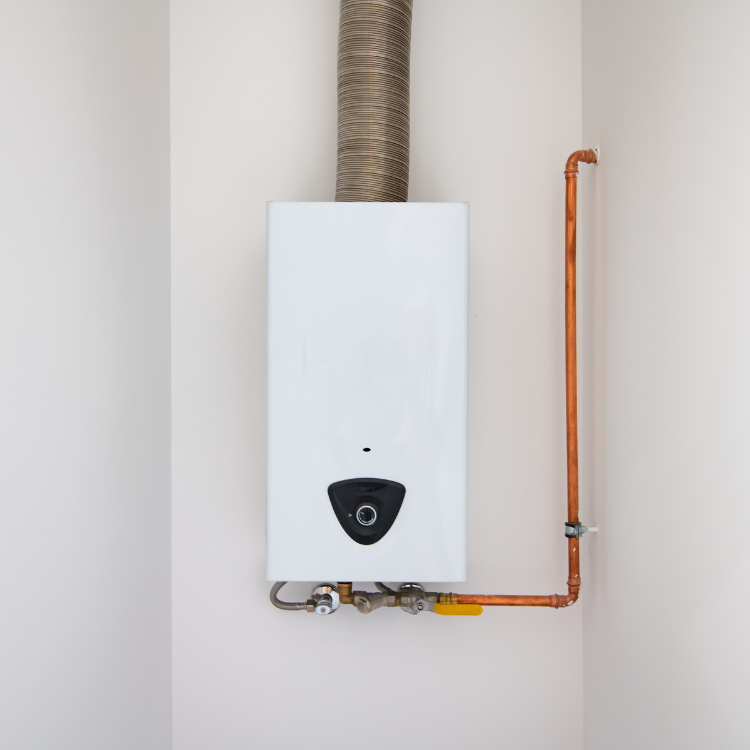
Tankless Water Heater Repair: Why Temperature Flips Matter
A lot of Keller homeowners first notice a tankless problem the same way: the hot water “works,” but it doesn’t behave. You turn on the shower, the water feels fine for a minute, then it suddenly runs hotter—almost scalding—then swings back to lukewarm. Sometimes the next room is fine, and the sink hot water is steady. Other times, every fixture becomes unpredictable.
That “temperature flip” isn’t just annoying. It can signal an issue with the burner control, water flow sensing, scaling, or even venting. And in North Texas, where hard water is common and summer demand spikes, tankless systems can also accumulate mineral buildup faster than many homeowners expect.
Quick Answer
Temperature fluctuations on a tankless water heater are usually caused by restricted flow, mineral scale on the heat exchanger, improper gas/combustion settings, venting issues, or a failing sensor/flow switch. The safest next step is professional diagnosis—especially if the unit repeatedly changes temperature, shuts down with error codes, or struggles to maintain hot water during simultaneous use. Repairing the underlying cause (often cleaning/descaling, sensor replacement, or adjusting settings) is typically better than simply “turning the temperature down.”
Why Temperature Flips Happen (And What We Look For)
Tankless units don’t store hot water like a traditional tank. Instead, they heat water on demand. That means the system is constantly balancing:
- Water flow rate (how fast water is moving through the unit)
- Gas or electric output
- Heat exchanger performance
- Sensors and controls
- Combustion air and venting
When something throws off that balance, you’ll feel it immediately at the faucet.
The technician observation we see often
In the field, one of the most common patterns is this: the homeowner reports “hot water is fine, then it flips,” and when we inspect, we often find scale buildup partially restricting the heat exchanger. The unit can still run, but the effective heating capacity drops mid-cycle, so the control board tries to compensate—resulting in noticeable swings.
Common causes of temperature swings
Here are the most frequent culprits behind “hot/cold-hot” behavior:
1. Mineral scale (hard water) restricting heat transfer
- Scale acts like insulation inside the heat exchanger.
- The unit may start heating aggressively, then fall behind as flow changes or the exchanger overheats in spots.
2. Flow sensor or inlet screen issues
- Debris or scale on the flow sensor can create inaccurate readings.
- Even a small restriction can cause the controller to misjudge demand.
3. Water pressure or flow rate falling below the unit’s stable operating range
- A shower head with heavy mineral buildup, partially closed valves, or a failing pressure regulator can trigger erratic heating.
4. Gas supply or combustion/venting problems
- If combustion isn’t stable, the unit can change output to protect itself.
- Poor venting can also lead to safety shutdowns or temperature instability.
5. Temperature sensor problems
- A failing sensor can “tell” the unit the water is cooler or hotter than it actually is, which leads to incorrect burner control.
6. Simultaneous-use demand spikes
- If the dishwasher runs while someone showers, some systems—especially those undersized for household demand—can swing temperatures.
Signs You May Have a Hidden Tankless Problem
Temperature flips are the headline symptom, but these often show up alongside it:
- Error codes (even if the unit still runs intermittently)
- Reduced hot water output after the unit has been operating for a while
- Hot water that goes cold when another fixture turns on
- Strange noises (hissing, rumbling, or popping near startup)
- Limescale “dust” near fixtures or at the unit (if visible)
- Burner cycling more frequently than it used to
If you notice the flips happening repeatedly, don’t wait for it to “work itself out.” A tankless heater can continue running while the underlying issue worsens—especially when scale is involved.
What Homeowners Often Overlook
Common mistake homeowners make: “Dialing the temperature” without fixing the cause
A very common homeowner reaction is to lower the set temperature to stop the scalding. That can reduce complaints, but it doesn’t address the root issue. If the exchanger is scaling or a sensor is reading incorrectly, temperature instability can persist—and the unit may run harder to maintain heat, increasing wear.
Another frequent issue: homeowners assume the problem is the shower valve or shower head. Sometimes it is. But when flips happen across multiple fixtures, the tankless unit is usually the real driver.
Our Experience Diagnosing Tankless Water Heater Issues in North Texas
North Texas homes often run into a specific combination: hard water + high seasonal usage + older plumbing components (like older shutoff valves, regulators, or corroded supply lines). That matters because tankless systems are sensitive to flow and stable operation.
In one anonymized case from the Keller area, a homeowner called because their tankless water heater warmed the shower, then swung to nearly too hot for comfort. The unit didn’t always throw an obvious error code. During inspection, we found partial mineral buildup in the heat exchanger and debris on an inlet component that affected accurate flow readings. After a proper service cleaning and verifying the unit’s operating parameters, the temperature stabilized and the burner cycled normally again.
That’s the key: temperature flips can be “controlled” temporarily, but they usually reflect a mismatch between demand and heating output. When we correct that mismatch, the experience improves quickly.
Repair vs Replacement: What We Recommend
Not every tankless issue requires replacement. Many temperature flip problems are repairable—but the recommendation depends on what’s causing the swings.
Typical diagnostic and repair paths
- Descaling / cleaning of the heat exchanger and internal components
- Often the fix when hard water scale is present.
- Sensor/flow component replacement
- If sensors or flow detection are faulty.
- Vent/combustion inspection and adjustment
- If the unit is not burning consistently or venting is compromised.
- Gas supply verification
- If gas pressure or combustion setup is off.
- Water flow and pressure correction
- If valves, regulators, or restrictions are interfering.
When replacement becomes the smarter option
Replacement is more likely if:
- The unit is near end-of-life and has repeated failures
- The heat exchanger is extensively scaled or damaged beyond practical cleaning
- The repair history shows multiple component replacements in short intervals
- The unit is undersized for household demand and the temperature swings are tied to peak usage
A practical recommendation
If you’re experiencing recurring temperature flips, we recommend professional tankless water heater service that includes inspection of flow, sensors, venting/combustion, and heat exchanger condition—not just adjusting the thermostat.
For homeowners who want a focused service option, we can help with tankless water heater repair and installation tailored to how your system is operating.
Plumbing Maintenance Checklist (Tankless Edition)
Use this checklist to reduce the chances of temperature instability and premature failure:
- Check and clean shower heads and faucet aerators for mineral buildup
- Verify shutoff valves are fully open
- Inspect for water filter issues (if your system uses one)
- Make sure the unit has proper vent clearance and no obstructions
- Watch for early warning signs:
- burner starts/stops too frequently
- hot water hesitates before stabilizing
- temperature swings without fixture changes
- If you have hard water, ask about periodic descaling/maintenance
- Keep the area around the unit clean and dry (especially for indoor installations)
Keller and North Texas Relevance: Why This Shows Up Here
In North Texas, seasonal temperature swings and peak summer water use can push tankless systems to their limits. Add in hard water mineral content and the reality of aging distribution plumbing, and tankless heaters can develop scale and flow irregularities sooner than many homeowners expect.
That’s why we treat “temperature flips” as a diagnostic clue, not just a comfort issue. In Keller homes with slab foundations and established plumbing lines, small flow restrictions can translate into big performance changes—especially during high-demand periods like morning showers or when multiple fixtures run at once.
Quick Comparison: Common Symptoms to Likely Causes
| What You Notice | Likely Cause | Typical Fix |
|---|---|---|
| Hot water starts fine, then swings hotter/lukewarm | Heat exchanger scaling or sensor/controller mismatch | Professional cleaning/descaling + sensor inspection |
| Temperature flips only at one fixture | Restricted aerator/shower head/valve | Clean/replace fixture components |
| Swings happen when dishwasher/laundry runs | Demand exceeds stable output | Verify sizing/flow and adjust usage; check system settings |
| Unit shuts down or errors during use | Venting/combustion or safety sensor issue | Vent/combustion inspection + repairs |
| Flips after long periods unused | Sediment/debris accumulation | Service cleaning and flow checks |
References and Facts (Helpful Context)
- Many water heaters and tankless systems experience performance decline due to mineral scale buildup, especially in areas with hard water. Scale acts as insulation and reduces heat transfer efficiency.
- The U.S. Department of Energy notes that scaling and sediment can reduce heating efficiency in water-heating equipment, leading to higher energy use and reduced performance.
- Tankless units rely on consistent flow and accurate sensor readings; when flow is disrupted, heaters can behave erratically or cycle excessively. (This is consistent with manufacturer operating principles across major tankless brands.)
Ready to Protect Your Home From Plumbing Damage?
If your tankless water heater is flipping temperatures, don’t just lower the thermostat and hope it settles. Get the system diagnosed so you can restore stable hot water and prevent the issue from becoming a bigger repair.
About All Source Plumbing
All Source Plumbing provides slab leak detection, drain repair, hydro jetting, sewer diagnostics, tankless water heater services, and emergency plumbing repairs throughout Keller, TX and surrounding North Texas communities. The company focuses on accurate plumbing diagnostics, long-term repair solutions, preventative maintenance, and helping homeowners protect their properties from costly water damage through professional plumbing services.