
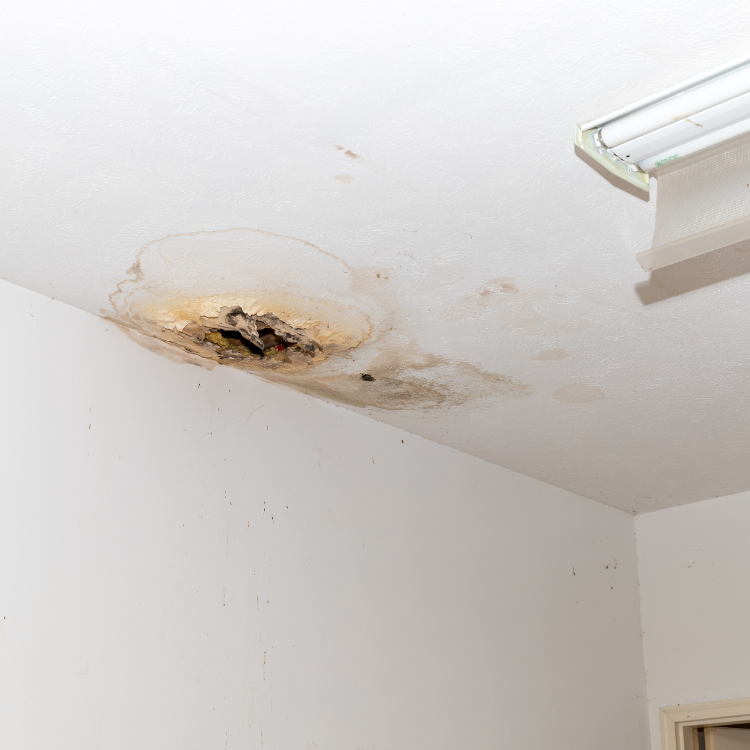
Slab Leak Location Signs: When Walls Sweat Quietly
You don’t always see a puddle when a slab leak is happening. In many Keller, TX homes, the first “notice” comes from something subtler: a musty smell in one room, hairline cracks that slowly widen, or walls that feel damp after the sprinklers run—even though there’s no obvious source of water. Meanwhile, your water bill may creep up by a noticeable amount, and the home’s indoor humidity starts acting “off.”
A slab leak can also affect the foundation over time. When plumbing lines run beneath concrete, water pressure and moisture can travel through the soil and into structural areas before you ever spot the leak from above. That’s why slab leak detection isn’t just about finding water—it’s about locating it precisely, so repairs address the cause without unnecessary demolition.
Quick Answer
If you suspect a hidden leak under your slab, look for:
- unexplained increases in water usage,
- damp drywall or “sweating” walls after water is running,
- warm spots on the floor that don’t match room temperature,
- recurring foundation cracking or sticking doors,
- wet insulation where supply lines pass near exterior walls.
For reliable results, a professional leak location service uses pressure testing, specialized listening/monitoring tools, and hydro-static testing methods to determine where the leak is—then recommends the right slab leak plumbing repair approach.
Signs You May Have a Hidden Leak
Slab leaks often “announce themselves” indirectly. Here are the patterns we see in North Texas homes when water is escaping beneath concrete:
1) Walls that sweat quietly
This is one of the most confusing symptoms for homeowners. A wall can feel cool or damp because moisture is migrating behind drywall or through the framing cavity after water runs. You might notice it more:
- after showers or laundry cycles,
- after irrigation schedules,
- during overnight periods when the home is “quiet.”
If the dampness appears near a plumbing chase, exterior wall, or an area above where supply lines typically run, it becomes a strong indicator of slab leak activity.
2) A consistent water bill increase (with no clear cause)
Many people check for obvious culprits—running toilets, dripping faucets, sprinkler issues. But slab leaks can be steady enough to avoid sudden “flood” symptoms while still adding up to measurable gallons over time.
A practical homeowner test:
- Turn off all water inside and outside for a few hours.
- Check the meter (or watch a smart meter app).
- If the meter still moves, you likely have active flow—often from a hidden leak.
3) Floor warmth or temperature differences
Hot water lines leaking under slab can cause localized warm spots. Cold water leaks can create subtle moisture patterns instead. Either way, you may feel:
- warmer-than-normal sections on the floor,
- damp carpet padding,
- baseboards that seem “out of place” after repeated use.
4) Slow, repeating foundation behavior
Foundation movement can be gradual and easy to ignore—until it isn’t. Slab leaks can contribute to soil saturation, which can worsen cracking patterns and cause doors to stick.
Look for:
- new or widening hairline cracks,
- cracks that grow more noticeable after rainy periods or heavy indoor water use,
- changes in drywall tape lines near plumbing routes.
5) Musty odors or indoor humidity spikes
Moisture under a slab can create a small “humidity pocket” that doesn’t always show as visible water. If you’re running HVAC regularly and still notice persistent odors or unusual humidity, hidden leaks are worth investigating.
How Professionals Actually Locate Slab Leaks (Real Technician Insight)
At All Source Plumbing, we’ve learned that “guessing” the leak location is what drives up repair costs and prolongs damage. From a technician standpoint, slab leak location is a process—because the concrete doesn’t forgive assumptions.
A common observation from our field work: homeowners often report “it must be the bathroom” because that’s where they first noticed moisture. But supply lines can travel under slab in ways that make the visible symptom show up far from the actual breach. Sometimes the leak affects moisture migration patterns, not the exact pipe location.
A proper leak location service typically includes:
- Meter and flow verification to confirm active leakage,
- Pressure testing / controlled pressure checks to narrow whether the leak is on supply vs. another line path,
- Non-destructive slab leak detection methods where appropriate to minimize unnecessary concrete exposure,
- Mapping and correlation between plumbing layouts and test results.
If the leak location points to a specific section of piping, that’s when we move toward the most efficient slab leak repair plan—often balancing repair access with long-term reliability.
If you want a deeper look at what’s involved, you can review our approach through slab leak detection services and leak location diagnostics.
What Homeowners Often Overlook
“No visible water” doesn’t mean “no leak”
Concrete can hold moisture and still keep the leak hidden. You can have active water escaping under the slab without any puddle forming inside the room.
Irrigation schedules can mask the pattern
In North Texas, sprinklers run often enough that they can confuse the timeline. If moisture shows up after irrigation but you don’t check the indoor water meter separately, you may chase the wrong cause.
Humidity and smell can mislead you
Musty odor might lead people to suspect poor ventilation or a bathroom exhaust fan. But when the odor tracks with plumbing use or specific wall areas, slab leaks become more likely.
Common Mistakes That Lead to Water Damage
1) Delaying diagnostics because “it’s probably minor”
A slab leak can be small at first. The problem is that concrete is only part of the system—beneath it is soil. Water can soften soil, change load behavior, and increase the chances of foundation-related problems.
2) Trying to patch without locating the leak
Homeowners sometimes attempt DIY fixes like:
- shutting off water and hoping it resolves,
- replacing a visible fixture without addressing the under-slab line,
- opening walls near the symptom instead of verifying the actual source.
If you open the wrong area, you risk creating new access problems while leaving the true leak active underneath.
3) Assuming all dampness comes from the outside
Roof leaks, window condensation, and exterior plumbing issues are real—but inside moisture that correlates with water usage cycles is often plumbing-linked.
4) Ignoring the “quiet” indicators
A small but steady leak can keep running for months. By the time the damage becomes obvious, the repair may require more invasive access.
Repair vs. Replacement: What Usually Makes the Most Sense
Once the leak is located, the next decision is whether to repair a section or replace more extensive piping. The right choice depends on:
- pipe material and age,
- the size and location of the failure,
- whether there are multiple weak spots,
- how much of the line is affected,
- whether repairs would require repeated access in the near future.
Typical outcomes we plan around
- Targeted slab leak plumbing repair when the failure is localized and the surrounding piping appears stable.
- More comprehensive piping repiping when the system shows signs of widespread aging or repeated leak risk.
For homes where the piping layout suggests multiple future issues, we’ll discuss whether piping repiping is the smarter long-term move rather than paying for repeated slab access.
If you want a service-specific option, our slab leak repair guidance is also covered at slab leak location repair service.
Keller and North Texas Relevance: Why Slab Leaks Can Be Sneaky Here
Keller sits in a region where seasonal swings and soil behavior can amplify plumbing problems. Many North Texas homes have slab foundations and underground plumbing routes designed for stable conditions—but when soil moisture increases, it can contribute to foundation movement over time.
We also see:
- Hard-water scale buildup that can stress fixtures and internal plumbing components,
- Aging plumbing systems in established neighborhoods where original lines are past their “best years,”
- Rapid suburban growth and frequent construction patterns that can lead to plumbing routes that are difficult to interpret without proper mapping and testing.
That’s why foundation leak detection and under-slab leak location work needs to be methodical—not rushed.
A Realistic Service Case (Anonymized)
A homeowner in Keller noticed a steady water bill increase but couldn’t find any running toilets or obvious drips. Over a few weeks, they also felt dampness along a wall near a bathroom. The drywall wasn’t visibly saturated yet, but the baseboard area stayed cool and slightly soft to the touch.
When our team performed leak location diagnostics, the results didn’t align with where the damp wall suggested the leak was. Instead, pressure testing and correlation with the home’s plumbing layout pointed to an under-slab supply line segment. Rather than opening the wall based on symptoms, we planned repair access based on the confirmed leak location.
The slab leak repair addressed the specific failure point, and the homeowner avoided unnecessary interior demolition—while stopping the ongoing moisture transfer that was slowly affecting the surrounding area.
Plumbing Maintenance Checklist (Prevention That Actually Helps)
You can’t stop every slab leak, but you can catch issues earlier and reduce damage. Here’s a practical checklist homeowners can use:
- Check your water meter monthly for unusual movement when no water is running.
- Inspect drywall and baseboards in bathrooms and near exterior walls for recurring dampness.
- Watch for repeating humidity odors—especially after showers, laundry, or irrigation cycles.
- Document any crack changes (photos with dates help).
- Maintain irrigation schedules and confirm there’s no excessive runoff toward foundation edges.
- Test toilets for silent leaks (food coloring in the tank can reveal flappers that drift).
- Flush drains as needed to avoid broader plumbing stress elsewhere in the system—clogs and backflow can contribute to pressure changes.
If your issue turns out not to be a slab leak but a drainage problem, we can help with drain cleaning services and hydro jet drain cleaning when buildup is suspected.
Our Experience Diagnosing Plumbing Problems in Texas Homes
In slab leak cases, the “hard part” isn’t only the leak—it’s the detective work. Moisture can travel, temperature can fool the senses, and visible symptoms often appear after time has already passed.
We focus on:
- confirming active leakage (not just guessing),
- narrowing the section of piping,
- using the least invasive approach that still produces certainty,
- and advising homeowners on how to reduce the chances of repeat slab access.
That’s also why early diagnostics matter. The earlier you verify and locate a leak, the more likely the repair can be targeted rather than disruptive.
Quick Guidance: What to Do If You Suspect a Slab Leak Today
1. Stop unnecessary water use (especially avoid long showers or irrigation) until you confirm the issue.
2. Check the water meter for movement during a quiet period.
3. Take photos of any cracks, damp wall areas, or floor discoloration.
4. Avoid opening walls until you’ve ruled out the actual leak source. Accessing the wrong area is a common setback.
5. Schedule a professional leak location service so you can repair the cause, not just the symptom.
If you need a time-sensitive response, our team provides emergency plumbing repairs for situations that are actively causing water damage.
Plumbing Questions Homeowners Ask
How do I know if I have a slab leak?
Look for consistent water bill increases, moisture that appears after water use, warm spots on floors, and recurring dampness along specific wall areas. If the meter shows flow when everything is off, that’s a strong sign. A professional leak location service can confirm and pinpoint the leak using pressure testing and specialized diagnostics.
What causes hidden slab leaks?
Common causes include aging pipe materials, corrosion, shifting soil, and pressure changes over time. In some homes, hard-water scale and improper stress on plumbing routes can also contribute to failures.
Is non-destructive slab leak detection always possible?
Not always. Non-destructive methods can be effective in many cases, but sometimes the leak location and pipe conditions require targeted access to confirm and repair. The goal is to minimize demolition while achieving certainty.
Should I repair or replace if I find a slab leak?
If the leak is isolated and the surrounding piping is in good condition, repair may be the best option. If there are signs of multiple weak sections or repeated leak risk, a more comprehensive approach—like piping repiping—can reduce future disruption.
Ready to Protect Your Home From Plumbing Damage?
If your walls are “sweating” quietly, your water bill is rising, or you suspect foundation-related moisture, don’t wait for visible flooding to confirm the problem. The fastest path to peace of mind is accurate leak detection and precise slab leak location—so repairs address the real source and help protect your home long-term.
About All Source Plumbing
All Source Plumbing provides slab leak detection, slab leak repair planning, leak location diagnostics, drain repair support, hydro jetting, sewer and water-sewer gas diagnostics, tankless water heater services, and emergency plumbing repairs throughout Keller, TX and surrounding North Texas communities. Our focus is accurate diagnostics, minimally disruptive solutions when possible, and practical long-term plumbing protection to help homeowners avoid costly structural and water-damage outcomes.