
Tankless Water Heater Repair: Reset, Flush, Restore
A few weeks ago, a Keller homeowner called because their electric tankless water heater was “working… sort of.” They’d get hot water for the first shower in the morning, but by the second shower the temperature would drop off fast. A day later, it wouldn’t ignite at all—no error code on the display, just lukewarm water and a lot of frustration.
That pattern is common in North Texas homes: the heater isn’t necessarily dead, but it’s usually not getting the water flow, heat transfer, or clean internal passages it needs. Hard water scale, sediment from the supply line, and clogged filters can make a tankless unit feel like it’s failing—when it’s often something that can be corrected with proper diagnostics, flushing, and in some cases a reset and safety check.
Below is how we approach tankless water heater repair the practical way: what you can safely try, what typically requires service, and how to prevent the same issue from coming back.
Quick Answer
If your tankless water heater won’t deliver hot water (or delivers hot water briefly), the most reliable first steps are:
- Check power/gas supply and the unit’s error code (if it shows one).
- Confirm adequate water flow (low flow can prevent ignition or reduce output).
- Inspect and flush the heat exchanger if scale or sediment is suspected.
- Reset the unit only after basic checks—a reset shouldn’t replace proper troubleshooting.
For North Texas homes, we often find hard-water scale and restricted flow paths are the main culprits. The best “repair” is usually descaling/flush + filter and intake checks, not repeated blind resets.
What We Commonly See in North Texas Tankless Systems
North Texas water is tough on tankless heaters. Many homes sit on supplies that contribute to mineral buildup, and the effects show up differently depending on the unit type:
- Scale on the heat exchanger: The heater can turn on, but it can’t transfer heat efficiently. You’ll see temperature drop, longer response times, or inconsistent hot water.
- Sediment in inlet screens/filters: Flow becomes restricted. Some tankless models won’t ignite reliably if flow sensors don’t “see” enough water movement.
- Restricted venting or combustion issues (gas units): For gas tankless heaters, improper air intake/venting can cause shutdowns or ignition failure.
- Thermal protection trips: If the unit overheats due to scale or restricted flow, it may lock out until conditions are corrected.
A firsthand technician observation
On service calls, one thing stands out: homeowners often describe “no hot water” as if the unit is simply not heating. But when we pull the service panels and inspect the inlet side, we frequently find the restriction isn’t at the outlet—it’s at the intake/flow path. Even when the heater “tries” to run, a partially clogged filter or scaled exchanger can mimic a total failure.
Signs Your Tankless Heater Needs More Than a Reset
A reset can be useful, but it’s not a diagnosis. Consider professional service (or at least a full inspection) if you notice:
- Hot water works for a short time, then fades quickly
- Water feels hot at one faucet but not another
- Water temp swings during showers
- Error codes appear intermittently
- The unit cycles on and off repeatedly
- Strange sounds (like water rushing/hammering) near the heater
- Increased energy usage without improved hot water performance
Common mistake homeowners make
Blindly resetting the heater multiple times without addressing the underlying cause.
In many cases, the unit is protecting itself because heat transfer is impaired (often by scale) or because flow/combustion conditions aren’t right. Repeated resets can delay the repair and let scale continue to build, which makes later fixes more expensive.
The Step-by-Step “Reset, Flush, Restore” Approach
Here’s the method we use to restore performance safely. You can do the early checks yourself, but flushing—especially descaling for hard water scale—is where many homeowners should lean on a technician.
1) Do a safe reset (only after basic checks)
If your unit has a display:
- Record any error code before clearing it.
- Power-cycle according to the manufacturer instructions (some require a full power disconnect; others use a reset procedure).
If there’s no code, still verify:
- The unit has power (or gas supply is on for gas models)
- The shutoff valves are fully open
- No obvious water leaks are present around the unit
Recommendation: If you reset and the issue returns within a day or two, don’t keep resetting—move to flow and scale checks.
2) Check water flow and faucet restrictions
Tankless heaters are sensitive to flow rates. Low flow can prevent proper operation.
- Run hot water at a nearby sink and compare it to cold flow.
- Remove and clean aerators/showerheads if they’re clogged with mineral deposits.
- If you have a whole-house filter, check whether it’s near clogging.
If flow is restricted, the unit may not ignite consistently or may underperform.
3) Determine if scale/sediment is the real issue (flush/descales)
A proper tankless flush removes sediment and addresses scale inside the heat exchanger. In North Texas, scale is the usual suspect when hot water performance degrades over time.
A technician typically:
- Uses a flushing kit and compatible chemicals (when descaling is needed)
- Measures flow during the flush
- Ensures the unit is returned to normal operation safely
4) Restore performance and prevent repeat failures
After flushing and basic checks:
- Verify stable hot water temperature
- Confirm proper ignition (gas) or heating cycle (electric)
- Check for any recurring error patterns
- If your unit is frequently affected, consider water treatment support (like filter/softening options)
What Actually Improves Long-Term Tankless Reliability
Most tankless failures we see aren’t random—they’re progressive.
If scale is building, the unit will:
- Struggle to heat water quickly
- Cycle more often
- Potentially trip protective shutdowns
And if you have recurring flow issues, the heater will keep fighting the same restriction.
A realistic service case (anonymized)
A North Texas family reported that their gas tankless started producing hot water only for a short period. They had already tried a reset twice. When we inspected the inlet side, we found mineral buildup had restricted flow and the heat exchanger showed signs consistent with scaling. We performed a full flush/descale, cleaned the inlet components, and verified stable operation through multiple hot-water draws. The unit returned to normal output, and the homeowner also installed a maintenance schedule so it didn’t drift back into the same problem.
Repair vs Replacement: When Flushing Isn’t Enough
Tankless heaters often recover well with service, but replacement becomes the smarter move when:
- The heat exchanger is severely damaged or leaking
- Multiple components fail in a short period
- The unit is old and efficiency has dropped significantly
- Repairs would involve replacing major parts with uncertain long-term results
A practical recommendation:
- If the unit still ignites and the problem is temperature/consistency, start with flush + flow/filtration checks.
- If the unit won’t operate and inspection shows internal failure, the best path may be component replacement or unit replacement depending on the model and condition.
If you suspect a heater installation or setup issue, it’s also worth reviewing whether the system is correctly matched to your household usage. Poor sizing or maintenance neglect can shorten service life.
For other water-heating issues in the same system category, many homeowners also benefit from targeted support—such as tankless water heater repair and installation guidance when troubleshooting becomes repetitive.
Keller / North Texas Relevance: Why This Matters Here
Keller and the broader North Texas area tend to have water conditions that accelerate mineral buildup. Combine that with the way many homes are designed—suburban layouts, multiple bathroom demands, and sometimes older plumbing components feeding the heater—and you get a tankless system that can be “fine” for months, then suddenly inconsistent.
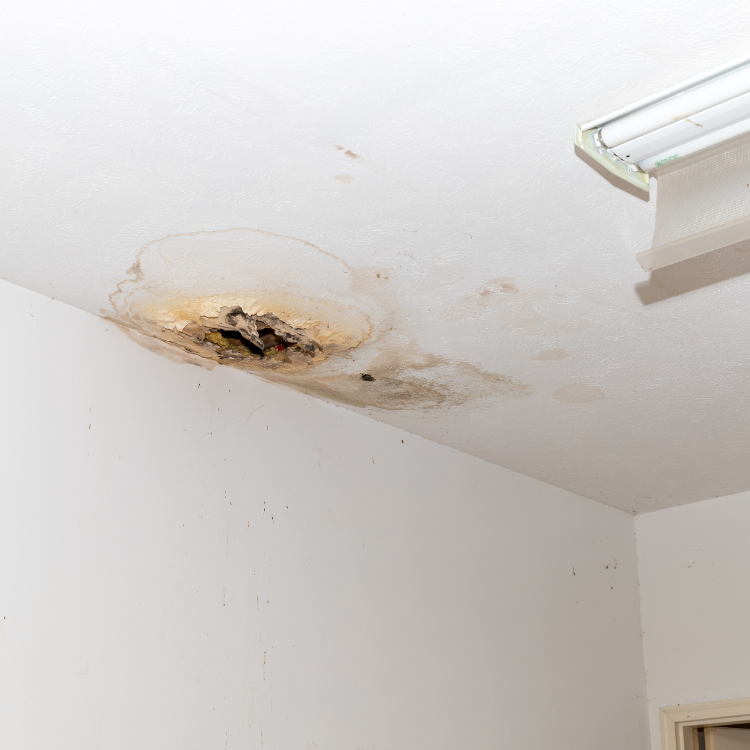
We also see seasonal swings: higher summer demand can expose flow and scale problems faster. And because many homes have concrete slab foundations, small leaks or plumbing inefficiencies can be more costly if they’re left unattended. While this article focuses on tankless repair, it’s the same philosophy we use for other hidden plumbing issues: diagnose early, because damage often starts before you see it.
If you’re noticing signs of leaks elsewhere (moisture under fixtures, unexplained dampness near plumbing runs, or recurring water usage spikes), it may be worth pairing your tankless service with broader diagnostics. For example, professional leak location service can help rule out hidden water loss that makes hot water performance feel “worse” than it is.
Plumbing Maintenance Checklist (Tankless Edition)
Use this as a homeowner-friendly routine between service visits:
- Check hot water temperature stability: Does it drop during continued use?
- Clean faucet aerators and showerheads: Mineral deposits can mimic heater problems.
- Listen for unusual cycling: Rapid on/off can indicate flow or control issues.
- Inspect inlet filters (if accessible per manufacturer instructions).
- Look for error codes and write them down for the technician.
- Plan a periodic flush/descale schedule based on water hardness and usage.
- Verify pressure and flow stability: Consistent water flow is crucial for reliable tankless operation.
- Keep the unit vent/intake clear (gas units): Airflow restrictions can cause shutdowns.
When You Should Call for Emergency Service
If you experience any of the following, treat it as urgent:
- Water pooling near the unit
- Burning smell, repeated shutdowns, or gas concerns (gas units)
- Sudden loss of hot water plus active leaks
- Signs of water damage (wet drywall, damp flooring, musty odors)
In those situations, reliable emergency plumbing repairs can prevent small issues from turning into major damage.
FAQs
1) Can I just reset my tankless water heater to fix the problem?
You can reset it if the manufacturer instructions recommend it and if the unit briefly returns to normal. But if the issue repeats, the reset is only clearing a symptom. Common causes—like scale buildup, restricted flow, or venting problems—won’t resolve just because the unit is restarted. If the heater fails again within a day or two, it’s time for a proper inspection and likely a flush/descale.
2) How do I know if my tankless needs flushing?
Look for performance changes over time: inconsistent water temperature, slower hot water response, or hot water that fades during longer draws. If your unit shows flow-related behavior or error patterns, that can also point to restricted passages. A technician can confirm scale and sediment by inspecting and performing a flushing test.
3) Is flushing safe for older tankless units?
Flushing is commonly safe when done correctly, but the key is doing it with the right procedure and compatibility for the unit model. If internal components are already compromised, a flush may not fully restore performance. That’s why it’s better to start with inspection and service recommendations rather than guessing.
4) Does hard water always damage tankless heaters?
Hard water often leads to mineral scale, which reduces efficiency and can trigger shutdowns. Not every homeowner sees immediate failure, but gradual performance decline is typical. With a maintenance schedule that includes flushing/descaling, many tankless units deliver years of reliable service.
Ready to Protect Your Home From Plumbing Damage?
If your tankless water heater is acting up—especially if hot water is inconsistent or performance drops after a reset—the safest next step is a diagnostic visit. Early service can restore comfort and help prevent the kind of damage that costs far more than repair.
About All Source Plumbing
All Source Plumbing provides tankless water heater services, leak detection, drain repair, sewer diagnostics, and emergency plumbing repairs throughout Keller, TX and surrounding North Texas communities. We focus on accurate diagnostics, long-term repair solutions, and practical maintenance guidance to help homeowners protect their homes from costly plumbing damage.