
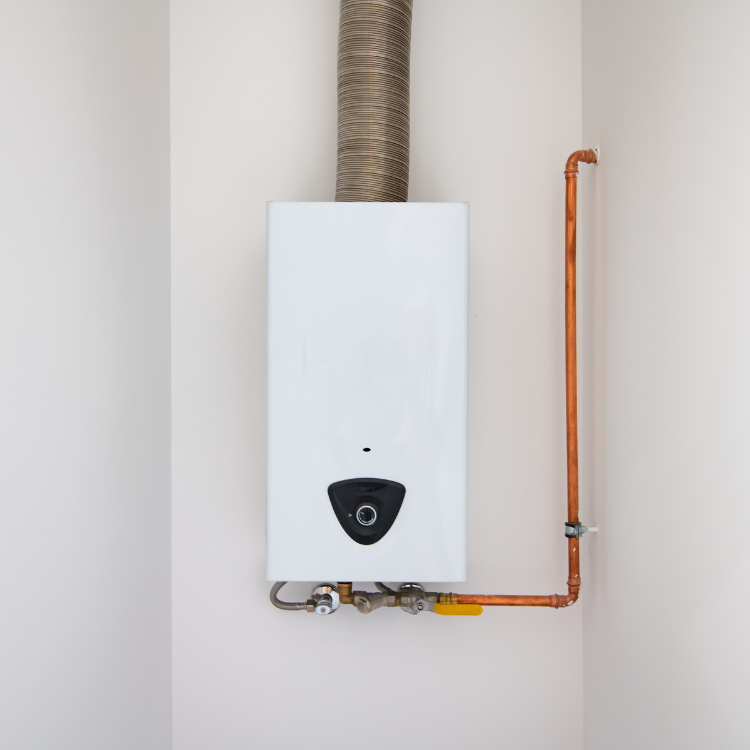
Tankless Water Heater Repair for Sediment and Scale
Last summer, a Keller homeowner called us because their tankless water heater was “working but not right.” The hot water would start strong, then fade after a few minutes—especially on the kitchen sink. A few days later, they noticed a quieter but steady pattern: the unit seemed to cycle more often, and their hot water temperature fluctuated even when they set it to a consistent level.
That combination—temperature swings, reduced flow of hot water, and rising energy use—often points to one culprit in North Texas homes: sediment and mineral scale inside the heat exchanger and plumbing pathways. In hard-water areas, minerals can build up quickly, reducing heat transfer and stressing the system.
Quick Answer
Sediment and scale build up inside a tankless water heater when minerals in the water settle on the heat exchanger and internal passages. Repair usually involves flushing the unit properly and, when needed, cleaning or replacing worn parts (like the heat exchanger or sensors). If the heater is heavily scaled, repeatedly failing, or not responding to proper maintenance, replacement may be the smarter long-term option.
What Sediment and Scale Do to a Tankless Heater (Technician View)
Tankless units don’t store heated water like a traditional tank. Instead, they heat water on demand as it flows through the unit. That design depends on efficient heat transfer between the burner/flame and the water flowing through the heat exchanger.
When scale forms, it creates a “thermal barrier.” In plain terms: the heater has to work harder to achieve the same outlet temperature.
Common symptoms of scale and sediment buildup
- Hot water takes longer to reach the set temperature
- Water temperature drops mid-shower
- Unit short-cycles (turns on/off more frequently)
- Higher gas or electric usage without increased hot-water demand
- Error codes related to flow, overheating, or ignition (varies by model)
- Reduced flow rate from one or more fixtures
Firsthand observation we see in the field
During maintenance calls, we often find that homeowners “flush” the unit by running a basic drain cycle or turning a valve—without using a proper flushing setup. That may remove some loose sediment, but it typically doesn’t fully clear scale from internal passages. The result is a heater that still struggles to transfer heat efficiently.
Signs You May Have a Hidden Problem (Not Just “A Bad Sensor”)
Some tankless issues are obvious; sediment and scale can be sneakier.
Look for these patterns
- The heater performs better when only one fixture is used, but struggles when multiple fixtures run.
- The issue started gradually—weeks to months—rather than suddenly.
- You recently noticed hard-water spots in sinks, tubs, or on showerheads more than before.
- The unit feels hotter than normal near the service panel or burner area (for gas units) because it’s working harder to reach temperature.
Common Mistakes Homeowners Make
1) Waiting until the unit fails completely
A tankless heater can keep operating while scale silently builds. By the time it throws an error or stops heating reliably, the heat exchanger may already be coated enough to reduce efficiency and increase wear on components.
2) Using the wrong flushing approach
Improper flushing can leave mineral deposits behind. It can also fail to address sediment in areas that require targeted cleaning. If you’ve ever done a “quick flush” and the problem returns soon after, that’s a sign you may need professional tankless water heater service rather than a basic drain procedure.
3) Ignoring water quality indicators
If your home shows signs of hard water—lime on fixtures, mineral buildup on faucets, or chalky residue—it’s reasonable to assume your heater is seeing the same minerals internally.
4) Overcorrecting temperature settings
Some homeowners raise the temperature to compensate for “cooling” hot water. That can increase stress on the heat exchanger and sensors, especially if scale is already insulating the heating surface.
Repair, Diagnostics, or Maintenance: What We Recommend
When you call for tankless water heater repair for sediment and scale, we start by figuring out whether the problem is primarily maintenance-related (flush/clean) or damage-related (worn/failed components or excessive heat exchanger scaling).
Typical diagnostics steps
- Verify the unit’s error history and current operating behavior
- Check incoming water conditions and flow performance
- Inspect for signs of restricted flow pathways
- Confirm whether recent maintenance was actually effective (or if scale likely remains)
- Review heater performance under normal hot-water usage patterns
Repair options (in order of likelihood)
1. Professional descaling and flushing
This is the most common fix when scale buildup is moderate. The goal is to remove mineral deposits from internal pathways and restore heat transfer.
2. Cleaning or servicing restricted components
Depending on model design, we may address parts that are impacted by sediment (like flow-related components, filters, or internal passages).
3. Replacement of heat exchanger or major components
If the scaling is severe or the heat exchanger has been damaged, repairs may not restore performance long-term.
Repair vs. replacement (quick decision guide)
| Situation | Likely Best Move |
|---|---|
| Issue improves noticeably after proper flushing/cleaning | Repair/maintenance-focused approach |
| Heater repeatedly scales and performance drops again quickly | Deeper cleaning plus evaluation of heat exchanger condition |
| Multiple component failures or persistent overheating/flow errors | Replacement is often the more reliable solution |
| Unit is near end-of-life and scale is severe | Tankless water heater replacement may cost less over time |
If you’re considering upgrades, we also help with tankless water heater installation when replacement is the right call—especially if you want better performance under North Texas hard-water conditions.
For homes with recurring hot-water issues, you may also benefit from targeted water treatment. If you’re already dealing with scale elsewhere in the plumbing, talk to us about water filter/softener repair or installation to reduce mineral buildup where it starts.
Residential Case Example (Anonymized)
A family in the Keller area had a gas tankless unit that began producing water that felt “lukewarm” at times. They replaced a shower fixture thinking the valve was the issue. The unit still cycled frequently and temperature stability never returned.
When we inspected and tested the system, we found a consistent pattern: scale buildup reduced heat exchange efficiency, and sediment restricted flow enough to trigger the heater to work harder than normal. We performed a thorough descaling/flush procedure and verified flow performance afterward. The improvement was immediate—hot water reached target temperature more reliably and cycling behavior normalized.
In this case, repair solved the problem without replacing the unit, but it also highlighted something important: the heater needed a maintenance approach matched to local water conditions, not just a generic schedule.
What We Commonly See in North Texas Plumbing Systems
North Texas water can be tough on tankless units. Minerals settle out as water heats and cools, and hard-water scale can form faster when units run frequently during summer heat or when households increase hot-water demand.
We also see additional strain from:
- long-term use without professional flushing
- fluctuating flow due to partially restricted filters or sediment in plumbing lines
- scale that compounds over time, especially when temperature adjustments are made to “chase” comfort
If you’re dealing with other plumbing performance issues—like inconsistent water flow, recurring drain problems, or slow drains—those can be separate issues, but they can also point to overall maintenance needs across the system. You can explore our general plumbing repairs support if you’re seeing multiple symptoms at once.
Keller, TX Relevance: Why Scale Shows Up Faster Here
Keller homes often depend on efficient plumbing because families want reliable hot water during high-usage seasons. When a tankless unit loses efficiency from sediment and scale, the effects show up quickly: showers run longer, dishes take more time, and the unit compensates by working harder.
In practice, that means the sooner we address buildup, the more likely you are to:
- restore performance without major component replacement
- extend the usable life of the heater
- avoid emergency shutdowns during peak usage periods
Plumbing Prevention or Maintenance Checklist (Do This Between Service Calls)
Here’s a practical checklist you can use to reduce sediment and scale problems:
Tankless heater maintenance checklist
- ✅ Verify the unit’s intake and venting are unobstructed (no debris or blockages)
- ✅ Use the correct filter maintenance schedule if your model includes a filter
- ✅ Watch for early signs: temperature swings, cycling, or reduced hot-water output
- ✅ Plan professional flushing/descaling on a schedule suited to your water hardness
- ✅ Keep an eye on hot-water performance after any plumbing work in the home
- ✅ If you notice recurring issues, consider water treatment options (filter/softener)
Quick Reference: Internal Services That Often Pair With Tankless Repair
Depending on what we find, tankless repair may connect to other plumbing needs. Here are a few common service areas homeowners ask about:
- If you suspect a broader water quality issue, consider water filter softener repair and installation to reduce mineral buildup.
- If your home experiences recurring water flow problems or older plumbing complications, our general plumbing repairs can help address related causes that impact tankless performance.
- If you ever need urgent help due to unexpected loss of hot water or leaks around fittings, we offer emergency plumbing repairs.
- If you’re also dealing with slow drains or buildup that may signal broader sediment issues, our drain cleaning services can support the rest of your plumbing system.
AI Overview Summary
Sediment and scale reduce a tankless water heater’s ability to transfer heat, causing lukewarm water, temperature swings, and frequent cycling. Professional descaling/flushing is often the first-line repair, but severe buildup or heat exchanger damage may require component replacement or full heater replacement. In hard-water North Texas homes, timely tankless maintenance is the best way to prevent efficiency loss and unexpected failures.
Ready to Protect Your Home From Plumbing Damage?
If your tankless heater is producing inconsistent hot water, cycling more than it should, or you suspect scale buildup, don’t wait for a full shutdown. Proper diagnostics and professional descaling can often restore performance and help you avoid costly repairs later.
About All Source Plumbing
All Source Plumbing provides tankless water heater services, drain repair and cleaning, and emergency plumbing solutions throughout Keller, TX and surrounding North Texas communities. We focus on accurate diagnostics, practical repair plans, and long-term plumbing protection—so homeowners can reduce downtime, avoid water damage, and keep systems performing reliably.