
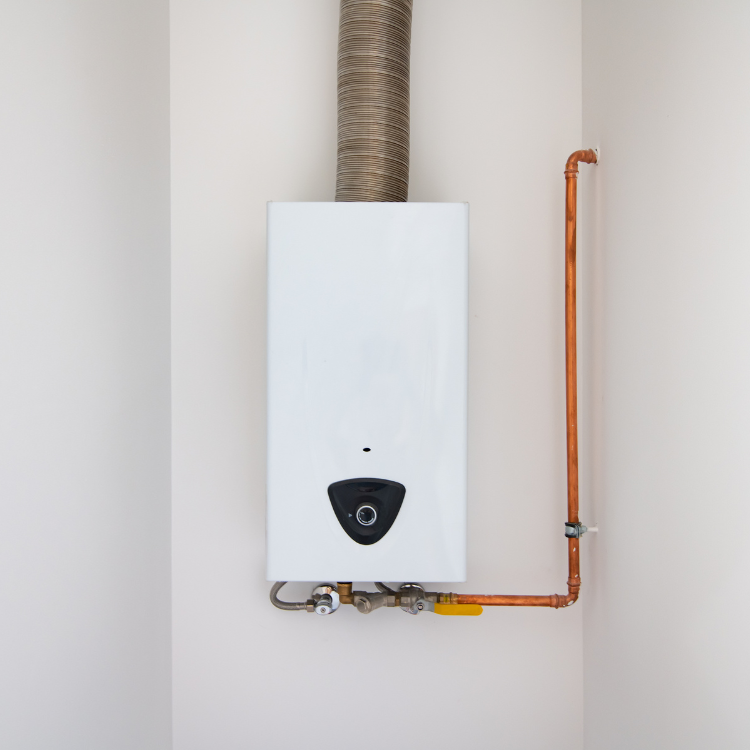
Tankless Water Heater Repair for Pilot and Ignition Issues
If your tankless water heater in Fort Worth is acting like it cannot “get going,” pilot and ignition problems are often the reason. This guide walks you through what to check, which symptoms point to real causes, and when it makes sense to call for professional leak detection and tankless water heater service.
You turn on the hot water in your Fort Worth home and expect the usual steady flow. Instead, the unit hesitates, clicks, or shuts down quickly. Sometimes you smell gas briefly, or you notice an error code. Other times, the water gets lukewarm before the heater gives up.
Because a tankless system relies on ignition to start heating, pilot and ignition issues can feel confusing and frustrating. This article helps you understand what those symptoms usually mean, what you can safely check first, and how a professional diagnosis can prevent repeat failures.
Quick Answer
If your tankless water heater will not ignite, starts and then shuts off, or fails to produce hot water, start by checking gas supply status, verifying the unit has power, and confirming water flow is sufficient to trigger the heater. If you notice repeated ignition attempts, error codes, or any gas odor, stop troubleshooting and contact a qualified plumber. For pilot and ignition issues, the safest next step is a professional tankless water heater repair diagnosis, because components like burners, ignition systems, and air intake pathways require careful inspection to restore reliable operation.
What to Check First
Before you assume the heater is “broken,” there are a few practical checks that often explain why ignition will not start. These checks also help you describe the problem clearly when you call All Source Plumbing.
Professional observation: Tankless units typically need the right combination of gas, air, and flow. If any one of those inputs is off, ignition can fail or the heater can shut down to protect itself.
1) Confirm power and thermostat demand
Many tankless models will not attempt ignition if the unit has no power or if the control board is not responding. Check whether the heater display is lit and whether the unit is receiving power. Then, confirm you are actually calling for hot water (for example, running a hot-water faucet at a reasonable flow rate).
2) Check water flow that triggers the heater
Tankless water heaters generally require adequate flow to activate. If you are testing with a barely open faucet, the unit may not respond. Try a different faucet and turn it on more fully. If hot water starts only when flow is higher, ignition problems may be tied to flow restrictions, sediment, or scale inside the system.
3) Verify gas supply and ventilation
If you have a gas tankless water heater, confirm the gas valve is open. Also check that nothing blocks the air intake or exhaust area. Do not remove sealed components, but you can look for obvious obstructions like debris or improper placement of venting components.
4) Look for error codes and what they suggest
Error codes can narrow the issue quickly. If your unit shows a code during ignition attempts, write it down. Even if you cannot interpret it, the code helps the technician focus on the most likely causes of tankless water heater repair.
Main Things Customers Should Understand
Pilot and ignition problems can look similar on the surface, but the causes often differ. Below are the most common categories of issues that impact tankless water heater service, especially in Fort Worth homes.
Ignition system faults
Components responsible for sparking and ignition can wear over time, especially if the unit is exposed to dust or if combustion air paths are restricted. Symptoms can include repeated clicking, no flame, or quick shutdown.
Burner and combustion issues
If burners are dirty or combustion is uneven, ignition may fail. This can also lead to poor heating performance even after the unit lights.
Air intake or exhaust restrictions
Tankless systems need proper airflow. Inappropriate venting conditions or blocked intake/exhaust pathways can stop ignition or trigger shutdown for safety.
When it is not only an ignition problem
Sometimes ignition issues are triggered by something else, such as restricted flow due to scale buildup or a failing water filter. If your heater struggles to start during certain faucets or only after long periods of inactivity, the problem can be tied to system cleanliness or water-side restrictions.
Practical recommendation: If you suspect mineral buildup or repeated shutdowns, ask about tankless water heater maintenance and service steps that include inspection of ignition-related components and system condition checks. Addressing the underlying cause reduces the chance of recurring ignition failures.
Why this matters in Fort Worth, TX
Fort Worth homes vary widely in age, pipe materials, and how they have been maintained over time. Many properties also have hard-working plumbing systems that run continuously for showers, laundry, and dishwashing. When a tankless water heater in Fort Worth begins to fail ignition, the issue often shows up during everyday demand, not during a planned test.
In addition, seasonal changes can influence how often occupants notice hot-water interruptions. If you are troubleshooting in colder stretches, the unit will be asked to heat more consistently, which can make ignition faults easier to detect. If your heater is producing inconsistent hot water, pairing tankless water heater repair with broader plumbing diagnostics can help you avoid chasing symptoms instead of causes.
For customers who are also noticing moisture, wet drywall, or damp spots near plumbing runs, it is worth considering related leak detection. Hidden water leak detection can be important because water intrusion around fittings can contribute to corrosion and component failures over time.
Need help diagnosing pilot and ignition issues?
All Source Plumbing can inspect your tankless water heater symptoms and recommend the right repair path. If you also suspect water leak detection concerns, we can help you connect the dots.
Call All Source Plumbing: (682) 760-4912Common Mistakes to Avoid
When tankless water heater ignition problems show up, it is tempting to keep cycling power or repeatedly turning hot water on and off. Those habits can make it harder to diagnose the real issue and can increase wear on ignition parts.
- Keep testing with the same low-flow faucet: If the heater will not trigger reliably, it can appear like an ignition failure even when the flow demand is too low.
- Ignore error codes and restart attempts: Codes are clues. Repeated ignition attempts can mask the cause and lead to more frequent shutdowns.
- Assume it is always the ignition component: Blocked air paths, burner contamination, or water-side restrictions can cause no-ignite symptoms.
- Overlook signs of moisture nearby: If you see dampness around water lines, do not treat the heater problem as the only issue.
- Skip professional leak location service when needed: Hidden Water Leak Detection is designed to identify where water is going before you start removing finishes.
Customer Checklist
Use this checklist before you call. It will help All Source Plumbing narrow down pilot and ignition causes faster.
- Record the error code (exact characters) shown during ignition attempts.
- Note whether the heater clicks, sparks, or attempts ignition repeatedly.
- Confirm gas valve position (open or closed) and whether the unit has power.
- Test at two faucets and note which one triggers the heater reliably.
- Check for obvious blockage at air intake or exhaust areas.
- Look for any moisture near supply lines, fittings, or nearby walls.
- Tell us when the problem started and whether it happened after maintenance or plumbing work.
Representative scenario (anonymized)
A Fort Worth homeowner reported that their tankless water heater would “try to start” but never produce hot water consistently. The unit would attempt ignition several times, then shut down. The homeowner noticed the issue was more frequent when using a single bathroom faucet at low flow.
During the inspection, the technician verified gas supply status, confirmed the unit responded to hot-water demand, and reviewed ignition behavior alongside system conditions that can affect flow activation. The end result was a repair focused on restoring reliable ignition and improving the unit’s ability to operate under normal household demand.
Frequently Asked Questions
Why does my tankless water heater click but not ignite?
Clicking with no flame often points to an ignition sequence that is not completing. Common causes include issues with the ignition system, burner condition, or restricted combustion air. It can also happen if the heater is not receiving enough demand to start heating, such as low faucet flow. If you have an error code, write it down and stop repeated reset attempts so a technician can diagnose the exact stage where ignition fails.
Can low water flow cause tankless ignition problems?
Yes. Tankless water heaters typically need adequate flow to trigger the heating cycle. If you test with a partially open faucet, the unit may not sense enough demand and may not ignite. Even when the faucet is turned on, mineral buildup or restrictions can reduce flow at the heater. A professional inspection can determine whether the issue is flow-related, water-side buildup, or strictly ignition and combustion components.
What should I do if I smell gas while troubleshooting?
If you notice a gas odor, stop troubleshooting and do not continue repeated ignition attempts. Gas smells should be treated seriously because ignition issues can sometimes coincide with unsafe conditions. Contact a qualified professional immediately. When you call All Source Plumbing, share what you noticed, whether any error codes appeared, and which fixtures were running when the odor occurred.
How is tankless water heater repair different from a standard water heater?
Tankless systems heat water on demand and rely on ignition and combustion control each time hot water is requested. That means pilot and ignition problems can show up as no hot water, short bursts, or shutdowns. In addition, tankless units can be more sensitive to flow conditions and venting. Repairs often involve careful inspection of ignition components, combustion pathways, and water-side factors that influence start-up behavior.
Could a hidden water leak make ignition problems worse?
A hidden water leak can create moisture near plumbing runs and contribute to corrosion or damage to nearby components. While a leak is not the most common direct cause of ignition failure, it can worsen overall system reliability. If you are seeing damp spots, recurring moisture, or unexplained water use, consider professional leak detection. If you also suspect slab-related issues, the right approach may include slab leak detection and slab leak location service.
Related services that often come up with tankless issues
If your tankless water heater symptoms are paired with plumbing concerns, these services can help address the broader picture. You can explore them directly:
- Tankless water heater repair and installation
- Water heater repair and installation
- Leak location and repair
- Slab leak location and repair
- Water filter and softener repair or installation
Get your Fort Worth tankless heater back to reliable hot water
When pilot and ignition issues keep returning, a careful diagnosis is the fastest way to avoid repeated start-up failures. All Source Plumbing can evaluate your tankless water heater symptoms and recommend next steps based on what is found.
Contact All Source Plumbing