
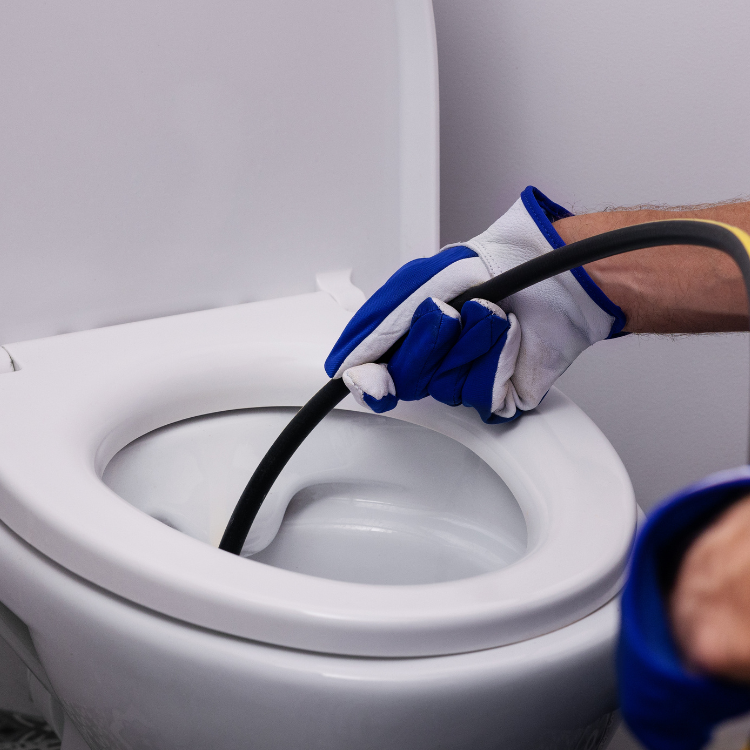
If your toilets gurgle, sinks drain slowly, or multiple fixtures back up at once, the main line may be partially blocked or damaged. This guide helps you understand what typically causes main drain line problems, what you can check safely, and when it is time to call All Source Plumbing in Fort Worth, TX.
Last night, everything seemed fine. This morning, the kitchen sink is draining slower than usual, and when you flush the toilet, you hear a low gurgling sound from the drains.
In many Fort Worth homes, that combination is a clue that the issue is not just one clogged fixture. A main line blockage or related drain pipe problem can cause backups across multiple plumbing fixtures, and it can worsen quickly if you keep forcing water through the system.
Below, you will learn how to identify likely main line symptoms, what to check first without making things worse, and how drain cleaning, inspection, and drain repair or drain line replacement decisions are typically made.
Quick Answer
If multiple drains are slow or backing up together, treat it as a possible main drain line blockage or a damaged section of drain pipe. Start by limiting water use, checking for obvious clogs at fixtures, and paying attention to gurgling or bubbling in drains. If the problem returns quickly or involves toilets and more than one sink or shower, you should have the line inspected and cleaned rather than repeatedly trying harsh drain treatments. All Source Plumbing can help assess the root cause and recommend drain repair or drain line replacement when needed, starting with proper diagnostic steps.
What to Check First
Before you call, you can gather a few helpful details that will speed up diagnosis. These checks focus on safety and on avoiding anything that could make a main line issue harder to clear.
1) Watch the pattern
Does one fixture act up, or do toilets and multiple sinks share the same symptoms? Simultaneous slow drainage and gurgling often points toward the main line or a shared section of drain pipe.
2) Listen for gurgling
If you hear gurgling when water goes down a sink or shower, that can indicate air trapped by partial blockage farther down the line.
3) Check for slow-to-drain clues
Notice whether water is draining slowly, backing up, or draining briefly and then stalling again. The “briefly then stops” pattern can suggest a blockage that becomes obstructed again as more water flows in.
If you have already tried basic fixture-level clearing and the symptoms persist, the next step is usually diagnostic drain cleaning that targets the line itself. For related work, you can also review drain cleaning services to understand how professional cleaning differs from repeated home attempts.
Main Things Customers Should Understand
Main line drain problems often fall into two buckets: stoppages that can be cleared, and damaged drain pipes that need repair or replacement. Knowing which category you are dealing with can help you avoid unnecessary repeat cleanings.
Professional observation: A clog that keeps returning after cleaning can mean the line has a structural issue or a recurring obstruction point. In that case, clearing alone may not solve the underlying problem.
Symptoms that can suggest a main line blockage
- Toilet gurgling when other fixtures drain.
- Multiple drains backing up around the same time.
- Slow draining across the home, not just one bathroom or sink.
- Water pooling or foul odors near drain areas.
Symptoms that can suggest drain pipe damage
- Blockages that do not fully clear during cleaning attempts.
- New backups that reappear quickly after the line is cleared.
- Signs that the line may be shifted, cracked, or otherwise compromised, especially when backups are persistent.
How the repair plan is typically decided
When All Source Plumbing evaluates a main line issue, the goal is to match the right fix to the root cause. Depending on what is found, solutions may range from hydro jet drain cleaning to sewer drain repair or, in some situations, trenchless sewer replacement.
| What you notice | Most likely category | Common next step |
|---|---|---|
| Single fixture is slow, other drains are normal | Fixture-level clog or localized issue | Targeted cleaning at the fixture and nearby drain run |
| Toilets and multiple sinks show slow drainage together | Main line partial blockage | Line-focused drain cleaning and inspection |
| Backups return shortly after cleaning | Likely recurring obstruction or damaged drain pipe | Further evaluation to determine repair versus replacement |
| Frequent backups with signs of compromised line condition | Potential sewer drain repair or replacement need | Repair planning based on what is found in the line |
Why This Matters in Fort Worth, TX
In Fort Worth, many residential and commercial properties are older or have had multiple plumbing updates over the years. That means drain systems can include different materials, transitions, and long underground runs. When a main line blockage forms, it can affect several fixtures at once because those drains share a common path.
Another practical factor is how people use water year-round. Even when the weather changes, daily routines such as laundry, dishwashing, and frequent toilet use can increase flow and push a partially blocked main line closer to a full backup. If you notice the same symptoms repeating, it is usually better to address the root cause rather than only clearing the surface problem.
Need help diagnosing a main line blockage?
If toilets gurgle and multiple drains are slow in Fort Worth, TX, contact All Source Plumbing so the line can be inspected and cleaned with the right approach.
Contact All Source PlumbingCommon Mistakes to Avoid
Main line drain issues can get worse fast. Here are common mistakes homeowners and property managers make, and why they can lead to bigger problems.
- Keeping water running after you notice backups.
- Relying on repeated harsh drain chemicals when multiple fixtures are affected. This can complicate diagnosis and may not clear a blockage farther down the line.
- Assuming it is only a single clogged drain when toilets and sinks share symptoms.
- Trying to “force it” with repeated flushes during an active blockage. That can increase the chance of overflow or a complete backup.
- Ignoring the pattern of “clears briefly, then comes back.” That is often a sign the underlying issue is not just a one-time stoppage.
Customer Checklist
Use this checklist to prepare for a professional drain repair visit. It will help All Source Plumbing understand what is happening and focus on the most likely cause.
- Identify which fixtures are affected (toilets, showers, sinks, laundry).
- Note whether symptoms started suddenly or gradually.
- Record any gurgling, bubbling, or water backing up when other drains are used.
- Check whether the problem returns after a brief period of improvement.
- Confirm if the issue is happening at specific times of day or during heavy water use.
- Tell the technician about any recent plumbing work or cleanouts you attempted.
Representative scenario: a shared-line backup in Fort Worth
A Fort Worth homeowner noticed that both the bathroom sink and the toilet drained slower than usual. After flushing, the toilet produced gurgling noises, and the sink water would not clear right away. Instead of treating it as a single clogged drain, the homeowner paused water use and called for a main line evaluation.
With the right diagnostic approach, the underlying cause was found along the shared drain path. From there, the repair plan focused on clearing the blockage and addressing the conditions that allowed it to recur.
Frequently Asked Questions
How can I tell if it is a main line blockage versus a clogged fixture?
Main line blockage symptoms often show up across multiple fixtures. If toilets gurgle and sinks or tubs drain slowly at the same time, that pattern can point to a shared section of drain pipe. A fixture-level clog usually stays limited to one drain. If the issue keeps returning after basic clearing, it is a strong sign that the root cause is farther down the line and may require drain repair or drain line replacement decisions.
Is drain cleaning enough, or do I need drain repair or replacement?
Sometimes drain cleaning resolves the problem, especially when the obstruction is temporary or located in a reachable section. However, if backups return quickly or clearing does not fully restore flow, the line may have damage or a recurring obstruction point. In those cases, the technician may recommend sewer drain repair or, when appropriate, trenchless sewer replacement to address the condition found in the pipe rather than repeating cleanup only.
What does hydro jetting do for main line blockage issues?
Hydro jet drain cleaning is designed to clear buildup and blockages inside the drain line using high-pressure water. For main line problems, it can help remove material that is contributing to restricted flow. Whether hydro jetting is the right step depends on the condition of the line and what is found during inspection. If there is structural damage, cleaning may be paired with repair planning instead of being the only solution.
What should I do right now if my toilet is backing up?
Reduce water use immediately to prevent overflow and further backup. Avoid repeated flushing while the line is actively obstructed. If a backup is ongoing, the safest approach is to contact All Source Plumbing for a professional evaluation of the main line. The goal is to clear the blockage correctly and identify whether the drain pipe needs repair, so the issue does not return.
Can a main drain line problem be related to other plumbing issues?
Sometimes drain symptoms overlap with other plumbing concerns. For example, if you suspect leaks near the foundation or slab, that is a different category than a clogged main drain line. If you are seeing signs consistent with water leak detection, you may want to review related services such as slab leaks or water, sewer, and gas diagnostics to ensure the right issue is addressed.
Get the right drain repair plan for your main line
If you are dealing with main drain line repair, drain repair service needs, or drain line replacement decisions in Fort Worth, TX, All Source Plumbing can help you move from guesswork to a clear, practical plan.
(682) 760-4912