
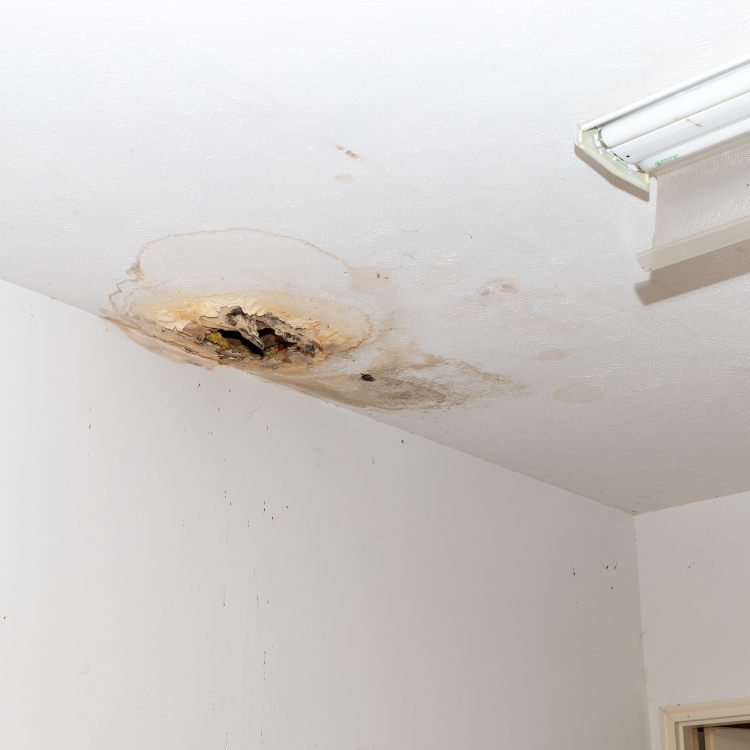
Slab Leak Location Monitoring: Detect Early Before Damage Grows
On a quiet street in Keller, a homeowner notices a slightly warm spot on the living room floor and a water bill that’s 30% higher than usual. No visible leaks. No running toilets. A week later, hairline cracks appear across the tile. By the time a plumber is called, a slab leak has been quietly washing away soil under the foundation for weeks—and the repair bill is now in the thousands.
This story is more common in North Texas than most people realize. Our shifting clay soils, extreme temperature swings, and aging underground plumbing make slab and foundation leaks a serious risk for both homes and businesses. Industry data shows water leaks can waste up to 10,000 gallons a year in a typical home, and foundation-related repairs in Texas routinely run from $5,000 to $15,000 or more.
This guide explains how slab leak location monitoring works, why early detection matters so much in Keller and surrounding areas, and how professional leak detection can save you from major structural damage and unexpected costs. You’ll learn what to watch for, how pros actually find under-slab leaks without tearing up your floors, and what repair and prevention options you have.
Key Insight: The earlier a slab leak is found, the more likely you are to repair it with minimal disruption, lower cost, and far less risk to your foundation.
Why Slab Leaks Are So Dangerous in Keller’s Soil and Climate
Slab leaks aren’t just “another plumbing issue.” Under a concrete slab, water has nowhere to go but into the soil and your foundation. In North Texas, that combination can escalate quickly.
Keller and much of Tarrant County sit on expansive clay soil. This soil swells when wet and shrinks when dry. A hidden leak under your slab keeps part of the soil constantly saturated, while the rest of the foundation area dries and contracts. That creates uneven movement, which is what leads to:
- Cracks in walls, ceilings, and floors
- Doors and windows that suddenly stick
- Gaps between baseboards and flooring
- Sloping or uneven floors
“Water is the number one enemy of a slab-on-grade foundation. Left unchecked, it will move soil and concrete—every time.” — Structural Repair Consultant, DFW
We regularly see this play out in Keller neighborhoods built in the 1980s–2000s. A small under-slab leak from a hot water line might start as a faint warm spot. Over a few months, that constant moisture softens the soil. By the time homeowners see significant cracks or separation, the damage under the slab has already grown.
The financial impact can be severe:
- A timely Professional Leak Detection and targeted repair might cost a fraction of a full foundation repair.
- Ignored, that same leak can contribute to structural issues that are far more expensive than the plumbing work itself.
CALLOUT: The risk isn’t just the cost of water—it’s the long-term impact on your foundation and the value of your property.
Because Keller experiences both drought and heavy rains, the foundation is already under stress. Add a hidden slab leak and you get a perfect storm. That’s why early residential leak detection and commercial leak detection are so critical here.
How Pros Actually Find Slab Leaks Without Tearing Up Your Home
Many homeowners picture leak detection as guesswork with a jackhammer. Modern slab leak detection is the opposite. Skilled technicians use specialized tools and methods to pinpoint leaks under concrete with minimal disruption.
At All Source Plumbing, a typical Slab Leak Location visit might include:
- Acoustic listening equipment – Sensitive microphones “listen” for the sound of water escaping under the slab.
- Thermal imaging cameras – These detect temperature differences in flooring that can indicate a hot water leak.
- Pressure testing & isolation – Sections of your plumbing system are isolated and pressurized to locate pressure loss.
- Tracer gas or dye testing – In some cases, harmless gas or dye helps track water movement in hard-to-access areas.
Example: Non-destructive detection in a Keller kitchen
A Keller family called us after noticing warm tile and constant cycling of their water heater. Instead of cutting into the slab immediately, we:
- Performed a whole-home Water Leak Detection using hydrostatic testing on the sewer and pressure testing on water lines.
- Used acoustic listening to narrow the leak to a hot water line under the kitchen.
- Verified the location with thermal imaging, confirming a concentrated heat pattern in a 2’ x 2’ area.
We were able to open a small section of slab directly above the damaged pipe and complete a concrete slab leak repair in a single visit. The homeowners avoided tearing up half their kitchen and saved thousands compared to a “search and destroy” approach.
CALLOUT: Modern, non-destructive slab leak detection is about precision—knowing exactly where to open the slab, and just as importantly, where not to.
Monitoring vs. One-Time Checks: Building a Leak Detection Strategy
One-time Water Leak Detection is valuable, but for many Keller homes and commercial properties, a monitoring mindset is even more important. Think of it like regular checkups instead of only going to the doctor in an emergency.
Why monitoring matters in Keller
- Older neighborhoods often have original copper or galvanized lines under the slab.
- High water pressure (common in some parts of North Texas) stresses pipes and joints.
- Seasonal soil movement can cause new leaks even after a repair.
Property owners who’ve already had one slab leak are especially at risk. We frequently see a second leak appear within a few years in a different area of the slab if the system as a whole isn’t evaluated.
“Once a slab system starts to fail in one spot, it’s a signal to look more closely at the entire network of lines.” — Senior Plumbing Technician, All Source Plumbing
Ways to “monitor” for under-slab issues
- Periodic hydrostatic testing of sewer lines, especially in older homes
- Annual whole-home plumbing inspections
- Water bill and meter monitoring for unexplained usage
- Smart leak detection devices in mechanical rooms or near main lines
For commercial properties—restaurants, offices, retail spaces—scheduled Leak Location Service can be built into routine maintenance. One Keller office park avoided a potential slab failure after scheduled testing revealed a slow under-slab sewer leak that had not yet surfaced inside the building.
Traditional vs. Modern Slab Leak Approaches: Cost, Damage, and Downtime
Property owners often don’t realize how different modern slab leak detection service is from older, more invasive methods. The approach your plumber uses can dramatically affect cost, damage, and downtime.
Comparison: Old vs. New Approaches
| Approach | Traditional “Search & Break” | Modern Non-Destructive Detection |
|---|---|---|
| Detection method | Guesswork, multiple slab cuts | Acoustic, thermal, pressure, tracer gas |
| Damage to flooring | High – multiple holes | Low – 1 targeted access point in most cases |
| Time to locate leak | Hours to days | Often 1–3 hours |
| Accuracy | Moderate | High – within inches of actual leak |
| Overall repair cost (Keller avg) | Higher due to demolition & restoration | Lower due to minimal demolition |
| Business downtime | Longer (days) | Shorter (often same-day repair) |
A Keller restaurant we worked with is a good example. Their main sewer line under the dining area failed. A traditional approach would have meant tearing up a large section of the floor, closing for several days, and then paying for extensive tile replacement.
Instead, we:
- Performed targeted Sewer Drain Repair after isolating the break with cameras and hydrostatic testing.
- Used trenchless techniques where possible, combining small access points with pipe lining.
- Limited closure time to a short, scheduled window instead of an open-ended shutdown.
CALLOUT: The cheapest quote up front isn’t always the least expensive solution once you factor in flooring, downtime, and restoration.
From Detection to Repair: What Happens After a Slab Leak Is Found
Finding the leak is step one. A smart, minimally invasive repair plan is step two. In Keller, where many homes have similar slab-on-grade construction, we typically consider several options once we’ve pinpointed a leak.
Common slab leak repair strategies
- Direct access and repair – Open the slab above the leak, repair or replace the affected section of pipe, and patch the concrete.
- Rerouting (bypass) – Abandon the leaking under-slab section and run new lines overhead through walls/attic.
- Trenchless methods – For sewer and drain lines, use lining or bursting to repair or replace pipes with minimal digging.
For example, during a recent Slab Leak Repair in a Keller home, we found multiple weak spots in an older hot water line. Instead of repairing just the visible leak, the homeowner chose to reroute the line through the attic. That eliminated several future risk points under the slab.
“Repairing the pipe is one thing. Reducing future risk is where real value shows up for the homeowner.” — All Source Plumbing Project Lead
Cost vs. risk: making the right choice
Homeowners often face a decision:
- Repair a single failed section (lower immediate cost)
- Upgrade or reroute to reduce the chance of future leaks (higher upfront, lower long-term risk)
This is where a trusted plumber should explain:
- Age and material of existing pipes
- Likelihood of additional failures
- Access challenges and how they affect cost
For sewer issues, we may recommend Trenchless Sewer Replacement instead of repeated spot repairs. Over time, that can be more cost-effective and far less disruptive to yards, driveways, and landscaping.
Integrating Slab Leak Protection Into Your Overall Plumbing Health
Slab leak location monitoring works best as part of a broader plumbing strategy. A healthy plumbing system—from water heater to drains—reduces the stress on under-slab lines and makes early warning signs easier to spot.
Key areas that affect slab leak risk
- Water pressure – Excessive pressure accelerates wear on under-slab pipes.
- Water quality – Hard or aggressive water can corrode certain pipe materials.
- Drain performance – Frequent backups may signal under-slab sewer problems.
- Water heater function – Constant cycling or leaks can mask other water usage issues.
For instance, upgrading to a Tankless Water Heater can provide several indirect benefits:
- More stable hot water delivery makes it easier to notice unusual temperature spots on the floor.
- Reduced risk of tank leaks flooding the slab area.
- Better overall efficiency and control, which helps you spot unusual water or energy usage trends.
Likewise, regular Drain Cleaning Services and, when needed, Hydro Jet Drain Cleaning keep sewer lines clear and make it easier to distinguish between a simple clog and a more serious under-slab break.
By tying slab leak detection near me into a comprehensive maintenance plan—covering fixtures, piping, and even General Plumbing Repairs—Keller property owners can significantly reduce their risk of surprise plumbing emergencies.
What This Means for Businesses in Keller, TX
For Keller businesses, slab leaks are more than a home maintenance issue—they can disrupt operations, damage inventory, and impact your reputation.
- Restaurants and food service – Under-slab leaks can undermine kitchen floors, create sanitation concerns, and cause sewer backups. Early Water Sewer Gas Diagnostics keeps you compliant and operational.
- Retail and office spaces – Moisture under flooring can lead to warped surfaces, trip hazards, and mold risks. Proactive commercial leak detection helps avoid insurance claims and tenant complaints.
- Warehouses and light industrial – Heavy loads on a compromised slab can accelerate structural damage, turning a small leak into a major safety issue.
Keller’s growing commercial corridors along Keller Parkway and Rufe Snow are filled with slab-on-grade buildings that depend on stable foundations and reliable plumbing. Because many of these structures were built during similar development booms, their under-slab systems are aging at roughly the same rate.
For business owners, the case for proactive slab leak monitoring is straightforward:
- Protect revenue by avoiding unplanned closures.
- Control costs by catching leaks before they undermine structural components.
- Show tenants and customers you’re committed to a safe, well-maintained property.
Scheduling periodic Foundation Leak Detection, especially if your building has a history of plumbing issues or foundation movement, is a small investment compared to the cost of a major repair or extended downtime.
Frequently Asked Questions
Q: How can I tell if I have a slab leak in my Keller home or business?
A: Common warning signs include unexplained increases in your water bill, the sound of water running when all fixtures are off, warm or damp spots on floors, cracks in walls or tile, and areas of mildew or musty odors. In some cases, you might notice that your water heater or Water Heater runs more than usual. If you suspect a hidden issue, a professional Leak Detection service can confirm whether you’re dealing with a slab leak, a fixture problem, or another type of hidden water leak. Early hidden water leak detection is crucial in Keller, where soil movement can quickly turn a small leak into a foundation concern.
Q: How accurate is non-destructive slab leak detection?
A: Modern non-destructive slab leak detection is very precise when performed by experienced technicians using multiple tools. By combining acoustic listening, thermal imaging, and pressure testing, we can usually locate a leak within inches of its actual position. That means only a small section of slab or flooring needs to be opened, significantly reducing repair time and restoration costs. Our Slab Leak Detection methods are designed specifically for slab-on-grade homes and businesses common in Keller and the greater DFW area, where minimizing disruption is a priority.
Q: Is it better to repair the leaking pipe or reroute it entirely?
A: It depends on the age and condition of your plumbing, the location of the leak, and your long-term plans for the property. A single, isolated leak in otherwise healthy piping can often be addressed with a direct slab leak plumbing repair at the leak point. However, if your pipes are older, corroded, or have a history of issues, rerouting the line above the slab can be a smarter long-term choice. During a Piping & Repiping consultation, we’ll explain the pros and cons of direct repair vs. reroute so you can balance upfront cost with future risk.
Q: Will my insurance cover slab leak detection and repairs?
A: Coverage varies by policy, but many homeowner and commercial policies treat foundation leak detection and repair differently than damage caused by the leak. Some policies may cover access and repair of the leaking pipe, but not the full cost of restoring flooring or addressing long-term foundation movement. Because Keller properties are especially vulnerable to soil-related issues, we recommend reviewing your policy and asking your agent specifically about concrete slab leak repair and under-slab plumbing. We can provide detailed documentation and photos from our Leak Detection Near Me services to support any claim you file.
Q: How long does slab leak location and repair usually take?
A: Most Slab Leak Detection Near Me visits take a few hours, depending on the complexity of the plumbing system and how many lines need to be tested. Once the leak is located and a repair strategy is chosen, many slab leak repair service jobs can be completed in a day, especially if we’re doing a targeted repair. More extensive projects, such as Sewer Drain Repair or trenchless replacement, may take longer but are still far faster and less disruptive than older “tear-out and replace” methods. We always discuss timelines up front so you can plan around any temporary water shutoffs or access needs.
Q: Are tankless water heaters a good idea if I’m worried about slab leaks?
A: While a tankless water heater doesn’t prevent slab leaks directly, it can be part of a smarter plumbing setup. Tankless units reduce the risk of large storage tanks leaking near the slab and make hot water delivery more consistent, which can help you notice unusual hot spots on floors sooner. During Tankless Water Heater Installation or Tankless Water Heater Service, we can also evaluate your hot water lines and discuss whether any under-slab sections should be rerouted or upgraded as part of a broader risk-reduction plan.
Q: What should I do if I suspect a leak after hours or on a weekend?
A: If you notice strong signs of a slab or foundation leak—such as significant water pooling, rapid meter movement, or sudden sewer backups—turn off the main water supply if it’s safe to do so and contact an Emergency Leak Detection Service. In Keller, waiting until “regular business hours” can allow more water to erode soil under your slab or worsen damage to flooring and finishes. Our emergency team can assess the situation, stabilize urgent issues, and schedule full Under Slab Leak Detection and repairs as quickly as possible.
Ready to Get Started?
Slab leaks rarely fix themselves. The longer they’re left alone, the more they quietly wash away soil, stress your foundation, and increase your repair costs. In Keller’s challenging clay soils, that process can move faster than many property owners realize.
If you’ve noticed warning signs—a spike in your bill, warm or damp flooring, recurring drain issues, or new cracks—it’s time to act before damage grows. All Source Plumbing offers precise Slab Leak Detection, targeted repairs, and comprehensive plumbing diagnostics tailored to North Texas homes and businesses.
Next steps are simple:
- Schedule a professional leak assessment.
- Get a clear, written plan with options and costs.
- Choose a repair and monitoring strategy that fits your property and budget.
With years of experience serving Keller and the surrounding DFW communities, our licensed team understands local soils, building styles, and plumbing systems. We focus on accurate diagnosis, minimal disruption, and long-term reliability—so you can protect your foundation and your peace of mind.
About All Source Plumbing
All Source Plumbing is a locally owned, full-service plumbing company based in Keller, TX, serving residential and commercial clients across the greater DFW area. Our licensed technicians specialize in Slab Leak Detection, water and sewer diagnostics, trenchless solutions, and comprehensive plumbing repairs. With deep experience in North Texas soil and building conditions, we provide honest assessments, code-compliant work, and long-lasting solutions tailored to each property.