
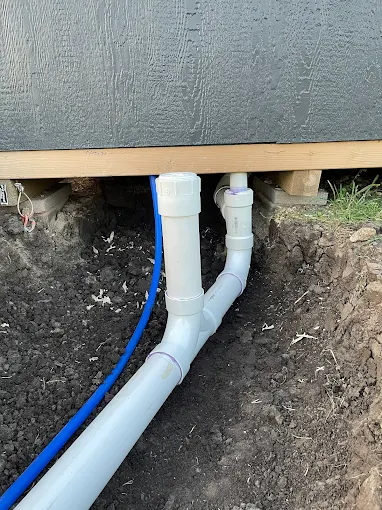
Leak Location Under Cabinets: Common Culprits Revealed
You open a kitchen or bathroom cabinet in your Keller home and notice the bottom panel is swollen, a faint musty smell, or a dark stain creeping across the wood. The sink above looks fine, the faucet isn’t obviously dripping—so where is the water coming from?
Hidden leaks under cabinets are one of the most common—and most expensive—plumbing issues we see across Keller, North Richland Hills, Southlake, and the surrounding communities. The Insurance Information Institute estimates that water damage and freezing account for nearly 1 in 4 home insurance claims nationwide. Many of those start as slow, hidden leaks that go unnoticed for months.
Under-cabinet spaces are dark, cramped, and often packed with cleaners, trash cans, or stored items—making them the perfect place for a small leak to stay out of sight until it causes serious damage. In this guide, you’ll learn the most common culprits, how professionals track down leak locations, what it means for your foundation and slab, and when to call in expert help before a minor drip turns into a major repair.
Key Insight: Most under-cabinet leaks are simple on the surface—but they can signal larger issues in your drain, supply lines, or even under-slab plumbing. Finding the true source quickly is the key to protecting your home and your foundation.
The Usual Suspects: Common Under-Cabinet Leak Sources
Under a sink or built-in cabinet, several different systems come together: pressurized water lines, drain piping, shutoff valves, and sometimes gas lines or filtration equipment. Any one of these can leak—but they don’t all behave the same.
In Keller homes, we most often trace under-cabinet leaks back to:
- Loose or degraded faucet supply connections
- Failing shutoff valves
- Cracked or poorly glued PVC drain fittings
- Leaking garbage disposals or dishwasher connections
- Deteriorated caulk or sink seals allowing water intrusion
A recent call in Old Town Keller is a good example. A homeowner noticed the bottom of her kitchen cabinet bowing and a faint mildew smell. She assumed it was a simple P-trap issue and kept tightening the trap herself. By the time she called us, the real problem turned out to be a tiny pinhole leak on a hot water supply line, spraying a fine mist against the back of the cabinet for weeks.
Because that line was under full pressure, the damage spread quickly: warped cabinet walls, ruined baseboard, and moisture wicking into the adjacent wall cavity.
Not every under-cabinet leak is obvious when the water is running. Some only appear:
- When the dishwasher drains
- When the garbage disposal vibrates
- When both hot and cold taps are on (thermal expansion issues)
- During high-use times (mornings, evenings, or guests)
This is why a structured, professional Leak Detection process matters. An experienced plumber won’t just tighten a fitting and leave; they’ll test the whole assembly under realistic use conditions.
CALLOUT: Under-cabinet leaks are often symptoms, not root causes. Fixing the drip without understanding the system behind it can lead to repeat failures and hidden damage.
When the Leak Isn’t in the Cabinet at All: Slab and Foundation Issues
Sometimes the water you see under your cabinet didn’t start there. In Keller and much of Tarrant County, many homes are built on concrete slabs with water and sewer lines running under the foundation. A leak in those lines can travel along the slab and emerge at seemingly random points—like the base of a kitchen or bathroom cabinet.
We see this pattern frequently:
- No obvious drip from visible plumbing
- Warm spots on the floor near the cabinet
- Slight increase in water bill
- Persistent dampness or musty odor inside lower cabinets
- Hairline cracks forming in tile or drywall nearby
In one Heritage Addition home, a homeowner called about a “mysterious cabinet leak” under a bathroom vanity. All visible plumbing checked out. Using Slab Leak Detection equipment, we traced the problem to a hot water line running under the slab that had developed a pinhole. Water followed the path of least resistance and wicked up through the slab at the vanity’s base.
“Water doesn’t respect room boundaries—it follows gravity, pressure, and the tiniest pathways through concrete and soil.” — All Source Plumbing Technician
To pinpoint these issues, we often combine:
- Pressure testing of the water system
- Hydro Static Testing of sewer lines
- Acoustic listening equipment and thermal imaging
- Test holes or non-invasive access points where needed
In Keller’s clay-heavy soils, slab movement is a fact of life, especially during drought-then-rain cycles. That movement can stress under-slab pipes, leading to small cracks or joint failures that show up as unexplained moisture in cabinets, at baseboards, or in the middle of a room.
If we confirm an under-slab issue, solutions range from targeted Slab Leak Repair at the leak point to full Water Line Slab Leak Repair or rerouting overhead to prevent future problems.
Drainage, Clogs, and Backups: The Hidden Role of Your Sewer Lines
Not all moisture under cabinets is from pressurized water lines. Drainage and sewer issues can also cause under-cabinet leaks—sometimes with no obvious “backup” in the sink bowl.
Common drain-related culprits include:
- Leaking P-traps or slip joint connections
- Cracks in PVC drain lines behind the wall
- Improperly sloped drains causing standing water and seepage
- Sewer gas pushing moisture back through weak seals
- Backups in the main line causing water to escape at the weakest point
We handled a case off Rufe Snow Drive where a homeowner noticed occasional water under the kitchen sink after running the washing machine. The kitchen sink never visibly backed up. After testing, we found that the main sewer line had a partial blockage. When the washing machine discharged, the sudden volume and pressure forced water to escape through a marginally sealed kitchen drain connection behind the cabinet.
To properly diagnose these issues, we may recommend:
- Camera inspection of drain and sewer lines
- Hydro Jet Drain Cleaning to clear heavy buildup
- Targeted Sewer Drain Repair where the line is cracked or bellied
- In more severe cases, Main Drain Line Repair or replacement using trenchless methods
Here’s a quick comparison of how traditional and modern approaches handle serious drain issues that may present as cabinet leaks:
| Approach | How It Works | Pros | Cons |
|---|---|---|---|
| Traditional Sewer Line Repair | Dig up yard/slab to access and replace pipe | Direct access, lower tech requirements | Major disruption, landscape damage, longer downtime |
| Trenchless Sewer Replacement | Pipe bursting or lining through small access points | Minimal digging, faster, preserves landscaping and hardscape | Not suitable for every line condition, specialized equipment |
In Keller’s established neighborhoods, we often favor trenchless methods to protect mature trees, driveways, and patios while still resolving the underlying problem causing those under-cabinet leaks.
Appliances, Filters, and Modern Plumbing Add-Ons
Today’s homes often have more equipment tucked under cabinets than ever before: water filtration systems, reverse osmosis tanks, instant hot water dispensers, and the connections that feed dishwashers, refrigerators, and even small tankless units.
Each connection point is a potential leak location.
We frequently see:
- Slow drips from filter housings or cartridge seals
- Cracked plastic tubing on older reverse osmosis systems
- Loose compression fittings to dishwashers or fridge lines
- Small leaks on under-sink recirculation or Tankless Water Heater units
A homeowner in Keller’s Marshall Ridge community called us after finding a puddle under her kitchen sink every few days. Towels would dry it up, but it always came back. The faucet and drain looked fine. The culprit? A hairline crack in the plastic housing of a 10-year-old under-sink filter that only leaked when the system cycled.
“Any component with a cartridge, gasket, or plastic body has a service life. Past that point, you’re rolling the dice on leaks.” — All Source Plumbing Service Manager
During under-cabinet inspections, we often recommend:
- Evaluating the age and condition of filtration equipment
- Considering upgrades to modern, more reliable Water Filter Softener Repair Installation systems
- Checking appliance hoses and connections for brittleness or corrosion
- Ensuring that any small under-sink heaters or recirculation pumps receive regular Tankless Water Heater Maintenance if applicable
Modern add-ons can greatly improve water quality and convenience, but they also increase the number of joints, seals, and components that need periodic inspection. In Keller’s hard-water environment, scale buildup can accelerate wear on these parts, making proactive checks even more important.
Spotting Trouble Early: Practical Signs Keller Homeowners Should Watch
Most serious water damage from under-cabinet leaks could have been avoided if the early warning signs were recognized and acted on. The challenge is that those signs are subtle, especially in busy households.
Here are key indicators we encourage Keller homeowners to check for monthly:
- Smell: Musty, earthy, or “old towel” odors when you open the cabinet
- Touch: Dampness, cool spots, or softening on the cabinet floor or back panel
- Sight:
- Discoloration or darkened wood
- Bubbling or peeling laminate
- Rust on metal supply lines or shutoff valves
- Mineral deposits or white crust around fittings
- Sound: Hissing, faint dripping, or running water when no fixtures are in use
- Bills: Unexplained increases in your water bill over a couple of cycles
A homeowner near Keller Pointe once told us he’d noticed a slight sag in the bathroom cabinet floor but ignored it because he never saw standing water. Months later, we were replacing the vanity, treating mold in the wall, and repairing a section of flooring that had rotted through. The original issue? A very slow drip from a compression fitting that could have been fixed in under an hour if caught early.
When we perform General Plumbing Repairs or annual inspections, we always:
- Operate all shutoff valves to ensure they move and seal properly
- Check visible supply and drain connections under each sink
- Look for early signs of corrosion or mineral buildup
- Test for small, intermittent leaks that might not be obvious to the eye
Early intervention is almost always cheaper and less disruptive than waiting for visible damage to force your hand.
Repair Options, Costs, and How Pros Minimize Damage
Once a leak location is found, the next question is: how invasive will the repair be, and what will it cost?
Under-cabinet leak repairs in Keller generally fall into three tiers:
- Minor repairs: Tightening or replacing fittings, small section of pipe, or a P-trap
- Moderate repairs: Replacing shutoff valves, sections of supply or drain lines, or damaged fixtures
- Major repairs: Under-slab leaks, extensive drain failures, or widespread water damage remediation
Here’s a simplified comparison of traditional versus modern approaches to fixing more serious underlying issues that may show up as cabinet leaks:
| Scenario | Traditional Fix | Modern / Best Practice Fix |
|---|---|---|
| Under-slab water line leak | Break slab at leak, patch pipe | Targeted Slab Leak Plumbing Repair or reroute line through attic/walls |
| Failing, corroded galvanized piping | Spot repair at leak points | Whole-home or zone Piping Repiping for long-term reliability |
| Recurrent drain leaks under sink | Replace same fittings repeatedly | Redesign drain layout, proper support, and slope; inspect main line |
In Keller, typical cost drivers include:
- Accessibility (tight cabinets, custom cabinetry, or stone backsplashes)
- Whether the leak is pressurized water vs. drain/sewer
- Need for Water Sewer Gas Diagnostics or camera inspections
- Extent of any under-slab or foundation involvement
Our goal at All Source Plumbing is always to:
- Identify the true root cause, not just the obvious drip
- Give you options, including short-term stopgaps vs. long-term solutions
- Minimize damage to cabinets, flooring, and finishes
- Coordinate with restoration contractors when needed
“Non-destructive testing and targeted repairs save homeowners money not just on plumbing, but on everything around it—cabinets, floors, drywall, and even furniture.” — All Source Plumbing Owner
What This Means for Businesses in Keller, TX
While this article has focused mostly on homes, under-cabinet and hidden leaks are just as critical—often more so—for local businesses in Keller.
Restaurants, salons, medical offices, and retail spaces typically have:
- Multiple sinks and fixtures in tight cabinetry
- High-usage restrooms and break rooms
- Toilet Repair Installation needs with heavy daily use
- Health, safety, and inspection requirements that make water damage a serious liability
A slow leak under a handwashing sink in a restaurant off Keller Parkway, for example, might not seem urgent at first. But if it leads to mold, warped cabinetry, or soft flooring, it can trigger health department concerns, failed inspections, or even temporary closures.
Commercial spaces also often hide plumbing in built-in cabinetry and millwork, making leak location more complex. That’s where professional Commercial Leak Detection and Emergency Leak Detection Service become vital. Quick, accurate diagnosis keeps downtime and disruption to a minimum.
For Keller businesses, the impact of an under-cabinet leak can include:
- Damaged inventory or equipment
- Slip hazards for staff and customers
- Mold concerns in public areas
- Higher water bills eating into operating budgets
Scheduling periodic plumbing inspections, especially in older buildings or high-traffic facilities, is one of the most cost-effective risk management steps a business can take. Identifying small leaks, aging shutoff valves, or marginal drain connections before they fail protects your brand, your staff, and your bottom line.
Frequently Asked Questions
Q: How do I know if an under-cabinet leak is just a small nuisance or a sign of a bigger problem?
A: The difference often comes down to the source and pattern of the moisture. A one-time spill or minor drip from a loose P-trap is usually localized and easy to correct. But recurring dampness, swelling wood, or musty odors—especially when you’re not actively using the sink—can indicate a pressurized line issue, under-slab leak, or drain problem elsewhere in the system. A professional Water Leak Detection service can pressure test your lines and use acoustic and thermal tools to determine whether you’re dealing with a simple fitting repair or a more serious hidden leak.
Q: My kitchen cabinet is wet, but I don’t see any dripping when the faucet is on. What should I check first?
A: Start by drying everything thoroughly and then running water through all related fixtures: faucet, sprayer, disposal, and nearby appliances like the dishwasher. Check around shutoff valves, supply line connections, and the underside of the sink rim. If the leak only appears after using another fixture (like a dishwasher or washing machine), it may be tied to your drain or main sewer line. In Keller homes, we often find these cases require camera inspection or Drain Cleaning Services to clear partial blockages that force water out at weak points under cabinets.
Q: Can an under-cabinet leak really come from a slab leak under my house?
A: Yes. We see this scenario regularly in slab-on-grade homes across Keller and North Texas. A small leak in a water line under the concrete slab can travel along the path of least resistance and emerge at the base of cabinets, walls, or even in the middle of a floor. Signs include warm spots on tile, hairline floor cracks, and rising water bills. Slab Leak Detection Near Me services use pressure testing, acoustic listening, and sometimes Under Slab Leak Detection on sewer lines to pinpoint the problem without unnecessary demolition.
Q: Is it safe to keep using my sink if I suspect a small leak under the cabinet?
A: It depends on the severity and source. If you see active dripping from a drain connection only when the sink is in use, you may be able to carefully limit use until a plumber arrives, placing a pan under the leak. However, if the cabinet floor is saturated, wood is swollen, or the leak appears to be from a pressurized line, it’s best to shut off the water at the nearest valve or main and call for Emergency Leak Detection Service. Continuing to use the fixture can rapidly increase damage to cabinets, flooring, and even your foundation.
Q: How often should I have my under-sink plumbing inspected in an older Keller home?
A: For homes over 20–25 years old, an annual visual inspection by a professional plumber is a smart investment, especially if you’ve noticed any past leaks, corrosion, or hard-water buildup. During a routine check, we’ll examine shutoff valves, supply lines, drains, and any under-sink equipment like filters or small heaters. If your home has a history of Foundation Leak Detection issues or shifting soils, we may also recommend periodic system-wide pressure tests to catch hidden problems early.
Q: Will homeowners insurance cover under-cabinet leak repairs and damage?
A: Policies vary, but many insurers distinguish between “sudden and accidental” damage (such as a burst pipe) and slow, gradual leaks. The plumbing repair itself may not always be covered, but resulting damage to cabinets, flooring, and walls often is—if you can demonstrate that you acted promptly once the issue was discovered. Professional documentation from a licensed plumber, including photos and findings from Water Leak Detection tests, can be valuable when filing a claim. Waiting months after noticing signs of moisture can make coverage more difficult.
Q: Are there upgrades that can reduce my risk of future leaks under cabinets?
A: Absolutely. Replacing old, rigid supply lines with braided stainless lines, upgrading corroded shutoff valves, and installing high-quality drains and traps are all smart moves. If your home has older galvanized or polybutylene piping, partial or whole-home Drain Pipe Repair or repiping can dramatically reduce leak risk. In some cases, we also recommend moisture sensors or smart leak detectors under critical cabinets, which can alert you (and sometimes even shut off water) at the first sign of trouble.
Ready to Get Started?
Under-cabinet leaks rarely fix themselves. The longer moisture lingers in dark, enclosed spaces, the more damage it can cause—to your cabinets, flooring, air quality, and even your home’s foundation. In Keller’s climate, with hot summers and shifting clay soils, a “small” leak today can quickly become a major headache tomorrow.
If you’ve noticed dampness, odors, warped wood, or unexplained water near your cabinets, now is the time to act. All Source Plumbing offers fast, precise Professional Leak Detection, from simple under-sink issues to complex Slab Leak Detection Service. Our licensed technicians use modern, non-destructive methods wherever possible to find the true source and give you clear repair options.
Next steps are simple:
- Call or schedule online for a diagnostic visit
- Show us what you’re seeing (photos help if the issue is intermittent)
- We’ll inspect, test, and present straightforward solutions with upfront pricing
All Source Plumbing is locally owned, familiar with Keller’s building styles and soil conditions, and available for both scheduled and Emergency Plumbing needs. Protect your home or business now so you don’t have to rebuild it later.
About All Source Plumbing
All Source Plumbing is a trusted, local plumbing company serving Keller, TX and surrounding communities. Our licensed, insured team brings years of hands-on experience in Residential Leak Detection, slab leak repair, drain and sewer services, and full-service plumbing for homes and businesses. We focus on accurate diagnostics, honest recommendations, and long-lasting repairs tailored to North Texas conditions. From under-cabinet leaks to complex foundation issues, we’re committed to protecting your property and your peace of mind.