
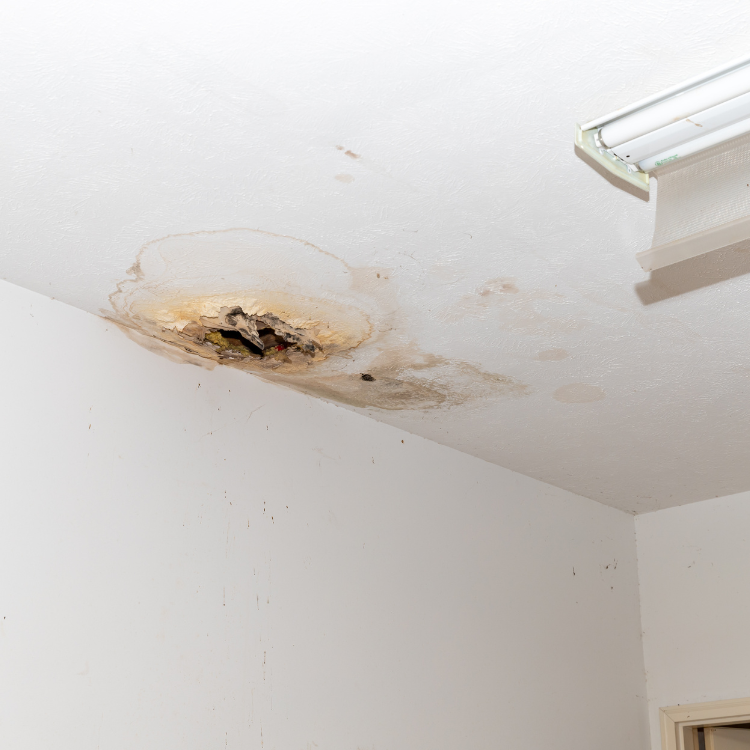
Slab Leak Location FAQs: What to Expect During Repair
A slow, hidden leak under your foundation can do more damage than a burst pipe you can actually see. In Keller and across Tarrant County, clay-heavy soils, aging plumbing, and foundation movement make slab leaks a real concern for both homes and businesses. Many property owners first notice a warm spot on the floor, a sudden spike in the water bill, or hairline cracks in tile and concrete and have no idea it points to a serious problem under the slab.
Industry data shows that undetected foundation leaks can waste thousands of gallons of water per month and contribute to costly structural damage over time. The good news: modern Slab Leak Detection and repair methods are far more precise and less invasive than they used to be—when done by an experienced local team.
This guide from All Source Plumbing walks you through what to expect during slab leak location and repair: the tools used, how plumbers minimize damage, timelines, costs, and how to protect your Keller property going forward.
Key Insight: Understanding the process before a technician arrives helps you make better decisions, avoid unnecessary damage, and get your property back to normal faster and with fewer surprises.
How Professionals Actually Find a Slab Leak Under Your Foundation
Most slab leaks in Keller don’t announce themselves with a dramatic flood. They often start as a subtle rise in your water bill, a faint hissing sound, or damp carpet along a wall. Because the pipes are buried under a concrete slab, accurate Hidden Water Leak Detection requires specialized tools and training.
Licensed plumbers use a combination of methods:
- Acoustic listening equipment to “hear” pressurized water escaping from pipes under the slab
- Electronic line tracing to map out the exact route of your water lines beneath the concrete
- Thermal imaging cameras to spot abnormal warm or cool spots caused by hot or cold water leaks
- Pressure and Hydro Static Testing to isolate which lines are compromised
On a recent Keller job near Bear Creek Park, a homeowner noticed a persistent warm patch in the hallway. Instead of breaking up the entire floor, our technician used acoustic equipment to narrow the leak to a small section of hot water line. Thermal imaging confirmed the location, and we were able to access the pipe with a single, focused opening in the slab.
“Non-invasive testing first, concrete cutting last.” — All Source Plumbing Technician
The goal of professional Slab Leak Location is to be as non-destructive as possible. The more accurate the location, the less concrete needs to be removed and the more cost-effective the repair tends to be.
What to Expect on the Day of Slab Leak Location and Testing
If this is your first experience with a foundation leak, the process can seem intimidating. Knowing what will happen during a Slab Leak Detection Service visit in Keller reduces stress and helps you plan your day.
A typical service call includes:
- Initial walkthrough and interview
The technician will ask about your symptoms: high bill, sounds of running water, warm floors, or low water pressure. They’ll inspect visible plumbing, fixtures, and areas of concern.
- Meter and pressure testing
They may shut off all fixtures and watch your water meter. If it continues spinning, that points to a hidden leak. Pressure tests on specific lines help determine whether the problem is on the hot, cold, or both.
- Advanced diagnostic tools
Using listening equipment, line locators, and thermal imaging, the plumber will narrow down the exact location of the leak under the slab.
- Discussion of findings and repair options
Before any cutting or excavation, you should receive clear explanations, photos (when possible), and repair recommendations with estimated timelines and costs.
On a small commercial office in Keller, for example, we performed Commercial Leak Detection early in the morning to minimize disruption. By 10 a.m., we had isolated a single leaking line in the breakroom area. The property manager was able to keep most of the office open while we worked in a contained space.
CALLOUT: Expect your water to be shut off for part of the visit. For homes, plan ahead with drinking water and bathroom breaks. For businesses, consider scheduling during slower hours or after closing.
Once the leak is located, the conversation shifts from “Where is it?” to “What’s the best way to fix it?” That’s where understanding repair options becomes critical.
Repair Options: Direct Repair vs. Reroute vs. Repiping
Not all slab leaks are treated the same way. Once the leak is pinpointed, your plumber will recommend the approach that best balances cost, long-term reliability, and disruption to your Keller home or business.
Here are the most common options:
1. Direct Slab Leak Plumbing Repair
- Break concrete directly above the leak
- Expose the damaged section of pipe
- Repair or replace that portion, then backfill and patch concrete
This is often used for newer plumbing systems with a single, isolated failure.
2. Reroute (Bypass) the Line
- Abandon the leaking section under the slab
- Run new piping through walls, ceilings, or attic spaces
- Connect to existing plumbing at both ends
Reroutes are common when soil movement or corrosion suggests more leaks may follow.
3. Partial or Whole-Home Piping & Repiping
- Replace aging or failing pipes in sections or throughout the building
- Often chosen for older homes with repeated slab leaks or galvanized piping
On a mid-1980s Keller home, we discovered multiple small leaks on the same hot water loop during Residential Leak Detection. Instead of repeatedly opening the slab for each new leak, the homeowner opted for a full hot water reroute through the attic. It cost more upfront but eliminated a cycle of ongoing repairs and concrete patching.
Here’s a quick comparison of direct repair vs. reroute:
| Approach | Typical Use Case | Pros | Cons |
|---|---|---|---|
| Direct Slab Leak Repair | Single leak, newer pipes | Lower initial cost, smaller work area | Still leaves pipes under slab; future leaks possible |
| Reroute (Bypass) | Recurring leaks, older homes, unstable soil | Moves pipes out of slab, easier future access | Higher upfront cost, may require wall/ceiling work |
Minimizing Damage: Modern vs. Old-School Slab Leak Methods
Decades ago, foundation leak repair often meant large-scale demolition: long trenches cut through living rooms, bathrooms, and hallways. That’s rarely necessary today when you use a professional Leak Location Service.
Modern best practices in Keller focus on:
- Non-destructive testing first
Tools like acoustic listening devices and thermal cameras reduce guesswork and cut down on unnecessary concrete removal.
- Targeted slab openings
Instead of opening long sections of floor, plumbers make focused cuts directly over the leak or access points.
- Trenchless options for sewer lines
For damaged sewer or drain lines under the slab, techniques such as Trenchless Sewer Replacement can rehabilitate or replace lines with minimal digging.
- Hydro jet cleaning before repair
If a slab leak is related to a failing or clogged drain, Hydro Jet Drain Cleaning can clear the line and allow cameras to fully inspect the damage before deciding on the best repair.
“Every cut in the slab should have a purpose, not be part of a guess.” — All Source Plumbing Project Manager
On a Keller retail space, the owner was worried we’d have to tear up half the showroom floor to access a leaking sewer line. Using cameras and hydro-jetting, we confirmed the damage was limited to a short section. With Sewer Drain Repair and a small, well-placed access point, we finished the job with far less disruption than the owner expected.
Here’s how traditional and modern approaches compare:
| Method | Traditional Approach | Modern Professional Approach |
|---|---|---|
| Leak Detection | Large exploratory cuts, trial-and-error | Electronic Slab Leak Detection, thermal imaging |
| Access to Pipes | Long trenches through multiple rooms | Small, targeted slab openings |
| Sewer Line Repair | Full excavation of slab and yard | Drain Line Replacement using trenchless methods |
| Impact on Property | High dust, noise, lengthy downtime | Shorter project times, contained work areas |
Timeline, Costs, and What Life Looks Like During Repair
One of the biggest concerns Keller property owners have is how long Slab Leak Repair will take and what it will cost. While every situation is different, there are some typical patterns.
Typical Timeline
- Leak detection and testing: 1–4 hours
- Simple direct repair: 1–2 days (including concrete patching)
- Reroute or partial repipe: 2–4 days
- Complex commercial projects: May require phased work over several days or weeks
For a Keller homeowner near Old Town Keller, we located a hot water slab leak on a Monday morning. By Tuesday evening, the pipe was repaired, concrete was patched, and hot water service restored. Flooring replacement was scheduled later with their contractor, but the plumbing portion was completed swiftly.
Cost Factors
Several variables influence pricing:
- Location and accessibility of the leak
- Type and age of piping material
- Whether the solution is direct repair, reroute, or repiping
- Need for additional services like Drain Cleaning Services or Water Treatment adjustments
- Extent of concrete and flooring restoration
While we don’t list flat rates online due to these variables, a professional estimate should break down:
- Diagnostic and Professional Leak Detection
- Repair labor and materials
- Concrete removal and patching
- Any optional upgrades or reroutes
During repair, expect some noise from cutting and jackhammers and temporary loss of water in certain areas. Most Keller families can remain in the home; businesses often stay open with limited access to the affected area.
Preventing Future Slab Leaks and Protecting Your Keller Property
Once you’ve experienced a slab leak, you never want to repeat it. While not every issue can be prevented—especially with older plumbing or shifting soil—there are practical steps Keller homeowners and businesses can take to reduce risk.
Regular Plumbing Maintenance
- Schedule periodic General Plumbing Repairs and inspections to catch small issues before they escalate.
- Have your water pressure checked; excessive pressure can stress under-slab pipes.
- Consider Water Filter & Softener solutions if your water quality is contributing to corrosion.
Smart Upgrades
- If you’re already upgrading fixtures or doing a remodel, it can be an ideal time to reroute vulnerable lines out of the slab.
- When replacing older water heaters, consider Tankless Water Heater Installation to reduce the risk of large tank failures and improve energy efficiency.
On a Keller remodel near the Keller Pointe, a homeowner chose to reroute several key lines through the attic while updating bathrooms and installing a New Water Heater. That proactive decision significantly lowered their future risk of under-slab leaks.
“An ounce of prevention in plumbing is worth a whole lot of concrete you never have to replace.” — All Source Plumbing Owner
Watch for Early Warning Signs
Keep an eye out for:
- Unexplained spikes in water usage
- Persistent damp or warm spots on floors
- Musty odors with no visible source
- New cracks in tile, walls, or foundation
- Sounds of running water when fixtures are off
Early Emergency Leak Detection Service can often catch a problem before it becomes a major structural or mold issue.
What This Means for Businesses in Keller, TX
For Keller businesses—restaurants, medical offices, retail, and professional spaces—a slab leak isn’t just a nuisance; it’s a potential operations and liability issue.
A hidden leak under your slab can:
- Undermine concrete floors and equipment pads
- Create trip hazards from heaving or settling slabs
- Lead to mold growth in walls and under flooring
- Force temporary closures if restrooms or key areas are affected
Local businesses near major corridors like Keller Parkway or Rufe Snow Drive often operate in multi-tenant buildings, where one suite’s plumbing problem can quickly impact neighbors. Fast, professional Commercial Leak Detection is critical to containing both damage and downtime.
Keller’s growth and ongoing construction also mean many commercial spaces have complex plumbing layouts, with multiple restrooms, breakrooms, and specialty fixtures. A tailored approach is needed:
- Restaurants and food service may require coordinated Drain Repair Service, grease line maintenance, and slab leak repair to meet health codes.
- Medical and dental offices must maintain strict hygiene and may need after-hours work to avoid disrupting patient care.
- Retail and office spaces often prioritize minimal floor and display disruption, making trenchless and targeted repair methods especially valuable.
Because many commercial leases assign plumbing responsibilities to tenants, understanding your rights and obligations is crucial. Promptly documenting issues and scheduling a professional inspection can help with negotiations between tenants, landlords, and insurers.
For Keller businesses, the bottom line is simple: quick action and expert repair can mean the difference between a manageable repair bill and a major disruption to your operations and reputation.
Frequently Asked Questions
Q: How do I know if I really have a slab leak or just a plumbing issue inside the walls?
A: Some symptoms overlap, but a few clues point strongly toward a slab leak. If you notice warm spots on hard floors, damp carpet near interior walls, or your water meter spinning when all fixtures are off, that often indicates an under-slab issue. Cracks in tile or concrete combined with high water bills are another warning sign. A professional Slab Leak Detection Near Me visit in Keller will include pressure testing and inspection to confirm whether the leak is under the slab, in walls, or at fixtures like toilets and sinks.
Q: Will you have to tear up my entire floor to fix a slab leak?
A: In most cases, no. Modern Non-Destructive Slab Leak Detection allows us to pinpoint the leak very accurately. That means we can usually access the pipe through a small, targeted opening in the slab or by rerouting the line through walls or the attic. For sewer or drain issues, options like Sewer Drain Repair using trenchless methods can further reduce floor damage. The goal is always to minimize disruption while ensuring a long-lasting fix.
Q: How long can I safely wait before repairing a slab leak?
A: Waiting is risky. Even a small under-slab leak in a Keller home can erode soil, weaken the foundation, and create conditions for mold growth. Over time, minor leaks often become major breaks, increasing both repair costs and property damage. Additionally, ongoing water loss can significantly increase your water bill. If you suspect a problem, schedule Leak Detection Near Me as soon as possible. Quick action can turn a potentially large structural issue into a controlled plumbing repair.
Q: Will my homeowners insurance cover slab leak repair and damage?
A: Coverage varies by policy, but many insurers in Texas will consider claims for sudden and accidental leaks, including some forms of Foundation Leak Repair. Typically, the plumbing repair itself may be partially covered, along with resulting damage to flooring and some structural elements. Wear-and-tear or long-neglected issues are less likely to be covered. We recommend reviewing your policy and contacting your agent. Our team can provide detailed reports, photos, and invoices that often help during the claims process.
Q: Can you perform slab leak detection and repair after hours for my business?
A: Yes. Many Keller businesses need Emergency Leak Detection Service or after-hours repairs to avoid disrupting customers and operations. We frequently schedule diagnostic work early in the morning or late in the evening, then plan repairs around your slowest times. For critical issues—such as a leaking main line or failed sewer under a restaurant or medical office—we prioritize rapid response to get you back in service safely and quickly.
Q: What if the leak is in my sewer or drain line, not my water line?
A: Sewer and drain leaks under the slab are handled differently from pressurized water leaks. Symptoms may include foul odors, slow drains, or recurring backups. We typically use camera inspections and Hydro Jet Drain Cleaning to locate and assess the damage. Depending on the severity, solutions may include spot Sewer Repairs or full Drain Line Replacement using trenchless methods when feasible. Early detection is key to preventing sinkholes, foundation issues, and extensive flooring damage.
Q: Are tankless water heaters more or less likely to cause slab leaks?
A: A properly installed Tankless Water Heater doesn’t inherently increase slab leak risk; in fact, it can reduce some stress on your hot water system. Because tankless units heat water on demand, they often operate with more consistent temperatures and can be paired with pressure regulation and water treatment. The pipes under your slab, however, are still subject to age, soil movement, and installation quality. If you’re upgrading to a Gas Tankless Water Heater or electric model, it’s a smart time to discuss the condition of your existing under-slab lines with your plumber.
Ready to Get Started?
Slab leaks don’t fix themselves, and the longer they’re ignored, the more they can quietly damage your Keller home or business. Early, professional Under Slab Leak Detection can mean the difference between a focused, manageable repair and a major foundation or mold problem.
If you’ve noticed unusual water bills, warm spots on the floor, or unexplained cracks, now is the time to act. All Source Plumbing’s local team combines advanced diagnostic tools with years of experience working on Keller’s unique soil and foundation conditions. From precise Leak Detection to targeted Slab Leak Repair Service, we focus on solutions that protect your property, budget, and peace of mind.
We’ll walk you through every step, provide clear options, and coordinate with other trades or your insurance when needed. Whether you need residential help or support for a busy commercial property, we’re ready when you are.
About All Source Plumbing
All Source Plumbing is a locally owned, full-service plumbing company based in Keller, TX, serving homeowners and businesses throughout the surrounding communities. Our licensed technicians specialize in Professional Leak Detection, slab leak repair, drain and sewer solutions, water heaters, and general plumbing. With years of hands-on experience in North Texas soils and foundations, we bring practical expertise, honest recommendations, and craftsmanship you can trust.