
How to Minimize Risk During Leak Location
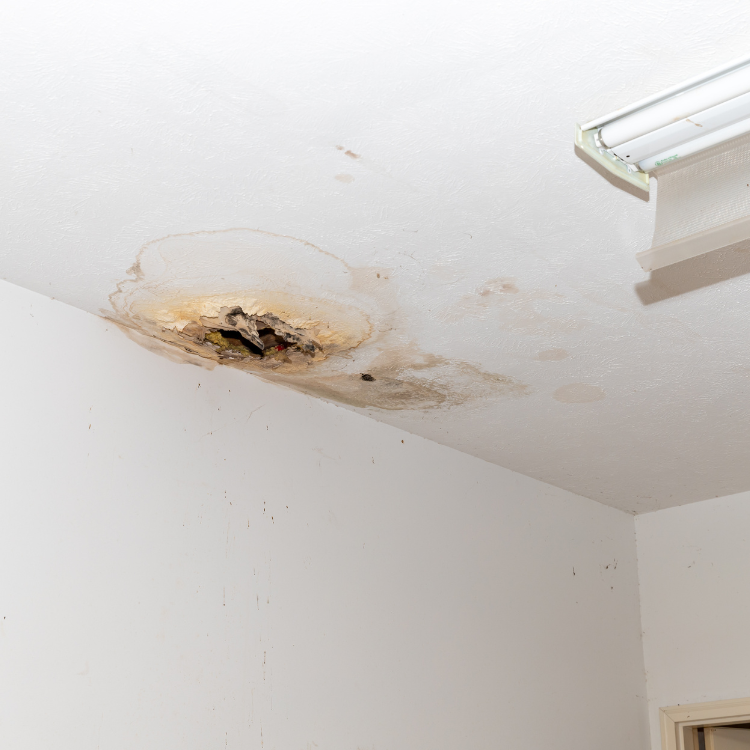
A small, hidden water leak in a Keller home or business can quietly cause thousands of dollars in damage before anyone notices. In North Texas, where many properties sit on concrete slabs and expansive clay soil, undetected leaks don’t just waste water—they can lead to foundation movement, mold, ruined flooring, and even business interruptions.
Industry studies estimate that household leaks can waste nearly 10,000 gallons of water per year, and the EPA notes that 10% of homes have leaks that waste at least 90 gallons a day. For Keller property owners, that’s not just a utility bill problem; it’s a structural risk.
This is why how leak location is handled matters just as much as finding the leak itself. The wrong approach can mean unnecessary demolition, misdiagnosis, and repeat repairs. The right approach can pinpoint the problem with minimal disruption and long-term peace of mind.
In this guide, you’ll learn how to minimize risk during leak location—what methods are safest, how professionals protect your property, and what you should expect from a high-quality Professional Leak Detection service in Keller, TX.
Key Insight: Smart leak location is about precision, documentation, and using the least invasive method that still gives you accurate answers—protecting both your property and your budget.
Understanding the Real Risks Behind Leak Location
Before you can reduce risk, you need to understand what the risks actually are. Leak detection sounds simple—find the water, fix the pipe—but in reality, especially with under-slab or hidden leaks, the process touches your home’s structure, finishes, and even your health.
The Main Risk Areas
For Keller homes and businesses, the major risks during leak location include:
- Structural damage to slabs, framing, or foundations
- Unnecessary demolition of flooring, walls, or landscaping
- Misdiagnosis, leading to repeat leaks or new damage
- Mold and air quality issues if moisture isn’t fully addressed
- Business downtime for commercial properties
Hidden water leak issues often start small. A pinhole leak under a slab, for example, may only show as a warm spot on the floor, a faint hissing sound, or a slightly higher water bill. By the time you see cupping wood floors or cracks in walls, the damage is already advanced.
“Most of the financial pain we see isn’t from the leak itself—it’s from the damage caused by waiting too long or using the wrong approach to find it.” — All Source Plumbing Technician
In Keller, where many homes are built on concrete slabs, Slab Leak Detection and repair must be treated as both a plumbing and a structural issue. If the leak is mislocated by even a few feet, you may end up with multiple holes in your slab, higher repair costs, and more risk to your foundation.
CALLOUT: The first and biggest risk is guessing. Any contractor who wants to start breaking concrete or walls without testing and diagnostics is putting your property at unnecessary risk.
Why Non-Destructive Testing Should Be Your First Line of Defense
Modern Water Leak Detection has changed dramatically over the last decade. Today, reputable plumbers in Keller use a combination of non-destructive tools and methods to pinpoint leaks before ever touching your slab, walls, or yard.
Key Non-Destructive Leak Location Tools
- Electronic listening equipment to hear leaks under concrete or behind walls
- Thermal imaging cameras to spot temperature changes from hot water leaks
- Tracer gases to identify hard-to-find leaks in certain systems
- Pressure and isolation testing (including Hydro Static Testing) to determine which lines are compromised
These tools allow technicians to map out probable leak locations and confirm them with testing, rather than relying on guesswork.
Local Example: Keller Kitchen Slab Leak
A Keller homeowner noticed a warm spot in the kitchen tile and a constantly running water meter. Instead of immediately breaking up the tile, our team used electronic listening and thermal imaging. We combined that with targeted hydrostatic testing of the hot water lines.
The result:
- We narrowed the leak to a small section of hot water line under the kitchen.
- We confirmed it with listening equipment before making a single cut.
- Only two tiles were removed, and the repair was completed in one day.
Contrast that with a more invasive approach, where an entire section of flooring might have been removed based on a “best guess.”
Traditional vs. Modern Leak Location Approaches
| Approach Type | Method Used | Risk Level | Typical Impact on Property | Accuracy for Slab Leaks | Cost Trend in Keller |
|---|---|---|---|---|---|
| Traditional “Search & Destroy” | Open walls/floors, look for moisture | High | Heavy demolition | Moderate to Low | Lower upfront, higher total repair |
| Modern Non-Destructive | Acoustic, thermal, hydrostatic testing | Low to Moderate | Minimal, targeted access | High | Slightly higher upfront, lower total |
| Hybrid (Test then Open) | Testing first, then selective demo | Moderate | Controlled, limited areas | High | Balanced, predictable |
For Keller property owners, paying a bit more for non-destructive Leak Detection typically saves money once you factor in flooring, slab repair, and restoration.
Using Hydrostatic Testing to Avoid Unnecessary Slab Damage
Hydrostatic testing is one of the most important tools for minimizing risk when dealing with under-slab or hidden drain leaks. Rather than opening concrete “just to check,” hydrostatic testing allows your plumber to confirm if a line is leaking and even narrow down which section is compromised.
How Hydrostatic Testing Reduces Risk
During Hydro Static Testing, your plumber:
- Seals off sections of your plumbing system
- Fills them with water to a set level
- Monitors for drops in water level or pressure over time
If a line holds pressure, it’s unlikely to be leaking. If it doesn’t, your plumber can then isolate the leak to a specific segment under the slab or yard.
“Hydrostatic testing lets us prove whether a slab leak exists before we ever touch the concrete. That’s a huge risk reducer for homeowners.” — All Source Plumbing Lead Technician
Case Study: Keller Office Building Sewer Leak
A small office building in Keller had recurring sewer backups. Another contractor recommended breaking up a long stretch of slab and replacing the main line—an expensive and disruptive solution.
Our team approached it differently:
1. Performed hydrostatic testing on the building’s sewer system.
2. Confirmed the leak was limited to one branch line, not the main.
3. Used camera inspection and targeted testing to pinpoint the problem area.
4. Recommended a Trenchless Sewer Replacement solution for that specific section.
The business avoided shutting down for multiple days and saved significantly compared to full slab demolition.
Hydrostatic testing also pairs well with Sewer Drain Repair and diagnostics, ensuring that any repair plan is based on solid data—not assumptions.
Minimizing Invasive Work: Reroutes, Trenchless Options, and Smart Access
Once a leak is located, the next big risk is how the repair is done. Even a perfectly located leak can turn into a headache if the repair method is overly invasive or not suited to your property.
Smarter Alternatives to “Bust the Slab”
For many Keller homes and businesses, especially those with finished interiors and expensive flooring, opening the slab from above is the last resort. Safer alternatives often include:
- Rerouting water lines through walls or attic spaces instead of repairing under-slab sections
- Spot repairs using minimal slab access when the leak is in an isolated area
- Trenchless options for sewer lines, such as pipe bursting or lining
Services like Piping & Repiping and Drain Line Replacement can be designed strategically to protect your foundation, landscaping, and interior finishes.
Example: Keller Home with Repeated Slab Leaks
A Keller homeowner had experienced two under-slab leaks on the same hot water loop within five years. Rather than continuing to open the slab each time a new leak appeared, we recommended:
- Abandoning the problem section of under-slab piping
- Rerouting new water lines through the attic and interior walls
- Adding shut-off valves for better future isolation and maintenance
This approach involved some drywall work and attic piping, but it dramatically reduced future structural risk and made any future leak detection or General Plumbing Repairs simpler.
Comparison: Slab Repair vs. Reroute in Keller
| Factor | Under-Slab Repair | Reroute Above Slab |
|---|---|---|
| Impact on Foundation | Moderate to High (cutting slab) | Low |
| Impact on Interior | Flooring removal, dust, noise | Some drywall/ceiling work |
| Long-Term Risk | Higher (older pipe remains) | Lower (new pipe, easier access) |
| Typical Project Duration | 1–3 days | 1–2 days |
| Future Leak Detection | Harder | Easier |
For many Keller properties, especially older ones, reroutes and trenchless methods are a smarter long-term investment than repeated concrete cuts.
CALLOUT: Ask your plumber to explain all viable repair paths—not just the one they prefer. A good leak location service always considers future risk, not just today’s fix.
Coordinating Leak Location With Other Plumbing Systems
Leak location rarely happens in a vacuum. A hidden leak can reveal weaknesses in other parts of your plumbing system, and smart planning can turn a stressful event into an opportunity to upgrade and protect your property.
Looking Beyond the Immediate Leak
During Water, Sewer & Gas Diagnostics, a professional will often:
- Evaluate water pressure (high pressure can cause leaks and fixture damage)
- Check for corrosion or aging in nearby pipes
- Assess drain performance and recommend Hydro Jet Drain Cleaning if buildup is contributing to issues
- Review the age and condition of your Water Heater or Tankless Water Heater system
“Leak location is a snapshot of your plumbing’s health. Ignoring what it reveals can mean another emergency six months from now.” — All Source Plumbing Service Manager
Local Example: Restaurant in Keller
A local restaurant called for an Emergency Leak Detection Service after noticing water on the kitchen floor. Our diagnostics found:
- A leaking under-slab drain line near the prep area
- Heavy grease buildup in other kitchen drains
- A water heater operating beyond its expected service life
Instead of just patching the leak, we:
- Completed targeted Sewer Repairs for the failed section
- Performed Hydro Jet Drain Cleaning on connected lines
- Scheduled a planned Tankless Water Heater Replacement for a later date, avoiding a surprise failure
This coordinated approach minimized downtime and reduced the restaurant’s risk of another plumbing emergency during peak hours.
Practical Steps You Can Take to Reduce Risk Before, During, and After Leak Location
Even though leak location is technical work, property owners in Keller can play a big role in reducing risk. A little preparation and the right questions can make the process smoother, faster, and safer for your home or business.
Before Leak Location
- Document symptoms: Take photos or notes of wet spots, sounds, odors, or high water bills.
- Locate main shut-off: Know where your main water shut-off valve and any isolation valves are.
- Check for patterns: Note whether issues worsen with usage (showers, laundry, business hours).
During Leak Location
Ask your plumber:
- What non-destructive methods will you use first?
- Will you perform hydrostatic testing before opening the slab or walls?
- How will you protect my flooring, furniture, or equipment during testing and access?
- Will you provide a written summary or diagram of what you find?
For example, when we perform Slab Leak Detection or Leak Location Service in Keller, we often:
- Lay down protective coverings on floors
- Use dust control when cutting slab or drywall
- Clearly mark and explain any access points we need to create
After Leak Location and Repair
To further reduce risk:
- Request photos of the leak and completed repair before everything is closed up.
- Ask about any recommended follow-up services, such as Drain Cleaning Services or pressure regulation.
- Consider proactive upgrades, such as Water Filtration & Softening, to reduce future pipe wear.
- Schedule periodic inspections if your property has a history of leaks or foundation movement.
CALLOUT: Good documentation—photos, test results, diagrams—protects you. It can help with insurance claims, future repairs, and resale disclosures.
What This Means for Businesses in Keller, TX
For Keller businesses—restaurants, offices, retail spaces, and light industrial facilities—the stakes with leak location are especially high. A mismanaged leak can mean:
- Lost revenue from downtime
- Health department issues for food-service operations
- Damage to inventory, equipment, or tenant spaces
- Higher insurance premiums or denied claims
Because many commercial buildings in Keller share walls, plumbing chases, and sometimes even main lines with neighboring suites, accurate Commercial Leak Detection becomes a matter of liability as well as repair.
A methodical, low-risk approach to leak location helps:
- Limit the affected area: Non-destructive testing reduces how much of your space needs to be accessed or opened.
- Protect tenant relationships: Targeted, well-communicated work keeps tenants informed and reduces disruption.
- Support insurance claims: Detailed reports and test results show that you acted promptly and responsibly.
- Prevent repeat issues: Coordinated services—like Sewer Drain Repair, Clogged Drain Repair, or Fixture Repair & Installation—address root causes, not just symptoms.
For growing business corridors around Keller Parkway, Golden Triangle, or along 377, the cost of shutting down for a day or two often dwarfs the cost of premium, non-destructive leak location. Investing in the right diagnostics upfront is simply good business.
Frequently Asked Questions
Q: How do I know if I really need professional leak detection or if it’s just a minor plumbing issue?
A: Signs like a constantly running meter, unexplained high water bills, warm spots on floors, the sound of running water when fixtures are off, or recurring damp areas are strong indicators you need Professional Leak Detection. In Keller, where many homes are on slabs, these symptoms often point to under-slab leaks that you can’t see. Simple fixture problems (like a dripping faucet or a running toilet) can usually be confirmed visually, but if you’ve ruled those out and still see signs of a leak, calling a pro protects you from hidden structural damage and mold.
Q: Will leak detection damage my floors, walls, or slab?
A: Modern Slab Leak Location and hidden water leak detection rely heavily on non-destructive tools—acoustic listening, thermal imaging, and hydrostatic testing—to minimize damage. In many cases, we can pinpoint the leak with only small, targeted access points. However, if the leak is under a slab or deeply buried, some cutting or excavation may be necessary to complete the repair. The key is that testing comes first, demolition second. A good plumber will clearly explain where and why any access is needed, and will take steps to protect surrounding finishes.
Q: What’s the difference between leak detection and slab leak repair?
A: Leak detection is the diagnostic phase—using tools and testing to find the exact location and cause of the problem, whether it’s in a wall, yard, or under the slab. Slab Leak Repair is the solution phase, which might involve under-slab spot repairs, rerouting lines, or using trenchless methods for drains. In Keller, a full Slab Leak Detection Service typically includes both locating the issue and presenting repair options, with clear pros, cons, and costs for each. Handling both steps with one qualified contractor helps ensure accountability and consistent quality.
Q: Can I just use my water meter to find a leak instead of paying for professional services?
A: Watching your water meter is a useful first step—it can confirm whether you have a leak somewhere in the system. If the meter is spinning when all fixtures are off, you likely have a leak. But the meter can’t tell you where the leak is or whether it’s in a wall, under the slab, or in the yard. That’s where professional Water Leak Detection comes in. In Keller, where under-slab and foundation leaks are common, guessing at the location and opening walls or concrete without testing can quickly cost more than hiring a professional to do it right the first time.
Q: How fast can emergency leak detection be done for my business in Keller?
A: Response times depend on call volume and time of day, but with Emergency Leak Detection Service, we prioritize active leaks that threaten property or operations. For many Keller businesses, we can be onsite the same day, often within hours. Once there, non-destructive tools allow us to quickly determine if the issue is a pressurized water leak, a drain or sewer problem, or something else entirely. The goal is to stabilize the situation—shut off or isolate lines if needed—and then provide a clear path to repair with minimal downtime.
Q: Is leak detection covered by insurance, and does the method used affect my claim?
A: Coverage varies by policy, but many insurance companies in Texas distinguish between the cost of finding the leak and the cost of repairing resulting damage. Some policies cover access and repair of the leak, while others may cover only water damage. Detailed documentation from a professional Leak Location Service—including test results, photos, and diagrams—often strengthens claims. Using non-destructive methods where possible shows that you took reasonable steps to minimize damage, which can help your case. It’s wise to review your policy and, if needed, coordinate with your plumber to provide the right documentation.
Q: Will fixing a slab leak solve my foundation issues, or do I still need a foundation company?
A: Repairing a slab leak stops the ongoing moisture that can contribute to foundation movement, but it doesn’t automatically correct any existing structural issues. In Keller’s clay soils, prolonged leaks can soften or shift the soil under your slab. After a Foundation Leak Repair or under-slab fix, it’s often wise to monitor doors, windows, and cracks over time. If you already have significant movement or damage, a foundation specialist may still be needed. The best approach is collaborative: your plumber addresses the water source, and, if necessary, a foundation expert evaluates and stabilizes the structure.
Ready to Get Started?
Water doesn’t wait, and neither should you. In Keller’s climate and soil conditions, even a slow, hidden leak can quickly turn into foundation problems, ruined flooring, or business interruptions. The sooner you bring in a professional for accurate Leak Detection Near Me, the more options you’ll have to minimize damage and control costs.
All Source Plumbing uses industry-leading non-destructive tools, precise Hydro Static Testing, and proven repair methods—ranging from targeted slab access to Trenchless Sewer Replacement and strategic reroutes—to protect your property. Whether you’re a homeowner noticing a warm spot on the floor or a business owner facing a sudden leak, our local Keller team is equipped to respond quickly and thoroughly.
Your next step is simple: schedule an inspection, share what you’re seeing, and let us handle the diagnostics. You’ll get clear findings, honest recommendations, and a repair plan focused on minimizing risk to your home, business, and foundation.
About All Source Plumbing
All Source Plumbing is a locally owned and operated plumbing company serving Keller, TX and the surrounding communities. With years of hands-on experience in Residential and Commercial Plumbing, our licensed technicians specialize in advanced leak detection, slab leak repair, drain and sewer solutions, and water heater services. We combine modern diagnostic tools with a customer-first approach, providing clear communication, transparent pricing, and workmanship that stands up to North Texas conditions.