
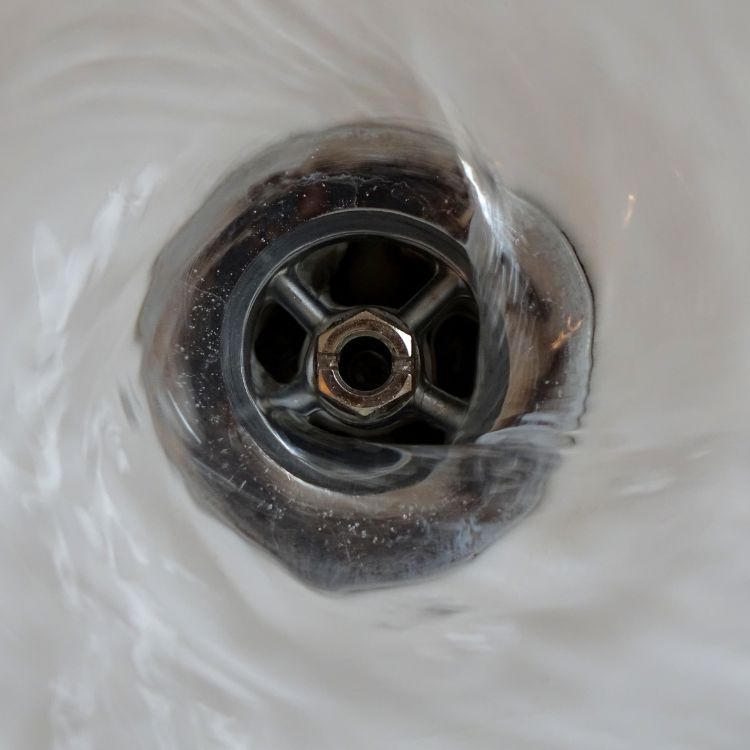
Drain Repair & Installation: Upgrading Pipes for Peace
Last summer in Keller, TX, a homeowner called after noticing slow drains in the kitchen and a repeating “gurgle” sound from the hallway sink. At first, it looked like a simple clog—until the toilet started bubbling when the washer ran. That’s usually the moment people realize the problem isn’t isolated to one fixture. It’s often the drain line, the way it’s vented, or a section of pipe that’s starting to fail.
In North Texas, drain issues can escalate fast because summers bring heavy water use (showers, sprinklers, laundry) while homes sit on shifting clay soil. When drain lines sag, roots intrude, or older PVC/ABS joints loosen, backups can follow—and backups don’t just inconvenience you. They can damage floors, create foul odors, and force emergency repairs.
This guide walks you through what we look for during drain repair and installation, how upgrades are planned, and what helps prevent the “same problem again next month” cycle.
Quick Answer
If your drains back up, drain slowly, smell consistently, or make gurgling noises, you may need drain repair or drain line replacement—not just a one-time snaking. A proper diagnosis typically includes checking the cleanouts, inspecting the venting and trap/fixture connections, and using a camera inspection to locate the problem section. For older lines, failed joints, recurring clogs, or recurring sewer drain problems, upgrading the piping and correcting the cause (not just the symptoms) is the most reliable long-term solution.
When “Drain Cleaning” Isn’t the Fix
We do drain cleaning all the time, and it’s an essential first step when the blockage is caused by hair, grease, soap buildup, or everyday debris. But here’s a technician observation that saves homeowners time: when the same drain clogs repeatedly, it usually means the line has a physical issue—a collapsed section, a partial blockage from a failing joint, a misaligned pipe, or tree-root intrusion.
In one anonymized case, a family in a nearby North Texas suburb had their main line snaked twice within six weeks. Each time, the drains cleared for a couple of days—then the backups returned during heavy use. The camera showed a section of pipe with an offset joint where debris collected and then “stuck” to the edges. Cleaning could push the blockage through temporarily, but it couldn’t fix the underlying catch point. The successful repair involved rebuilding that damaged segment and correcting the flow path.
That’s the difference between clearing a clog and restoring a reliable drain system.
Signs You May Have a Hidden Drain Problem
These aren’t just “annoyances.” They’re clues:
- Multiple fixtures drain slowly (sink + tub + laundry, for example)
- Gurgling sounds when using another fixture
- Toilet bubbling or slow flushing after you run the washer/dishwasher
- Recurring clogs at the same spot every few weeks
- Bad odors that don’t fully go away after cleaning
- Water pooling near a cleanout or in the yard after heavy use
- Cracks in accessible drain lines or damp spots near exterior cleanouts
If you’re seeing more than one of these symptoms, it’s time to move beyond “try another drain opener” and toward diagnostics.
What Homeowners Often Overlook
Many drain problems start small. Homeowners notice them as minor slowdowns, then delay repair because the issue isn’t constant. But drains are systems—when one part weakens, the rest of the system compensates.
Here are a few things people often miss:
1. Venting problems can look like clogging.
A blocked or undersized vent can cause slow drainage and gurgling, even when the pipe is “not that dirty.”
2. Old fittings fail before pipes fully collapse.
A joint can separate or crack and create a ledge where debris gathers. That leads to recurring clogs that feel “mysterious.”
3. Grease isn’t the only culprit.
In North Texas, we often see buildup from paper products, mineral-laced water habits, and hair combined with soap scum—especially in bathroom lines.
4. Hydro-jetting isn’t a substitute for camera diagnosis.
If the line is damaged or misaligned, aggressive cleaning can sometimes move debris around without solving the structural issue.
Common Mistakes That Lead to Water Damage
Let’s talk about the mistakes we commonly see—because these are preventable.
1) Repeated chemical drain treatments
Over time, harsh chemicals can damage older pipes and fittings, especially in older systems with vulnerable joints. Even when they “work,” they often mask the real issue while the underlying problem keeps growing.
2) Waiting too long after backups start
A slow drain today can become a full backup tomorrow. When waste sits and water backs up, it creates pressure and can push water into areas you can’t see—under slabs, behind walls, or into crawl spaces.
3) Assuming one clogged fixture means one clogged pipe
A kitchen sink clog doesn’t always stay in the kitchen. If the clog is downstream or the main line is partially blocked, multiple fixtures will show symptoms.
4) Treating every clog the same way
Some clogs are grease/soap. Others are roots or a collapsed section. Using the wrong method wastes time and can increase repair scope.
Repair, Diagnostics, or Prevention: What We Recommend
A solid drain repair plan usually follows a clear sequence:
Step 1: Confirm the problem location
We inspect accessible points first (cleanouts, visible runs, connections), then use camera inspection to identify:
- the exact section where the flow is restricted
- cracks, separation at joints, sags, or collapsed pipe
- root intrusion
- build-up patterns that suggest a structural issue
If you’re dealing with broader plumbing symptoms, it can also overlap with leak diagnostics. For example, a “mystery wet spot” near a slab edge can be related to other issues. If you suspect hidden leaks, you may want to review leak location diagnostics so the drain work isn’t planned while a separate water issue is still active.
Step 2: Choose the right repair strategy
Depending on what the camera finds, options typically include:
- Targeted drain pipe repair (replacing the damaged segment)
- Drain line replacement (when multiple sections are compromised)
- Junction/fitting correction (when misalignment or failing joints cause repeated clogs)
- Proper venting adjustment (when venting contributes to slow drainage)
- Root management and sealing (if intrusion is present)
Step 3: Upgrade for reliability, not just clearance
If your system is aging or showing repeated failures, repair should include the “why,” not just the “what.” That’s where installation quality matters—alignment, slope, correct fittings, and secure connections.
A practical recommendation
If you’re experiencing recurring backups, we generally recommend a camera inspection first. Then we repair or replace the specific damaged section. This approach reduces guesswork and helps prevent paying for repeat services that don’t address the root cause.
For homeowners who want an effective “clear the line” option after diagnostics confirm it’s safe, many choose hydro jet drain cleaning solutions—but only when the pipe condition and blockage type support that method.
Quick Comparison: Repair vs Replacement (When It Makes Sense)
| Situation | Repair Often Works Best | Replacement Usually Wins |
|---|---|---|
| One localized crack or joint failure | Yes (targeted section) | Sometimes if pipe is widely aged |
| Multiple recurring clogs in the same segment | If the camera shows a single fixable catch point | If there are several compromised sections |
| Partial collapse or repeated backups after cleaning | Limited cases | Typically yes |
| Extensive root intrusion across long runs | Limited if localized | Usually replacement or trenchless approach |
| Severe corrosion or fragile older material | Sometimes | Often replacement |
The goal isn’t to upsell—it’s to avoid “patching” that returns quickly when the rest of the system is also deteriorating.
Keller & North Texas Relevance: Why Drains Fail Here
In Keller and other parts of North Texas, a few factors combine that we don’t see everywhere:
- Shifting clay soil and seasonal moisture swings can create small changes in pipe alignment over time.
- High seasonal water usage during summer increases flow volume—meaning partial blockages become full backups faster.
- Growing suburban areas and older plumbing tie-ins can leave drain systems with inconsistent slopes or older fittings.
We often find that homeowners delay action until a backup becomes obvious. But by the time multiple fixtures are affected, the drain line has usually crossed a threshold where debris can’t pass and pressure builds.
“Emergency” Drain Moment: A Realistic Scenario
Here’s a common emergency sequence we respond to: a family goes to bed with “slow drains,” then wakes to a toilet that won’t flush normally and sinks that gurgle loudly. The washer may have run overnight, pushing waste into a partially blocked main line. If you’ve got a backup and you notice water backing up from more than one fixture, treat it as urgent—water damage grows quickly, and the system can worsen while you’re waiting.
In those situations, we focus on:
- identifying the blockage location quickly
- stopping ongoing backup conditions
- preventing secondary damage while repairs are planned
If you’re dealing with an active emergency, you’ll want emergency plumbing repairs so you’re not stuck improvising while the problem expands.
Plumbing Prevention & Maintenance Checklist
Most drain failures aren’t sudden—they’re the result of small habits and slow system degradation. Use this checklist to reduce risk:
- Use strainers in sinks and tubs to reduce hair/food debris buildup
- Avoid pouring grease (even “small amounts”) down kitchen drains
- Be cautious with “flushable” products—many create clogs downstream
- Run hot water strategically after heavy cooking (not boiling water—just enough to help keep grease moving)
- Schedule periodic drain inspections if your home is older or you’ve had recurring backups
- Know where your cleanouts are and keep them accessible
- Watch for early warning signs: slow drains, recurring odors, gurgling
- Don’t rely on chemicals as a recurring solution
What Actually Improves Long-Term Drain Reliability
When homeowners ask, “What’s the best upgrade for peace of mind?” the most reliable answers usually include:
- addressing the actual damaged or misaligned pipe section
- ensuring the correct slope and connection quality
- restoring or correcting venting when it’s part of the symptom pattern
- using a method that matches the pipe condition (repair vs replacement)
If your sewer drain line is involved, it can help to review sewer drain repair so you understand how we approach main line problems and the difference between a localized drain issue and a sewer-system issue.
Keller Case Example: From Recurring Clogs to a Stable System
In one anonymized Keller-area case, a homeowner reported slow kitchen drainage and occasional bathroom backups after storms. The first instinct was to clean the drain repeatedly. After a camera inspection, we found:
- a damaged segment in the drain line where a joint had separated
- a slight dip that collected debris
- buildup patterns consistent with repeated clog formation
Rather than just clearing the line again, the repair addressed the joint failure and restored the flow path. Afterward, the homeowner reported consistent drainage without the “next-month clog” pattern. That’s the kind of outcome we aim for—less downtime now, and fewer surprises later.
Optional FAQ
How do I know if I need drain repair or full drain replacement?
If the problem is localized and the camera shows one damaged segment (a crack or joint separation), repair may be enough. Replacement becomes more likely when there are multiple compromised sections, partial collapse, extensive root intrusion, or repeated backups that return quickly after clearing.
Are hydro jetting services safe for older pipes?
Hydro jetting can be safe and effective when used appropriately, but it depends on pipe condition and the blockage type. If a line has fragile sections or significant damage, it may not be the best first move. A camera inspection helps determine whether jetting is the right tool.
What causes recurring clogs even after snaking?
Recurring clogs usually point to a structural issue: a sagging section, a failing joint that creates a catch point, venting problems, or root intrusion. Snaking clears the immediate blockage, but it doesn’t correct the conditions that cause debris to accumulate again.
Should I call for drain repair if only one sink is slow?
Sometimes yes, but if you notice gurgling, odors, or slow drainage in multiple fixtures, it’s often a sign that the issue is downstream. In that case, diagnosing the line location saves time and reduces the risk of a larger backup.
Ready to Protect Your Home From Plumbing Damage?
If you’re dealing with recurring slow drains, backups, or that “gurgle” sound that won’t go away, the next step is a real diagnosis—not just another quick clearing. The sooner we identify the damaged section and correct the cause, the more likely you are to avoid emergency water damage and bigger repairs later.
About All Source Plumbing
All Source Plumbing provides drain repair and installation, sewer diagnostics, hydro jetting, and plumbing services throughout Keller, TX and surrounding North Texas communities. We focus on accurate diagnostics, long-term repair solutions, and preventative maintenance so homeowners can protect their properties from costly plumbing damage.