
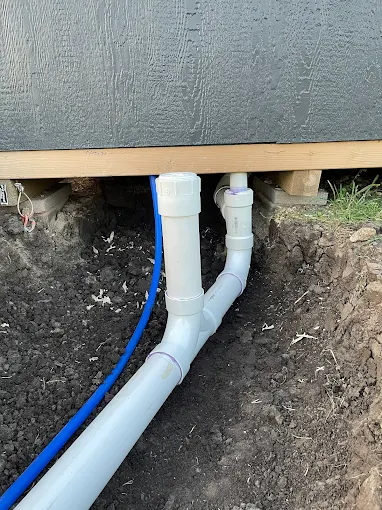
Drain Repair & Installation: From Slow Drains to Smooth
The first sign is usually small: a bathroom sink that takes extra time to empty, a tub that gurgles after you drain it, or a toilet that seems to “hesitate” before flushing. In North Texas homes—especially as sprinkler systems run and summer brings heavy water use—those slowdowns can turn into recurring clogs fast.
In Keller, TX, we also see plenty of older drain systems under mature landscaping and concrete. Tree roots, shifting soil, and aging pipe joints can all create the kind of underground problems that don’t look serious until water backs up where you least want it. If you’ve been dealing with slow drains, this is your sign to address the cause—not just the symptom.
Quick Answer
Slow drains usually mean a restriction somewhere in the drain line (hair, grease, scale, mineral buildup, partial pipe collapse, or roots). A proper drain repair starts with inspection—often including a camera—so we can identify where the blockage or damage is. If the pipe is damaged, the fix may be drain cleaning, a targeted drain pipe repair, or full drain line replacement depending on the condition of the line and the materials used.
When Drains Go Slow: The Technician’s Diagnostic Reality
A lot of homeowners call it “a clog,” but from the plumbing side, “slow” can mean several different things:
- Surface clogs (hair, soap scum, debris) in accessible traps and fittings
- Partial obstructions deeper in the line that keep draining just enough to delay action
- Grease or mineral buildup that narrows the pipe over time
- Drain line damage—cracks, misaligned joints, or early-stage collapse
- Tree root intrusion that traps waste and keeps the line from flowing freely
One firsthand observation I can share from the field: when we arrive at a home with “slow drains everywhere,” it’s often not five separate clogs—it’s one main drain restriction affecting multiple fixtures. The kitchen and laundry can mask a main line issue because they’re used daily, so the pattern can look random until we inspect the line and map where flow is getting reduced.
A realistic emergency scenario we see
A homeowner in a Keller-area neighborhood texted that their guest bathroom sink was draining slowly “again.” They used a chemical drain opener and it seemed to help—until that night the shower started backing up. By morning, water was pooling around the tub base, and the toilet flush sounded weak and gurgly. The cause wasn’t just a clogged trap. It was a partial blockage in the line that became worse after additional waste load moved through. That’s the typical progression: slow drain → partial blockage → backup when usage spikes.
What Homeowners Often Overlook
Many drain problems don’t announce themselves until the system is under stress—heavy loads, guests, weekend laundry, or when the irrigation cycle changes how soil moisture moves around underground pipes.
Here are a few details homeowners commonly miss:
- “It drains slowly, so it must be fine.” Slow drainage is still restricted flow. Waste settles more easily in restricted pipes, which makes the obstruction grow.
- Mixing cleaners and hoping it clears. Some chemical products can worsen issues by breaking down certain materials while leaving residue that sticks to pipe walls. If we later need to inspect with a camera, the residue can also obscure the view.
- Ignoring gurgling sounds. Gurgling often points to trapped air being forced through a restriction. That’s a strong clue the blockage is deeper than the sink trap.
- Assuming the problem is only where you see it. A backed-up sink can be caused by a restriction miles away in a shared section of the drain system.
If you suspect a recurring issue, you’ll usually get faster results by combining cleaning with inspection. For example, we often start with targeted drain cleaning and then verify the condition of the line using drain cleaning services that match what we find during diagnostics.
Common Mistakes That Lead to Water Damage
Drain problems can become costly quickly, and it’s usually because the early signs are handled the wrong way. Here are the most common mistakes we see:
1. Using plungers incorrectly or repeatedly without testing the cause
A plunger can dislodge a surface clog, but if the restriction is in the main line, you’ll just get temporary relief.
2. Relying on “pour and pray” drain chemicals
Chemicals may not remove roots, grease packed in a line, or mineral buildup bonded to pipe walls. In some cases they create additional residue.
3. Waiting until the backup spreads
When water backs up, it can bring debris into areas that weren’t previously affected—like the shower, floor drains, or even the garage slab drains.
4. Treating every clog as a standalone event
If multiple fixtures are slowing down, there’s often one shared problem section. Multiple “small clogs” are frequently one underlying drain line issue.
5. Not considering hydro-jetting limits or the pipe condition
High-pressure cleaning can be effective, but it’s not one-size-fits-all. Older or compromised piping may require a different approach or a repair first.
A helpful way to think about it: if a drain clog is happening repeatedly, the goal shouldn’t just be to clear it—it should be to prevent the recurrence by fixing the restriction or damage causing it.
Repair vs Replacement: What Actually Improves Long-Term Reliability
Once we identify what’s causing the slow drain, the next step is choosing the right repair strategy. Here’s how the decision typically breaks down.
When drain cleaning is the best first step
- The line appears structurally sound
- The restriction is mostly buildup or a removable obstruction
- The camera inspection shows minimal damage
In these cases, a thorough cleaning program can restore flow without invasive work. We’ll often use hydro jetting when buildup is stubborn and we need a more complete internal clean.
When drain repair is the right move
Drain repair is usually recommended if inspection shows:
- Cracks or joint separation
- Localized pipe damage
- Root intrusion that’s trapped debris in a segment
- A partial collapse creating a permanent restriction
Repair may involve replacing a damaged section or restoring the line so it carries waste properly again.
When drain line replacement becomes necessary
Replacement is the practical choice when:
- The pipe is significantly deteriorated
- The damage is extensive or recurring in the same section
- The line shows advanced collapse or multiple problem areas
Depending on where the line runs, trenchless options may reduce disruption—particularly under landscaping or near hardscapes. If you suspect deeper sewer or main line issues, it’s also worth discussing sewer repairs to address damage beyond the “sink-level” problem.
Plumbing Prevention / Maintenance Checklist (Homeowner-Friendly)
You don’t need to become a plumber to protect your drains. You just need consistent habits that reduce buildup and catch issues early.
Monthly / seasonal habits
- Run hot water briefly after heavy grease use (and wipe grease off dishes before rinsing).
- Use drain strainers in kitchen and bathroom sinks to catch hair and debris.
- Avoid flushing non-biodegradables (even “flushable” wipes can contribute to clogs).
- Watch for early signs: slow draining, gurgling, recurring backups, or sewer odors.
Every 6–12 months (or as needed)
- Check under sinks and around toilets for leaks that can contribute to floor damage.
- If you’ve had a backup before, request a follow-up inspection rather than repeating the same chemical-clearing routine.
After storms or major landscaping changes
- If you’ve had heavy rain or root-prone yard work, keep an eye on drainage behavior. Shifting soil can change how underground pipes settle.
Keller / North Texas Relevance: Why Drain Problems Here Tend to Worsen
Keller homes sit on varied soil conditions, and North Texas weather swings can stress plumbing systems. Summer water use is high, yards are irrigated more frequently, and the ground can shift around underground utilities—especially near older clay and mature trees.
A common local pattern we see: roots + partial restrictions. Tree roots don’t always cause an immediate total blockage. Often, they enter through a joint gap, then capture waste and paper-like debris. The line keeps moving just enough to delay detection, until one day it can’t.
If you’ve also noticed unrelated moisture concerns—like damp spots near exterior walls or unusual floor changes—don’t assume it’s “just a drain.” Water can travel in unexpected ways, and sometimes the underlying issue is a different plumbing system entirely. For example, if you suspect leaks around concrete or foundation areas, you may want to review sewer drain repair vs. a possible leak scenario after inspection.
(That distinction matters. Diagnosing the wrong system is how homeowners waste time and end up paying for larger repairs later.)
Our Experience Diagnosing Plumbing Problems in Texas Homes
When we diagnose a slow drain, we look for patterns, not guesses. A typical workflow includes:
1. Interview + observation: Which fixtures are affected? Is it constant or only after certain loads?
2. Testing flow behavior: We confirm whether the restriction is local (trap/fixture) or line-wide.
3. Inspection: Camera inspection helps us locate the restriction and evaluate pipe condition.
4. Recommendation: We match the repair approach to the actual damage, not just the symptom.
One anonymized case: a family in the Keller area complained that their laundry drain repeatedly backed up during wash-heavy days. They’d used drain cleaner several times. Inspection showed a partially collapsed section in a shared line that wasn’t fully blocked, so it “worked” most of the time. After we repaired the damaged segment, the issue stopped—not temporarily, but reliably. That’s the difference between clearing what’s stuck and fixing what’s broken.
Specific Repair Recommendation for Slow Drains
If your drains are slow more than once—especially if multiple fixtures drain poorly—my recommendation is to schedule inspection-based drain diagnostics rather than repeating the same clearing method.
A practical next step:
- Start with professional drain cleaning if inspection indicates a removable obstruction.
- If camera evidence shows damage (cracks, root intrusion, misaligned joints), choose targeted drain pipe repair or drain line replacement based on the extent of deterioration.
- If the line is accessible and only a small section is affected, localized repair is often the best balance of cost and long-term performance.
If you’d like a deeper look at how we handle underground flow problems, you can also explore trenchless sewer replacement when replacement is the most durable solution.
Quick Reference: How to Tell What You’re Dealing With
| What you notice | Likely cause | Best next step |
|---|---|---|
| Slow sink only | Trap or local buildup | Cleaning + confirm with inspection if recurring |
| Gurgling after flush | Air trapped by restriction | Camera inspection of shared line |
| Multiple fixtures slow at once | Main line restriction | Full drain line evaluation |
| Backup after heavy use | Partial obstruction growing under load | Clear + inspect; repair if damage is present |
| Sewer odor near drains | Venting or main line issue | Diagnose cause, don’t mask odors |
FAQ
How do I know if my slow drain is a simple clog or a drain line problem?
If the issue is consistent and affects more than one fixture, it’s more likely a restriction in the drain line rather than a trap. Gurgling, recurring backups, and slow drainage during heavy use are strong clues. The fastest way to confirm is inspection—usually with a camera—so you can see the location and determine whether cleaning alone will solve it.
Is hydro jetting safe for older pipes?
It can be, but it depends on the pipe condition. Hydro jetting is highly effective for buildup, but if the line has significant damage or a fragile material, we may adjust the approach or address repairs first. A camera inspection helps us decide how much cleaning pressure and technique is appropriate.
Should I call for emergency drain repair?
Call urgently if you have active backups, water pooling near floors, sewage odors, or drainage failures that affect multiple rooms. Backups can spread quickly when more waste moves through the line. The sooner the restriction is located and cleared, the less likely you’ll have water damage.
What’s the most cost-effective fix for recurring clogs?
The most cost-effective fix is the one that prevents recurrence. If the same section keeps causing trouble, repeated chemical clearing is usually a short-term solution. Inspection often reveals the real cause—roots, joint separation, buildup patterns, or pipe damage—so the repair targets the source.
Ready to Protect Your Home From Plumbing Damage?
Slow drains don’t just waste time—they can lead to backups, odors, and water damage when the restriction worsens. If you want a reliable fix, the best path is inspection-based diagnosis followed by the correct drain repair approach for your specific line condition.
About All Source Plumbing
All Source Plumbing provides slab leak detection, drain repair, hydro jetting, sewer diagnostics, tankless water heater services, and emergency plumbing repairs throughout Keller, TX and surrounding North Texas communities. The company focuses on accurate plumbing diagnostics, long-term repair solutions, preventative maintenance, and helping homeowners protect their properties from costly water damage through professional plumbing services.