
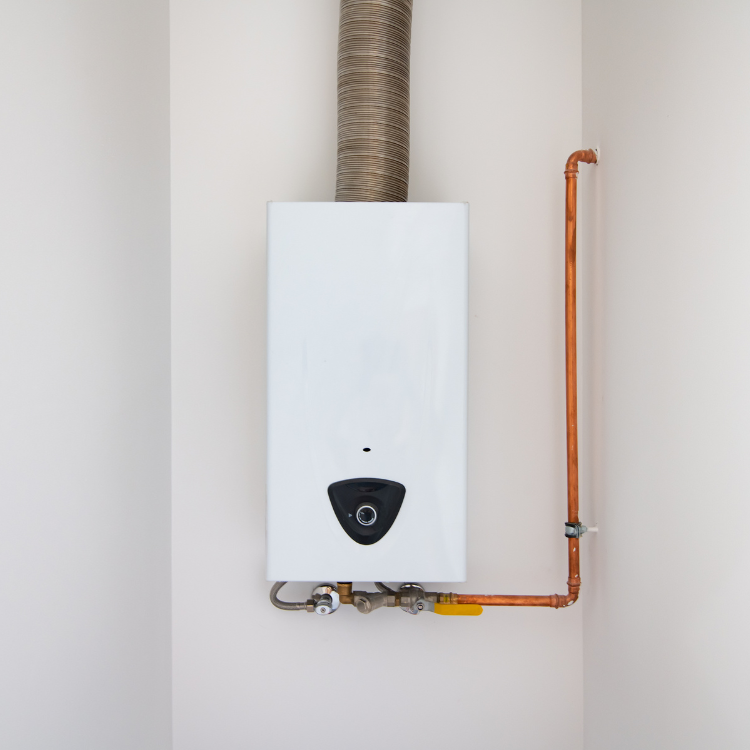
Tankless Water Heater Repair: Restoring Consistent Performance
Last week, a Keller homeowner called because their showers were getting “random.” One minute the water ran hot and strong, and the next it dropped to lukewarm—even though no one touched the faucets. They also noticed the dishwasher cycle sometimes triggered a temperature swing. In Texas summers, that kind of inconsistency doesn’t just annoy people; it can force families to cut showers short and it can also signal a tankless system that’s struggling to regulate flow and temperature.
Tankless water heaters are built to deliver hot water efficiently, but they’re also sensitive to scale buildup, restricted flow, and ignition or sensor issues. When they start failing, they rarely give a clear “one problem, one fix” message. The goal of tankless water heater repair is to restore stable performance—hot water that stays hot—by addressing the actual cause, not just the symptom.
Quick Answer
If your tankless water heater is producing inconsistent hot water, common causes include sediment/scale buildup, clogged filters or heat exchanger passages, faulty flow sensors, or ignition/combustion problems. A proper repair usually starts with checking error codes, verifying gas or power supply, measuring incoming water flow, and inspecting for scale. In many cases, cleaning and component replacement restore performance; in others, replacement is the smarter long-term option—especially if the heat exchanger is heavily scaled or damaged.
Why Tankless Hot Water Gets Inconsistent (What We Look For)
In the field, the pattern matters. “Inconsistent” can mean several different things:
- Hot → lukewarm when another fixture runs: Often points to flow/temperature regulation limits or a restricted flow path inside the unit.
- Water is hot at first, then fades after a few minutes: Common with scale buildup in the heat exchanger that reduces heat transfer over time.
- Hot water is available, but the unit cycles frequently or shows errors: Usually relates to ignition, sensors, or combustion airflow issues.
- Temperature swings that don’t match hot/cold faucet changes: Can indicate flow sensor issues or a problem with the unit’s ability to measure and respond to flow accurately.
A firsthand technician observation: the “quiet” restriction
One thing I’ve noticed across North Texas homes is that tankless units can look fine from the outside while internal flow passages slowly restrict. Sediment doesn’t always cause a dramatic failure right away. Instead, it narrows the pathways where water passes through the heat exchanger. The unit may still ignite and heat water, but it struggles to maintain stable output—especially when household demand changes (like someone turning on a second faucet).
That’s why we don’t rely on “it works sometimes.” We inspect for restriction and we verify whether the unit is delivering the performance it’s rated for under real household flow conditions.
Signs You May Have a Hidden Tankless Problem
You don’t always need a full breakdown before you call. Here are practical indicators:
- Temperature fluctuations when you use hot water alongside another fixture
- Longer wait times for hot water than usual
- Unit starts and stops frequently (short cycling)
- Error codes on the display (even if the unit still heats)
- Low hot water pressure at showers or tubs
- Mineral scale around connections or on plumbing surfaces
- Strange sounds (banging, whistling) that weren’t there before
If you’re seeing more than one of these, it’s typically not “normal tankless behavior.”
What Homeowners Often Overlook
Common mistake homeowners make: ignoring scale until it’s expensive
The most frequent issue we see isn’t that homeowners don’t care—it’s that tankless maintenance often gets delayed because the heater “still works.” In North Texas, hard water and mineral content can cause scale to build up inside the heat exchanger and reduce efficiency.
By the time hot water becomes inconsistent, the system may already have a reduced heat transfer capacity. At that point, cleaning alone might not fully restore performance if the buildup is heavy enough to damage internal components.
Another common oversight: homeowners try to solve inconsistent temperatures by changing usage habits (like limiting shower duration) instead of checking whether the unit is meeting demand. Tankless systems are designed for on-demand heating, but they still require correct flow, clean components, and proper combustion.
Repair, Diagnostics, or Prevention: How We Restore Consistent Performance
A reliable tankless water heater repair should follow a diagnostic sequence that answers: What is the unit actually doing when the problem occurs?
Step 1: Confirm the error code and operating conditions
Many tankless units provide error codes for ignition, overheating, venting/combustion, or flow issues. We also confirm whether the system is gas or electric and verify operational conditions such as:
- incoming water temperature
- gas supply stability (for gas units)
- electrical supply stability (for electric units)
- venting and air intake condition (for combustion safety)
Step 2: Check flow and restriction
We evaluate whether the unit is receiving enough water flow to operate correctly and whether internal passages are restricted. This often involves inspecting and testing:
- inlet and outlet conditions
- filter screens (if applicable)
- flow sensor operation
- pressure and flow performance at fixtures
Step 3: Address scale buildup and heat exchanger performance
If scale is present, flushing may be the correct first step. But we also look at what “type” of buildup is happening. Light scale can often be cleaned effectively; heavy scale can reduce heat transfer even after a basic flush, and it may require deeper service depending on the model and severity.
Step 4: Repair or replace the failed component
Depending on what we find, repairs commonly include:
- flow sensor replacement
- ignition-related component service (for gas models)
- cleaning the heat exchanger and internal passages
- replacing a failed temperature sensor or control component
- restoring proper venting/combustion function (where applicable)
If the heat exchanger is significantly damaged, replacement may be the practical option. Tankless units aren’t meant to be “patched forever” once internal overheating or severe scaling has occurred.
An anonymized service case: “hot at first, then lukewarm”
A few months ago (separate from the Keller case), we serviced a North Texas home where the tankless heater produced strong hot water for the first couple of minutes, then gradually faded. The homeowner reported no leaks and no plumbing changes. Our checks showed internal restriction consistent with mineral buildup. We performed system cleaning and confirmed improved flow/temperature behavior. The difference was noticeable immediately during test usage—consistent heat instead of the “fade” pattern.
That’s the value of targeted diagnostics: you don’t waste time replacing parts that aren’t causing the instability.
Quick Comparison: Repair vs. Replacement (When to Recommend Each)
| Situation | Likely Recommendation | Why |
|---|---|---|
| Minor restriction or light scale | Repair + flushing/cleaning | Performance can often return to spec after restoration |
| Faulty sensor/ignition component | Component repair | The heat exchanger may still be healthy |
| Heavy scale, overheating history, or damaged heat exchanger | Replacement may be best | Repairs may not restore stable performance long-term |
| Repeated cycling with recurring errors | Diagnostic service first | Prevents replacing the wrong parts repeatedly |
If you’re unsure, a professional diagnostic is the fastest way to avoid replacing a unit that only needs cleaning or a single component.
Keller and North Texas Relevance: Why Tankless Repairs Can Be More Common Here
Keller and much of North Texas see a combination of factors that affect tankless systems:
- Hard water and mineral buildup that can scale heat exchangers over time
- Seasonal temperature swings (hot water demand changes as weather changes)
- A lot of suburban plumbing activity—new fixtures, remodels, and changing water usage patterns that can alter flow demands
In many homes, the tankless unit is asked to perform under real-world demand that includes simultaneous household use. When internal restriction happens, it shows up as inconsistent output—especially when someone turns on another fixture mid-shower.
Plumbing Maintenance Checklist (Tankless-Focused)
- [ ] Watch for early symptoms: temperature swings, delayed hot water, short cycling
- [ ] Check for error codes and note when they occur (after which fixture is used)
- [ ] Schedule periodic descaling/flushing based on your water quality and usage
- [ ] Keep intake/venting clear of debris (for gas models)
- [ ] Inspect inlet filters/screens (if your model has them)
- [ ] Verify water flow rate at fixtures matches expectations (especially after plumbing changes)
- [ ] If you have a whole-home water filter/softener system, make sure it’s working properly
Our Experience Diagnosing Plumbing Problems in Texas Homes
What separates a reliable tankless repair from a frustrating “parts trial” is system understanding. We treat tankless performance like a sequence: water flow → sensing → ignition/heat transfer → control response. If any link in that chain is restricted or faulty, you’ll feel it at the shower head.
That’s also why we take the time to connect symptoms to likely causes. If the problem is truly a flow/scale issue, we’ll focus there. If it’s ignition or sensor behavior, we’ll go to the root cause. Either way, the intent is the same: consistent hot water you can count on.
Related Services That Often Come Up (When Homeowners Call for Tankless Issues)
During diagnostics, we sometimes find other plumbing factors that contribute to performance complaints—especially if there are concurrent water or drainage concerns. If you’re seeing broader water issues, these services may be relevant:
- For hidden moisture concerns that can accompany plumbing failures, we can help with leak location diagnostics and water heater repair installation coordination.
- If you suspect a broader plumbing system issue (not just hot water), our team also supports general plumbing repairs that may affect pressure, flow, or fixture performance.
- And if your home has ongoing drainage challenges that strain hot water use patterns (like prolonged fixture runs due to slow drainage), you may also need drain cleaning services.
FAQ
How do I know if my tankless issue is scale buildup or a sensor problem?
Scale buildup often shows up as gradual temperature decline, reduced hot water performance over time, or inconsistent temperatures especially during higher demand. Sensor/flow issues are more likely to cause sudden fluctuations, short cycling, or error codes tied to flow or temperature readings. A diagnostic that checks flow performance and system behavior under test conditions is the most reliable way to tell.
Can I flush my tankless water heater myself?
Some homeowners can do basic flushing, but it depends on the unit design, the flushing kit, and your comfort with following manufacturer procedures. If the system is heavily scaled or you’re seeing error codes related to sensors or combustion, DIY flushing can delay the real repair. A professional service can confirm whether flushing restored performance or if internal components need attention.
Is tankless water heater repair cheaper than replacement?
Often, yes—especially for flow sensor, ignition, or minor restriction issues. Replacement is more likely when the heat exchanger is severely scaled or damaged, or when overheating/recurring failures point to deeper internal problems. The best approach is a diagnosis that evaluates heat exchanger condition and system performance, not just symptoms.
Ready to Protect Your Home From Plumbing Damage?
If your tankless water heater is producing inconsistent hot water, the next step is a focused diagnostic—so you can restore stable performance and avoid unnecessary wear on the unit.
About All Source Plumbing
All Source Plumbing provides tankless water heater repair and service, leak detection and leak location diagnostics, drain cleaning and repair support, and emergency plumbing solutions throughout Keller, TX and surrounding North Texas communities. The team focuses on accurate diagnostics, durable repair recommendations, and long-term plumbing reliability—helping homeowners protect their properties from costly water damage.