
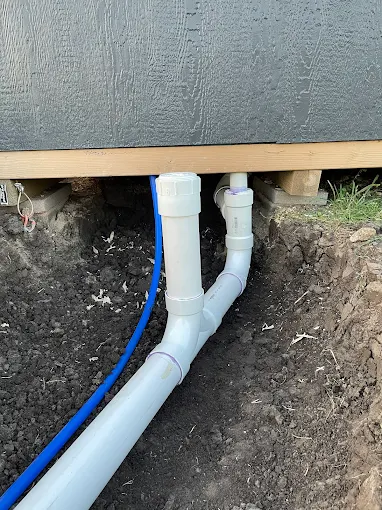
Drain Repair & Installation: Fix Backups Before Damage Spreads
The first time a drain backs up, it often feels “temporary”—until it isn’t. In many Keller, TX homes, we see the same pattern: a slow bathroom sink, a gurgling toilet, or a repeating kitchen clog that clears for a day… then returns. Then the next step happens fast: sewage odor, water backing into tubs, or water pooling near the foundation.
When a drain line fails, the problem isn’t just inconvenience. Backups can damage flooring, warp cabinets, saturate baseboards, and—worst case—create moisture conditions that invite mold. And because sewer and drain systems run underground, homeowners can’t see what’s happening until it shows up inside the house.
Quick Answer
If you’re dealing with recurring drain backups, don’t keep using plungers and drain chemicals as a “reset button.” The safest next step is professional drain diagnostics to identify whether the issue is a clog, a damaged drain pipe, or a deeper sewer line problem.
A licensed plumber should inspect the drain line (often with camera diagnostics), determine the exact location and cause, then recommend the right repair method—ranging from targeted drain repair to hydro jetting, pipe replacement, or trenchless sewer replacement when appropriate.
What We Commonly See in North Texas Drain Systems
North Texas drains face a few realities that make “simple clogs” less simple over time:
1. Tree roots and shifting soil
Keller’s neighborhoods include mature trees and landscaping. Roots don’t just grow toward water—they grow toward consistent moisture. A tiny crack that weep-dries for months becomes a root “welcome mat.”
2. Hard use + aging piping
Older drain lines can be more vulnerable to settling and misalignment. Over time, even “minor” joint separation creates catch points where grease, hair, and debris collect.
3. Storm-related strain
After heavy rain, some homes experience higher groundwater pressure and altered flow patterns in the sewer system. That can worsen a drain that’s already partially blocked.
A firsthand technician observation (what I look for)
When we run a camera through a problem line, one of the clearest indicators is the pattern of residue. If buildup is concentrated at a specific point—rather than evenly along the pipe—there’s usually a physical issue: a collapsed section, a cracked joint, or a belly where waste collects. If the line were just “dirty,” you’d typically see a more uniform coating.
Signs You May Have a Hidden Drain Problem (Not Just a One-Off Clog)
These are common “early warning” signs we see before a full backup:
- Multiple fixtures drain slowly at once (sink + tub + toilet)
- Gurgling sounds when other water drains
- Bad odor near drains even when everything seems “mostly fine”
- Water pooling around floor drains or toilets
- Backups after rainstorms
- Repeated clogs in the same location (especially if they return within weeks)
If any of those are happening, the most reliable next step is drain diagnostics—not guessing.
What Homeowners Often Overlook
Many homeowners treat drain issues like they’re isolated to the sink or toilet they can see. But drain problems often originate farther down the line.
For example:
- Grease and food particles don’t stop at the kitchen—eventually they settle in low spots.
- Hair and soap scum can build up at fittings and transitions.
- A toilet that “sort of flushes” might actually be masking a slow main line issue, because the toilet only becomes a problem when demand increases.
Common Mistakes That Lead to Water Damage
Here are the errors we see most often—especially after the first backup:
1. Overusing chemical drain cleaners
Chemicals can temporarily clear a surface clog, but they don’t fix cracked pipes, tree-root intrusion, or collapsed sections. They can also make it harder for technicians to evaluate residue patterns later.
2. “Plunging forever” without diagnosing
A plunger may move a loose blockage, but if the root cause is a damaged pipe section, the clog returns as soon as normal household use resumes.
3. Waiting until sewage enters the home
Once waste water migrates past clean-out points or into finished areas, repairs expand quickly: more demolition, more cleanup, and more mitigation than if the issue had been addressed earlier.
4. Ignoring recurring issues
If a clog returns in the same timeframe or after the same activity (laundry, showering, dishwashing), that’s a diagnostic clue—not a coincidence.
Repair, Diagnostics, or Prevention: What Actually Improves Long-Term Drain Reliability
The right repair depends on the cause. Here’s how we typically approach it:
Step 1: Confirm the problem location
A proper drain repair plan starts with inspection—often using a camera to view the internal condition of the line.
This matters because “slow drain” can mean:
- a partial clog,
- a damaged section,
- a misaligned joint,
- or a root-related intrusion.
Step 2: Choose the right solution (repair vs. cleaning vs. replacement)
Common scenarios we handle:
- Clogging caused by buildup: Often addressed with drain cleaning and, when appropriate, hydro jetting.
- If you need a deep clean, explore hydro jet drain cleaning solutions instead of repeating chemical treatments.
- Localized pipe damage or joint separation: Targeted drain repair may be the best value.
- For a line-specific approach, we also support drain cleaning services as part of an overall diagnostic-and-repair workflow.
- Recurring backups linked to a deteriorated main line: Replacement may be necessary.
- In some cases, trenchless methods are a strong option—especially when digging would disrupt landscaping or hardscapes. We handle trenchless sewer replacement when conditions call for it.
Step 3: Prevent the “same problem next month”
After repair, we recommend a maintenance plan based on how your household uses the drains. For example, homes with heavy hair shedding often benefit from proactive sink/tub strainer habits and periodic cleaning of susceptible lines.
Plumbing Maintenance Checklist (for homeowners)
Use this checklist monthly or seasonally:
- [ ] Run hot water through frequently used drains (kitchen + laundry) and note any slow spots
- [ ] Check for gurgling when toilets or showers drain
- [ ] Keep hair catchers and strainers in place (bathroom tubs/showers)
- [ ] Avoid flushing wipes, paper towels, grease, and “flushable” non-disintegrating items
- [ ] Inspect exterior clean-outs for signs of backup or seepage
- [ ] If you have tree roots nearby, watch for repeated clogs in the same area
- [ ] If a drain issue repeats, schedule diagnostics sooner rather than later
A Realistic Service Case (Anonymized, Typical of What We See)
A Keller homeowner called after their guest bathroom toilet began “hesitating” and the tub drain started backing up slowly. Plunging helped briefly, but the issue returned within a week.
On inspection, we ran a camera and found:
- a restriction downstream from the toilet connection,
- residue buildup consistent with a recurring partial blockage,
- and signs that the line had a mild slope issue where waste collected.
Because the problem wasn’t just a removable clog, we recommended a combined approach: thorough drain cleaning followed by targeted repair to address the underlying restriction. After the work, the system drained normally, and the homeowner stopped experiencing the “cycle” of repeated backups.
The key takeaway: the diagnostic camera view changed the repair plan—and prevented a pattern of recurring clogs.
Keller or North Texas Relevance: Why This Matters Locally
Keller homes often sit on soils that can shift—especially with seasonal temperature swings and changes in moisture levels. In practical terms, that can mean drain lines experience stress over time. Add tree roots, landscaping runoff, and heavy suburban water use during summer, and you get a system that’s vulnerable to recurring clogs and hidden restrictions.
When drain problems linger, they can lead to:
- moisture around slab edges and foundations,
- faster deterioration of older piping,
- and more expensive repairs because damage spreads.
If your backups are recurring, addressing the cause early is one of the best ways to protect your property.
Quick Comparison: Cleaning vs. Repair vs. Replacement
| What you’re seeing | Likely cause | Best next step |
|---|---|---|
| One fixture clogs occasionally | Minor buildup | Targeted drain cleaning |
| Multiple fixtures drain slowly + gurgling | Restriction/venting/main line issue | Camera inspection + cleaning/repair plan |
| Clogs return repeatedly in the same spot | Damaged pipe, roots, misalignment | Drain repair or section replacement |
| Backups involve larger main line failure | Collapsed/deteriorated line | Replacement (often trenchless when feasible) |
Ready to Protect Your Home From Plumbing Damage?
If you’re seeing recurring backups, slow draining, or gurgling sounds, it’s worth getting the line diagnosed before the issue escalates into water damage. Early diagnostics usually cost less than emergency cleanup—and they prevent “trial and error” repairs that don’t fix the underlying cause.
About All Source Plumbing
All Source Plumbing provides drain repair and installation, sewer diagnostics, hydro jetting, leak detection support, and emergency plumbing services throughout Keller, TX and surrounding North Texas communities. Our focus is accurate diagnostics, durable repair solutions, and helping homeowners prevent hidden plumbing problems from turning into costly property damage.
FAQ
How do I know if my backup is a clog or a damaged drain line?
If the issue keeps returning in the same timeframe or affects multiple fixtures, it often points to restriction deeper in the line—sometimes from a damaged pipe section or root intrusion. A camera inspection is the fastest way to confirm the location and cause so you don’t waste money on repeated plunging or chemicals.
Is hydro jetting safe for older pipes?
Hydro jetting can be safe, but it depends on what the camera shows. If a line has fragile joints, severe corrosion, or a collapse, the approach may need adjustment. A professional inspection first helps determine whether jetting is appropriate and how to apply it safely.
Should I repair or replace a drain line?
Repair is usually the best choice when the damage is localized (a specific joint, fitting, or short section). Replacement becomes more practical when deterioration is widespread or when recurring backups indicate structural failure. The decision is based on what the inspection reveals.
Can tree roots cause recurring drain backups?
Yes. Roots often enter through tiny cracks or joints and then expand inside the pipe, creating partial blockages that worsen over time. If you’re dealing with repeat clogs, it’s worth checking with a camera instead of assuming it’s just grease buildup.
What’s the fastest way to stop a backup from getting worse?
If you suspect a backup, avoid running additional water (don’t do laundry, showers, or dishes until it’s addressed). Use clean-out access if you have it and can do so safely. Then schedule diagnostics quickly so the cause is identified before waste migrates further.