
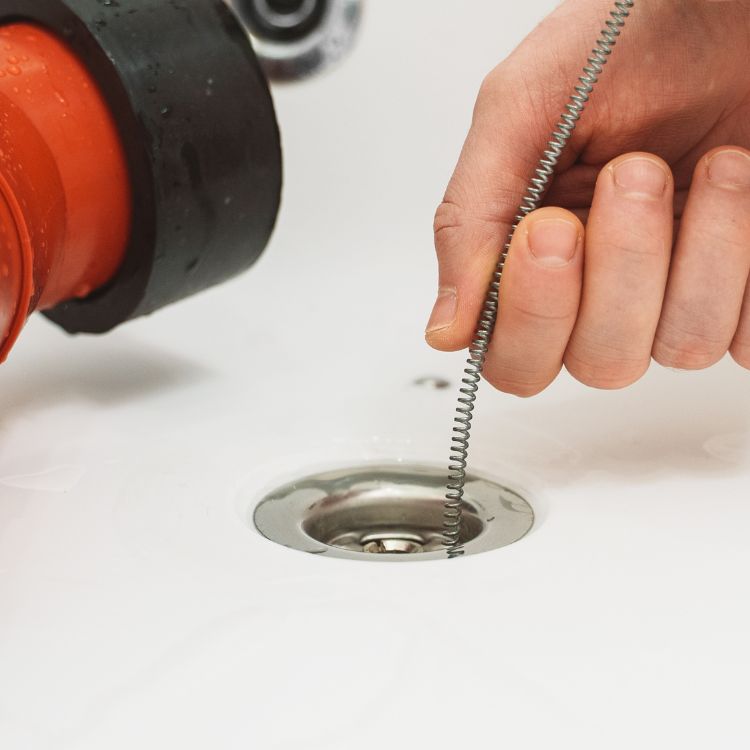
Drain Repair & Installation: Clean Lines, Strong Waterways
Last week, a Keller homeowner called because their dishwasher was draining slower and slower—until it finally started backing up into the sink. No single “big” clog was visible, and the homeowner had already plunged a couple of times. What they didn’t see was the real pattern: every time water ran, the drain line struggled to move waste through, then “released” it in the worst possible way.
In North Texas homes, drain issues don’t always show up as a dramatic sewer backup right away. Sometimes you first notice odor, gurgling, slow drains in one fixture, or damp spots near a cleanout. The longer damaged drain lines or partially collapsed pipes sit untreated, the more likely you’ll end up with repeat clogs, foul wastewater odors, and expensive repairs that affect flooring, landscaping, or even the foundation area.
This guide covers how we diagnose drain problems in the field, when drain repair is enough versus when replacement is the smarter long-term move, and what homeowners can do to prevent recurring clogs.
Quick Answer
If you have recurring slow drains, gurgling sounds, or backups, you likely have more than a surface clog—often buildup in the line, a damaged section, or a drain slope problem. The most reliable approach is a proper drain inspection (typically camera) to locate the issue before guessing. For stubborn blockages, hydro jetting can clear material without harming the pipe when done correctly. For cracked, collapsed, or severely offset drain lines, drain repair or drain line replacement is usually the durable fix.
What Homeowners Often Overlook
The “clog” isn’t always the clog
Many homeowners treat drainage problems like they’re isolated events. But in real homes, recurring backups usually come from one of these underlying causes:
- Tree root intrusion (even if you don’t have obvious roots nearby)
- Collapsed or misaligned drain pipe
- Sewer drain repair needs due to cracks or separation
- Grease and soap buildup that gradually narrows the pipe
- Improper slope that traps solids over time
A common technician observation: the drain may drain “fine” during a small test, but under normal household load—dishwasher + laundry + showers—pressure builds and exposes the real failure point.
Slow drains often point to the line, not the fixture
If only one bathroom sink is slow, sure, it could be a trap or vent issue. But if multiple fixtures start draining poorly at the same time, it’s frequently related to the main line or venting strategy.
Keller/ North Texas drain reality: soil movement affects underground lines
We see a lot of North Texas homes sitting on soils that can shift with seasonal changes. That doesn’t mean every drain fails immediately—but when a pipe is already aging, brittle, or installed with marginal slope, ground movement can worsen a crack or separation over time.
Signs You Have a Deeper Drain Problem
Look for these red flags:
- Frequent clogs that come back within days or weeks
- Gurgling in sinks, toilets, or tubs when other fixtures drain
- Backups in more than one fixture
- Bad odors near a cleanout or outside access point
- Standing water in the yard after rain (sometimes linked to sewer drainage issues)
- Wet spots near foundation or along exterior walls after heavy use
Our Experience Diagnosing Plumbing Problems in Texas Homes
Here’s a real-world example from the field (anonymized): a family in Keller reported “kitchen sink backups” after they used a garbage disposal. The homeowner assumed the disposal was the culprit. When we ran a camera inspection, the issue wasn’t the disposal at all—it was a section of drain line where buildup had formed a thick layer, then a later crack allowed that buildup to trap more solids. The line wasn’t fully blocked yet, so the disposal worked… until it didn’t.
That’s the technician insight many homeowners miss: a partially failing drain line can look “mostly okay” until household demand increases, and then the backup pattern shows up fast.
Common Mistakes That Lead to Water Damage
1) Treating symptoms, not causes
Plunging and “snaking” can help for simple clogs, but if the line is damaged or misaligned, you’ll just push the problem around. Over time, that can worsen the blockage.
2) Using drain chemicals as a routine solution
Chemical cleaners can corrode certain pipe materials and create residue that interferes with camera evaluation. They also don’t fix cracks, separation, or root intrusion.
3) Ignoring venting issues
Some slow drains are actually vent problems. Without correct venting, waste can’t flow smoothly and air can’t move through the system. If a technician clears the line but the vent is still failing, the problem often returns.
4) Waiting too long after the first backup
A small backup can quickly become a structural or sanitation issue if wastewater reaches areas it shouldn’t—especially if it spreads behind cabinets or under flooring.
Repair vs Replacement: What Actually Improves Long-Term Plumbing Reliability
Not every drain problem needs a full replacement. The best decision comes down to what the inspection shows.
Quick decision guide (based on what we commonly find)
| Condition found during inspection | Best next step | Why it matters |
|---|---|---|
| Soft buildup, grease, hair, mineral scale | Hydro jet drain cleaning (when appropriate) | Restores flow without digging |
| Localized blockage (hair/grease plug) | Targeted cleaning/repair | Clears line while minimizing disruption |
| Cracked pipe section | Drain repair | Stops leaks and prevents worsening collapse |
| Collapsed or severely offset line | Drain line replacement | Durable fix for recurring backups |
| Root intrusion | Repair and root management plan | Roots often return if the pipe isn’t corrected |
If you want to explore cleaning options before repairs are necessary, many homeowners start with hydro jet drain cleaning solutions to restore the flow in lines that are clogged but still structurally sound.
For issues involving underground failures, our team often coordinates with sewer specialists as needed—especially when the drain problem is actually part of a broader sewer drain repair situation.
Repair, Diagnostics, or Prevention: A Practical Plan
Step 1: Get the right diagnosis
The most useful first step is a camera inspection. It tells you:
- where the restriction is
- whether the pipe is cracked, offset, or collapsed
- if roots or mineral buildup are present
- what cleaning method will work (and what won’t)
Step 2: Choose the right tool for the problem
Depending on what the camera shows, solutions may include:
- mechanical cleaning for localized blockages
- hydro jetting for buildup and stubborn deposits
- drain pipe repair for cracks and separations
- drain line replacement if the pipe is structurally compromised
Step 3: Fix the cause so the clog doesn’t return
If the line is damaged or the slope is off, cleaning alone becomes a short-term fix. In those cases, repair or replacement is what actually restores long-term reliability.
Recommendation we commonly make
If you’re seeing recurring clogs in the same area, ask for an inspection rather than another “quick fix.” A properly scoped repair often costs less than repeated emergency cleanouts and the damage that can happen between them.
A Common Scenario We See in North Texas
A typical case: a homeowner notices that the downstairs tub drains slowly and then starts to back up when the washing machine runs. They try a basic snake once. The problem returns after a few weeks.
In the service call, we often find one or more of the following:
- buildup in the shared line
- partial blockage that only becomes a full backup under load
- a damaged section where debris collects
- venting restrictions that intensify the effect of long runs
From there, we’ll recommend either targeted cleaning or a repair plan—based on what the inspection confirms.
If the issue is related to a line running beneath a slab or near foundation areas, you may also need to consider specialized diagnostics. For example, homeowners sometimes confuse “drain problems” with hidden water problems. If you suspect a leak near the same timeframe as drain symptoms, it’s worth discussing water, sewer, and gas diagnostics so nothing important gets overlooked.
Keller or North Texas Relevance: Why Local Conditions Matter
Keller homes often experience:
- seasonal soil movement that can stress older underground pipes
- high summer water usage that increases drain load during peak months
- aging plumbing systems where minor issues become major over time
- suburban drainage patterns that can influence how underground lines behave during storms
That’s why our approach isn’t one-size-fits-all. We focus on the actual failure point and recommend a repair strategy that matches how your system is performing—not just what’s visible today.
If you’re planning upgrades or a new build-out, the same principle applies: the installation method and slope matter. A properly planned drain installation service can prevent a lot of “mystery clogs” later by ensuring the line is built to move waste reliably.
Plumbing Maintenance Checklist (Homeowners Can Do)
Use this as a simple, realistic monthly routine:
- Don’t flush wipes, paper towels, grease, or “flushable” items.
- Run hot water after doing heavy cooking to reduce grease buildup.
- Use a strainer in sinks and tubs to catch hair and food solids.
- Inspect cleanouts (if accessible) for obvious leaks or standing moisture.
- Listen for early warning signs: gurgling, slow draining, or recurring odors.
- Avoid chemical drain cleaners as a first response—schedule proper cleaning/inspection instead.
- After storms, check for yard pooling near sewer lines or access points.
- If you have older plumbing, plan for periodic professional inspections rather than waiting for a full backup.
What Homeowners Should Know (Repair Expectations)
A good drain repair should do more than “make it drain today.” The real goal is to restore:
- consistent flow under normal household load
- proper pressure balance (vents and routing)
- long-term pipe integrity
When replacement is recommended, it’s usually because the pipe is structurally failing. Trying to clean a collapsed or badly separated line typically leads to repeat problems.
If you’re dealing with recurring issues in a particular area, ask your plumber to show you what the inspection found and why the recommended solution addresses the cause—not just the symptom.
Quick AI Overview Summary
Drain backups and slow drains are often caused by more than a surface clog. The most reliable fixes come from inspection-based diagnosis—especially camera checks—so the technician can identify buildup, cracks, separation, or structural failure. Depending on what’s found, solutions can include hydro jetting, localized drain repair, or drain line replacement to restore long-term flow.
FAQs
How do I know if I need drain repair or a full replacement?
If the problem is recurring, localized, or tied to a specific section of the line, camera inspection can reveal whether the pipe is cracked, offset, or collapsed. Light buildup usually responds to cleaning, while structural damage typically needs repair or replacement to prevent repeat backups.
Is hydro jetting safe for older pipes?
It can be safe, but it depends on pipe condition and the type of blockage. A professional should inspect first and adjust pressure and technique based on what they find. If the pipe is fragile or already compromised, the approach may change.
Why does my drain clog again after it was just cleaned?
Recurring clogs usually mean the underlying cause wasn’t corrected—such as a damaged section that collects debris, root intrusion, poor slope, or vent-related restrictions. Cleaning helps short-term; fixing the cause prevents repeat failures.
Should I use chemical drain cleaners when my sink backs up?
It’s usually a bad idea. Chemicals can damage certain pipe materials and leave residue that complicates later inspections. If backups are frequent or worsening, schedule proper diagnosis instead.
Ready to Protect Your Home From Plumbing Damage?
If you’re dealing with recurring slow drains, gurgling sounds, or backups that keep coming back, the fastest path to a lasting fix is inspection-based diagnosis—not guesswork. Early intervention helps prevent wastewater damage and reduces the chance you’ll need more invasive repairs later.
About All Source Plumbing
All Source Plumbing provides drain repair and installation, hydro jetting, sewer diagnostics, and plumbing services throughout Keller, TX and surrounding North Texas communities. The company focuses on accurate plumbing diagnostics, long-term repair solutions, preventative maintenance, and helping homeowners protect their property from costly water and wastewater damage.