
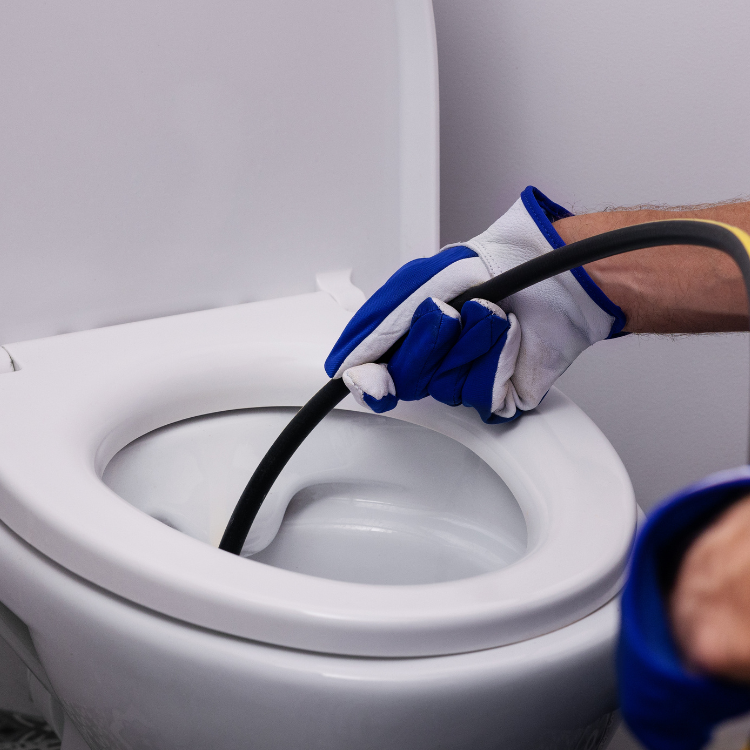
Drain Repair & Installation: Choosing the Right Solution
Last spring, a Keller homeowner called because their bathtub was draining slowly—then, after a heavy weekend of rain, the kitchen sink started backing up. The odd part wasn’t just the clog. They could smell sewer gas near the garage and noticed damp spots around the slab edges after storms.
That combination—slow drains, recurring backups, and moisture at the foundation—usually points to more than a “simple clog.” In North Texas homes, drain issues can involve damaged drain lines, displaced pipe joints, tree-root intrusion, or even a failing main drain connection. Choosing the right drain repair or installation solution early can prevent ongoing backups, water damage, and the kind of repair costs that get much worse once the problem spreads.
Quick Answer
When you need drain repair, the right solution depends on where the failure is happening and how severe it is:
- If the problem is mostly buildup or a localized blockage, drain cleaning (often with hydro jetting) may solve it.
- If the drain pipe is cracked, collapsed, or repeatedly clogged, drain pipe repair or drain line replacement is usually the durable fix.
- If the line needs to be rebuilt or extended, a new drain installation / plumbing drain installation with proper slope and materials prevents “the same problem later.”
A professional diagnosis matters because “clearing the clog” doesn’t fix the underlying pipe damage that’s causing recurring backups.
Signs You May Need More Than Drain Cleaning
From a technician’s perspective, the difference between “cleaning will fix it” and “we’re treating the symptom” often shows up in patterns:
Common warning signs
- Backups that return within weeks
- Multiple fixtures clogging at once (bathtub + kitchen + laundry)
- Gurgling noises when water drains
- Sewer odor near drains, vents, or exterior cleanouts
- Slow draining after storms (when groundwater pressure changes)
- Damp soil or moisture near foundation edges
- Toilets or floor drains that drain slowly or not at all
A firsthand observation we see often
One of the most consistent clues: when homeowners report that a drain “clears” after a service call but the very next heavy-use day (laundry day, holiday cooking, etc.) it backs up again, we’re usually dealing with pipe issues—like a partial collapse, a sag in the line, or a crack that allows debris to collect.
A thorough evaluation helps you avoid paying for repeated cleanouts that never address the failure point.
Choosing the Right Drain Repair vs. Drain Installation
Think of drain work in two categories: restoring flow in an existing line and rebuilding the system when the line can’t perform reliably anymore.
1) Drain repair (when the pipe can be saved)
Drain repair is the right choice when damage is localized—such as:
- a broken section between cleanouts
- a cracked joint
- a section that can be accessed and restored without replacing the entire run
A good repair also accounts for slope, alignment, and proper connection methods. If those are off, the repaired section may fail faster because debris will keep collecting.
2) Drain line replacement (when the line is failing)
Replacement becomes the best option when:
- the line has multiple problem areas
- there’s significant deterioration, corrosion, or collapse
- repeated clogs are caused by structural issues (not just buildup)
- the pipe is too deteriorated to patch reliably
- you’re dealing with a main drain line issue affecting multiple fixtures
In those cases, replacement is often the most cost-effective path over time.
3) Drain installation (when you’re adding or re-routing)
You choose drain installation when:
- you’re adding a fixture (bath remodel, new laundry room)
- you’re extending lines for new construction
- you need a better routing path to correct drainage performance
A new line is only as good as the layout and slope. In North Texas homes with changing soil conditions, proper planning matters.
If you need help with line planning and recurring trouble areas, you can also explore general plumbing repairs for a broader diagnostic approach when multiple systems seem connected.
Quick Comparison: Repair vs. Replacement
| Situation | Typical Best Fit | Why |
|---|---|---|
| One fixture clog that clears and stays clear | Drain cleaning | Usually buildup/obstruction, not structural failure |
| Recurring clogs in the same area | Drain repair or line replacement | Pipe damage or poor flow condition causes repeated buildup |
| Multiple fixtures backing up | Main line service | Likely downstream restriction or main line failure |
| Sewer odor + damp spots near foundation | Deeper line evaluation | May indicate broken or leaking drain/sewer components |
| Visible damage at access points | Repair/replace that section | Localized failure can often be addressed efficiently |
What Homeowners Often Overlook
“It drained after the service call, so it must be fixed.”
That’s the most common assumption we hear. Clearing a blockage can restore flow temporarily, but if the line has a crack, sag, or collapsed section, the next cycle of use will bring the problem back.
Failing to watch the pattern
Homeowners notice “slow drains,” but the details—which fixtures are affected, how quickly it returns, whether storms trigger it—are often the difference between a quick fix and an expensive rebuild.
Not using the right tool for the job
A partial approach can make things worse. For example, repeatedly using a mechanical snake without evaluating the line condition may dislodge debris temporarily while leaving the underlying restriction or damage intact.
If the issue may connect to broader sewer performance, it can help to review sewer repairs—especially when the symptoms suggest the problem is beyond a single branch line.
Common Mistakes That Lead to Water Damage
Here are the mistakes that most often turn a manageable drain issue into a property-damaging emergency:
Mistake 1: Waiting too long after recurring backups
Every time wastewater backs up, it has a chance to escape into nearby materials—especially around penetrations, slab edges, or behind walls.
Mistake 2: Treating smells as “just odor”
Sewer odor is often a sign of pressure changes, venting problems, or leaks in the drain system. Ignoring it can hide an active failure.
Mistake 3: Over-reliance on chemical drain cleaners
Chemicals can:
- damage some pipe materials over time
- create residues that make later cleaning less effective
- increase risk if there’s a leak or damaged joint
Mistake 4: Not addressing root cause
If the drain line is failing structurally, repeatedly “clearing” the symptoms becomes expensive and frustrating.
Our Experience Diagnosing Plumbing Problems in Texas Homes
In North Texas, drain problems don’t always behave the way people expect because of how homes are built and how soil behaves here. We frequently see:
- settling that creates low points in drain lines (where debris collects)
- older pipe materials that deteriorate and become more prone to blockages
- storm events that increase groundwater pressure and expose weaknesses in joints
Technician insight: what we look for during evaluation
When we investigate a recurring backup, we typically focus on:
- where the line is restricted (the failure point matters)
- whether there’s a sag or misalignment
- signs of cracked pipe or joint separation
- whether the issue belongs to a branch line or the main drain connection
For more aggressive buildup or when a line needs thorough clearing, our teams often use hydro jetting as part of the strategy—especially when we’re confident the pipe is still structurally sound.
And if you’re dealing with frequent clogs, it’s worth considering drain cleaning services early to prevent debris from building up into a larger blockage.
Repair, Replacement, or Diagnostics: What We Recommend
A practical approach is to match the solution to the condition of the line.
When diagnostics come first
If you have one or more of these, diagnostics should be part of the plan:
- recurring backups
- multiple fixtures affected
- sewer odor plus slow draining
- dampness near foundation
- drain issues that surge after storms
A proper evaluation prevents guesswork and helps ensure the repair actually holds up.
When cleaning is the right first step
If the issue is clearly localized—like a single sink that’s backing up due to grease buildup—cleaning can often restore performance.
If you suspect heavy buildup, hydro jet drain cleaning solutions may be a better option than repeated mechanical snaking alone, depending on pipe condition.
When replacement is the smart long-term move
If the line is cracked, collapsed, or repeatedly failing, replacement is usually the durable choice. In some cases, trenchless methods may reduce disruption, but the best path depends on the pipe’s condition.
If your situation involves a more extensive sewer line concern, you may also want to review trenchless sewer replacement as a planning reference when the full line needs rebuilding.
Real Example: A North Texas Drain Repair Case (Anonymized)
A family in Keller reported that their laundry drain began backing up into the utility sink. They had already paid for a “quick unclog” twice.
On inspection, we found that the laundry line connected to a section of drain pipe that had developed a low spot. Debris collected there quickly, especially after heavy detergent use. The first cleanouts cleared the obstruction, but the low point continued to trap material.
The solution was not another round of clearing. We performed targeted drain pipe repair and corrected the flow condition for long-term reliability. After the repair, the laundry system drained consistently—even during high-use weeks.
The takeaway: when the pattern repeats, it’s often the line condition, not just the clog.
Keller & North Texas Relevance: Why This Matters Locally
Keller and much of North Texas includes many slab-on-grade homes with varying soil movement and seasonal shifts. That matters for drains because:
- settling can create “catch points” in drain lines
- older systems can develop joint weaknesses over time
- storm-related drainage strain can worsen existing line problems
If you’re seeing recurring drain backups, damp areas, or sewer odors in Keller, don’t wait for the issue to “go away.” Early evaluation can prevent the kind of hidden damage that turns simple plumbing work into foundation-related repairs.
Plumbing Maintenance Checklist (Preventive Steps That Actually Help)
Use this checklist to reduce the chance of recurring drain problems:
- Watch for slow draining: address it early instead of waiting for a full backup.
- Avoid grease and food scraps down kitchen drains (use a strainer).
- Flush only what belongs in the toilet—no wipes, paper towels, or “flushable” items.
- Use drain strainers in sinks and tubs.
- Run hot water briefly after heavy use (not boiling—just enough to help clear oils).
- Inspect exterior cleanouts and make sure they’re accessible and not buried.
- After storms, check for damp spots near slab edges and listen for unusual gurgling.
- Schedule professional cleaning if you have a history of recurring clogs.
FAQ
How do I know if I need drain repair or drain replacement?
If the problem returns quickly after cleaning, affects multiple fixtures, or includes sewer odor and dampness, replacement or repair is more likely than another one-time clog removal. A professional evaluation helps determine whether the issue is buildup or structural damage (cracks, sagging sections, joint separation, or collapse).
Can hydro jetting damage older drain pipes?
Hydro jetting is powerful, but it’s not automatically a “bad idea.” The key is pipe condition. If a line is structurally compromised, high-pressure cleaning may not be the best first step. A technician should evaluate the situation and choose the safest approach.
Why does my drain back up after heavy rain?
Rain can change groundwater pressure and increase strain on drain and sewer connections. If a line has weak joints, a low spot, or partial obstruction, storms often trigger backup sooner than normal day-to-day use.
Should I keep using chemical drain cleaners?
It’s usually a poor long-term strategy. Chemicals can leave residues, damage certain materials, and make later cleaning less effective. If you’re dealing with recurring clogs, the better approach is diagnostic work and professional cleaning or repair.
Ready to Protect Your Home From Plumbing Damage?
If you’re dealing with recurring backups, slow drains, sewer odors, or moisture that shows up after storms, the best next step is a targeted evaluation—so you choose the right repair or installation solution the first time.
About All Source Plumbing
All Source Plumbing provides drain repair and installation, hydro jetting, sewer diagnostics, and emergency plumbing support throughout Keller, TX and surrounding North Texas communities. Our focus is on accurate diagnosis, practical solutions that hold up long-term, and helping homeowners protect their homes from costly water damage through professional plumbing services.