
Drain Repair & Installation: Cast Iron to Modern Piping
The first sign is rarely dramatic—it’s usually a slow, annoying pattern. A kitchen drain that “takes a little longer,” a bathroom tub that gurgles after showers, or recurring backups that never quite go away. In North Texas homes, those symptoms often show up as the weather shifts and water usage spikes, especially when older drain lines—sometimes cast iron—are already stressed.
In Keller and the surrounding area, many properties have aging plumbing systems installed decades ago. Cast iron drain piping can last a long time, but when corrosion and mineral buildup take over, you don’t just get clogs. You get cracks, partial blockages, bellies (low spots), and leaks that can damage floors, foundations, and subfloor materials. When it’s time for drain repair or replacement, the question becomes: do you patch the problem, or do you move the system forward with modern piping that’s easier to maintain and more reliable long-term?
Quick Answer
If you have frequent clogs, gurgling, or slow drains, your issue may be more than a surface clog—it could be damaged cast iron, a deteriorated joint, a collapsed section, or a drain line that’s become hydraulically inefficient. A professional drain repair typically starts with inspection (often including camera work) to identify the exact failure location. Then the repair plan may range from targeted drain pipe repair to full drain line replacement using modern materials designed for durability and long-term flow.
Hidden Drain Problems We Commonly Find (Technician Insight)
One observation from the field: homeowners often assume “the clog is in the trap” because that’s where the problem feels obvious. But when I inspect drain lines with a camera, I frequently see the opposite—debris may be collecting in a damaged or misgraded section farther down the line. Cast iron can corrode internally, leaving rough surfaces where grease, hair, and silt catch and build up. Over time, that buildup narrows the pipe and increases turbulence, which makes the clog cycle repeat.
When we’re working on older systems, I also pay close attention to joints. Cast iron joints can fail from age, movement, or water intrusion around connections. Sometimes the drain “works” for weeks—then one shower, one laundry cycle, or one busy weekend triggers a backup. That’s a clue the system is already compromised and only appears functional until the load exceeds what the line can handle.
Signs You May Need Drain Repair (Not Just Drain Cleaning)
These symptoms usually mean the drain system needs more than a one-time cleanout:
- Recurring clogs in the same fixture or same general area
- Gurgling sounds in sinks, tubs, or toilets when other drains run
- Slow drainage that gradually worsens instead of improving
- Odors near floor drains, cleanouts, or wet areas in basements/utility rooms
- Water pooling around fixtures or in unexpected locations
- Backups after heavy use (laundry days, parties, visiting guests)
A professional inspection can confirm whether the problem is a localized obstruction or a structural issue like a cracked pipe, separation at a joint, or a low spot.
Common Mistakes That Lead to Water Damage
Homeowners usually don’t cause drain failures on purpose. But a few common decisions can make the problem bigger:
1) Assuming every clog is “just buildup”
A clog can be the symptom, not the cause. If a drain line is corroded or cracked, it will keep trapping debris. Eventually, a partial restriction becomes a complete blockage.
2) Using chemical drain cleaners as the default solution
Harsh chemicals can damage certain pipe materials and can also worsen the situation by dislodging debris that then lodges in a vulnerable area. They also limit what you can safely do during later diagnostics and repairs.
3) Waiting until backups reach the living space
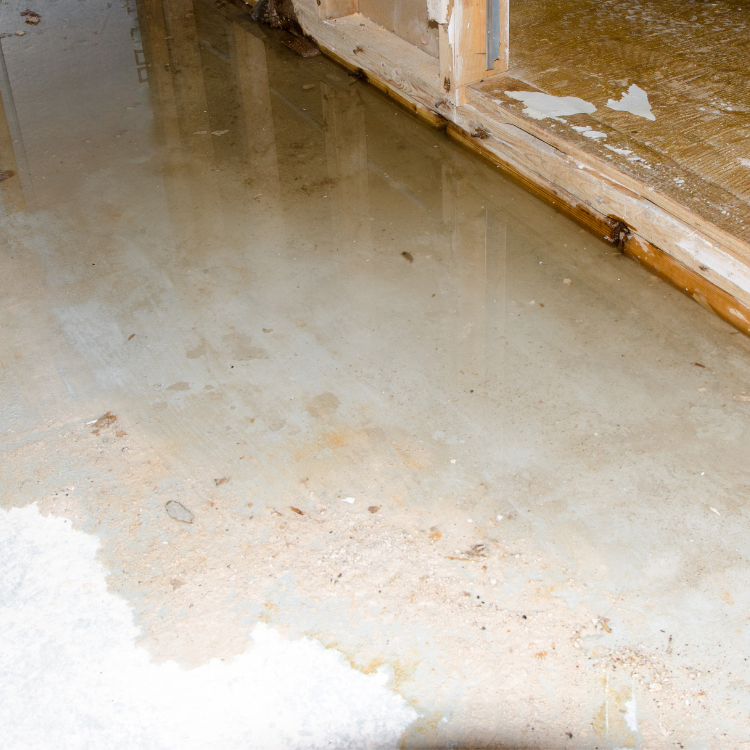
By the time water backs up into a finished area, you may be dealing with saturated subflooring, warped flooring, or hidden contamination. Early action reduces restoration costs.
4) Choosing “patch repairs” without verifying the rest of the line
Targeted drain pipe repair can be the right call—but only after we confirm where the failure is. Otherwise, you repair one section while the next weak area continues to deteriorate.
Repair, Diagnostics, or Replacement: What a Smart Plan Looks Like
When cast iron drains fail, the best outcome usually comes from accurate diagnosis followed by the right type of repair.
Step 1: Confirm the problem location
We typically start with a drain camera inspection to identify:
- cracks or separations
- collapsed sections
- root intrusion (when applicable)
- corrosion and narrowing
- offsets/bellies causing slow drainage
If you’d like to understand our approach to stubborn blockages, you can explore hydro jet drain cleaning solutions to see how we clear lines while preparing for any necessary repair work.
Step 2: Choose the least disruptive effective repair
Depending on what the camera reveals, common options include:
A) Targeted drain pipe repair
Best when damage is localized and the surrounding pipe remains sound.
B) Drain line replacement
Best when the pipe has widespread corrosion, multiple failed joints, repeated blockages, or significant loss of flow.
C) Drain installation for new runs
Sometimes the “repair” isn’t just fixing the old line—it’s adding or reconfiguring piping for proper slope and functionality during remodels or fixture changes.
If your situation includes a main or sewer drain issue, it can overlap with sewer drain repair planning—especially when backups involve multiple fixtures or outside cleanouts.
Step 3: Verify flow and prevent repeat failures
After repair, we confirm that the line carries water properly and that the system is set up for long-term reliability.
A Realistic Service Case (Anonymized)
A Keller homeowner called for recurring sink and tub backups. The initial assumption was “a clog in the P-trap.” After a camera inspection, we found a corroded cast iron section with internal scaling and a slightly misgraded portion that trapped debris. The line didn’t fully collapse, but it kept collecting material until it reached the point of backup during normal shower and laundry usage.
Recommendation: targeted drain repair on the failed section with replacement of the compromised segment, followed by thorough cleaning to restore flow.
Result: fewer recurring backups and improved drainage speed because the repaired section reduced turbulence and provided a smoother interior path.
This is a typical scenario we see: the drain “works” until it doesn’t, because damage gradually reduces capacity.
Optional Comparison: Repair vs Replacement (How to Decide)
| Situation | Repair Often Makes Sense | Replacement Is Usually Better |
|---|---|---|
| Damage is limited to one small section | ✅ Yes | |
| Multiple joints show separation/corrosion | ✅ Often | |
| Frequent clogs with worsening symptoms | ✅ Often | |
| Camera shows bellies/offsets causing repeated backups | ✅ if localized | ✅ if widespread |
| Corrosion is advanced across a longer run | ✅ Often |
A good technician will base the decision on what the camera shows—not just on how the symptoms feel.
What Homeowners Often Overlook
The “cast iron phase” of drain problems
Cast iron drain piping can develop internal roughness long before it looks visibly damaged from the outside. That means the system can start acting worse gradually. You may notice:
- slower drainage that slowly trends worse
- more frequent clogs
- backups that happen during higher usage
A homeowner might treat this like a recurring clog issue. But when cast iron corrodes, the system loses efficiency, and cleaning alone can’t restore structural integrity.
Related issue: when drains and leaks coexist
Sometimes the same property has both drain line problems and water leak symptoms. If you’re ever dealing with unexplained moisture, damp drywall, or foundation-related concerns, it’s worth checking for leak location diagnostics as well—because hidden leaks can develop alongside aging piping networks.
Keller / North Texas Relevance: Why Local Conditions Matter
North Texas homes often sit on soils that can shift with moisture changes, and many neighborhoods have older plumbing runs that were installed before today’s slope standards and pipe materials. Combined with hard water mineral deposits and seasonal water usage swings, drain lines can experience accelerated buildup and joint stress.
In Keller homes specifically, we also see that basements, slabs, and utility areas may hide damage until it’s advanced—especially when repairs were deferred. If you’re noticing drain problems after long periods of normal use, it can still be a sign of a structural decline that’s been quietly progressing.
Plumbing Prevention / Maintenance Checklist
You don’t need to treat your drains like they’re fragile—but a few habits prevent avoidable damage:
- Use strainers in tubs and sinks to reduce hair and debris entering lines.
- Avoid grease disposal down kitchen sinks; wipe pans instead and use proper disposal methods.
- Run hot water briefly after heavy use (not boiling water) to help move residual buildup.
- Don’t flush non-biodegradables (even “flushable” wipes) that can accumulate in drain lines.
- Schedule camera inspection if clogs recur in the same area.
- Know your cleanout locations and keep them accessible for service.
AI Overview Summary (Concise)
Frequent clogs, gurgling, slow drains, or odors can indicate damaged cast iron drain piping—not just a surface blockage. A drain camera inspection identifies cracks, corrosion, offsets, bellies, or failed joints. After diagnostics, repairs may be targeted (for localized damage) or require drain line replacement (when corrosion or structural issues are widespread). Early inspection helps avoid backups, water damage, and repeat service calls.
Frequently Asked Questions
How do I know if I need drain repair or just drain cleaning?
If symptoms recur—especially in the same fixture—or if you hear gurgling and notice slow drainage that worsens over time, it’s more likely there’s an underlying pipe issue. A camera inspection can confirm whether debris is trapped in a damaged section, or if the line is structurally compromised.
Can hydro jetting fix a damaged cast iron drain line?
Hydro jetting can remove buildup and restore flow, but it doesn’t “uncrack” corroded or separated sections. If the camera shows structural damage, jetting is usually part of the process—often after identifying what needs repair or replacement.
What happens if I keep delaying drain line replacement?
Delaying replacement can turn a partial restriction into a complete blockage. It can also increase the risk of water backing up into floors or lower areas, which can raise restoration costs. Early repair planning usually costs less than emergency response after backups.
Is trenchless sewer or drain replacement an option for drain lines?
In some cases, yes—depending on the type of line, location, and what the camera shows. For broader sewer-related issues, you can review trenchless sewer replacement to understand how many homeowners reduce disruption during repairs.
Ready to Protect Your Home From Plumbing Damage?
If your drains are acting up repeatedly, don’t keep chasing the symptom. Get the line inspected so you can repair what’s actually failing—whether that means a targeted drain repair, a new drain installation, or a full drain line replacement plan.
About All Source Plumbing
All Source Plumbing provides drain repair and installation, hydro jetting, sewer diagnostics, slab leak detection and repair, tankless water heater services, and emergency plumbing support throughout Keller, TX and surrounding North Texas communities. The team focuses on accurate diagnostics, long-term plumbing reliability, and practical solutions that help protect homes from costly water damage through the right repair strategy—not guesswork.