
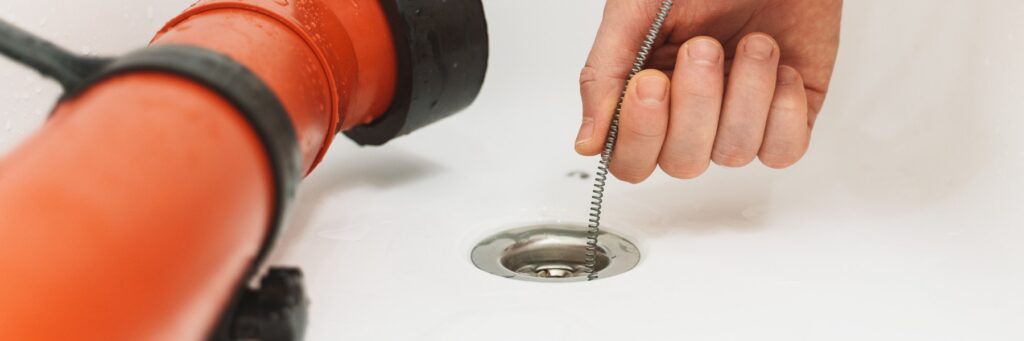
Thanksgiving is one of the busiest days of the year for kitchen drains. Here is what to keep out of your Keller, TX sink, how to tell a simple trap clog from a deeper line problem, and when to stop plunging and call for professional drain cleaning.
Thanksgiving puts more food waste through a kitchen sink in one afternoon than most homes see in a week. Roasting pans get rinsed, potato peels go down the disposal, and the dishwasher runs two or three times before the night is over. If a drain is already partly narrowed with old grease, the holiday is often the day it finally stops moving.
The frustrating part is that most of these clogs are preventable. The materials that cause trouble are predictable, and a few habits during prep and cleanup make a real difference. When a backup does happen, knowing whether it is a trap clog under the sink or a blockage farther down the line helps you decide what to try and what to leave alone.
This guide covers what not to pour down the sink, how to spot a developing clog before guests arrive, and what to do if the kitchen drain backs up in the middle of the meal.
Quick Answer
Keep fats, oils, and grease, starchy scraps like potato peels, rice, and pasta, fibrous trimmings like celery and onion skins, coffee grounds, and bones out of the sink and disposal. Wipe greasy pans with a paper towel before washing, scrape plates into the trash, and run the disposal with plenty of cold water in small batches. If the sink drains slowly, gurgles, or backs into the other basin, stop adding water and dishwasher loads. A plunger can clear a simple trap clog, but if water backs up in more than one fixture or returns quickly after clearing, the blockage is likely deeper in the line and needs professional drain cleaning.
What to Check First
Before you reach for a plunger or a bottle of drain cleaner, take two minutes to figure out where the clog probably is. That decides what will actually help.
Professional observation: Holiday kitchen clogs usually form where the sink drain meets the wall pipe or a few feet into the branch line, where grease cools and catches starch and food particles. A clog in the trap is local and usually responds to simple clearing. A clog that affects the dishwasher, both sink basins, and a nearby laundry or bathroom drain points to a blockage farther downstream.
1) Watch how the sink drains
Fill one basin a few inches and pull the stopper. A healthy kitchen drain empties steadily with a small swirl. Warning signs include:
- Water that drains in pulses or with loud gurgling
- Water rising in the second basin when the first one drains
- Food particles or grease film left behind after the water clears
- A sour or rotten smell from the drain opening
2) Check the dishwasher and disposal connection
Most dishwashers drain through the disposal or a branch tailpiece under the sink. If the dishwasher leaves standing water in the bottom, or water appears in the sink while the dishwasher pumps out, the shared drain path below the sink is restricted. Run the disposal briefly with cold water, then check again.
3) Look for signs beyond the kitchen
Run water in the nearest bathroom sink or tub and flush a toilet. If those drain normally, the clog is probably limited to the kitchen branch. If you hear gurgling in other fixtures or see water come up in a tub or floor drain, treat it as a possible main line problem and stop running water until it is checked.
| What you notice | Most likely location | Reasonable next step |
|---|---|---|
| Only one basin drains slowly | Sink tailpiece or trap | Plunge the basin with the other side sealed, or clean the trap |
| Both basins and dishwasher back up | Shared trap arm or kitchen branch line | Stop adding water and schedule drain cleaning |
| Water appears in other fixtures | Main sewer line | Stop water use and call for professional help |
| Clog clears, then returns within days | Grease buildup along the pipe wall | Professional cleaning; ask about hydro jetting |
Helpful related services
If your symptoms match, these service pages explain what is involved:
- Drain Cleaning for slow, clogged, or backing-up drains.
- Hydro Jetting for grease, scale, and root buildup that snaking leaves behind.
- Fixture Repair & Installation for faucets, shower valves, disposals, and fixtures.
- Emergency Plumbing if water is actively causing damage right now.
Main Things Customers Should Understand
Kitchen clogs are rarely caused by one bad decision. They build up over months, and the holiday load is what tips a narrowed pipe into a full stop. A few ideas make it easier to prevent that.
Grease does not stay liquid
Bacon drippings, turkey fat, butter, and gravy pour easily when hot, but they cool and solidify as they travel through the drain. Hot water and dish soap only move the grease a few feet farther before it hardens again. Over time it coats the pipe wall, and starches and food scraps stick to that coating.
The disposal is not a trash can
A garbage disposal grinds food into smaller pieces, but it does not make them disappear. Potato peels and rice turn into a paste, coffee grounds settle like sand, and fibrous scraps wrap around the impeller and form mats in the line. Small amounts with plenty of water are fine; holiday-size batches are not.
Chemical drain openers can cause more problems
Caustic drain products generate heat and can damage older pipes, soften plastic joints, and splash on skin if a plumber later needs to open the line. They also rarely clear a grease clog completely. If you have already poured one in and the sink is still full, tell your plumber before any work starts.
What pros look for: the location of the blockage, whether the line has a long-term grease coating, and whether the problem is limited to the kitchen branch or is part of a main line issue. That determines whether a cable machine is enough or whether the line needs jetting to restore its full diameter.
Why this matters in Keller, TX
Many homes in Keller were built from the 1980s through the 2000s, and a lot of them have kitchen drains that run a long horizontal distance under the slab before joining the main line. Long runs give grease more room to cool and settle, which is why some Keller kitchens clog repeatedly even when the rest of the house drains well.
Like much of North Texas, Keller has moderately hard water. Mineral scale inside older drain lines gives grease something to grip. If your kitchen sink has needed clearing more than once a year, it is worth having the line inspected rather than waiting for the next holiday backup.
What to Expect From Drain Cleaning Service in Keller
Knowing how a visit typically works makes it easier to plan. Every home is different, but a drain cleaning visit from All Source Plumbing generally follows these steps:
- We ask which fixtures are affected to determine whether the clog is local or in the main line.
- The right tool is chosen for the line, from a hand auger to a cable machine.
- When clogs recur, a camera inspection can show buildup, roots, or damaged pipe.
- We test the drain with running water to confirm it is clear.
- We share tips to help prevent the clog from returning.
What affects the cost
We explain options and pricing before work begins. The main factors are usually:
- Clog location and accessibility
- Whether a cleanout is available
- Need for camera inspection
- Whether hydro jetting is recommended
Questions worth asking your plumber
Good questions lead to better decisions. These are worth raising before you approve the work:
- Is the clog local or in the main line? The answer changes the tool and the urgency.
- Is there an accessible cleanout? Cleanouts make clearing faster and cleaner.
- Would a camera inspection help here? Recurring clogs often have a cause cleaning alone will not fix.
- Is hydro jetting a better fit than a cable? Grease and scale may need more than a snake.
- What can we do to prevent a repeat? Habits and maintenance often matter as much as the cleaning.
How to prepare for the visit
A few minutes of preparation helps the technician diagnose the problem faster:
- Note which fixtures are slow or backing up.
- Locate the sewer cleanout if you can.
- Clear space under affected sinks.
- Avoid using chemical cleaners before the visit.
Ask questions at any point. A clear explanation of what was found, and why a repair is recommended, is part of every visit.
Next practical step
Kitchen sink backing up before the big meal?
All Source Plumbing clears kitchen drain clogs throughout Keller and nearby cities and can tell you whether the problem is a simple trap clog or a deeper grease buildup.
View drain cleaning servicesCommon Mistakes to Avoid
A few common habits make holiday kitchen clogs worse or harder to fix.
- Pouring grease down with hot water: It only moves the grease farther into the pipe, where it hardens out of reach.
- Running large batches through the disposal: Feed scraps a little at a time with cold water running, and stop if the motor slows.
- Repeatedly running the dishwasher into a slow sink: Each cycle adds more water to a drain that cannot carry it and can push water onto the floor.
- Mixing drain chemicals: Combining products or following one with another can create dangerous fumes and heat.
- Ignoring gurgling in other fixtures: That is often the first warning of a main line blockage, not just a kitchen clog.
Customer Checklist
- Set out a can or jar for pan grease and let it cool before throwing it in the trash.
- Scrape plates and peelings into the trash or compost before rinsing.
- Run the disposal in short bursts with cold water and let it clear before adding more.
- Space out dishwasher loads so the drain has time to empty.
- Keep a sink plunger handy and know how to seal the second basin.
- If more than one drain is slow or gurgling, stop using water and call for help.
Representative scenario (anonymized)
A family in Keller hosted a large Thanksgiving dinner and noticed the kitchen sink draining slowly during cleanup. They kept running the dishwasher, and by evening both basins were full of gray water. The plunger moved the water briefly, but it came back each time. A drain cleaning visit found a thick grease and starch blockage several feet past the trap, where the kitchen line runs under the slab. After the line was cleared, the technician recommended keeping grease out of the sink and having the line checked again if slow draining returned, since the buildup had formed over several years rather than in one day.
Frequently Asked Questions
Is it safe to put potato peels down the garbage disposal?
Small amounts with plenty of running water are usually manageable, but large batches of potato peels form a starchy paste that can stick in the disposal outlet and the drain line. On a holiday when you are peeling several pounds of potatoes, it is safer to put the peels in the trash or compost and keep the disposal for small scraps.
Does running hot water after grease prevent clogs?
No. Hot water keeps grease liquid for a short distance, but the drain line cools it quickly and the grease hardens farther down the pipe where it is harder to reach. Let grease cool in a container and throw it away instead.
Why does water come up in one side of my sink when I use the other?
Double-basin sinks share a trap arm, so a clog below the point where the two sides join lets water from one basin rise in the other. It is a sign the blockage is in the shared section of the drain. Plunge with the other basin sealed, and if that does not clear it, call for drain cleaning.
When should a kitchen clog be treated as an emergency?
If water is backing up in multiple fixtures, sewage is coming up in a tub or floor drain, or water is overflowing onto floors and cabinets, stop using water and call for emergency plumbing. Those signs point to a main line problem that can cause water damage quickly.
Get your kitchen drain flowing again in Keller, TX
If your sink is slow, gurgling, or backing up before or after the holiday meal, All Source Plumbing can locate the blockage and clear it properly so it does not return next week.
Call (682) 760-4912Prefer to read more first? Visit our drain cleaning page.