
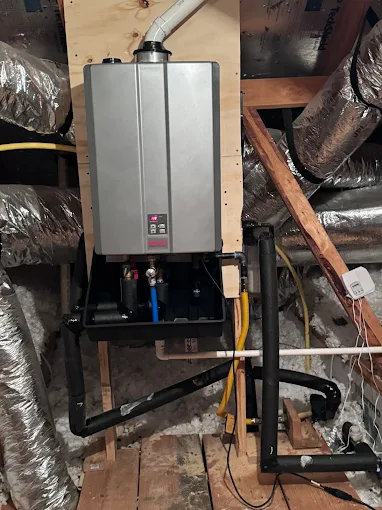
When a tankless water heater is new, it feels almost invisible. Hot water appears on demand, energy bills look better than they used to, and you barely think about the unit hanging on the wall. Fast forward a few years in a place like Keller, TX, with its hard water and seasonal temperature swings, and that same tankless system can start to show its age if it has not been properly maintained or repaired. That is when homeowners discover the real difference between a tankless heater that lasts 20 years and one that fails in less than 10: timely, professional repair and consistent care.
Tankless water heater repair for long lifespan is not just about fixing things when they break. It is about catching small performance issues early, understanding how mineral buildup and heavy usage affect your specific system, and making smart decisions about components before they fail unexpectedly. For families, that means fewer cold showers on busy mornings. For property owners and investors in Keller, it means avoiding expensive emergency calls and premature replacements that could have been prevented with the right repair strategy and maintenance routine.
All Source Plumbing works with tankless systems every day, and the pattern is clear: the heaters that receive periodic inspection, targeted repairs, and professional descaling almost always outlast those that are ignored until they quit. The same technology that makes tankless heaters efficient—high-powered burners or elements, compact heat exchangers, and electronic controls—also makes them sensitive to neglect. When you understand how and why these units fail, you can use repair and maintenance to extend their lifespan significantly and protect the investment you have already made in your home’s hot water system.
How Tankless Systems Age
Unlike standard tank-style heaters that simply hold and reheat a large volume of water, tankless units heat water on demand as it flows through a compact heat exchanger. Over time, especially with Keller’s mineral-rich water, calcium and magnesium begin to accumulate inside that exchanger and in the small internal passages. This scaling does not usually cause an instant breakdown, but it slowly chokes off efficiency, forcing the unit to work harder and hotter to produce the same temperature rise. Left unchecked, this extra strain shortens the lifespan of critical components and sets the stage for future repairs.
Tankless heaters also rely on a network of sensors—flow sensors, temperature sensors, and safety switches—to communicate with the control board. As these sensors age, or as they get coated with mineral deposits, they can send inaccurate readings. The result may be lukewarm water, fluctuating temperatures, or frequent shutting down with error codes. Many homeowners assume that a sensor issue means the whole unit is failing, but in reality, a targeted repair or sensor replacement performed early can restore normal function and add years to the heater’s service life.
Another aging factor is simple wear and tear from heavy usage. A busy household in Keller, TX, may run multiple showers, laundry, and the dishwasher back-to-back. Every time hot water is demanded, the burners or heating elements fire and the internal fan, gas valve, and ignition system spring into action. Over thousands of cycles, small parts like igniters, fans, and gaskets wear down. They are designed to be replaced, but if they are ignored when they first show signs of trouble—slow ignition, unusual noises, or intermittent hot water—they can cause larger, more expensive failures that impact the whole unit.
Warning Signs You Need Repair
One of the biggest contributors to a shortened tankless water heater lifespan is waiting too long to call for service. Most units do not simply fail without warning; they send up red flags weeks or months in advance. The most obvious sign is inconsistent water temperature. If your showers swing from hot to cold or never quite get as hot as they used to, it may indicate a failing sensor, scaling in the heat exchanger, or a gas supply issue. These are all repairable problems when caught early, and addressing them quickly keeps the system from operating under stress.
Another important warning sign is reduced water flow from hot taps only. When hot water pressure is noticeably weaker than cold, it often points to mineral buildup inside the heater or the hot water lines. In Keller’s hard water environment, this is common, and many homeowners assume they need a bigger unit when what they truly need is a professional descaling and possibly a few small repairs. Restoring proper flow not only makes your showers and sinks more comfortable but also allows the tankless heater to operate at its designed efficiency, which directly impacts longevity.
Unusual sounds and error codes are also signals you should not ignore. A healthy tankless unit will make some noise as the fan runs and the burner ignites, but loud banging, whistling, or rattling suggests a problem. Modern units will often display error codes that point to specific issues such as ignition failure, venting problems, or overheating. When All Source Plumbing technicians respond to these early warning signs in Keller, they can often resolve the issue with a targeted repair—replacing a fan, cleaning a flame sensor, adjusting gas pressure—rather than dealing with the aftermath of a major failure later on.
Key Repairs That Extend Lifespan
Not all repairs have equal impact on lifespan. Some simply restore operation, while others actually reduce long-term stress on the system. One of the most effective lifespan-extending services is professional descaling of the heat exchanger. This process involves circulating a cleaning solution through the unit to dissolve mineral deposits. When done correctly, it restores efficient heat transfer, reduces burner runtime, and keeps internal temperatures within safe design limits. For Keller, TX homeowners, scheduling descaling on a regular basis—based on water hardness and usage—can be the difference between a unit that lasts 8 years and one that easily surpasses 15.
Another critical category of repairs involves the ignition and combustion system in gas tankless heaters. Components such as the igniter, flame sensor, gas valve, and combustion fan all work together to light and maintain a stable flame. If any of these parts become weak or dirty, the unit may struggle to ignite, shut down frequently, or operate with an inefficient flame. Replacing a failing igniter or cleaning a flame sensor is a relatively simple repair for a professional, but it prevents repeated failed ignition attempts that can stress the system and, in some cases, create safety concerns.
For both gas and Electric tankless water heater models, repairing or replacing sensors and control boards at the right time is crucial. Temperature sensors, flow sensors, and pressure switches tell the unit how to respond to demand. When they malfunction, the heater may overheat, run at incorrect temperatures, or fail to modulate properly. All Source Plumbing technicians are trained to interpret error codes, test these components, and replace only what is necessary. This precision approach avoids unnecessary costs while ensuring that the system operates within its designed parameters, which is one of the most reliable ways to secure a long service life.
Maintenance Habits That Prevent Repairs
While professional repairs are essential, the longest-lived tankless water heaters in Keller have another thing in common: consistent maintenance habits. Homeowners who understand their system’s needs and follow a schedule dramatically reduce the frequency and severity of repairs. One of the simplest but most effective habits is annual or semi-annual flushing and descaling, depending on local water hardness and usage. This service removes accumulated minerals before they harden into stubborn deposits that damage components. When All Source Plumbing services a unit regularly, they can also spot early signs of wear and recommend minor repairs before they escalate.
Another powerful maintenance habit is keeping the air intake, venting, and surrounding area clean and unobstructed. Tankless units need adequate airflow for safe combustion and proper cooling. Dust, lint, and debris can accumulate around the unit, especially if it is installed in a garage, attic, or utility room. Periodic inspection and cleaning of the intake screen and ensuring that vents are free of nests, leaves, or other blockages protects the combustion system and prevents overheating. These small tasks, often overlooked, are vital for both safety and longevity.
Homeowners can also protect their tankless heater by addressing water quality. In Keller, TX, hard water is a fact of life, but its impact can be reduced. Installing a whole-home water softener or a dedicated scale reduction system upstream of the heater can dramatically cut down on mineral buildup. Even without additional equipment, simply following the manufacturer’s maintenance schedule and using the service valves for regular flushing goes a long way. When maintenance becomes routine rather than reactive, the need for large, expensive repairs declines, and the overall lifespan of the unit increases.
Why Professional Repair Matters
There is a temptation to treat tankless water heaters like simple appliances and attempt DIY repairs with online tutorials. However, these systems are more complex than many expect, particularly gas-fired units that involve combustion, venting, and gas line safety. An incorrect adjustment to gas pressure, an improperly sealed vent, or a miswired control board can create serious safety hazards and void the manufacturer’s warranty. Professional repair from a licensed plumber familiar with tankless technology—like the team at All Source Plumbing—ensures that issues are diagnosed accurately and corrected in a way that protects both your home and your heater’s lifespan.
Professional repair also matters because it is not just about swapping parts; it is about understanding the root cause of the problem. For example, a repeatedly failing igniter might not be a bad part issue but a symptom of incorrect combustion settings or inadequate venting. A technician with tankless experience will look beyond the obvious and evaluate gas supply, air intake, exhaust, and control settings. By addressing underlying issues rather than just symptoms, they prevent the same problem from returning and reduce cumulative wear on the system.
Finally, professional service creates a record of care for your tankless heater. When the same company maintains and repairs your unit over time, they become familiar with its history and can make smarter recommendations about when to repair and when to consider replacement. In many cases, All Source Plumbing can extend the practical life of a tankless unit in Keller with a strategic combination of repairs and maintenance, delaying the need for a costly new installation while keeping performance high and energy use under control.
Planning For The Long Term
Thinking about tankless water heater repair for long lifespan means shifting from a reactive mindset to a proactive one. Instead of waiting for a cold shower to force your hand, you schedule regular checkups and respond to small changes in performance. This approach is no different from how you might treat a vehicle: oil changes, inspections, and timely part replacements are what allow a car to reach high mileage. Your tankless water heater is a mechanical system with moving parts and sensitive electronics; it deserves the same level of planning if you want it to serve your home for 15–20 years.
In Keller, TX, that long-term plan should factor in local realities: hard water, seasonal usage patterns, and the age of your plumbing system. If your home has older pipes or inconsistent water pressure, sharing that information with your plumber helps them tailor a maintenance and repair strategy. Maybe you need more frequent descaling, or perhaps adding a pre-filter or pressure regulator would prevent recurring issues. Long lifespan is not an accident; it is the result of aligning your system’s needs with your household’s habits and the environment it operates in.
By partnering with a plumbing company that understands tankless technology, you also gain access to updates and improvements over time. Control board firmware updates, improved replacement parts, and better water treatment options can all be incorporated into your system during scheduled service visits. Instead of your heater slowly falling behind, it stays as efficient and reliable as possible throughout its life. That is the real value of focusing on repair and maintenance: you are not just keeping the unit alive; you are keeping it performing well enough that replacement becomes a choice, not a crisis.
Frequently Asked Questions
How often should I have my tankless water heater serviced in Keller, TX? In an area with hard water like Keller, most manufacturers and professionals recommend at least annual service, including inspection and descaling. Heavy-use households or homes without any water treatment may benefit from service every 6–9 months. During these visits, a technician will flush the system, check sensors and filters, inspect the burner or heating elements, and verify safe venting and gas pressures. Regular service is the single most effective way to extend the lifespan of your tankless unit.
What are the most common tankless water heater repairs? The most common repairs include descaling the heat exchanger, replacing igniters or flame sensors in gas units, cleaning or replacing water filters, and addressing faulty temperature or flow sensors. In some cases, control boards or fans may need replacement after many years of use. Many of these repairs are relatively minor when handled early but can lead to more serious failures if ignored. Working with a professional like All Source Plumbing helps ensure that only necessary parts are replaced and that underlying causes are addressed.
Can mineral buildup really shorten the life of my tankless water heater? Yes, mineral buildup is one of the main reasons tankless heaters fail early, especially in hard-water areas. Scaling inside the heat exchanger restricts water flow and makes it harder for the unit to transfer heat, which forces the burners or elements to work longer and hotter. Over time, this extra stress can crack heat exchangers, damage sensors, and cause overheating errors. Regular descaling and, if possible, adding water treatment or softening drastically reduce this risk and are key to achieving a long lifespan.
How do I know if a repair is worth it or if I should replace the unit? The decision depends on the age of the heater, the cost of the repair, and how well it has been maintained. As a general guideline, if your tankless unit is under 12–15 years old and has not had major recurring issues, most repairs are worth doing, especially if they restore full performance. If the heater is older, has multiple failing components, or has never been maintained, a trusted plumber may recommend replacement instead of investing in major repairs. All Source Plumbing can evaluate your specific system in Keller and provide honest guidance based on its condition.
Is it safe to attempt DIY repairs on a tankless water heater? Basic homeowner tasks like keeping the area around the unit clean, checking the vent for visible obstructions, and following the manufacturer’s instructions for simple flushing (if you are comfortable) are generally safe. However, repairs involving gas lines, venting, electrical components, or internal parts should be left to licensed professionals. Incorrect repairs can create carbon monoxide risks, gas leaks, electrical hazards, and may void your warranty. For safety, performance, and long-term lifespan, professional repair is strongly recommended.