
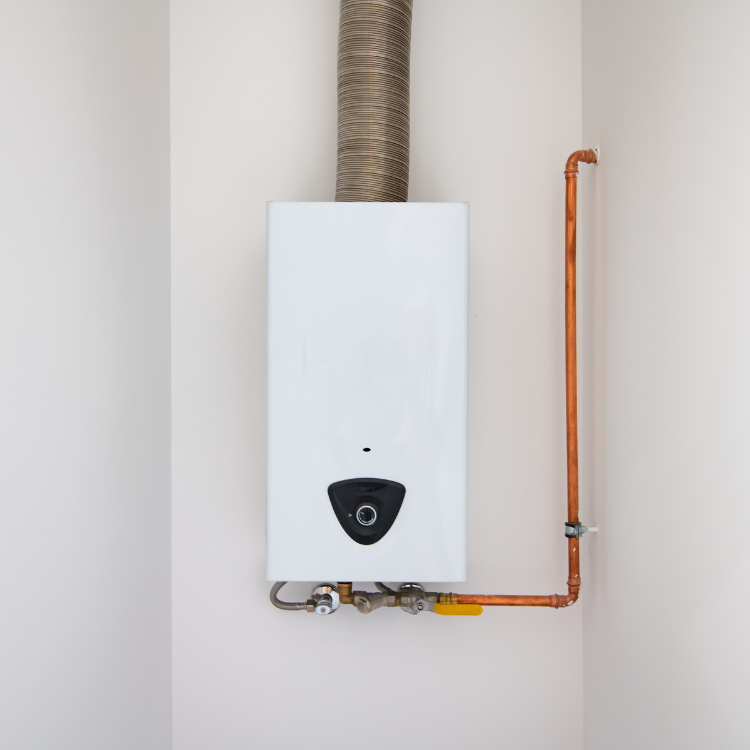
Causes of Temperature Swings
If your hot water in Fort Worth, TX swings from scalding to lukewarm, it is usually tied to flow rate, gas/electric supply, venting, or a component that needs cleaning or service. This guide breaks down the most common causes and what you can check before calling for tankless water heater repair.
Yesterday the shower ran comfortably for a few minutes. Today, the water starts hot, then drops suddenly to cool. A minute later it swings back again. If you are dealing with a tankless water heater, those temperature swings can feel random, but they are rarely “normal.”
In Fort Worth homes, the problem often shows up when multiple fixtures are used back-to-back, when water pressure or supply changes, or when a venting or internal maintenance item is not keeping up. This guide will help you understand the typical causes, what to check first, and when it is time to schedule service with All Source Plumbing.
Quick Answer
Temperature swings from a tankless water heater are most commonly caused by unstable hot-water flow (or flow interruptions), a dirty or failing internal component, venting or combustion issues, or an undersized unit for your household demand. Start by checking whether the swings happen only during certain fixtures, then verify water pressure and any recent changes to filters or plumbing. If the unit is gas or electric and the behavior is repeatable, the safest next step is to have a technician inspect and service the tankless system rather than relying on trial-and-error settings.
What to Check First
Before you schedule tankless water heater repair, focus on observations that help narrow down the cause. These checks are homeowner-friendly and can save time during diagnosis.
1) Identify the pattern
Does the temperature swing during showers only, or also at a kitchen faucet? Does it happen when someone flushes a toilet or runs a dishwasher?
2) Check flow rate changes
Low flow, partially clogged aerators, or restricted valves can cause the heater to modulate incorrectly, leading to hot-and-cool swings.
3) Look for recent plumbing changes
After drain work, fixture repairs, or any water filter changes, temperature behavior can shift if flow paths or pressure conditions were altered.
Professional observation: In many Fort Worth calls, the “temperature swing” complaint is actually a flow-management problem. When multiple fixtures are used, or when a fixture has a restriction, the heater’s burner output and control response can hunt, creating noticeable swings at the faucet or shower.
Main Things Customers Should Understand
Temperature swings usually come down to one of a few system categories. Below are common causes, what they look like, and why they affect tankless performance.
| What you notice | Likely cause | What usually helps |
|---|---|---|
| Water is hot for a short time, then turns cooler when you keep running water | Mineral buildup or a component that cannot maintain stable heating at the current flow | Tankless water heater repair service and cleaning/inspection of internal components |
| Temperature swings more when someone flushes, runs a dishwasher, or turns on another hot faucet | Demand changes affecting flow rate and heater modulation | System inspection for flow stability and proper operation; verify fixture restrictions |
| Hot water fluctuates after periods of low use, then improves after running longer | Control response issues or venting/combustion conditions that need attention | Inspect venting and combustion setup; schedule tankless water heater service |
| Only one fixture (often a shower) shows swings while other fixtures feel stable | Fixture-level restriction such as a restricted aerator, shower valve issue, or partial clog | Check and service the fixture; if drainage or plumbing is involved, inspect related lines |
| Temperature changes happen alongside low hot water pressure | Flow restriction, water filter restriction, or plumbing restriction affecting hot-water delivery | Verify water filtration and flow path; inspect for plumbing restrictions |
Here are the specific categories technicians consider when troubleshooting tankless temperature swings:
Flow rate and demand changes
Tankless heaters heat as water flows. If flow rate is unstable, the heater may cycle output up and down. Common triggers include restricted fixture outlets, pressure changes, or simultaneous hot-water use.
Mineral buildup and internal scaling
Over time, mineral deposits can affect heat transfer inside the unit. The result can be inconsistent outlet temperature, especially during extended use or higher demand.
Gas or electric supply and combustion/venting conditions
For gas tankless units, combustion and venting conditions affect how steadily the burner can operate. For electric tankless systems, stable power delivery and correct control behavior matter just as much. If the heater cannot maintain steady operation, temperature swings often follow.
Water filtration and sediment
If you have a water filter system, a restriction or maintenance gap can reduce flow and contribute to erratic heating. If you suspect your water filter is involved, it is worth having a professional inspect it alongside the tankless unit. For related service, explore water filter and softener repair or installation.
Customer-focused tip: If you can, test one change at a time. For example, try running only the shower for several minutes, then repeat after turning on a faucet elsewhere. That “before and after” pattern helps narrow whether the issue is fixture-level, whole-house demand, or heater operation.
Why This Matters in Fort Worth, TX
In Fort Worth, many homes rely on tankless hot water because of space savings and efficient heating. But the same benefits can make temperature swings more noticeable when demand changes during the day. It is common to see swings show up during morning routines or after evening activities when multiple fixtures are used close together. A professional diagnosis also matters because the fix is not always “turn the temperature up.” Sometimes the root cause is flow restriction, venting, or internal buildup that needs proper tankless water heater repair, not just a setting adjustment.
If the temperature swings are paired with drainage concerns, clogs or restricted drain lines can affect overall plumbing flow behavior. When appropriate, you may want to review drain service options like drain cleaning services to rule out compounding issues.
Need tankless troubleshooting in Fort Worth?
If your tankless water heater keeps producing hot-and-cool swings, the most reliable path is a hands-on inspection of heater operation, flow conditions, and related plumbing. All Source Plumbing can help you identify the cause and restore steady hot water.
Contact All Source PlumbingCommon Mistakes to Avoid
Homeowners often try quick fixes that do not address the underlying cause. Here are the most common missteps we see with tankless temperature swings.
- Adjusting the temperature repeatedly without checking flow restrictions or unit condition. Settings can mask the symptom while the cause remains.
- Ignoring fixture-level restrictions like clogged shower heads or aerators. If only one fixture swings, the heater may not be the only culprit.
- Assuming “it’s just the weather”. Temperature swings are usually tied to demand and equipment behavior, not day-to-day changes.
- Skipping maintenance when hot water performance becomes inconsistent. Internal buildup can affect output stability.
- Overlooking related plumbing when swings happen alongside slow drains or recurring clogs. Drain and supply conditions can influence performance.
Customer Checklist
Use this checklist to prepare for service call troubleshooting. Having these details ready can make diagnosis faster and more accurate.
- Write down when the swings happen (for example, showers, kitchen sink, or multiple fixtures at once).
- Note whether swings occur after a toilet flush or dishwasher cycle starts.
- Check if only one fixture is affected or if all hot outlets swing.
- Inspect shower heads and faucet aerators for visible clogs or reduced flow.
- Confirm whether any water filters or softeners were recently serviced or changed.
- Watch whether the temperature stabilizes after running longer, or continues to oscillate.
- List any recent plumbing work (repairs, drain cleaning, leak location service, or fixture replacement).
Representative scenario (anonymized)
A Fort Worth homeowner reported that their tankless hot water was stable at first, then started dropping to lukewarm during the last few minutes of a shower. The swings happened most often in the evening when the dishwasher was running and another faucet was used shortly before the shower. After checking the shower valve and flow restriction at the fixture outlet, a technician also inspected the heater’s ability to maintain stable output under changing demand. The fix focused on restoring stable operation and flow consistency, which stopped the hot-and-cool cycling.
Frequently Asked Questions
Why does my tankless water heater get hot then goes cold during a shower?
That pattern usually points to unstable flow and heating output. As water demand changes, the heater may modulate burner or heating power to match the flow. If the flow rate is restricted, the heater may not maintain steady outlet temperature. Another common cause is internal buildup that affects heat transfer over time. A service visit typically includes checking flow conditions, fixture restrictions, and the tankless unit’s operation so the system can maintain consistent temperature.
Could a clogged drain or plumbing restriction cause temperature swings?
It can, depending on what is restricted and how it affects overall plumbing behavior. While temperature swings are usually linked to the tankless heater and hot-water flow, some homeowners notice changes alongside slow drains or recurring clogs. If drainage is restricted, it can influence how fixtures behave during use. If you suspect a blockage, addressing drain issues like drain cleaning services may help prevent compounding problems.
How do I tell if the issue is my tankless heater or a single fixture?
A simple way is to compare fixtures. If only one shower or faucet experiences swings while other hot outlets remain stable, the fixture or its supply path is more likely the cause. If multiple fixtures show temperature oscillation at the same time, the tankless heater and whole-house hot-water demand are more likely involved. Either way, a technician can confirm the source by observing performance under controlled conditions and inspecting the heater and relevant plumbing components.
Should I keep adjusting the tankless temperature setting until it feels right?
Try to avoid repeated temperature trial-and-error. While adjusting the setpoint can change how hot water feels, it does not fix the underlying reason the heater is unable to maintain stable output. If you keep changing settings, you may delay identifying the real cause, such as flow restriction, internal buildup, or venting/combustion issues. A better approach is to document when the swings happen, check fixture flow, and then schedule tankless water heater repair or service to restore stable operation.
Is this covered by tankless water heater service or tankless water heater repair?
In practice, the right category depends on what the technician finds. Temperature swings can come from maintenance-related buildup, a component that needs repair, or a flow and demand issue that requires inspection and corrective work. All Source Plumbing can evaluate your system and determine whether the best next step is tankless water heater repair and installation service or a related service path based on the cause.
Restore steady hot water in Fort Worth
If your tankless water heater produces temperature swings, troubleshooting usually requires more than changing settings. All Source Plumbing focuses on diagnosing the real cause, including flow stability and tankless operation, so you can get consistent hot water again.
(682) 760-4912Related services you may need
- General plumbing repairs when the issue is not isolated to the tankless unit.
- Toilet repair and installation if toilet flushing triggers the timing of temperature swings.
- Emergency plumbing if you discover a leak or a safety concern related to hot-water delivery.
- Tankless water heater repair and installation for diagnosis, servicing, and restoration of steady performance.