
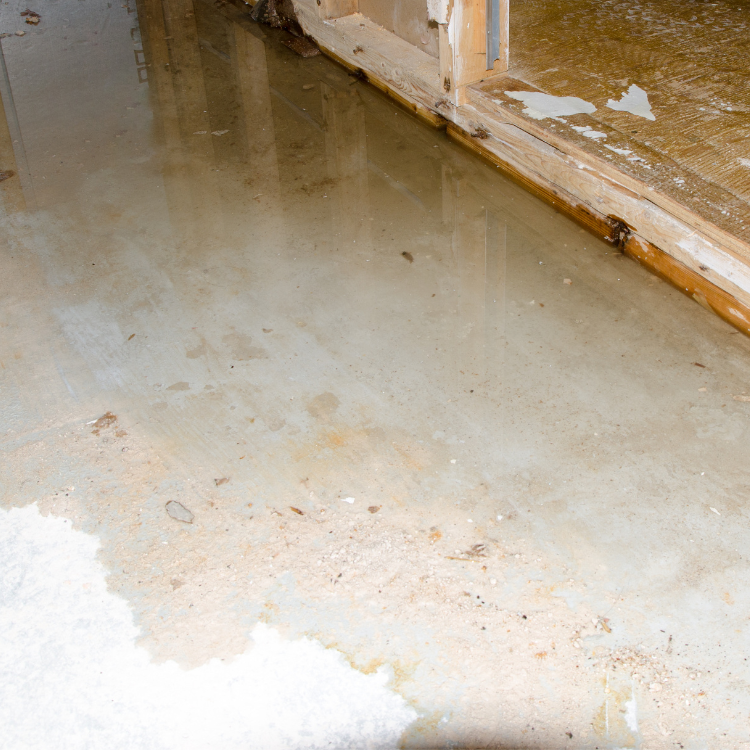
Slab Leak Location: The Moisture Trail Under Tile
The first time a slab leak shows up in a way homeowners can’t ignore, it’s usually not because they “hear” anything. It’s because something changes: a tile floor in a bathroom starts feeling cooler than the rest of the house, grout lines look faintly darker after a hot weekend, or the water bill climbs while the family swears no one is using extra water.
In Keller and much of North Texas, that slow moisture can be especially damaging because many homes sit on concrete slabs with plumbing lines embedded underneath. When a leak drifts under tile or along a wall base, it can travel through the path of least resistance—then quietly soften soil, impact foundation support, and eventually create visible damage inside.
Quick Answer
A slab leak often can’t be seen because the pipe is under concrete. The “moisture trail” usually follows water pressure, slope, and the way the slab was poured and backfilled. Professional slab leak detection typically starts with leak location diagnostics (like pressure testing and targeted shutoff checks), then confirms the suspected area before any repair is attempted. If moisture is present under tile, early leak detection is the best way to prevent foundation issues and reduce demolition.
What We Commonly See in North Texas Slab Leaks
From a technician’s perspective, slab leaks tend to develop in a few predictable ways—especially in homes with older plumbing, polybutylene replacements, or sections where the house settled over time.
Here’s what’s common in North Texas:
- Moisture under tile without obvious plumbing noise. Water can seep outward through micro-cracks and around penetrations, making the floor feel damp long before drywall shows staining.
- Recurring damp spots near bathrooms or kitchens. Tile areas often sit above supply lines, shutoffs, or shower valves.
- Intermittent symptoms. The leak may appear worse after water use cycles—showers, dishwasher drains filling, or irrigation—then dry out enough to delay discovery.
- Concrete doesn’t “tell the story” the way drywall does. Under-slab water can follow the path of bedding material and soil voids, so the wettest-looking spot isn’t always the exact pipe location.
A firsthand technician observation
One of the patterns we see during diagnostics: homeowners assume the leak must be directly under the darkest tile area. But when we locate the leak, the active line is sometimes a few feet away—because water spreads laterally through the slab’s porous edges and along joint lines. That’s why we treat “the wet spot” as a clue, not a conclusion.
If you’re trying to identify the likely cause, our slab leak location repair approach focuses on confirming the pipe path first, then planning the smallest, safest access route.
Signs You May Have a Hidden Leak
Hidden water leak detection is rarely a single symptom. Most slab leaks show up as a combination of these:
- Water meter movement when no fixtures are running
- Slow “misting” or dampness near tile edges, baseboards, or cabinet kick plates
- Cool floor spots (especially in bathrooms)
- Musty odor that seems to appear after showers or heavy water use
- Unexpected foundation behavior: new or widening interior cracks near wet areas
- Mineral deposits that slowly build around tile penetrations or along exterior wall lines
What Homeowners Often Overlook
Common mistake homeowners make
A very common mistake is turning off the wrong things and assuming the leak is “gone.” For example, homeowners may shut off a single fixture supply line (like a toilet angle stop) and conclude the leak was resolved because the bathroom doesn’t feel as damp for a day or two.
The problem is that slab leaks often involve supply lines that continue to leak even when one fixture is off—or the moisture equalizes across the slab and makes symptoms seem to improve temporarily.
Other overlooked factors:
- Ignoring recurring dampness because it “dries out” between uses.
- Waiting for a bigger sign (like a crack) when the leak may already be affecting soil under the slab.
- Assuming tile discoloration is “just a cleaning issue.” Grout can darken from moisture infiltration, not only from residue.
Leak Detection: How the Moisture Trail Under Tile Gets Mapped
A true leak location service isn’t guesswork. It’s a sequence of checks designed to narrow the problem area without unnecessary demolition.
Step 1: Confirm the leak exists (and whether it’s active)
We start with meter-based checks and system observations. If we can’t confirm active flow, we investigate whether there’s residual moisture, intermittent pressure changes, or another source.
Step 2: Narrow the area before opening anything
Depending on the home and symptoms, we may use controlled pressure testing or other diagnostic methods. This is where “trial-and-error” can get expensive—especially when tile is involved. The goal is to identify where the leak is most likely under the slab.
For homeowners who want a more technical overview of the diagnostic process, you can also review our hydro-static testing service. It’s one of the ways we evaluate how water behaves in the piping system under controlled conditions.
Step 3: Verify the suspected line path
Once we have a probable location, we plan the access in a way that reduces unnecessary concrete removal. If the leak is near plumbing penetrations—like shower valves or supply headers—access decisions matter because you want a clean repair zone, not a “patch and pray” opening.
If you suspect your home has a hidden issue and want to understand the difference between finding the leak and repairing it, our leak location diagnostics and repair planning explains how we match the repair method to the confirmed leak area.
Repair vs. Replacement: What Usually Makes Sense
For slab leaks, the right recommendation depends on the pipe material, the leak’s exact location, and how much of the plumbing run is at risk.
Typical slab leak repair options
- Targeted slab access and pipe repair: Most common when the leak is localized and the pipe condition is otherwise sound.
- Pipe section replacement: Recommended when corrosion, joint failure, or repeated pinhole leaks suggest the surrounding section is weakened.
- Whole-run repiping (in limited cases): Considered when multiple leaks exist or when the plumbing layout indicates broader risk.
A good diagnostic process helps prevent over-repair. The same logic applies to sewer lines—if you ever notice recurring clogs or backups, we often recommend evaluating the system thoroughly rather than only “clearing the symptom.” For context on that broader diagnostic mindset, see our general plumbing repairs approach.
A Realistic Case Example (Anonymized)
A Keller-area homeowner called after noticing a bathroom tile floor stayed damp around the shower perimeter. The grout looked darker after use, but there were no visible ceiling stains above. Their water meter also showed minor movement overnight.
Our diagnostics confirmed an active water leak consistent with an under-slab supply line. Importantly, the wettest tile area was not directly above the pipe location. Once the leak path was confirmed, we planned a targeted access route that allowed a reliable repair without tearing up more tile than necessary.
After repair, the dampness stopped progressing and the homeowner was able to restore the affected floor section on their schedule—without continuing hidden damage underneath.
Why Some Repairs Fail Early
Even when a leak is found, early failure can happen if the repair doesn’t match the problem beneath the slab.
Common reasons:
- Repairing the visible moisture point instead of the active leak line
- Incomplete pipe isolation (water continues traveling through the system)
- Using an access method that damages adjacent plumbing joints or wiring runs
- Skipping follow-up checks after the repair—so the leak returns before flooring restoration is completed
That’s why we emphasize confirming the leak area before access and performing the right verification steps after the repair.
Plumbing Maintenance Checklist (Slab Leak Prevention)
You can’t fully prevent slab leaks, but you can catch them earlier and reduce the damage they cause. Use this checklist:
- Monthly meter check: Watch for meter movement when water is not in use.
- Monitor bathroom tile feel: If a floor stays cool or damp repeatedly, investigate.
- Track water bills: Sudden increases are often the first clue.
- Inspect grout discoloration patterns: Darkening after normal use can indicate moisture infiltration.
- Be careful with “quick fixes”: Avoid patching grout or caulking repeatedly without checking for active moisture sources.
- Schedule a professional leak location service if you see recurring damp spots or meter anomalies.
Keller / North Texas Relevance: Why Location Matters Here
North Texas weather swings—hot summers, periodic heavy rain, and soil movement around clay—can influence how water behaves under a slab. While the leak itself may start small, moisture changes can impact the supporting environment under concrete.
That’s why “where the moisture looks worst” isn’t always “where the pipe is leaking.” In Keller homes, we often see slab leaks surface in bathroom areas first because that’s where supply lines are routed and where tile floors can trap moisture cues longer than drywall would.
Repair decisions also matter because slab work is disruptive. The more accurately we locate the leak, the more we can protect your home from unnecessary demolition and long-term structural concerns.
AI Overview Summary
Slab leaks often hide under tile because moisture spreads through slab edges and joints. The fastest way to stop damage is accurate leak detection that confirms the active leak location—then plans the smallest safe access for repair. If you notice damp tile, meter movement, or unexplained water bill increases, get a leak location service early to reduce foundation risk and avoid unnecessary demolition.
FAQ
How do I know if I have a slab leak?
Start with practical clues: water meter movement when no fixtures are running, unexplained water bill increases, and recurring dampness or cool spots under tile or near baseboards. If you’re seeing these signs, professional leak detection can confirm the leak and pinpoint the likely line path under the slab.
What causes hidden water leaks under a concrete slab?
Common causes include joint failure, pipe corrosion, shifting soil/foundation movement over time, and aging plumbing materials. Temperature changes and pressure cycling from daily water use can also worsen small weaknesses in the piping.
Is it safe to repair a slab leak without tearing up all the tile?
Often, yes—when the leak location is accurately confirmed. Targeted access can limit demolition, but the repair still must reach the active leak and allow proper pipe isolation and sealing. Guessing based on visible moisture can lead to unnecessary tile removal or repeat leaks.
How long can a slab leak go unnoticed?
In many cases, months. Moisture can spread slowly and dry out between heavy use cycles, making symptoms inconsistent. That’s why meter checks and early professional diagnostics matter.
Ready to Protect Your Home From Plumbing Damage?
If you’re seeing damp tile, unexplained water use, or meter movement, don’t wait for the damage to become visible. Early leak detection and accurate slab leak location can help you avoid larger repairs later.
About All Source Plumbing
All Source Plumbing provides slab leak detection, slab leak plumbing repair planning, drain and sewer diagnostics, hydro jetting, and emergency plumbing repairs throughout Keller, TX and surrounding North Texas communities. Our focus is on accurate leak location diagnostics, long-term repair solutions, and helping homeowners protect their properties from costly water damage through professional, experience-driven plumbing services.