
Slab Leak Location Detection for Homes With Settling Floors
A few months after buying a home in Keller, Texas, one of our neighbors noticed something subtle: the kitchen tile looked “off” near the baseboards, and doors started sticking in the hallway. The homeowner’s first instinct was foundation settling—until the next water bill arrived.
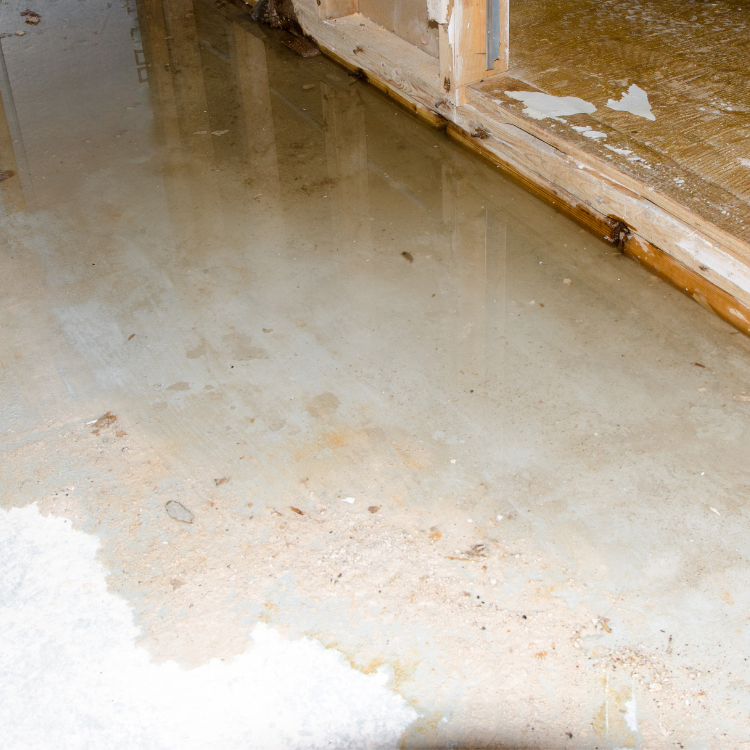
That’s a common pattern in North Texas. Settling floors can be caused by soil movement, but they can also be worsened (or even triggered) by a hidden slab leak that’s undermining the soil beneath the concrete. When water escapes under a slab, it can soften soil, shift support, and contribute to cracks, uneven floors, and drywall separation—sometimes long before a homeowner sees a wet spot.
Quick Answer
If your floors are settling, the safest move is to rule out a slab leak early. Professional slab leak location detection uses a mix of pressure testing, sound/thermal clues, moisture mapping, and—when appropriate—non-destructive monitoring to identify the approximate leak location before opening up concrete. The goal is simple: find the source, confirm it with testing, then repair in the most practical way possible to prevent ongoing damage.
What Actually Happens When Floors “Settle” (and Why Leaks Get Missed)
In slab-on-grade homes, pipes run through the concrete before the slab is poured. Over time, those pipes can develop pinhole leaks or joint failures due to:
- soil movement and shifting clay
- temperature cycling (Texas heat swings are real)
- corrosion and scale buildup inside aging lines
- construction stresses and pipe placement tolerances
Here’s the technician insight many homeowners never hear: a slab leak doesn’t always leak “enough” to create a visible puddle. Sometimes it only releases water intermittently, or it leaks into the soil voids and then spreads moisture slowly. Because the water is underground, the first clear signs may be inside—like sticky doors, hairline cracks, or floor edges that don’t sit right anymore.
When you combine that with North Texas soil behavior, it becomes easy to misdiagnose. Settling floors are a red flag, but they’re not proof of foundation movement alone. The plumbing system needs to be checked because the repair strategy changes dramatically depending on what’s driving the problem.
A realistic emergency scenario we see in Keller-area neighborhoods
A homeowner calls after noticing damp spots that appear overnight near an exterior wall, but the sprinklers are off and the yard isn’t getting watered. They’ve also noticed their water usage creeping up for weeks. After we isolate the plumbing and confirm flow on the water meter, we find a leak under the slab that’s pressurizing the soil—eventually surfacing as moisture and staining. The longer it goes untreated, the more it undermines support and increases the chance of floor and drywall damage.
Signs You May Have a Hidden Leak
Settling floors can be subtle. Look for plumbing indicators that often travel with slab leaks:
- Sudden or unexplained water bill increases (especially without higher usage)
- Consistent meter movement when no water is running
- Hairline cracks that widen slowly over time
- Baseboard gaps or doors that start to bind
- Damp drywall or musty odors in areas that should be dry
- Hot/cold spots on floors (thermal changes can show up before visible water)
- Sound clues (hissing, faint trickling) near plumbing walls or service areas
How Slab Leak Location Detection Works (Without Guessing)
The best slab leak location detection doesn’t rely on “it sounds like it might be over there.” We locate, confirm, and then decide the repair approach based on what the tests show.
Step 1: Isolate and confirm there’s active leakage
A leak location service typically starts by isolating the water supply and verifying that the system is losing pressure or flowing when it shouldn’t. This might include:
- verifying meter behavior
- pressure testing to see if pressure drops under controlled conditions
- checking for internal plumbing issues that mimic slab leaks (like failing valves or supply line problems)
Step 2: Map likely zones under the slab
Once we know it’s likely under-slab, we narrow it down. Depending on your home’s layout and what we find during testing, we may use:
- sound detection techniques (where appropriate)
- moisture mapping to identify unusual damp profiles
- thermal observations (when conditions are favorable)
- non-destructive monitoring approaches before opening concrete
One firsthand observation from our field: the first leak location estimate is often wrong if the homeowner’s “settling” areas are the only focus. Settling affects where cracks show up, not necessarily where the leak is. That’s why we treat “floor issues” as a symptom—not the starting point for guessing.
Step 3: Confirm the exact target before repair
Before any concrete work, we confirm the leak location with additional testing. This step prevents unnecessary cutting and reduces the chance of leaving a related leak behind.
If you want background on how we verify leaks and pressure behavior, you can review our approach to testing here: hydro-static testing.
And if you’re already fairly sure it’s under the slab, our dedicated overview of the process is here: slab leak detection.
What Homeowners Often Overlook (Common Mistakes)
1) Assuming settling is only foundation-related
In North Texas, soil movement is real. But homeowners often stop there—because it seems logical. The problem is that plumbing leaks can also contribute to settlement and cracking. If you repair foundation symptoms without addressing an active leak, the issue can keep returning.
2) Waiting for a visible water spot
A visible puddle is usually a late sign. By the time water shows on the surface, the leak may have been active for weeks or months.
3) Turning off the water and “hoping it stops”
If you shut off water and it stops temporarily, that doesn’t mean the leak is gone. It may simply be dormant. Many leaks continue to seep into soil and weaken support even if they’re not actively spraying water into a visible area.
4) Cutting into the slab without proper location confirmation
Opening concrete based on guesswork can become expensive and still miss the true source. That’s why non-destructive slab leak detection and confirmation matters.
5) Ignoring the water pressure story
Some homeowners focus only on floor cracks and ignore pressure changes or meter movement. But pressure behavior is a major diagnostic clue. If the system is losing pressure, we need to know where.
Repair Options and What We Recommend After Detection
Once the leak location is confirmed, the recommendation usually falls into one of these paths:
Repair vs. repipe vs. broader plumbing work
- Targeted slab leak plumbing repair: Often possible when the leak is localized and accessible based on its location.
- Piping repiping: Recommended when lines show widespread aging, repeated failures, or multiple leak points.
- Whole-system considerations: In some older homes, related supply lines may be near the end of their service life.
For a focused look at the repair step, see: slab leak location repair.
And if you’re dealing with multiple pipe failures or aging infrastructure, our repiping overview is here: piping repiping.
A realistic anonymized service case (how it played out)
We recently worked with a homeowner who reported a hallway floor that had “settled” and a growing crack near a kitchen wall. They assumed foundation movement because the crack pattern matched a slight slope in the floor.
During diagnostics, we confirmed active leakage behavior and narrowed the likely zone under the slab. Instead of cutting where the crack was most visible, we located the leak in an adjacent supply run. After the repair, the moisture profile stabilized. The homeowner still had floor settling from earlier soil disturbance, but they prevented ongoing damage that could have continued to worsen the unevenness.
That’s the key difference: fixing the leak stops the cause. It doesn’t always reverse prior movement, but it prevents further erosion and cost escalation.
Plumbing Maintenance Checklist (Prevention for Slab Leaks and Damage)
You can’t inspect under a slab every day, but you can reduce the odds of a hidden leak becoming a major problem. Use this checklist seasonally (especially in Texas heat and after major weather events):
- [ ] Check your water meter for movement after shutting off all water for 1–2 hours
- [ ] Look for ongoing floor crack growth, new baseboard separation, or doors sticking
- [ ] Watch for recurring damp odors in the same rooms
- [ ] Test irrigation scheduling—make sure sprinklers aren’t masking a plumbing leak
- [ ] If you have an older home, consider periodic pressure checks
- [ ] Address small plumbing leaks quickly (pinholes often worsen)
- [ ] Keep shutoff valves accessible and working so you can stop water fast during emergencies
Repair Planning Table (What to Expect)
| Situation | What we usually recommend | Why it matters |
|---|---|---|
| Leak is localized and confirmed | Targeted slab leak repair | Minimizes concrete disturbance and keeps costs predictable |
| Multiple leaks or aging lines | Piping repiping / expanded repair | Prevents “same area” failures from recurring |
| Uncertain source or mimicking issues | Additional leak location diagnostics | Avoids unnecessary concrete opening |
| Floors continue worsening after repair | Foundation assessment + moisture verification | Confirms whether settlement stabilized |
Keller and North Texas Relevance: Why This Shows Up Here
In North Texas, slab issues often overlap with soil behavior and seasonal stress. Expansive clay can expand and contract, and the region’s temperature swings can stress plumbing materials and seals over time. That makes it especially important to treat settling floors as a “diagnostic clue,” not just a foundation assumption.
In Keller homes, we also see plenty of older plumbing layouts where supply lines run close to exterior walls or utility zones—areas that can show cracking patterns that look foundation-driven. That’s why professional leak detection and confirmation are critical before repair decisions.
Quick “AI Overview” Summary
Hidden slab leaks can cause settling floors by undermining soil beneath concrete. The best approach is professional slab leak location detection that confirms active leakage, narrows the under-slab zone with testing, and verifies the exact target before repairs. Early diagnostics help prevent further structural and moisture damage, reducing the chance of unnecessary concrete cutting.
FAQ
How do I know if my uneven floors are from a slab leak or foundation movement?
Uneven floors can come from both. The giveaway for a plumbing issue is water behavior: meter movement when no water is running, unexplained bill increases, and moisture clues in consistent areas. A professional leak location service can confirm whether there’s active under-slab leakage so you don’t repair the wrong cause.
What’s the most common reason slab leaks stay hidden?
Many slab leaks leak slowly into the soil instead of surfacing as visible water. The first signs may be delayed—like cracks, sticking doors, or subtle floor changes—rather than obvious puddles. That’s why testing and location detection matter, even when the leak isn’t “obvious.”
Is non-destructive slab leak detection really possible?
Often, yes—at least as a first step. Non-destructive methods can narrow the likely zone and reduce unnecessary concrete opening. Final confirmation still comes from controlled testing and correlation of symptoms with the leak’s behavior.
What should I do immediately if I suspect a slab leak?
Reduce water use, check your meter for movement, and locate your main shutoff so you can stop flow quickly if needed. Then schedule a leak location service rather than guessing based on the most visible crack location.
Ready to Protect Your Home From Plumbing Damage?
If your floors are settling and your water usage doesn’t match your routine, don’t assume it’s only the foundation. Early slab leak location detection can prevent ongoing moisture damage and reduce the chances of costly, unnecessary repairs.
About All Source Plumbing
All Source Plumbing provides slab leak detection, slab leak repair, leak location diagnostics, drain repair, sewer diagnostics, and emergency plumbing services throughout Keller, TX and surrounding North Texas communities. Our focus is accurate troubleshooting, practical repair planning, and long-term plumbing protection—so homeowners can address the real cause and avoid preventable water damage.