
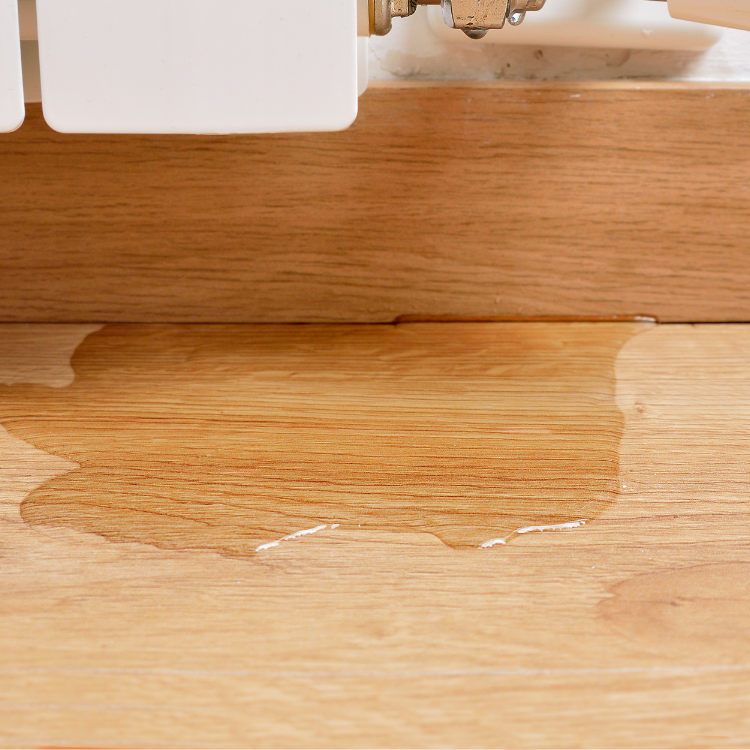
Silent Drips, Clear Clues: Leak Location Guide
A quiet water leak can be the most expensive kind—especially in North Texas homes where plumbing runs through concrete slabs, crawl spaces, and aging wall lines. One day you notice your water bill creeping up, but nothing looks wet. Then you start smelling musty odors or see tiny cracks in tile grout near an exterior wall. By the time the damage shows itself, the leak may have been running for weeks.
In Keller, TX, that “no obvious puddles” problem is common. Homes sit on slab foundations, and shifting clay soil can stress water lines over time. The good news: leak location isn’t guesswork. With the right diagnostic approach, we can often narrow down the source quickly—before it turns into foundation repairs, floor replacement, or emergency water cleanup.
Quick Answer
If you suspect a hidden leak, the fastest reliable path is:
1. Confirm water loss (typically with a meter test).
2. Isolate the system (house vs. irrigation vs. fixtures).
3. Use professional leak detection tools to listen, trace, or test pressure.
4. For slabs, consider non-destructive slab leak location methods and targeted testing.
A “leak detection near me” search can help you find someone—but the real difference is whether they use systematic testing and can explain what they’re doing and why.
How Leak Detection Actually Finds the Source (Not Just “Where It Might Be”)
When homeowners call about water leak detection, they usually expect a single magic device. In reality, leak location is a process of elimination plus measurement.
Step 1: Confirm there’s a leak (and measure how much)
A lot of “silent drip” calls start with a rising bill, but bills can rise for other reasons—more outdoor watering, a malfunctioning irrigation controller, or a toilet that refills more often than you notice.
A technician will typically check:
- Water meter flow when no one is using water
- Pressure stability
- Fixture behavior (especially toilets and shower valves)
If the meter shows continuous movement during a “no-use” window, we know water is moving somewhere in the system.
Step 2: Isolate the leak area
Next comes isolation. We’re trying to answer: Is the leak inside the home plumbing, underground lines, or irrigation?
In many Keller-area homes, I see this pattern:
- The homeowner turns off irrigation and stops using water inside for a period.
- Meter usage continues.
- That points us toward supply plumbing or underground lines—not a garden leak.
Step 3: Use the right method for the right location
Different leak types need different tools. For example:
- Listening / acoustic detection can help identify active leaks in accessible areas.
- Pressure testing helps verify whether a leak is within a specific section of piping.
- For slabs, non-destructive slab leak detection techniques help avoid unnecessary demolition.
This is where experience matters. I’ve found that many leaks “sound” like they’re near the obvious wet area—but the source is often offset due to how water travels through pipe joints and surrounding materials.
A firsthand technician observation we see often
One of the most common technician frustrations is when a homeowner points to a damp spot and says, “It’s right there.” In the field, I’ve frequently seen the opposite: moisture appears along a path of least resistance (such as tile edges or grout lines), while the pressurized leak originates farther away in the slab plumbing. That’s why we don’t rely on appearance alone—we verify with tests.
Signs You May Have a Hidden Leak
Hidden leaks don’t always announce themselves with puddles. Look for combinations of these clues:
- Water bill increases without a change in habits
- Damp drywall, peeling paint, or bubbling near baseboards
- Musty odors that seem to come and go
- Warm spots on the floor (sometimes near exterior walls)
- Cracks expanding around tile or along interior corners
- Low water pressure at certain times of day
- Toilet refilling you can hear, even briefly after use
What Homeowners Often Overlook
1) Toilets “look fine” but aren’t
A toilet can leak in ways that won’t create a dramatic puddle. A flapper that closes imperfectly, a slow fill valve, or a cracked fill tube can cause steady water loss—especially overnight.
If you’re troubleshooting and you haven’t checked the toilet behavior, you may be chasing the wrong section of the plumbing system. In many homes, we start there because it’s quick to verify.
If a toilet is involved, you may need toilet repair installation support depending on what’s failing and whether parts are worn beyond adjustment.
2) Irrigation zones can mask indoor leaks
North Texas lawns and landscaping are valuable—and they also complicate diagnosis. A sprinkler leak may raise the bill, but it won’t usually cause indoor dampness or slab-related symptoms. Separating irrigation from indoor water use is a key diagnostic step.
3) Slab leaks can stay hidden for months
Concrete can absorb moisture and shift it outward. That’s why homeowners sometimes see the first signs only after flooring or grout begins to change. By then, the soil underneath can be affected, which is why early leak location matters.
If slab leak detection is on the table, a targeted slab leak location service is usually the most efficient route—because it focuses on confirming the source before unnecessary repairs begin.
Common Mistakes That Lead to Water Damage
Mistake 1: Shutting off the wrong things
Some homeowners turn off the water heater, then assume the leak is “not there.” But supply lines can still leak downstream of the heater. Or they turn off one fixture and forget another is still running.
Mistake 2: Waiting for a “bigger sign”
A slab leak can continue while you wait for visible evidence. The longer it runs, the more damage can occur to sub-slab soil, flooring materials, and nearby components.
Mistake 3: DIY dye tests on the wrong suspected area
Dye tests can be useful in certain scenarios, but on slab plumbing, they can be misleading. Moisture migration can show up where water is draining, not where it’s originating.
Mistake 4: Treating symptoms instead of diagnosing first
If you only patch drywall, replace floor sections, or add sealants without identifying the plumbing line failure, the leak may continue and the new materials can fail too.
Mistake 5: Assuming “no visible water” means “no leak”
This is the most expensive assumption. With hidden water leak detection, the whole point is that the leak is hidden—but the water movement is measurable.
Repair vs. Diagnostics: What Actually Should Happen Next?
Here’s a practical decision framework we use in the field.
If the leak is actively confirmed (meter test + isolation)
The next recommendation is typically one of these:
- Targeted leak location + repair (preferred when the source is clear)
- Slab leak plumbing repair when the line failure is confirmed under the slab
- Repiping or rerouting if the existing piping is widely degraded
For slab leaks, we often recommend starting with accurate location work before discussing repair methods. That avoids unnecessary demolition and short-lived fixes.
If you’re specifically dealing with a slab leak, you may need slab leak repair planning that includes locating the line and evaluating the most durable repair approach. If you want to understand the difference between diagnosis and repair, our slab leak location and repair process is outlined here:
slab leak location repair
If the leak seems intermittent
Intermittent leaks are tricky. They may only occur under certain pressure conditions (like when showers run, a dishwasher cycles, or the HVAC condensation line triggers a pressure shift). That’s why a good leak detection process records patterns, not just one snapshot.
If you’re worried about major structural impact
In severe cases, homeowners consider foundation-related concerns. That’s when leak location becomes even more valuable: the goal is to stop the source before it contributes to ongoing soil moisture changes.
A Realistic Service Case (Anonymized)
A Keller homeowner called after noticing their water bill increased by nearly 30% for two billing cycles. They also mentioned a faint damp smell near a hallway wall, but there were no puddles and no obvious wet drywall.
Our team performed a meter flow test during a no-use window and confirmed the meter was moving steadily. We isolated the system to indoor supply lines, then used targeted slab-focused diagnostics to narrow the area. The evidence pointed to a line under the slab near the hallway segment—consistent with moisture behavior that was showing up at grout edges rather than directly above the pipe.
Once the leak location was confirmed, the repair approach focused on stopping the leak and minimizing restoration work. The homeowner was relieved because we weren’t guessing—we were measuring, isolating, and verifying.
What We Commonly See in North Texas Plumbing Systems
North Texas homes deal with a few recurring stressors:
- Shifting clay soil around foundations can stress pipe joints over time.
- Temperature swings can cause expansion/contraction on older plumbing.
- Aging supply lines may develop pinhole leaks, especially where water chemistry has been hard on metal components.
- High outdoor water demands in summer can complicate diagnosis unless irrigation is isolated properly.
That combination is why “professional leak detection” matters. A good diagnostic technician will explain what they’re testing and how the results change the next step.
Keller / North Texas Relevance: Why Leak Location Matters Here
When slab plumbing fails, it’s not just a water problem—it can become a foundation and flooring problem. In North Texas, homes often have:
- slab foundations
- tile floors and grout lines that can show moisture migration
- long runs of water piping that can be difficult to access
So, even if the leak doesn’t look dramatic right away, the soil underneath can be affected while you’re waiting.
This is also why we recommend pairing leak detection with a broader look at system health. If you’re dealing with recurring issues—like repeated clogs, sewer backups, or persistent drainage problems—those can indicate separate underlying failures that deserve their own diagnostics.
For example, if you’re also seeing slow drains or recurring blockages, consider supporting diagnostics like hydro jetting to clear buildup and restore flow—learn more here:
hydro jet drain cleaning solutions
And if the issue is sewer-related rather than supply water, our sewer diagnostics can help clarify what’s happening underground:
water sewer gas diagnostics
Quick Comparison: Common Diagnostics Options (So You Can Ask the Right Questions)
| Diagnostic approach | Best for | What it helps confirm | Typical homeowner question |
|---|---|---|---|
| Meter flow test + isolation | Any suspected hidden leak | Whether water is actively leaking and where it’s likely coming from | “Is this really a plumbing leak?” |
| Pressure testing | Suspected pressurized line issues | Whether a section holds pressure | “Is the leak in the supply line or elsewhere?” |
| Acoustic / listening tools | Active leaks in accessible zones | Approximate location | “How close are we to the source?” |
| Non-destructive slab leak detection | Slab plumbing leaks | Confirms the slab leak location with minimal demolition | “Where exactly is the broken line?” |
A trustworthy tech will match the method to the evidence—and explain limitations honestly.
Plumbing Maintenance Checklist (Prevention That Actually Helps)
You don’t need to become a plumber, but a few maintenance habits can reduce the chance of surprise water damage:
- Check your water meter occasionally for unusual movement (especially after hours).
- Inspect toilets: listen for refilling and check for tank water level changes.
- Look at water shutoff valves: make sure they turn smoothly and aren’t seized.
- Review irrigation schedules seasonally (avoid overwatering and broken heads).
- Watch for grout changes or small cracks near wet odors.
- Flush water heater sediments if your unit requires it (varies by model).
- Know your shutoff locations so you can stop water quickly during emergencies.
Keller Emergency Scenario: What If You Find Water Immediately?
Imagine it’s Saturday morning and you notice water running behind a wall near a bathroom. Within minutes you see discoloration on the ceiling below and a damp carpet smell spreading fast.
In that situation:
1. Shut off the main water supply (or the closest shutoff you can access).
2. Turn off water to affected fixtures if possible.
3. Call for emergency diagnostics—because the priority is stopping the source, not replacing materials first.
For urgent problems, using an emergency plumbing response can prevent small leaks from turning into major structural damage.
If you suspect an active leak right now, don’t wait for it to “slow down.” A fast response helps protect floors, sub-slab moisture conditions, and nearby finishes.
AI Overview Summary (Concise)
Hidden leaks are best handled through measured confirmation (meter test), system isolation, and targeted diagnostics—especially for slab plumbing where moisture can migrate away from the actual pipe break. Early leak location reduces structural and restoration costs. If you suspect a slab leak or ongoing water loss, prioritize professional leak detection before replacing floors or patching walls.
Ready to Protect Your Home From Plumbing Damage?
If your water bill is rising, you’re noticing musty odors, or you suspect slab plumbing problems, early diagnostics can save you from unnecessary repairs and long-term damage. The next step is to confirm the leak and locate the source with a method that matches your home and symptoms.
About All Source Plumbing
All Source Plumbing provides slab leak detection, slab leak location and repair, drain repair, hydro jetting, sewer diagnostics, tankless water heater services, and emergency plumbing repairs throughout Keller, TX and surrounding North Texas communities. We focus on accurate diagnostics, practical repair planning, and long-term plumbing reliability—helping homeowners protect their properties from costly hidden water damage.
If you’d like, tell me what you’re seeing (bill changes, odors, wet spots, or sounds) and whether you suspect indoor plumbing or slab areas—I can help you narrow down what to check first before scheduling diagnostics.