
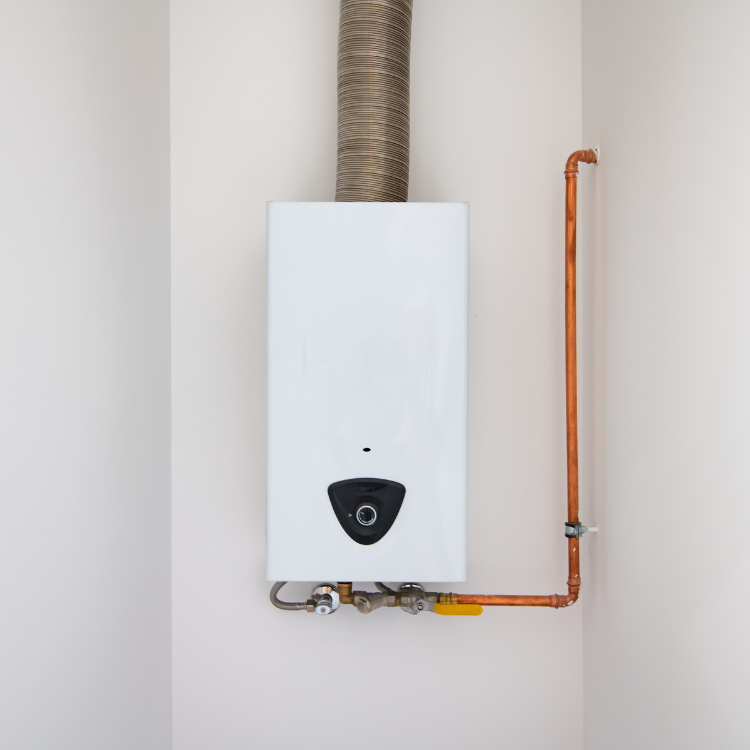
Energy costs are climbing, building codes are tightening, and homeowners are demanding more comfort with less waste. In the middle of all this, tankless water heaters have shifted from being a niche upgrade to a serious strategy for cutting utility bills and improving hot water performance. Yet simply installing a tankless unit is not enough. To truly maximize efficiency, you have to understand how these systems work, how they are sized, how they are installed, and how they are used day to day. The difference between a poorly planned installation and a well-optimized tankless system can mean hundreds of dollars per year in energy savings.
Maximizing efficiency with tankless water heaters matters right now because hot water is one of the largest energy consumers in a home. Traditional tank-style heaters keep 40–80 gallons of water hot around the clock, burning fuel or using electricity even when nobody is showering, washing dishes, or doing laundry. Tankless water heaters flip that model: they only heat water when you turn on a tap. That on-demand design can dramatically cut standby losses, but only if the system is properly matched to your household’s usage patterns and installed with efficiency in mind. Otherwise, short cycling, temperature swings, and excess gas or power consumption can eat into the benefits.
For homeowners and property managers, getting tankless water heater efficiency right is about more than numbers on a utility bill. It affects comfort, reliability, and even resale value. A well-designed tankless setup can deliver seemingly endless hot water, reduce the risk of leaks associated with large storage tanks, and free up valuable space. When you combine those advantages with strategies to maximize efficiency, you create a system that performs better for longer, pays you back faster, and supports a more sustainable home. The goal is to turn “tankless” from a simple product choice into a carefully tuned hot water solution.
How Tankless Systems Save Energy
Tankless water heaters are often marketed as high-efficiency by default, but understanding where those savings come from helps you push them even further. The primary advantage is the elimination of standby losses. A conventional tank heater keeps water hot 24/7, losing heat through the tank walls and flue, then reheating that water over and over. A tankless unit sits idle until a hot water tap opens, then fires up to heat water as it flows through the heat exchanger. That basic design alone can reduce energy waste significantly, especially in homes where hot water use is intermittent.
Another key efficiency advantage lies in the way modern tankless water heaters modulate their burners or heating elements. Rather than operating at a fixed output, many units adjust their firing rate based on the flow rate and the temperature rise needed. This modulation allows the system to match energy input more closely to actual demand. For example, rinsing your hands with a low flow rate requires much less energy than filling a large tub, and a good tankless unit will automatically scale its output accordingly. That dynamic control is a major contributor to higher efficiency ratings.
Tankless water heaters also tend to use more advanced combustion and heat-exchange technologies than many standard tank units. High-efficiency gas models often use condensing technology, capturing heat from exhaust gases that would otherwise be wasted. This can push efficiency into the 90%+ range, compared to 60–70% for some older tank heaters. Electric tankless units eliminate flue losses entirely, converting nearly all supplied electricity into heat. When these inherent design advantages are paired with smart installation and usage practices, the energy savings can be substantial and long-lasting.
Choosing The Right Tankless Unit
Maximizing efficiency starts long before the tankless water heater is mounted on the wall. The first step is selecting the right type and size of unit for your home. Oversizing is a common mistake: a unit that is far larger than necessary will cost more upfront and may not operate in its most efficient range during typical use. Undersizing is equally problematic, causing the heater to struggle to keep up during peak demand, leading to lukewarm water and frustrated occupants. Proper sizing requires an honest assessment of your household’s simultaneous hot water needs, including showers, appliances, and fixtures that may run at the same time.
Flow rate and temperature rise are the two critical numbers. Flow rate is measured in gallons per minute (GPM) and represents how much hot water the unit can deliver. Temperature rise is the difference between your incoming cold water temperature and your desired hot water temperature. In colder climates, the heater has to work harder to raise water from, say, 40°F to 120°F than in a region where incoming water is 60°F. A professional installer will calculate the peak combined flow of your fixtures and the required temperature rise to recommend an appropriately sized tankless unit that operates efficiently across a range of conditions.
You also need to decide between gas and electric tankless water heaters based on your home’s infrastructure and energy costs. Gas units generally handle higher flow rates and are common in larger homes with multiple bathrooms. They require adequate gas supply, proper venting, and sometimes upgrades to existing gas lines. Electric units are often simpler to install but may need substantial electrical capacity and dedicated circuits. Evaluating local utility rates, existing equipment, and your long-term plans will help you choose a model that balances efficiency, performance, and practicality.
Installation Details That Affect Efficiency
Even the most efficient tankless water heater can underperform if the installation is not carefully planned. One of the most overlooked aspects is the unit’s physical location. Placing the heater closer to the most frequently used fixtures reduces the length of hot water piping runs, which in turn cuts heat loss and wait times. Long pipe runs mean more water sitting in the line cooling down between uses, forcing the heater to reheat water more often and wasting time and energy. In some homes, splitting hot water demand between two smaller tankless units in strategic locations can be more efficient than one large central unit.
Proper gas supply and venting are critical for gas tankless systems. If the gas line is undersized or the supply pressure is inadequate, the unit may not reach its rated output, causing it to run longer and less efficiently. Similarly, poor venting design can lead to combustion inefficiencies or even safety issues. High-efficiency condensing units require specific vent materials and drainage for condensate. A professional installation that follows manufacturer specifications and local codes ensures that the heater can operate at its advertised efficiency levels and maintain that performance over time.
Insulating hot water pipes is another simple yet powerful way to boost overall system efficiency. Even with a tankless heater, hot water traveling through uninsulated pipes loses heat to surrounding air, especially in unconditioned spaces like basements or crawlspaces. Pipe insulation helps maintain water temperature as it moves to fixtures, reducing the need to run taps longer and decreasing the frequency with which the heater must cycle on. When combined with thoughtful layout and high-efficiency fixtures, these installation details add up to meaningful energy savings and a more responsive hot water system.
Smart Usage Habits For Better Performance
How you use hot water day to day has a direct impact on the efficiency of a tankless water heater. One of the most effective habits is to avoid unnecessary simultaneous hot water use, especially in homes with a single mid-sized unit. For example, running a shower, dishwasher, and washing machine all at once can push the heater toward its maximum output, where efficiency may be slightly lower. Staggering hot water tasks, such as doing laundry after showers, helps the system run within its optimal range and reduces the risk of fluctuating temperatures.
Adjusting thermostat settings to a reasonable level is another easy win. Many tankless water heaters default to settings around 120°F, which is typically sufficient for most household needs and reduces the risk of scalding. Setting the temperature significantly higher than necessary forces the unit to work harder and wastes energy, especially if you then mix in more cold water at the tap. A moderate, consistent temperature setting helps the heater maintain efficient operation and extends the life of internal components by reducing thermal stress.
Using efficient fixtures and appliances complements the performance of a tankless system. Low-flow showerheads and faucet aerators reduce the volume of hot water needed without sacrificing comfort. Modern dishwashers and washing machines often have built-in heaters or advanced wash cycles that use less hot water overall. When these devices are paired with a properly sized tankless heater, the combined effect can significantly lower your home’s total energy and water usage while still delivering the comfort and convenience you expect.
Maintenance And Longevity Strategies
Regular maintenance is essential to keep a tankless water heater operating at peak efficiency over the long term. One of the most important tasks is descaling or flushing the unit to remove mineral buildup from the heat exchanger. Hard water can cause scale to form inside the heater, acting as insulation that reduces heat transfer and forces the unit to work harder to achieve the same temperature rise. Depending on your water quality, manufacturers often recommend annual or biannual flushing with a descaling solution to preserve efficiency and prevent premature wear.
Cleaning or replacing inlet water filters and checking air intake screens (for gas units) are simple maintenance steps that support efficient operation. Blocked filters restrict water flow, causing the heater to run at higher firing rates than necessary or even causing error codes. A system that breathes and flows freely can modulate more effectively, matching energy input to actual demand with less strain. Scheduling periodic inspections with a qualified technician helps catch small issues early, such as minor leaks, venting obstructions, or sensor problems, before they impact performance or safety.
Addressing water quality at the source can also pay off. Installing a whole-house water softener or a dedicated scale prevention device upstream of the tankless water heater reduces mineral deposition and keeps internal passages clear. Some manufacturers offer models with built-in scale detection or cleaning modes, which can further simplify maintenance. By combining regular service with proactive water treatment, you extend the life of the unit, maintain higher efficiency over time, and reduce the likelihood of unexpected breakdowns that can disrupt your home’s hot water supply.
Integrating Tankless With Broader Home Efficiency
A tankless water heater is most effective when it is part of a broader strategy for home efficiency. Pairing a high-efficiency tankless unit with well-insulated plumbing, efficient fixtures, and smart controls amplifies the benefits. For instance, recirculation systems can be configured with timers or motion sensors to provide near-instant hot water at key fixtures without constantly circulating and reheating water. When designed correctly, these systems balance convenience with energy savings, ensuring that the tankless heater only runs when needed.
Homeowners focused on sustainability often combine tankless water heaters with other upgrades such as improved building insulation, high-performance windows, and efficient HVAC systems. Reducing overall energy demand in the home means that the relative impact of hot water usage becomes more significant, making the efficiency of the water heater even more important. Some households also explore integrating tankless heaters with renewable energy systems, such as pairing electric tankless units with solar panels to offset electricity usage, or using solar thermal preheating to reduce the temperature rise required from a gas or electric tankless heater.
As you plan these improvements, it can be helpful to consult with experienced professionals who understand how different systems interact. An installer who has worked on many tankless projects can suggest layout changes, control strategies, and product choices tailored to your specific home and usage patterns. For more detailed guidance, you can review additional resources and professional insights at null, then use that information to ask better questions and make more informed decisions about your hot water system.
Frequently Asked Questions
Do tankless water heaters always save money on energy bills? In many cases, yes, but not automatically. Tankless water heaters reduce standby losses and can be more efficient during operation, especially in homes with moderate to high hot water usage. However, actual savings depend on proper sizing, installation quality, fuel type, utility rates, and usage habits. If a unit is oversized, poorly installed, or set to unnecessarily high temperatures, the efficiency advantage can shrink. When these factors are optimized, homeowners often see noticeable reductions in gas or electric bills compared to older tank-style heaters.
How long does a tankless water heater typically last? Tankless water heaters are designed for longevity and often have a longer service life than traditional tank units. While a standard tank heater might last 8–12 years, many tankless systems can operate effectively for 15–20 years or more with proper maintenance. Regular descaling, filter cleaning, and periodic professional inspections are key to reaching the upper end of that lifespan. Because many components in tankless units are replaceable, it is sometimes possible to repair and refresh them rather than replacing the entire unit, further extending their useful life.
Will a tankless water heater give me instant hot water at every tap? Not necessarily. Tankless water heaters heat water on demand, but they do not eliminate the time it takes for hot water to travel through pipes to distant fixtures. You will still experience a short delay while cooled water in the pipes is flushed out. To reduce wait times, some homeowners install recirculation systems or place multiple smaller tankless units closer to high-use areas. These strategies can provide near-instant hot water while still maintaining good overall efficiency when designed and controlled correctly.
Are tankless water heaters suitable for large families or multi-bathroom homes? Yes, but careful sizing and system design are critical. Large households with multiple simultaneous hot water demands may need a higher-capacity tankless unit or a multi-unit setup to ensure consistent performance. A professional can calculate the combined flow rates of showers, faucets, and appliances to recommend an appropriate configuration. In some cases, installing two smaller units—one dedicated to bathrooms and another to kitchen and laundry—can provide better performance and redundancy than a single oversized unit.
Do tankless water heaters work well in cold climates? Tankless water heaters can perform very well in cold climates, but the lower incoming water temperature must be factored into sizing and expectations. When groundwater is very cold, the heater must work harder to achieve the same output temperature, which can reduce the maximum flow rate of hot water. Choosing a unit with sufficient capacity for the required temperature rise, insulating pipes, and considering strategic placement can all help maintain efficiency and comfort. In some cases, preheating strategies or multiple units may be recommended for optimal performance in very cold regions.