
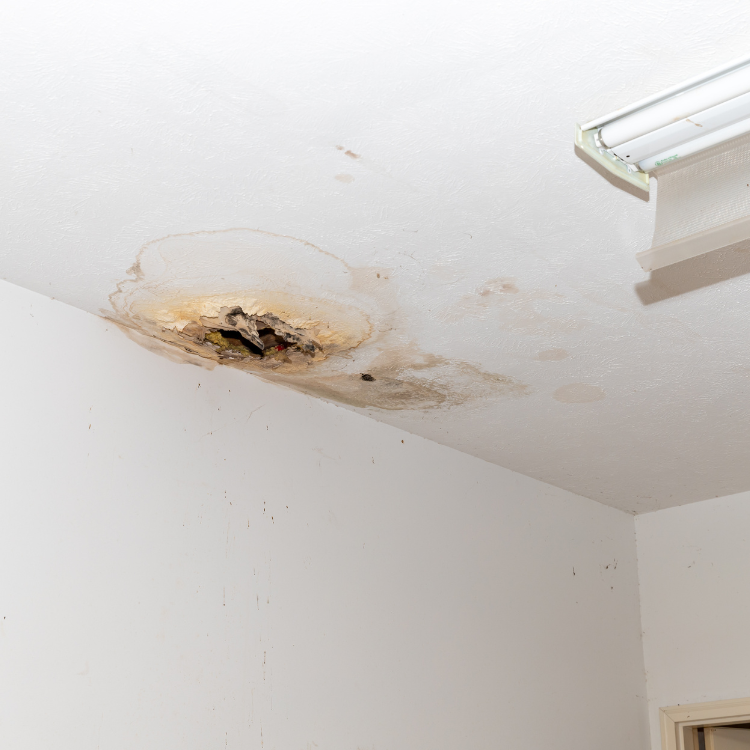
Water leaks rarely announce themselves with a dramatic burst pipe. More often, they start as a subtle drip inside a wall, a faint hissing under a slab, or a slightly higher water bill that is easy to ignore. Yet those small signs can quickly turn into ruined flooring, warped cabinets, mold growth, and structural damage. Knowing how to detect and fix the exact leak location is not just a technical skill; it is one of the most important ways homeowners in Keller, TX can protect their investment and avoid emergency plumbing disasters.
In North Texas, where soil movement, hot summers, and occasional freezing nights put extra stress on plumbing systems, leaks are especially common. A tiny crack in a copper line under your foundation or a loose fitting in an upstairs bathroom can run for weeks before you see obvious damage. By that time, the repair cost has multiplied. That is why All Source Plumbing emphasizes early leak detection and accurate pinpointing of the problem area. When you can identify where a leak is coming from, you can make targeted repairs instead of tearing apart half your home in a guessing game.
Understanding how leaks behave, what clues they leave behind, and what tools professionals use to track them down will help you make smarter decisions. Whether you are a handy homeowner who wants to troubleshoot before calling a plumber, or you simply want to understand what is happening when a technician shows up with specialized equipment, learning how to detect and fix leak locations can save time, money, and stress.
Why Leak Location Matters
Not all leaks are equal, and where a leak occurs dramatically affects the urgency, complexity, and cost of the repair. A dripping faucet is visible and easy to address. A pinhole leak in a supply line buried in your slab foundation is hidden, but it can wash away soil and weaken the structure of your home over time. When you know exactly where the leak is, you can choose the most efficient repair method instead of relying on trial and error. This is especially important in Keller homes with finished basements, extensive tile work, or custom cabinetry that you do not want to demolish unnecessarily.
Accurate leak location also reduces collateral damage. Cutting random holes in drywall or breaking up concrete in the wrong place is expensive, messy, and stressful. Professional plumbers like All Source Plumbing use specialized leak detection techniques to minimize disruption. Instead of chasing water stains and guessing, they work backwards from symptoms to the true source of the problem. The goal is always the same: fix the leak with the least amount of damage to your home’s finishes and structure.
Finally, precise leak location helps you plan for the future. If a leak is discovered in one section of corroded galvanized pipe, that is often a sign that the entire system is aging. If it is traced to a specific fitting, installation error, or high-pressure issue, you can address the underlying cause to prevent repeat problems. In Keller, TX, where many homes are reaching the age when plumbing systems start to show wear, this kind of strategic repair approach is invaluable.
Common Signs You Might Have A Leak
Before you can locate a leak, you have to suspect that one exists. Some warning signs are obvious, like visible water on the floor or water dripping from a ceiling. Others are subtle and easy to overlook in a busy household. One of the first clues many Keller homeowners notice is an unexplained increase in their water bill. If your usage habits have not changed but your bill keeps climbing, water may be escaping somewhere in the system.
Another common sign is the sound of running water when no fixtures are in use. You might hear a faint hissing, trickling, or whooshing noise behind a wall or under the floor. Sometimes this is easiest to detect late at night when the house is quiet. In multi-story homes, you may notice that the noise is more prominent near a particular bathroom or laundry room, which can help narrow down the search area for the leak location.
Physical changes in your home often provide strong clues as well. Soft or warm spots in flooring, discoloration on ceilings, bubbling paint, or a musty odor can all point to hidden moisture. Outside, you might see wet patches in the yard even during dry weather, or areas where the grass is unusually green and lush. In Keller’s clay-heavy soil, a slab leak can cause sections of the foundation to shift slightly, leading to new cracks in walls or doors that suddenly stick. These symptoms do not give you the exact leak location, but they tell you it is time to investigate further or call All Source Plumbing for professional detection.
DIY Leak Detection Steps
While complex leaks often require professional tools, there are several practical steps homeowners can take to narrow down a leak location before making that call. The most basic test involves your water meter. Turn off all water-using appliances and fixtures in your home, including sprinklers, washing machines, and ice makers. Then go to your water meter and check the leak indicator (often a small spinning triangle or dial). If it is moving when everything is off, you probably have a leak somewhere in the system.
Next, try to determine whether the leak is inside the house or in the service line between the meter and your home. Shut off the main valve where the water line enters the house. If the meter stops moving, the leak is likely inside the home. If it continues, the leak is probably in the underground line running from the street to your house. In Keller, TX, this distinction is important because yard and slab leaks often require different repair strategies than leaks inside walls.
Indoors, you can perform simple isolation tests. Shut off individual fixture valves (toilets, sinks, washing machines) and see if the meter stops or slows down. Dye tablets or a few drops of food coloring in toilet tanks can reveal silent leaks into the bowl. Listen closely at walls and floors, particularly near bathrooms and the kitchen, for unusual sounds. While these DIY steps may not pinpoint an exact pipe joint, they can significantly narrow the leak location and give the plumber a head start, potentially saving you diagnostic time and cost.
Professional Leak Detection Techniques
When a leak is hidden behind walls, under a slab, or in a long underground line, professionals rely on specialized tools and training to pinpoint the location with precision. One of the most commonly used methods is acoustic leak detection. Water escaping under pressure makes distinct sounds as it moves through soil, concrete, and pipe materials. Technicians use highly sensitive microphones and listening devices to pick up these sounds and trace them to their source, even through thick slab foundations common in Keller homes.
Another advanced tool is thermal imaging. Infrared cameras can detect subtle temperature differences in walls and floors caused by cold or hot water leaking from pipes. For example, a hot water slab leak may create a warm path under your tile flooring that is invisible to the naked eye. By scanning the area, a plumber from All Source Plumbing can see patterns that suggest the most likely leak location, allowing for a much smaller access point when it is time to repair.
In some cases, plumbers use tracer gases or pressure testing to isolate a leak. The water is drained from a system and replaced with a harmless gas mixture under controlled pressure. Sensitive detectors then pick up where the gas is escaping. For sewer and drain leaks, small cameras are fed through the lines to visually inspect for cracks, separations, or blockages. Each of these methods is chosen based on the symptoms, the plumbing layout, and the type of building. The goal is always the same: confirm the exact leak location before any invasive work begins.
Fixing Different Types Of Leaks
Once the leak location is identified, the repair strategy depends heavily on the type of pipe, the accessibility of the area, and the condition of the surrounding plumbing. For accessible leaks in exposed areas, such as under sinks or in unfinished garages, repairs might be as straightforward as tightening a fitting, replacing a section of pipe, or installing a new shutoff valve. These repairs are usually quick and cost-effective, especially when caught early.
Wall leaks require a more careful approach. After confirming the leak location using detection tools, a small, strategic opening is made in the drywall to access the pipe. The damaged section is removed, and new piping or fittings are installed using appropriate materials and techniques. Once the plumbing repair is complete and tested, the wall can be patched and repainted. In Keller homes with custom finishes, minimizing the size and number of openings is a key reason to rely on professional leak detection rather than guesswork.
Slab leaks and underground leaks are more complex. Traditional repair methods involve breaking through the concrete directly above the leak to access the pipe, then repairing or replacing that section. In some situations, especially if the pipe is old or has multiple weak spots, rerouting the line above the slab through walls or the attic may be a better long-term solution. This approach avoids repeated slab work and can modernize the plumbing layout. All Source Plumbing evaluates each situation in Keller, TX individually, balancing immediate repair needs with long-term reliability and cost.
Preventing Future Leaks And Damage
Finding and fixing the current leak is only part of the story. Preventing future leaks can save you from repeating the same stressful cycle. One of the simplest steps is to control your home’s water pressure. Excessively high pressure puts constant strain on pipes, fittings, and appliances. A plumber can test your pressure and, if needed, install or adjust a pressure-reducing valve to keep it within a safe range.
Regular inspections are another powerful tool. Having a professional periodically evaluate exposed plumbing, water heaters, and main shutoff valves can reveal early signs of corrosion, wear, or improper installation. In Keller’s climate, with shifting soils and temperature swings, these inspections can uncover issues like minor slab movement or pipe stress before they become active leaks. This is especially important in older homes or those with known plumbing materials that are nearing the end of their expected service life.
Homeowners can also adopt simple habits to reduce risk. Learn where your main shutoff valve is and how to use it in an emergency. Check under sinks and around toilets periodically for moisture or staining. Pay attention to your water bill and investigate sudden changes. If you suspect a hidden issue, consider scheduling a professional evaluation or a service like Hidden water leak detection before visible damage appears. These proactive steps, combined with the expertise of a local company like All Source Plumbing, help keep Keller homes dry, safe, and structurally sound.
Frequently Asked Questions
How do I know if a leak is serious enough to call a plumber? Any leak that you cannot see and easily fix yourself should be taken seriously. If your water meter is moving when all fixtures are off, if you hear running water in walls or floors, or if you notice warm spots on the floor, ceiling stains, or unexplained dampness, it is time to call a professional. In Keller, TX, slab leaks and hidden line leaks can escalate quickly, so early evaluation by All Source Plumbing can prevent extensive structural damage and mold growth.
Can I use leak detection equipment I find online instead of hiring a professional? There are consumer-grade tools available, such as basic moisture meters and inexpensive listening devices, and they can sometimes help you narrow down a problem. However, professional leak detection equipment is far more sensitive and accurate, and it requires experience to interpret the results correctly. Misreading the data can lead to unnecessary demolition in the wrong area. For complex leaks under slabs or in long underground lines, professional detection is almost always more cost-effective in the long run.
What should I do first if I discover a major leak? The first step is to shut off the water supply to stop further damage. Locate your main shutoff valve, usually near where the water line enters your home or at the meter, and turn it off. If water is near electrical outlets or appliances, avoid those areas and consider shutting off power to the affected circuits. Once things are safe, contact a plumber experienced in leak detection and repair. In Keller, All Source Plumbing can respond quickly, locate the leak, and start the repair process while also advising you on cleanup and next steps.
How long does professional leak detection usually take? The time required depends on the complexity of the plumbing system and how hidden the leak is. Simple cases, like an easily accessible wall leak with clear symptoms, may be located in under an hour. More complex situations, such as intermittent slab leaks or multiple potential leak points, can take several hours of testing and verification. The goal is always to be thorough and precise so that when repair work begins, it is targeted and effective, minimizing disruption to your Keller home.
Will my homeowner’s insurance cover leak detection and repair? Coverage varies by policy and by the cause of the leak. Many policies cover sudden and accidental water damage but may exclude long-term leaks or wear-and-tear issues. Some insurers will pay for access to the leak location and related repairs, while others limit coverage to the resulting damage only. It is a good idea to review your policy and speak with your insurance agent. All Source Plumbing can provide documentation of the leak location, cause, and repair details to support any claim you may file.