
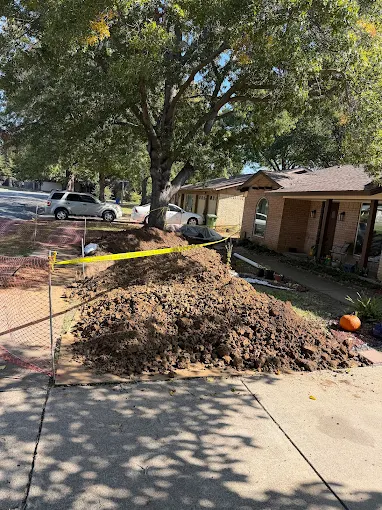
The first sign is usually small: a faint hiss coming from behind a wall, a mysterious wet spot on the carpet, or a water bill that suddenly jumps for no obvious reason. Maybe you walk into the kitchen in your Keller, TX home and feel a cold damp patch on the floor near the sink. The faucet isn’t running, the dishwasher is off, and yet water is clearly coming from somewhere. In that moment, finding your home’s leak location fast stops being a “someday” chore and becomes an urgent priority.
Water leaks rarely stay small. They spread, soak into drywall, warp flooring, and can quietly weaken framing and foundations. In Texas heat, moisture also creates a perfect environment for mold growth in just a few days. Every hour you spend guessing where the leak might be is an hour the damage can get worse. That’s why understanding how to quickly track down the source – and when to bring in a professional like All Source Plumbing in Keller, TX – can literally save you thousands of dollars and weeks of repair headaches.
The good news is that you don’t need to be a plumbing expert to make smart first moves. With a bit of methodical checking, some simple tests, and a clear plan, you can narrow down the likely leak source quickly. Then, when it’s time to call in help, you’ll be able to explain what you’ve found and get faster, more targeted service.
Know The Warning Signs
Finding a leak quickly starts long before water is pouring through the ceiling. Early warning signs are often subtle, and homeowners in Keller, TX sometimes overlook them because they don’t seem like “plumbing” issues at first. An unexplained musty odor in a closet, a single wall that always feels cool and slightly damp, or a faint discoloration on the ceiling can all point to a hidden water issue. Paying attention to these small clues can give you a head start on identifying the source before the damage becomes obvious.
Your monthly water bill is another powerful early warning system. If your household’s routine hasn’t changed much but the bill suddenly spikes, that extra water is going somewhere. Many Keller homeowners assume it’s a billing mistake, but it’s more often a sign of a hidden leak in a wall, under a slab, or in the yard. Comparing your current bill to the same month last year is a quick way to spot unusual usage and justify taking a closer look around your home.
Sounds can be just as telling as sights. If you hear water running when no faucets, showers, or appliances are in use, that’s a major red flag. A continuous hiss, trickle, or tapping noise coming from a wall, floor, or ceiling often points to pressurized water escaping from a pipe. At night, when the house is quiet, walk around and listen carefully in different rooms. If you can localize where the sound is loudest, you’ve already narrowed down the leak zone significantly.
Simple Tests You Can Do First
Once you suspect a leak, one of the fastest ways to confirm it is by using your water meter. Turn off all water-using fixtures and appliances in the home – faucets, washing machine, dishwasher, sprinklers, and any other devices. Then go to your water meter and note the reading. Many meters have a small leak indicator dial that spins even with tiny flows. If that dial continues to move when everything is off, water is flowing somewhere it shouldn’t be. Check the reading again after 15–30 minutes; if it has changed, you almost certainly have a hidden leak.
To separate possible indoor leaks from outdoor or underground ones, use your home’s main shutoff valve. First, make sure all fixtures are off, then close the main valve to stop water entering the house. Recheck the meter. If the meter keeps moving with the main valve off, the leak is likely between the meter and the house – usually in the yard or under the driveway. If the meter stops, the leak is probably inside the home. This simple test helps you decide whether you’re dealing with an interior plumbing issue or a supply line problem, which is crucial information when you call All Source Plumbing.
Toilets are another common and sneaky source of leaks. A running toilet can waste hundreds of gallons per day without leaving obvious puddles. Remove the tank lid and listen for hissing or trickling. You can also perform a quick dye test: add a few drops of food coloring to the tank and wait 15–20 minutes without flushing. If colored water appears in the bowl, you have a leak at the flapper or another internal component. Fixing or replacing these parts is relatively simple, but identifying the problem quickly prevents long-term water waste and higher bills.
Tracking Leaks Room By Room
When it comes to locating a leak fast, a structured walkthrough of your home is more effective than randomly checking spots. Start with rooms that have plumbing: bathrooms, kitchen, laundry room, and utility areas. In each room, inspect around sinks, tubs, showers, and appliances. Look for soft or discolored drywall, loose or warped flooring, and caulk joints that are cracked or pulling away. Even a tiny gap around a tub or shower can allow water to seep into the wall cavity over time, mimicking a pipe leak.
In the kitchen, check under the sink with a flashlight. Slowly run the faucet and watch the supply lines, shutoff valves, and drain connections. Sometimes the leak only appears under pressure or when water drains rapidly. Feel along the bottom of the cabinet and the back wall for dampness. Also check around the base of the dishwasher and refrigerator (especially if it has an ice maker or water dispenser). A slow leak from an appliance line can travel under flooring and appear as a wet spot several feet away from the real source.
Bathrooms deserve especially close attention in Keller homes, because they concentrate multiple fixtures in a small area. Inspect around the base of toilets for staining or soft flooring, and gently rock the toilet to see if it moves. Movement can break the wax ring seal and cause leaks each time the toilet is flushed. Around tubs and showers, look for cracked grout, missing caulk, and loose tiles. These are not just cosmetic flaws; they are pathways for water to reach the subfloor or wall cavities and create hidden damage that shows up much later in another room or on the ceiling below.
Hidden Leaks In Walls And Slabs
Some of the most frustrating leaks are the ones you can’t see directly. In Keller, TX, many homes have plumbing lines running through walls, ceilings, and concrete slabs. If you notice a damp spot on a wall that isn’t near a fixture, or a warm area on a floor where no radiant heating exists, you may be dealing with a concealed pipe leak. These leaks can be slow and persistent or sudden and severe, but either way, pinpointing their location quickly is critical to minimizing structural damage.
For wall leaks, your senses are powerful tools. Gently press on suspicious areas of drywall; if it feels soft, spongy, or crumbly, water has likely been present for some time. Use your nose as well: a persistent musty smell in one area often indicates moisture trapped behind the surface. You can also compare wall temperatures with your hand – a cooler or slightly clammy section can hint at evaporating water on the other side. Mark the area with painter’s tape so you can show it directly to a plumber from All Source Plumbing when they arrive.
Slab leaks are more complex and are best confirmed by professionals, but you can still gather useful clues. Walk barefoot across your floors and note any unusually warm or damp spots, especially along interior walls. Listen for the sound of running water in the lowest level of your home when everything is turned off. If your water meter test suggests a continuous leak and you can’t find signs in visible plumbing or walls, a slab leak becomes more likely. In these situations, fast professional detection with specialized equipment is essential to avoid unnecessary demolition and to restore your plumbing with minimal disruption.
When To Call All Source Plumbing
There is a point in every leak search where DIY efforts reach their limit. If you’ve confirmed a leak with your water meter, checked all visible fixtures, and still can’t identify the exact location, it’s time to bring in experts. All Source Plumbing, serving Keller, TX and surrounding areas, uses advanced leak detection tools such as acoustic listening devices, thermal imaging, and pressure testing to pinpoint leaks without tearing open large sections of your home. This targeted approach not only saves time, it also reduces repair costs and the mess associated with exploratory demolition.
You should also call a professional immediately if the leak is clearly active and causing damage you can see. Water pouring from a ceiling, rapidly spreading floor puddles, or walls that are visibly bowing or bubbling require urgent attention. In these cases, your first step is to shut off the main water supply to stop the flow, then contact a plumber who offers prompt response. All Source Plumbing understands that Keller homeowners can’t wait days when water is actively damaging their property, and rapid leak location is a core part of minimizing that harm.
Even if the leak seems minor, recurring moisture problems or repeated “mystery” damp spots are worth a professional inspection. Sometimes the visible symptom is just the tip of a much larger issue: corroded pipes, failing fittings, or poor original installation that is starting to break down. By having an experienced plumber locate and diagnose the true source, you avoid a cycle of temporary fixes and ongoing damage. In the long run, that proactive approach is far more cost effective than constantly reacting to new symptoms.
Preventing Future Leak Emergencies
Locating a leak quickly is important, but preventing the next one is just as critical. Once the immediate issue is repaired, take the opportunity to assess your home’s overall plumbing health. Ask your plumber what may have contributed to the leak: age of the pipes, water pressure, corrosion, or installation errors. In Keller, TX, mineral content in the water and shifting soils can both play roles in how plumbing systems age. Understanding the underlying cause helps you decide whether targeted repairs or broader upgrades make more sense.
Simple routine checks can dramatically improve how fast you catch future leaks. Make it a habit to inspect under sinks, around appliances, and in utility areas every month or two. Look for small drips, condensation, or stains that weren’t there before. If your home has an accessible attic or crawlspace, an occasional glance with a flashlight can reveal early signs of roof or pipe leaks before they reach living spaces. Keep an eye on your water bill and meter, too; a quick monthly meter check with everything turned off can act as an early warning system.
Some homeowners also use upgrades as an opportunity to reduce both leak risk and water usage. For example, when replacing older equipment, you might consider efficient fixtures or systems such as an Electric tankless water heater. While no single upgrade can prevent every leak, modern plumbing components often have better materials, improved safety features, and lower stress on your overall system. Combined with periodic professional inspections from a company like All Source Plumbing, these measures create a more resilient plumbing network that’s less likely to surprise you with sudden, hidden leaks.
Frequently Asked Questions
How can I tell if I have a hidden leak if I don’t see any water? Hidden leaks often reveal themselves through indirect signs rather than obvious puddles. Watch for unexplained increases in your water bill, the sound of running water when all fixtures are off, or persistent musty odors in specific areas. You can also use your water meter: turn off all water-using devices, then check if the meter’s leak indicator is still moving. If it is, water is flowing somewhere, even if you can’t see it yet. At that point, a professional leak detection service in Keller, TX can help pinpoint the exact location.
What should I do first when I discover an active leak? Your immediate priority is to stop or slow the flow of water. Locate your home’s main shutoff valve – usually near the water meter, in a utility room, or in the garage – and turn it off. If the leak is localized to a specific fixture like a toilet or sink, you can often use the individual shutoff valve below it. Once the water is off, move valuables away from the affected area, place buckets or towels to contain the water, and call a plumber such as All Source Plumbing. Providing clear information about what you see and what you’ve already done will help them respond efficiently.
Can I safely cut into a wall to look for a leak myself? In many cases, it’s better to avoid opening walls until you have a good idea of where the leak is and what might be behind the surface. Randomly cutting into drywall can expose you to electrical wiring, cause unnecessary damage, and still miss the real leak source. Professionals use listening equipment, moisture meters, and other tools to narrow down the target area before any opening is made. If you feel you must open a wall, start with a small inspection hole in an area that is clearly damp and away from outlets, but contacting a professional first is usually safer and more cost effective.
How long can a small leak go unnoticed before causing serious damage? Even a slow drip can cause significant damage over time if it’s hidden behind walls or under floors. In warm, humid conditions like those often found in Keller, TX, mold can start growing within 24–48 hours of sustained moisture. Structural wood can begin to weaken over weeks or months of exposure, leading to sagging floors or warped framing. Because you can’t easily see this damage developing, it’s important to treat any suspected leak as urgent and act quickly to locate and fix it, rather than assuming a small leak is harmless.
Why should I call All Source Plumbing instead of trying to fix the leak myself? While some minor leaks at visible joints or fixtures can be DIY projects, many leaks are symptoms of deeper issues within your plumbing system. All Source Plumbing brings specialized tools and extensive experience to accurately locate leaks with minimal disruption. They can determine whether the problem is a single failing fitting, corrosion in a section of pipe, or a broader system issue that needs attention. By getting a professional diagnosis and repair, you reduce the risk of recurring leaks, hidden damage, and costly future repairs, protecting both your Keller home and your peace of mind.