
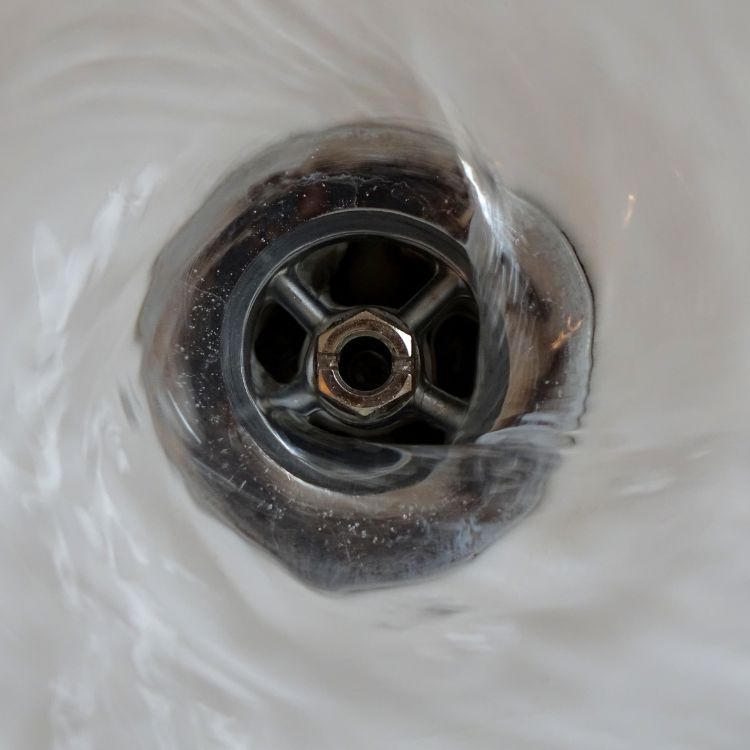
Most homeowners assume that drain repair and installation are all about clearing a clog or gluing a few pipes together. That mindset is exactly why so many drains in Keller, TX fail early, back up repeatedly, or cause hidden water damage behind walls and under foundations. Effective drain work is less about reacting to a problem and more about understanding how water, waste, slope, pipe materials, and usage patterns all interact over time. When those pieces are not carefully planned and executed, even a brand-new drain line can become a recurring headache.
Another common misconception is that all drains are basically the same, whether it’s a kitchen sink, a shower, or a main sewer line. In reality, each type of drain has different flow rates, debris loads, and venting needs. Installing or repairing them with a one-size-fits-all approach almost guarantees problems later. At All Source Plumbing, serving Keller and the surrounding communities, effective drain repair and installation strategies revolve around diagnostics, design, and long-term performance, not just quick fixes. That means looking beyond the immediate symptom and asking why the drain failed in the first place.
Finally, many people underestimate how much local conditions matter. Soil movement in North Texas, older neighborhoods in Keller with legacy cast iron lines, newer developments with PVC systems, and the way homes are laid out all influence the best approach. A strategy that works in another state or even another city may not be ideal here. Effective drain repair and installation in Keller requires a blend of code knowledge, real-world experience, and a willingness to customize the solution to each home rather than forcing the home to fit a pre-set formula.
Seeing The Whole System
When a drain backs up, the obvious culprits are hair, grease, or foreign objects, but those are often just the final straw in a system that was already under stress. Effective drain repair starts by viewing the plumbing as a complete network rather than a collection of isolated pipes. A kitchen clog, for example, might actually be connected to a sagging section of main line in the yard where grease and debris collect. Simply snaking the sink drain might restore flow for a few weeks, but the underlying restriction remains, ready to cause the next backup.
Professional plumbers in Keller who take a systems approach will trace the path of water from fixture to main sewer connection, checking for sharp turns, inadequate venting, or transitions between different pipe materials. Each of these points can become a chronic problem if they were poorly installed. All Source Plumbing relies on this whole-system mindset to avoid band-aid repairs. By identifying key stress points, they can recommend targeted corrections that improve performance across the entire drain network, not just at the most obvious trouble spot.
Another aspect of seeing the whole system is understanding how different fixtures “talk” to each other through shared lines and vents. A gurgling sound in a bathtub when the toilet is flushed, or slow drainage in a kitchen sink when the washing machine discharges, are signs that the system is interacting in unhealthy ways. Effective strategies involve balancing the system so that each fixture has the venting and capacity it needs, preventing negative pressure and cross-interference that lead to recurring clogs and sewer gas odors.
Diagnostics Before Any Repair
One of the most powerful strategies in modern drain repair is thorough diagnostics before any major work begins. Guesswork is what leads to repeated service calls, unnecessary pipe replacements, and damage that could have been avoided. Instead of assuming the cause of a problem, a trained plumber uses tools like video camera inspections, line locators, and, when appropriate, tests like smoke or dye to pinpoint the exact location and nature of the issue. This is especially important in Keller, where many homes have complex underground drain layouts that are not always accurately reflected on old plans.
Camera inspections, in particular, have changed how professionals approach drain repair. By feeding a small camera through the line, plumbers can see root intrusions, pipe separations, bellies (low spots where water and debris collect), and corrosion from the inside. This visual confirmation allows All Source Plumbing to distinguish between a simple clog that can be cleared and a structural defect that needs repair or replacement. Instead of tearing up a yard or slab in multiple places to “find” the problem, they can target the exact section that is failing.
Effective diagnostics also mean looking at the home’s history. Has this drain backed up before? Does the problem only appear after heavy rain, or when multiple fixtures are used at once? These patterns provide clues about whether the problem is related to the municipal sewer connection, infiltration from groundwater, or undersized piping. By combining technology with careful questioning and observation, a plumber can design a repair strategy that addresses the root cause rather than just the symptom. That level of precision is what separates quick, temporary relief from a durable, long-term fix.
Choosing The Right Repair Method
Once the problem is clearly identified, the next strategic step is selecting the repair method that delivers reliability without unnecessary disruption or cost. In some cases, a thorough mechanical cleaning and descaling of an existing pipe can restore full function, especially in homes with older cast iron lines. In other situations, spot repairs such as replacing a cracked fitting or correcting an improperly sloped section may be all that’s needed. The key is matching the method to the condition of the pipe, its location, and the homeowner’s long-term plans for the property.
For more severe damage, replacement of a section of drain may be more cost-effective than repeated cleanings. In Keller’s clay-heavy soils, shifting and settling can cause joints to separate or pipes to sag. If those defects are widespread, replacing entire runs of pipe with modern PVC can eliminate ongoing maintenance and reduce the risk of sewage leaks. All Source Plumbing evaluates the extent of damage, access points, and the impact on landscaping or hardscaping when recommending replacement so that homeowners understand both the short-term disruption and the long-term benefits.
Another repair consideration is the future accessibility of the system. Installing cleanouts in strategic locations during a repair provides access for future maintenance without invasive digging. This is a simple but often overlooked strategy that can save time and money over the life of the system. By planning for maintenance during the repair phase, plumbers set homeowners up for easier and less expensive service if problems arise years later. Effective drain repair is not just about fixing what is broken today; it is about making the system easier to maintain tomorrow.
Smart Strategies For New Drain Installation
When installing new drains—whether in a home addition, a remodel, or new construction—the most effective strategy is to treat design as seriously as the installation itself. Proper slope is one of the non-negotiable factors. Drains that are too flat allow solids to settle, while lines that are too steep can let water outrun waste, leaving residue behind. In Keller, where building codes specify minimum slopes, a skilled plumber will go beyond minimums and consider pipe size, fixture type, and run length to fine-tune the grade for reliable flow.
Pipe material is another critical decision. PVC is common for residential drain lines and offers durability and smooth interiors that resist buildup. However, transitions from older materials like cast iron or clay to PVC must be handled carefully with the correct fittings to prevent leaks and future separations. All Source Plumbing pays particular attention to these transition points, sealing them properly and supporting them against soil movement. A beautiful new PVC line does little good if it is poorly connected to the rest of the system.
Vent placement and sizing are often underestimated during installation. Every drain needs air behind the water to flow properly, and venting is what prevents siphoning, gurgling, and slow drains. Strategic vent design ensures that multiple fixtures can operate simultaneously without robbing each other of airflow. For example, a properly vented washer drain will not cause a nearby sink to bubble or back up. Effective installation strategies in Keller homes include reviewing the entire vent network, not just adding vents wherever convenient, to ensure the system meets code and performs well under real-world use.
Preventive Practices That Protect Drains
Even the best installation or repair can be undermined by how drains are used daily. Preventive strategies focus on educating homeowners and putting simple protections in place. For kitchen drains, this means keeping fats, oils, and grease out of the sink as much as possible. Grease may go down as a liquid, but it cools and solidifies inside the pipe, catching food particles and forming stubborn blockages. Installing and consistently using strainers can also keep food scraps, coffee grounds, and other debris from entering the line.
In bathrooms, hair and soap scum are the main enemies of drains. Simple tools like hair catchers in shower and tub drains can dramatically reduce buildup. In Keller homes with teenagers or large families, where showers run frequently, these small protections are especially valuable. All Source Plumbing often combines repairs with practical advice on maintenance routines, such as periodic safe enzyme-based treatments to help break down organic buildup without damaging pipes.
Outdoor drains and cleanouts also deserve attention. Yard drains, driveway drains, and gutter connections can become clogged with leaves, soil, and debris, leading to standing water and potential foundation issues. In a region like Keller that experiences heavy rains and clay soil expansion, keeping these drains clear is a key part of protecting both the plumbing system and the structure of the home. Regular visual inspections and occasional professional cleanings help ensure that stormwater flows away from the house instead of toward it.
Why Local Expertise Matters In Keller
Drain systems in North Texas face unique challenges that generic plumbing advice rarely covers. The expansive clay soil in and around Keller can swell when wet and contract when dry, putting constant stress on underground pipes. Over time, this movement can create low spots, separations at joints, and even cracks. A plumber who works regularly in this area understands these soil dynamics and plans installations and repairs with soil behavior in mind, including proper bedding and support for new lines.
Many Keller neighborhoods also have a mix of older and newer homes, each with different plumbing “personalities.” Older homes may have cast iron or clay drains that are more prone to corrosion and root intrusion, while newer developments typically use PVC. A one-size-fits-all approach to repair ignores these differences. All Source Plumbing tailors its strategies to the age and construction of each home, selecting tools, materials, and methods that respect the existing system while upgrading performance where possible.
Local code compliance is another area where regional expertise pays off. Municipal requirements for cleanout placement, backwater valves, and connections to city sewer lines can vary. A plumber who is familiar with Keller’s specific regulations can design installations that pass inspection smoothly and protect homeowners from costly rework. More importantly, they understand how those codes translate into real-world reliability, recommending enhancements that go beyond the minimum requirements when it clearly benefits the homeowner’s long-term interests.
Frequently Asked Questions
How do I know if my drain problem needs more than simple snaking? If a drain clogs repeatedly, backs up in multiple fixtures at once, or causes gurgling sounds and bad odors, it is often a sign of a deeper issue than a simple blockage. In these cases, relying on basic snaking alone is like resetting a warning light without fixing the engine. A professional camera inspection can reveal whether you are dealing with roots, pipe damage, or a sagging section of line. In Keller, where soil movement is common, structural issues are frequent, and early detection can prevent larger, more expensive failures.
What makes a “good” drain installation in a new remodel or addition? A high-quality drain installation balances proper slope, correct pipe sizing, and thoughtful vent placement. For a remodel or addition in Keller, a good installer will also consider how the new drains tie into the existing system, ensuring that the added fixtures do not overload older lines or create venting conflicts. Cleanouts should be placed where they are easily accessible, and transitions between old and new piping should use the right fittings to prevent leaks. When these details are handled carefully, the new space functions just like the original part of the home—or better.
Can chemical drain cleaners damage my pipes? Many off-the-shelf chemical drain cleaners rely on harsh ingredients that generate heat and can damage certain pipe materials over time, particularly older metal pipes. They may clear a partial blockage temporarily but can also weaken joints and accelerate corrosion. In addition, they often do nothing to fix underlying issues like improper slope or root intrusion. Safer options include mechanical cleaning, professional jetting when appropriate, and enzyme-based products for maintenance. Consulting a local plumber before pouring chemicals into your drains is a wise step, especially in older Keller homes with aging lines.
How often should I have my main sewer line inspected? For most homes without a history of problems, an inspection every few years is reasonable preventive care. However, if your home is older, surrounded by mature trees, or has experienced previous backups, more frequent checks may be smart. An inspection is also strongly recommended before buying a home in Keller, as it can reveal hidden issues that a standard home inspection might miss. Early detection of root intrusion, corrosion, or pipe sagging allows for planned repairs instead of emergency dig-ups.
What role does leak detection play in drain repair? Leak detection is crucial when damage is suspected but not visible, such as under slabs or behind walls. Small, slow leaks from drain lines can cause mold, structural damage, and foundation issues long before obvious signs appear. Combining targeted repairs with services like Residential leak detection allows plumbers to confirm that all compromised sections have been identified and addressed. In a region like Keller, where slab foundations are common, this careful approach helps protect both the plumbing system and the home’s overall integrity.