
Drain Repair & Installation With Clean, Modern Solutions
The first sign is usually small—slow drains in the kitchen sink, a bathroom that “gurgles” after you flush, or water backing up a few inches before it finally goes down. In Keller and the rest of North Texas, that kind of intermittent behavior often turns into an emergency at the worst time: when everyone’s home, laundry is running, and a main line blockage decides to fully back up.
If you’re seeing recurring backups or you’ve got a drain that never drains quite right, don’t treat it like a one-off clog. Your drain system is a network. When one part fails—especially the line under a slab or near a foundation—repairs that only address the surface symptom can leave the real problem in place.
At All Source Plumbing, we handle everything from drain cleaning and drain repair to drain installation and drain line replacement, and we approach each job with the same goal: solve the cause, not just the complaint.
Quick Answer
If you’re dealing with frequent clogs, slow drainage, or backups, the most reliable next step is a proper drain diagnosis—not repeated “chemical fixes” or only surface-level cleaning. Professional drain repair may include targeted drain pipe repair, hydro jetting, or—when the line is damaged or collapsed—new drain installation or drain line replacement. The right solution depends on where the restriction or failure is happening, whether roots or buildup are involved, and how your piping is routed under your home.
What Actually Causes “Drain Problems” in Keller Homes?
From my experience in North Texas homes, recurring drain issues usually fall into a few patterns:
- Grease + soap + hair buildup that gradually tightens the flow until it can’t clear by itself.
- Tree-root intrusion into older sewer or yard lines, especially where joints are older or disturbed.
- Pipe sagging or misalignment that creates a low spot where debris settles.
- Corrosion and scale in older metal or aging sections of drain piping.
- Concrete slab issues—not because the concrete “breaks,” but because shifting soil, poor drainage around the foundation, or aging installations can stress the piping.
One technician observation I’ve made repeatedly: when homeowners say, “It started after we had that storm,” they’re often noticing the timing, not the cause. Heavy rain can increase groundwater pressure and change how water moves through the system. That can expose a drain line that’s already compromised (partial collapse, cracked joints, or a root-affected section) and make backups show up sooner than you’d expect.
Signs You May Need Drain Repair vs. Drain Installation
Here are the red flags we use to decide whether a drain cleaning solution is enough or whether you’re headed toward repair or replacement:
- Multiple fixtures back up (not just one sink or shower)
- Backups return quickly after cleaning
- Gurgling sounds from drains or toilets
- Slow drainage in one area that worsens over weeks/months
- Sewage odor near drains or in bathrooms/laundry areas
- Standing water near a floor drain, especially after storms
- Cracks or movement near exterior cleanouts or access points
If you’ve already tried a few “quick fixes,” that doesn’t mean you’re out of options—it just means you need the right diagnostic approach to avoid wasting money.
Common Mistakes Homeowners Make
1) Pouring chemicals into a drain that’s already restricted
Chemical drain cleaners can temporarily reduce odor or loosen surface buildup, but they don’t fix collapsed pipe segments or root intrusion. Worse, they can damage certain plumbing materials and make later repairs messier.
2) Treating every backup like it’s the same problem
A kitchen sink clog and a main drain issue are not the same diagnosis. If your problem is repeating across rooms, you may have a deeper issue further down the line.
3) Waiting until there’s visible water damage
The longer a drain line stays partially blocked, the more water works its way around barriers—gaskets, joints, and even areas under slab edges. That’s when small plumbing problems turn into expensive cleanup and repair work.
4) Assuming hydro jetting is always the solution
Hydro jetting is powerful, but it’s not one-size-fits-all. If a line has a severe collapse or broken section, jetting can be ineffective or even worsen the situation. In those cases, drain line replacement or targeted repair is the better path.
Repair, Diagnostics, or Prevention: A Practical Plan
When you call for drain repair, the goal is to identify the location and cause. The cleanest solutions usually follow a simple diagnostic flow:
1. Confirm symptoms and pattern
We ask when it happens (after rain, after heavy use, when multiple fixtures run) and which fixtures are affected.
2. Inspect the system
Camera inspection (where accessible) helps us see buildup, cracks, offsets, and root intrusion.
3. Choose the right cleaning method
If the line is intact but restricted, we may recommend hydro jet drain cleaning solutions to clear buildup thoroughly and restore flow.
4. Repair localized damage
For certain failures, drain cleaning services may be combined with targeted drain pipe repair to correct the specific failing section.
5. Replace when the line is beyond “cleaning”
If inspection shows a collapsed segment, severe offset, or a line that can’t reliably carry flow, drain line replacement (often with modern methods when appropriate) becomes the sensible long-term option.
Plumbing Maintenance Checklist (So You Don’t Repeat the Problem)
You don’t need to be a plumber to prevent drain failures. These habits reduce buildup and help you spot issues early:
- Use drain strainers in sinks and showers to catch hair and food particles.
- Avoid pouring grease into the sink (even “small amounts” add up).
- Flush with hot water periodically if your plumbing tolerates it (especially after heavy cooking).
- Run water after dishwashing/laundry to keep flow consistent.
- Don’t ignore slow drains—address them early before they become backups.
- Check exterior cleanouts after storms for signs of overflow or lingering odors.
- Schedule inspections if your home has older sewer lines or you’ve had recurring backups.
A Realistic Service Case: “It Only Happens on Weekends”
A homeowner in North Texas called after repeated slowdowns that seemed to happen mainly on weekends. The kitchen sink would drain slowly, then the tub would gurgle after a shower, and eventually the toilet would “hesitate” before flushing normally.
A quick drain treatment seemed to help temporarily—but the problem returned within days. Camera inspection revealed a section of the line with heavy buildup and a slight offset that created a low spot. That low spot was perfect for debris to settle, especially during weekend water usage when multiple fixtures were running.
Recommendation: Instead of repeating chemical treatments, we performed thorough cleaning and followed up with repair-focused work to restore proper slope and flow. The homeowner avoided ongoing emergency callouts and stopped the cycle of “cleaning that only lasts a little while.”
Keller & North Texas Relevance: Why Timing and Terrain Matter
Keller homes sit in a region where seasonal temperature swings, shifting soil conditions, and aging plumbing installations can all contribute to drain line stress. In particular:
- Clay-rich soil can shift as moisture levels change.
- Storm drainage patterns can increase groundwater pressure and expose weak joints.
- Growing neighborhoods often mean many systems weren’t built for today’s typical water use patterns.
That’s why we pay attention to when the problem starts—after heavy rainfall, after a landscaping change, or after a major increase in household water use. Those cues help us avoid guesswork and select the right repair path.
Quick Reference: Repair vs. Replacement
Here’s a simple way to think about decisions we often help homeowners make:
| Situation | Most likely solution |
|---|---|
| Slow drain with removable buildup | Drain cleaning and targeted cleaning |
| Repeated clogs in one fixture only | Often a localized blockage or trap-related issue |
| Multiple fixtures backing up | Likely deeper line restriction or failure |
| Roots, cracked joints, or recurring obstruction | Repair of failing section; sometimes replacement |
| Collapsed or severely offset pipe | Drain line replacement or modern replacement method |
If inspection shows the line can’t reliably carry flow, “more cleaning” usually becomes a cycle. A repair or replacement recommendation is often the cheaper option over time because it removes the failure point.
When You Might Need Emergency Drain Repair
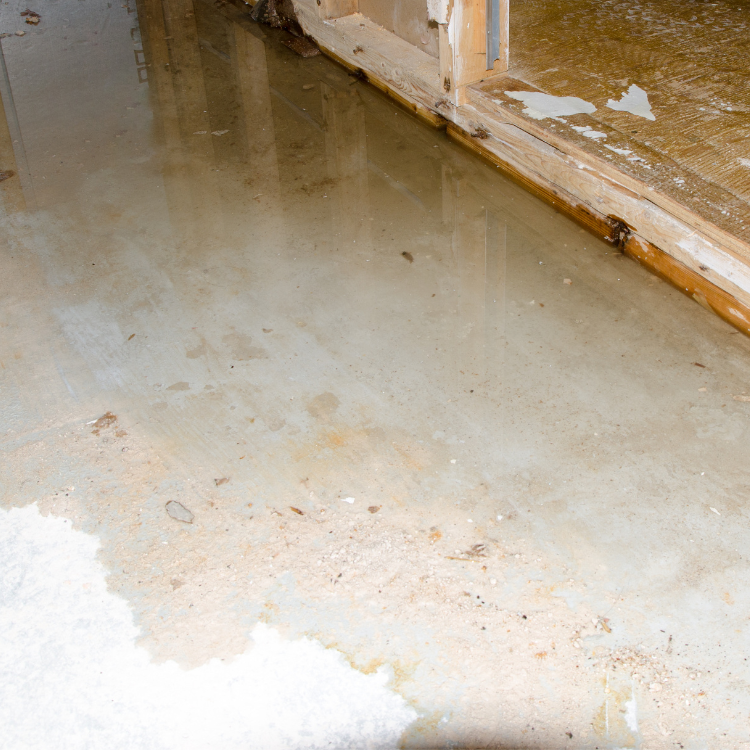
If you have sewage backing up, water rising near a floor drain, or persistent backups that worsen quickly, treat it like an emergency. The longer waste water sits, the more damage it can cause to finishes and subflooring, and the more complicated remediation becomes.
If you’re in a rush, you can also review emergency plumbing repairs to understand what to expect when the situation is actively spreading.
FAQs
How do I know if my clog is just a blockage or a damaged drain line?
A simple clog usually clears and stays cleared for a while. If the same symptoms return quickly—or if multiple drains back up—there’s often a deeper issue like an offset pipe, recurring root intrusion, or failing joints. A camera inspection is the fastest way to separate “cleanable restriction” from “structural problem.”
Is hydro jetting safe for older pipes?
It can be, but it depends on what we find. If a line has significant cracks or collapse, jetting may not be the right first move. Professional inspection helps determine whether jetting can safely restore flow or whether repair/replacement is the better long-term solution.
What’s the difference between drain repair and drain installation?
Drain repair targets a specific failing section—like a cracked pipe segment, damaged joint, or localized obstruction. Drain installation or replacement is used when the existing line can’t function reliably due to widespread deterioration, collapse, or repeated failures.
Should I wait to fix a slow drain?
If it’s getting slower over time or you notice gurgling and backups, waiting usually costs more later. Early intervention prevents a partial restriction from turning into a full blockage that can damage floors and surrounding materials.
Ready to Protect Your Home From Plumbing Damage?
If your drains are backing up, draining slowly, or acting “inconsistent,” the best next step is a diagnosis that finds the cause. That’s how you avoid paying for repeated cleanings that don’t fix the underlying issue—and how you choose repair or installation with confidence.
About All Source Plumbing
All Source Plumbing provides slab leak detection, drain repair, hydro jetting, sewer diagnostics, tankless water heater services, and emergency plumbing repairs throughout Keller, TX and surrounding North Texas communities. The company focuses on accurate plumbing diagnostics, long-term repair solutions, preventative maintenance, and helping homeowners protect their properties from costly water damage through professional plumbing services.