
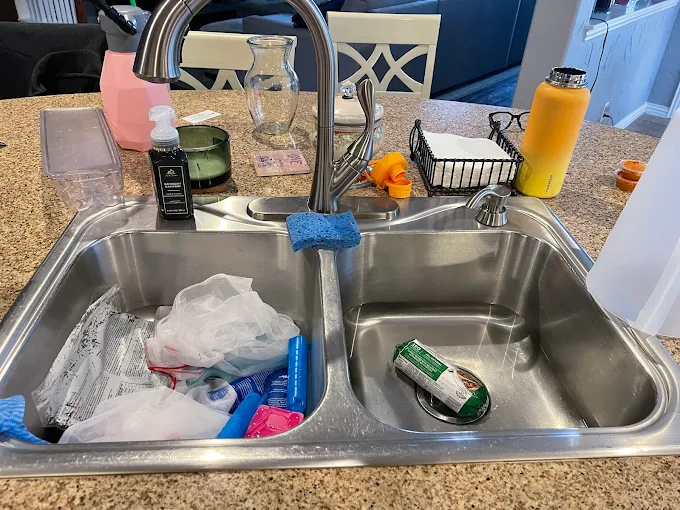
If your sink drains slowly, you see recurring clogs, or water backs up during normal use, this guide will help you understand what’s happening, what to check first, and when drain repair or drain installation is the smarter next step for homes and properties in Fort Worth, TX.
Last week everything seemed fine, then the kitchen sink started draining slower and slower. By the weekend, the water backed up when the dishwasher ran, and the smell in the drain area got noticeable.
In a lot of Fort Worth, TX homes, drain problems can start small and escalate quickly. A partial clog, a damaged drain pipe, or even a sewer line issue can all show up as “clogged drain repair” symptoms. This guide walks you through the practical steps for identifying likely causes, reducing the risk of repeat clogs, and choosing between repair and installation.
Quick Answer
If a drain is backing up or clogging repeatedly, start by checking the obvious causes (what you are sending down the drain, venting issues you can notice, and whether multiple fixtures are affected). If the problem is isolated to one fixture, a localized clog or fixture connection issue is more likely. If multiple drains are slow at once or you suspect sewer backups, you may need drain repair or main drain line repair. For the best results in Fort Worth, TX, have a professional inspect the drain line and determine whether hydro jet drain cleaning or drain line replacement is the right path.
What to Check First
Before you schedule drain work, you can narrow down the cause. These checks are safe, simple, and useful for communicating with your plumber in Fort Worth, TX.
1) Confirm what’s affected
Is it only one sink or tub, or do multiple drains show the same slow-drain behavior? That helps separate fixture-level issues from drain line problems.
2) Watch for backup patterns
Does the backup happen when you run the dishwasher, flush a toilet, or do laundry? Patterns often point toward clogged drain repair in a shared line.
3) Look for obvious damage
Check under sinks and around accessible piping for leaks, corrosion, or loose connections. A small leak can create ongoing odor and moisture that attracts debris.
Professional observation: If you notice recurring clogs plus gurgling sounds or slow drainage across more than one fixture, you are usually dealing with a drain line restriction or a larger sewer drain repair issue rather than a one-time blockage.
If you suspect you are dealing with a sewer drain repair situation rather than a simple clog, it can help to understand the difference between cleaning and repair. For related guidance, you can review All Source Plumbing’s drain cleaning services.
Main Things Customers Should Understand
Drain repair and drain installation are not always the same decision. The right approach depends on the type of problem, how far it extends, and whether the issue is restricted flow, damaged pipe, or a system that needs better routing.
Drain repair vs. drain installation
Drain repair is typically the best fit when you have a localized failure such as a damaged section of pipe, a faulty connection, or a blockage that can be cleared and corrected. Drain installation or drain line replacement is more appropriate when the line is compromised in a way that will keep failing, or when the existing routing and materials are contributing to repeated backups.
How plumbers approach “clogged drain repair”
Most drain flow problems start with debris and buildup, but the fix depends on the root cause. Sometimes hydro jet drain cleaning is effective because it removes buildup along the interior of the drain pipe. Other times, the pipe has cracks, collapsed sections, or separation at joints, which means cleaning alone will not prevent the next blockage.
If you want to focus on high-pressure cleaning options, read All Source Plumbing’s hydro jetting service.
When it becomes a main drain line issue
When you see multiple fixtures draining poorly, repeated toilet backups, or slow drainage that returns soon after cleaning, the problem may be in the main drain line. That is where drain pipe repair and main drain line repair are often considered. In some cases, trenchless sewer replacement or sewer repairs may be the practical option to restore flow without unnecessary disruption.
To understand options that focus on restoring line function, see trenchless sewer replacement and sewer repairs.
| What you’re noticing | Most likely cause | Typical next step |
|---|---|---|
| One fixture drains slowly | Localized clog or fixture connection issue | Targeted drain cleaning and fixture-level inspection |
| Multiple drains slow at the same time | Shared drain line restriction | Drain line inspection and cleaning; repair if restriction is structural |
| Frequent clogs soon after cleaning | Buildup pattern or pipe damage | Assess for drain pipe repair or drain line replacement |
| Backups involve toilets or outdoor cleanouts | Main drain line issue | Professional inspection for sewer drain repair, main drain line repair, or replacement |
Why This Matters in Fort Worth
In Fort Worth, TX, homes and commercial properties often have older plumbing configurations alongside newer remodels. That mix can create drain system weak points, especially where older pipes meet newer fixtures or where renovation changes waste routing. If your property has had past repairs, the current issue might be a continuation of the same problem zone, not a brand-new failure.
Also, drain problems can overlap with water leak detection concerns. A drain line that is leaking can mimic “clogged drain repair” symptoms by creating moisture, odor, and soft spots in nearby areas. If you suspect leaks along with drainage problems, consider pairing drain evaluation with water leak detection. For a related service path, you can review leak location repair.
Residential drain patterns
Kitchen and laundry backups are often connected to shared drain lines. The pattern helps determine whether drain repair or drain installation is needed.
Commercial property considerations
Higher fixture use can reveal issues faster. If you manage a facility in Fort Worth, TX, a repeat clog schedule usually means the line needs more than cleaning.
Outdoor and cleanout clues
If you have access to cleanouts, note whether backups worsen after certain weather or heavy use periods.
Common Mistakes to Avoid
These are the mistakes that often turn a manageable drain problem into a bigger repair in Fort Worth, TX.
- Relying on chemical drain cleaners as the only solution. Chemicals can damage some plumbing components and do not fix cracked or misaligned drain pipe. Cleaning is useful, but the system still needs inspection if clogs return.
- Assuming it’s “just a clog” when multiple fixtures are involved. When more than one drain slows down, you may be dealing with a drain line restriction or main drain line issue.
- Waiting too long after repeated backups. Backups can increase odor, cause sanitation concerns, and add wear to drain components.
- Choosing the wrong fix for the real cause. Hydro jet drain cleaning can be the right step for buildup, but if the pipe is compromised, drain pipe repair or drain line replacement may be the more lasting solution.
- Ignoring signs that point to sewer drain repair needs. If toilets, floor drains, or outdoor cleanouts are involved, the drain system may require a more comprehensive inspection.
Practical question to ask: “Can you explain whether this is a clog, a damaged drain pipe, or a main drain line issue, and what that means for drain repair versus drain installation?”
Customer Checklist
- Write down when slow drainage and backups happen (time of day, which fixtures were used, and whether it returns after cleaning).
- Check which drains are affected. Note whether it’s only one fixture or multiple fixtures at the same time.
- Inspect accessible piping under sinks for loose connections, moisture, or corrosion.
- Take a quick photo of any visible leak points or damage near the drain connections.
- If you have access to cleanouts, note whether backups appear after certain use patterns.
- Avoid chemical-only treatments if the issue repeats. Ask for an inspection of the drain line to confirm the root cause.
- Confirm the plan: targeted drain cleaning, drain pipe repair, or drain line replacement based on what the inspection shows.
- After repairs, keep an eye on flow for normal daily use and report early return signs.
Representative scenario: what a proper fix can look like
A Fort Worth homeowner noticed that the kitchen sink started draining slowly, then the dishwasher caused water to rise slightly before it went down. After a basic clearing attempt, the issue returned within days. During inspection, the plumber identified a restriction along the shared drain line rather than just a one-off clog. The corrective work involved clearing buildup and addressing the underlying problem that caused the line to keep re-restricting. The homeowner’s next months were smoother because the repair matched the actual cause of the blockage.
Need help choosing between drain repair and drain installation?
If you’re dealing with recurring clogs or backups in Fort Worth, TX, All Source Plumbing can help you identify whether hydro jet drain cleaning, drain pipe repair, or drain line replacement makes the most sense for your situation.
Contact All Source PlumbingPhone: (682) 760-4912
Frequently Asked Questions
How do I know if I need drain repair or full drain installation?
You usually need more than a “quick fix” when clogs return quickly, multiple fixtures slow at once, or you see symptoms that suggest a main drain line issue. Drain installation or drain line replacement is often considered when the drain pipe is damaged or compromised in a way that cleaning alone cannot correct. A professional inspection helps determine whether the problem is a restriction that can be cleared or a structural issue that needs repair or replacement.
Can hydro jet drain cleaning fix a recurring clog?
Hydro jet drain cleaning can be very effective for removing buildup that narrows the pipe and causes repeat blockages. However, if the drain pipe has cracks, separation at joints, or other damage, cleaning may clear the current blockage but not prevent the next one. That’s why it helps to confirm the underlying cause before choosing between cleaning and drain pipe repair or drain line replacement.
What’s the difference between sewer drain repair and main drain line repair?
“Sewer drain repair” typically refers to correcting problems in the sewer drainage system that handles waste flow away from the building. “Main drain line repair” is more specific to the primary line that carries waste from multiple fixtures. In real homes and businesses in Fort Worth, TX, these terms often overlap in practice, but the key factor is whether the issue is isolated to a single section or affects the shared line.
What should I avoid doing right after a backup?
After a backup, avoid immediately adding more waste or repeatedly running water through the affected fixtures. If you use chemical drain cleaners as a routine response, you can make later inspection and cleanup harder and you may not address the underlying cause. Instead, stop using the affected drains, note which fixtures were involved, and schedule an inspection so the repair plan matches the real problem.
Do I need leak detection if my main issue is a clogged drain?
Not always, but it can matter when you notice moisture, persistent odors, or signs of water escaping near drain lines. A damaged drain or related plumbing connection can create conditions that look like “clogged drain repair.” If you suspect water is leaking along with drainage problems, pairing the drain evaluation with water leak detection helps avoid repeating repairs that do not address the full issue.
Get your drain system flowing again in Fort Worth, TX
Whether you need drain repair, drain pipe repair, or drain line replacement, All Source Plumbing helps you match the solution to what’s actually happening in your plumbing system.
(682) 760-4912