
Drain Repair & Installation: Backups, Odors, and Solutions
A slow sink in the breakroom. A restroom that keeps backing up during your busiest customer hours. A sour smell in the hallway no one can quite locate. For many Keller businesses and property owners, these are the first warning signs that something is very wrong with the drain system—and that ignoring it will get expensive fast.
Across North Texas, wastewater issues are one of the top reasons for commercial plumbing calls. The EPA has estimated that up to 47% of sanitary sewer overflows in the U.S. are caused by blockages, many of them preventable. In older areas of Keller and surrounding Tarrant County, aging lines and soil movement add another layer of risk.
This guide breaks down what’s really happening when drains back up or start to smell, which warning signs you should never ignore, and how modern repair and installation methods can protect your building, your customers, and your bottom line. You’ll see real-world examples from local-style properties, comparisons of traditional vs. modern approaches, and clear steps to get ahead of major failures before they shut you down.
Key Insight: Persistent backups and odors are rarely “just a clog.” They’re often early red flags of deeper drain, sewer, or slab issues—and the sooner you diagnose them, the more you save in repairs, lost business, and property damage.
Why Drains Back Up and Smell: What’s Really Going On
Most building owners in Keller first notice a problem when drains slow down, toilets gurgle, or a musty, sewer-like odor shows up in a restroom or hallway. Those symptoms can come from several underlying issues, and each one calls for a different fix.
Common causes include:
- Grease, soap, and debris buildup in drain lines
- Collapsed, cracked, or offset sewer pipes
- Tree root intrusion in older clay or cast-iron lines
- Improper or deteriorating venting
- Under-slab leaks that wash away soil and misalign pipes
In one Keller strip center off Keller Parkway, a property manager kept calling for basic Drain Cleaning Services every few months for the same set of restrooms. A camera inspection revealed a partially collapsed main under the parking lot. The “clog” wasn’t the problem—structural failure was.
“If you’re clearing the same line every few weeks, that’s not maintenance anymore—it’s a symptom of damage.” — All Source Plumbing Technician
Odors can be just as serious. A dry trap in an infrequently used floor drain can be fixed easily. But a persistent sewer smell, especially on lower levels, might indicate an under-slab leak, vent issue, or even a failing main.
As we move into repair options, keep in mind that accurate diagnosis is everything. That’s where professional testing, cameras, and Leak Detection tools earn their keep.
Finding the Root Cause: Modern Diagnostics for Keller Properties
Before anyone starts cutting concrete, digging trenches, or replacing drains, you want rock-solid answers on what’s wrong and where it is. Modern diagnostics dramatically reduce guesswork and unnecessary demolition—especially important in slab-on-grade structures common across Keller.
Tools and methods that make the difference
- Camera inspections to visually inspect drain and sewer lines
- Locating equipment to pinpoint pipe paths and problem spots
- Smoke testing to find vent and sewer gas leaks
- Water Leak Detection and hydrostatic testing to check for under-slab failures
- Acoustic and thermal tools for Hidden Water Leak Detection
A local example: a medical office near Keller Town Center reported intermittent restroom backups and odors that seemed worse after heavy rain. Traditional snaking helped briefly but never solved it. Using hydrostatic testing and camera inspection, technicians found a separated joint in the main sewer line under the slab. The leak allowed soil infiltration and partial blockage—exactly the kind of issue that standard snaking would miss.
“Non-invasive diagnostics are often the difference between a targeted slab repair and tearing up half a building.” — All Source Plumbing Lead Tech
Accurate Slab Leak Detection is especially critical in Keller, where foundation movement and expansive clay soil are common. Locating a leak to within a foot or two can save thousands in unnecessary concrete removal and finish repairs.
Repair Options: From Clogged Drains to Under-Slab Failures
Once you know what’s wrong, the question becomes: fix, replace, or upgrade? The right solution depends on the type of problem, the age of your system, and how critical the affected drains are to your operation.
Common repair paths
- Routine clogs and buildup
- Professional Hydro Jet Drain Cleaning for heavy grease and scale
- Targeted snaking for localized obstructions
- Fixture-specific repairs, like Toilet Repair & Installation
- Damaged or misaligned drain pipes
- Spot repairs with new sections of pipe
- Rerouting around problem areas
- Drain Line Replacement for severely corroded or undersized systems
- Under-slab and foundation-related issues
- Slab Leak Repair Service with targeted excavation
- Rerouting lines overhead or around the slab where feasible
- Pairing plumbing fixes with structural foundation work when needed
A Keller restaurant off Denton Highway faced repeated kitchen backups. Hydro-jetting cleared years of grease, but the camera revealed a long stretch of cast-iron pipe heavily scaled and pitted. The owner chose phased Drain Pipe Repair and replacement during slower seasons rather than wait for a catastrophic failure on a Friday night.
Drain problems don’t exist in a vacuum. They often intersect with pressure lines, gas lines, and fixtures. That’s why comprehensive providers who handle General Plumbing Repairs, Gas Line Installation, and Fixture Repair & Installation can design solutions that address your entire system, not just one pipe.
Traditional vs. Modern Drain & Sewer Replacement in Keller
Not long ago, the only way to replace a damaged main drain or sewer was to dig it up end to end. For commercial properties, that meant torn-up parking lots, closed restrooms, and serious downtime. Today, modern trenchless methods can solve many of the same problems with less disruption.
Traditional vs. Modern: How They Compare
Here’s a simplified comparison for a typical main line issue on a commercial property in Keller:
| Aspect | Traditional Excavation & Replacement | Modern Trenchless Sewer Solutions |
|---|---|---|
| Typical Access | Long open trench through slab or parking lot | Small access pits at ends of the line |
| Disruption to Business | High – closures, noise, dust | Moderate to low – many projects done with partial use |
| Surface Restoration Costs | Higher – concrete, asphalt, landscaping | Lower – limited surface disturbance |
| Project Duration | Several days to weeks | Often 1–3 days, depending on length and complexity |
| Upfront Cost | Can be lower per foot, higher total with restoration | Can be higher per foot, lower total with less restoration |
| Best For | Severely collapsed or misrouted lines | Structurally sound paths with internal damage or leaks |
A professional evaluation will determine whether Drain Line Installation via trenchless methods is viable or if excavation is the better long-term option.
“The cheapest option on paper isn’t always the lowest-cost solution once you factor in downtime and surface repairs.” — All Source Plumbing Estimator
In Keller’s busy retail corridors and medical office parks, the ability to keep doors open—or at least limit closures to off-hours—often makes trenchless methods the preferred choice. That said, some lines are too damaged or poorly routed for trenchless rehabilitation, and full replacement is the smarter move.
Smart Drain Installation and Upgrades: Building for the Next 20+ Years
New Plumbing Drain Installation—whether in a tenant finish-out, expansion, or remodel—is your chance to prevent many of the headaches older buildings face today. Design, materials, and code compliance all play a role.
Design considerations for Keller businesses
- Proper sizing for peak use
Restaurants, gyms, medical offices, and salons need correctly sized drains and vents for simultaneous use. Undersized lines are a recipe for chronic backups.
- Future growth and change
A retail space might become a restaurant later. Planning extra capacity and smart routing now can avoid major demolition down the road.
- Material selection
PVC, cast iron, and other materials each have pros and cons for noise, durability, and cost. A balanced approach often works best in mixed-use buildings.
A real-world example: a new office build-out in Keller initially designed minimal drain lines for a small staff. The owner, anticipating future growth, opted for slightly larger mains and additional cleanouts. Two years later, when they added a breakroom and extra restrooms, the existing system handled it without major modification—saving both time and money.
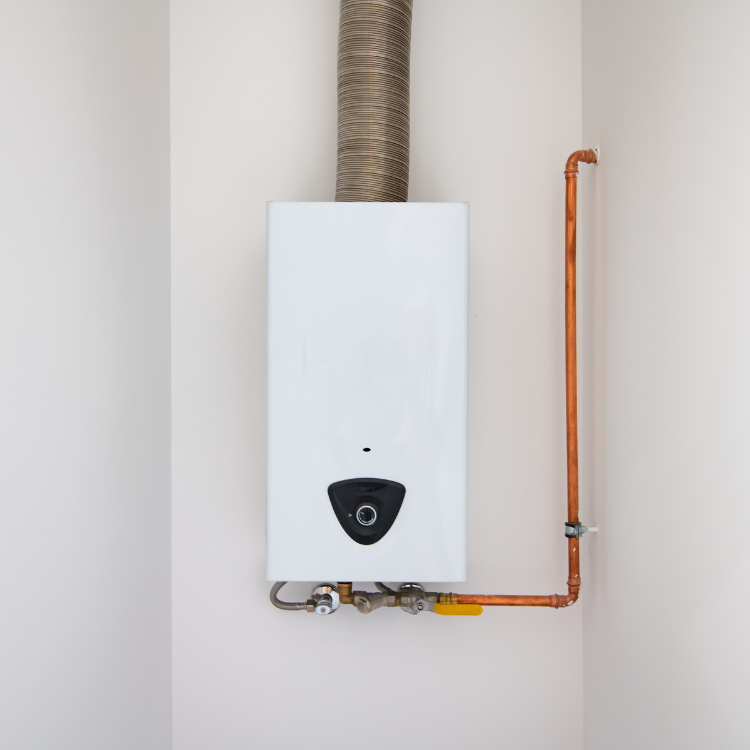
Smart drain planning also interacts with other systems. For example, if you’re upgrading to a Tankless Water Heater, your hot water delivery, venting, and drainage around condensate lines all need to be factored in. The same goes for water quality upgrades like Water Filter & Softener systems that may impact scaling and buildup in your drains over time.
Prevention and Maintenance: Keeping Drains Clear and Odor-Free
Once your drains are working properly, the goal is to keep them that way. In Keller’s mix of older buildings and fast-growing new developments, a proactive approach often costs less than a single major emergency.
Practical steps for ongoing health
- Scheduled cleaning and inspection
- Annual or semi-annual Hydro Jetting for kitchens and high-use lines
- Periodic camera inspections for older or previously repaired mains
- Staff and tenant education
- Clear signage about what not to flush or pour down drains
- Basic training for on-site staff on early-warning signs
- Fixture and vent maintenance
- Regular Fixture Repair & Installation checks for leaks and slow drains
- Ensuring floor drains stay wet to maintain odor-blocking traps
A Keller daycare center struggled with recurring restroom clogs. After an emergency Emergency Drain Repair call, they implemented a simple maintenance program: quarterly snaking of key lines, staff training, and child-friendly signage. Backups dropped dramatically, and they haven’t had an after-hours plumbing emergency since.
“Most chronic drain issues are a mix of design, use, and neglect. You can’t change the past design, but you can absolutely control use and maintenance.” — All Source Plumbing Service Manager
Preventive work isn’t limited to drains. Comprehensive Water Heater Repair & Installation and Tankless Water Heater Maintenance help prevent sediment issues that can migrate into drain systems, especially in hard-water areas like Keller.
What This Means for Businesses in Keller, TX
For Keller business owners, property managers, and HOAs, drain health isn’t a “nice to have”—it’s a core part of keeping doors open and customers comfortable. A single backed-up restroom can shut down a restaurant on a Friday night. A sewer odor in a medical office can erode patient trust. A slab leak under a retail space can turn into a foundation claim if ignored.
The local environment adds pressure. Our clay soils expand and contract with moisture, stressing under-slab lines. Older neighborhoods may still rely on aging cast iron or clay that’s reaching the end of its service life. Rapid development means more demand on shared municipal systems, making proper on-property maintenance even more critical.
For Keller-area properties, a smart approach to drains usually includes:
- Baseline diagnostics for any recurring issue
- A clear plan for high-risk lines (old, under-slab, or heavily used)
- Thoughtful upgrades during remodels or change-of-use projects
- A simple, realistic maintenance schedule tailored to your building
Because All Source Plumbing works across Keller and surrounding communities every day, the team sees patterns—like which areas tend to develop slab issues first, or which types of businesses most often need Sewer Drain Repair. That local experience helps you prioritize what truly matters for your property instead of guessing.
Frequently Asked Questions
Q: How do I know if a drain problem is just a clog or a sign of something more serious?
A: Pay attention to patterns. A single slow sink that clears and stays clear may just be a minor clog. But if multiple fixtures back up at once, or the same line needs Clogged Drain Repair repeatedly, that points to a deeper issue like a damaged main, root intrusion, or under-slab problem. Persistent sewer odors, gurgling sounds, or backups that worsen after heavy rain are also red flags. In Keller’s slab-on-grade buildings, these symptoms often justify professional camera inspection or Professional Leak Detection to rule out structural failures before they escalate.
Q: When is trenchless sewer or drain replacement a good option for my property?
A: Trenchless methods work best when the existing pipe path is acceptable (proper slope and routing) but the interior of the pipe is damaged, corroded, or leaking. If your building has relatively straight runs and no severe collapses, Sewer Drain Repair using trenchless technology can often be done with minimal surface disruption. It’s particularly attractive for Keller properties where digging would impact parking lots, landscaping, or finished interiors. A camera inspection and line locating are essential first steps to confirm whether your system is a candidate.
Q: How urgent is it to address sewer odors if we’re not seeing active backups yet?
A: Odors are your early warning system. A faint smell might come from a dry floor drain or a simple vent issue, but persistent or widespread odors can indicate under-slab leaks, venting failures, or partial blockages. In Keller’s climate, those issues can worsen quickly as soil shifts and moisture levels change. Besides being unpleasant for customers and staff, sewer gas can be a health concern. It’s wise to schedule Leak Location Service or vent diagnostics sooner rather than later so you can correct the cause before it turns into a backup or structural problem.
Q: What does slab leak detection and repair typically involve for a Keller business?
A: For commercial or multi-tenant spaces, Slab Leak Detection usually starts with pressure testing and electronic listening to determine if there’s a leak under the concrete. Once confirmed, technicians use specialized equipment to pinpoint the leak’s location as closely as possible. Repair options include opening a small section of slab to fix the line, rerouting that section overhead or through walls, or, in some cases, replacing longer sections of pipe. Because Keller’s soil can shift, accurate Foundation Leak Detection helps limit how much concrete you need to remove and how much downtime your business faces.
Q: How often should a restaurant or commercial kitchen in Keller schedule drain maintenance?
A: Heavy-use kitchens are high risk for grease, food debris, and soap buildup. Many Keller restaurants benefit from quarterly or semi-annual Hydro Jet Drain Cleaning of main kitchen lines, plus regular checks of grease traps and floor drains. If you’ve had a major backup in the past, starting with more frequent service and then adjusting based on findings is smart. Combined with staff training on what not to pour down drains, a maintenance plan can drastically reduce emergency calls and help avoid costly after-hours Emergency Drain Repair.
Q: Will upgrading to a tankless water heater affect my drains or plumbing system?
A: It can, in positive ways—if it’s done correctly. A professionally designed Tankless Water Heater Installation can improve hot water delivery and reduce the risk of tank failures that flood mechanical rooms and connected drains. However, tankless units may require different venting and condensate drainage, which must be tied into your existing system properly. In Keller’s hard water environment, pairing tankless units with appropriate Water Filter & Softener solutions also helps limit scale buildup that can affect both heaters and drain lines over time.
Q: What should I do during a drain emergency outside of normal business hours?
A: First, protect people and property: restrict access to affected areas, shut off water to specific fixtures if possible, and avoid using any drains that are backing up. Then call a provider offering 24/7 Emergency Leak Detection Service and drain repair. For Keller businesses, quick response is crucial to avoid health code issues, property damage, and downtime. Share as much detail as you can—when the issue started, which fixtures are affected, any previous history—so the technician arrives prepared with the right equipment for diagnostics and immediate mitigation.
Ready to Get Started?
Drain problems rarely get better on their own. Slow drains turn into full backups, faint odors become constant complaints, and small under-slab leaks can undermine concrete and flooring before you see a single crack. In a competitive market like Keller, an out-of-service restroom or flooded lobby can cost you customers, reviews, and revenue in a matter of hours.
Addressing issues now means you control the timing and scope of work instead of reacting to an emergency at the worst possible moment. Whether you need targeted Drain Repair, comprehensive Main Drain Line Repair, or smart planning for a new New Drain Installation, All Source Plumbing can help you choose the right solution for your building and budget.
Start with a diagnostic visit or maintenance consultation. From there, you’ll get clear options, honest timelines, and a plan that fits your operation—whether you manage a single storefront or multiple properties across Keller and the surrounding area.
About All Source Plumbing
All Source Plumbing is a locally focused plumbing contractor serving Keller, TX and nearby communities with full-service solutions for residential and commercial properties. From Water, Sewer & Gas Diagnostics and Residential Leak Detection to Sewer Repairs, Water Heater Service, and Piping & Repiping, the team brings years of hands-on experience with North Texas soils, building styles, and codes. Businesses and homeowners trust All Source for straightforward communication, code-compliant work, and solutions designed to last.