
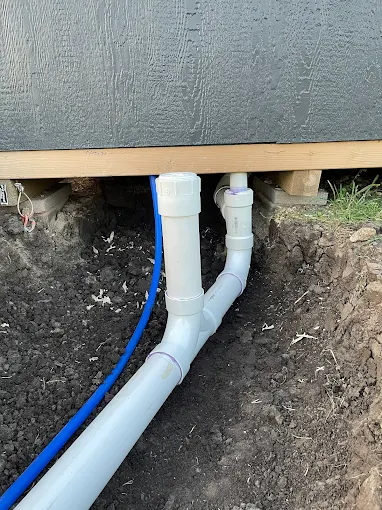
Drain Repair & Installation After Kitchen Sink Backups
If your kitchen sink is filling up, backing up, or draining slowly, the cause is often more than a simple clog. This guide helps you understand what typically leads to kitchen sink backups, what to check first, and when it’s time to call for professional drain repair and drain line replacement in Fort Worth, TX.
One night, you run the garbage disposal or rinse a pan in your kitchen sink, and instead of draining normally, the water rises. Then you hear gurgling, the drain smells stronger, and everything seems to back up faster the longer you wait.
In Fort Worth, TX, this kind of kitchen sink backup can show up in older homes with aging drain lines, and it can also happen after tree roots or shifting pipes cause a partial blockage. The tricky part is that “clogged” can mean several different problems, including buildup, a damaged drain pipe, or drainage issues further down the line.
This guide walks you through the most common causes behind kitchen sink backups, what you can safely check at home, and how professionals approach drain repair, sewer drain repair, and drain cleaning services to get things working again.
Quick Answer
If your kitchen sink backs up, start by stopping use of the sink, checking for obvious blockages near the drain (like food debris in the strainer), and observing whether the problem affects only one fixture or multiple drains. If water rises, drains repeatedly slow down, or you notice recurring backups, the blockage is often deeper in the drain line. In that case, professional drain cleaning services, diagnostic inspection, and possibly drain pipe repair or drain line replacement may be needed. A good next step is to schedule service with All Source Plumbing for a focused assessment of the drain system.
What to Check First
Before you start troubleshooting, protect your home from making the backup worse. Kitchen sink backups can push waste farther into the plumbing system, especially if you keep running water.
Professional observation: If the sink backs up after you run the disposal or after normal dishwashing, the issue is frequently downstream of the sink trap. That means a “small” clog at the drain opening may not be the full story.
1) Confirm where the backup happens
- Only the kitchen sink: Often points to a kitchen-specific blockage, damaged section of the kitchen drain pipe, or buildup.
- Multiple fixtures gurgle or back up: More consistent with a main drain line problem or sewer drain repair need.
- Toilet also affected: Treat as a serious blockage and stop using drains until inspected.
2) Look for obvious debris at the sink
- Remove and clean the strainer.
- Check the disposal splash guard and visible areas for food buildup.
- Avoid “chemical fixes” if the backup is already active, since the goal is to remove the blockage safely and identify the cause.
3) Notice patterns that help diagnosis
- Does it happen after greasy meals or heavy dishwashing?
- Is it worse at certain times of day?
- Has your home had recent changes, like a remodel or new appliance installation?
Main Things Customers Should Understand
Kitchen sink backups are usually caused by one (or a combination) of these issues. Understanding the difference helps you choose the right repair path instead of repeating the same short-term fix.
Clogged drain buildup
Grease, soap residue, food particles, and other debris can build up over time, narrowing the pipe and trapping more material. This is a common reason for drain cleaning services to be needed more than once.
Damaged drain pipe
Cracks, misaligned sections, and worn joints can catch debris and create recurring backups. When the pipe is damaged, cleaning alone may not solve the problem long-term.
Downstream or main-line issues
If multiple drains are affected, the problem may be farther down the line. That can lead to sewer drain repair needs or drain line replacement depending on what’s found.
Typical repair and installation options
When All Source Plumbing evaluates a kitchen sink backup, the goal is to restore proper flow and reduce repeat clogs by addressing the root cause. Depending on the findings, solutions may include drain pipe repair, drain line replacement, or targeted drain cleaning to clear the pathway.
Practical recommendation: If the backup keeps returning, ask the technician to explain what caused the blockage and whether the issue is limited to the kitchen drain or affects the main line. That distinction often determines whether you need drain repair, sewer drain repair, or more extensive drain installation.
Related plumbing services that sometimes connect to backups
Some homeowners also need help elsewhere in the plumbing system when they notice recurring problems. If you’re also dealing with slow drains from other fixtures or suspect hidden leaks, these services can be helpful:
- Drain cleaning services for clearing buildup and restoring flow.
- Sewer repairs when the issue extends beyond the kitchen drain.
- Hydro jet drain cleaning for thorough cleaning when buildup is more stubborn.
- General plumbing repairs if the backup is tied to a fixture or connection.
Why this matters in Fort Worth, TX
In Fort Worth, TX, kitchens often sit in homes with older drainage layouts, and drain lines can be affected by years of use, settling, and shifting. When a kitchen sink starts backing up, it’s not just inconvenient. It can also interfere with day-to-day routines like washing dishes, running the disposal, and keeping the sink usable.
Another local factor is that repeated backups can lead to the same materials sticking again and again. Grease and organic debris tend to accumulate where the pipe is already narrowed or slightly damaged. That’s why homeowners often notice a pattern: the sink clears for a short time, then the backup returns. Addressing the underlying cause is what prevents the cycle.
Drain repair vs. drain line replacement: a decision table
| Situation you notice | What it often points to | Common next step |
|---|---|---|
| Backups happen after heavy grease and food prep | Buildup and restricted flow | Drain cleaning services and targeted clearing |
| Backups recur even after cleaning | Damaged or compromised pipe section | Drain pipe repair evaluation |
| More than one drain gurgles or backs up | Downstream or main-line blockage | Sewer drain repair assessment and possible drain line replacement |
| Water doesn’t drain normally and drain smells persist | Ongoing obstruction or improper flow path | Inspection followed by the right repair or installation approach |
Need drain repair help for a kitchen sink backup?
If your kitchen sink is backing up in Fort Worth, TX, the fastest path is a focused diagnosis of the drain line and the blockage cause. All Source Plumbing can help you sort out whether you’re dealing with clogged drain buildup, drain pipe repair needs, or sewer drain repair and installation.
Contact All Source PlumbingCommon Mistakes to Avoid
When a kitchen sink backs up, it’s tempting to keep trying quick fixes. Unfortunately, a few common habits can make repairs harder and more expensive later.
Mistake 1: Keeping water running
Running water repeatedly while the sink is backing up can push waste deeper into the drain system. That can turn a manageable blockage into a bigger obstruction.
Mistake 2: Treating every backup like the same clog
A single clog at the trap is different from a restriction farther down. If the sink continues to backup, it’s a sign the root issue may be in the drain line, not just at the sink opening.
Mistake 3: Relying on harsh approaches without diagnosing
Instead of repeating the same approach after each short-lived improvement, focus on identifying what’s causing the recurring problem. Professional inspection helps connect the symptoms to the real cause.
Mistake 4: Ignoring other fixtures
If the bathroom sink or shower drains gurgle, or if the toilet drains slowly too, treat it as a system issue. That typically changes the repair plan toward sewer drain repair or drain line replacement, rather than only addressing the kitchen.
Customer Checklist
- Stop using the sink when the water rises or backs up.
- Check the strainer and visible debris before attempting anything else.
- Note whether other drains are affected (kitchen only vs. multiple fixtures).
- Pay attention to recurring patterns such as grease-heavy days or disposal use.
- Document what you observe (gurgling, smell, slow drain timing) to help diagnosis.
- Schedule professional assessment if backups return or if multiple fixtures are involved.
Representative scenario: Fort Worth kitchen backup that keeps coming back
In a Fort Worth, TX home, the kitchen sink started draining slowly and then began backing up after dishwashing. The homeowner cleared the strainer and tried basic troubleshooting, and the sink improved for a short time. A few days later, the same pattern returned, and the bathroom sink began to gurgle during kitchen use.
That symptom shift suggested the issue was no longer confined to the sink opening. A deeper blockage and possible drain line restriction were considered. The repair plan focused on clearing the drain pathway and evaluating the drain pipe condition to prevent repeat backups, with the goal of restoring reliable flow for everyday use.
Frequently Asked Questions
Why does my kitchen sink back up when I run the garbage disposal?
When the disposal is used, it can move food particles and grease farther down the drain line. If the pipe is already restricted or partially blocked, that added load can cause water to rise and back up. This is especially common when buildup accumulates over time in sections of the drain pipe. A professional drain cleaning approach can clear the restriction, and if the pipe is damaged or misaligned, drain pipe repair or drain installation may be needed to stop repeat backups.
How can I tell if it’s just a clog or a bigger drain-line problem?
Clogs are often limited to one fixture, while larger drain-line issues tend to affect multiple drains. If your kitchen sink backs up and you also notice gurgling from other fixtures, or the toilet drains poorly, the blockage may be farther downstream. Another clue is recurrence: if the sink clears briefly and then backs up again, the root cause is frequently deeper than the sink trap. A focused assessment helps determine whether drain cleaning is enough or whether sewer drain repair or drain line replacement is the better long-term fix.
What’s the difference between drain repair and drain line replacement?
Drain repair typically addresses a specific issue, such as a damaged section or connection that’s affecting flow. Drain line replacement is considered when the drain pathway needs to be rebuilt to restore reliable function. The right choice depends on what’s found during inspection, including whether the pipe is restricted, cracked, or otherwise compromised. If backups are recurring, it’s often a sign the drain line condition is part of the problem, not just a temporary clog.
Can hydro jet drain cleaning help with kitchen sink backups?
Hydro jet drain cleaning is often used to clear stubborn buildup along the drain pathway. If the backup is caused by grease, soap residue, and other material that has accumulated over time, a more thorough cleaning method can help restore flow. That said, if the drain pipe is damaged or the issue is structural, cleaning alone may not prevent recurring backups. That’s why a diagnostic approach matters before deciding on the best repair or installation plan.
When should I stop trying to fix the backup myself?
If the sink continues to rise after you stop using it, if other fixtures gurgle, or if the backup returns repeatedly, it’s time to call for professional help. Continuing to run water can push waste deeper, and repeating short-term fixes can delay the real solution. A local drain specialist can assess the drain line and determine whether you need drain repair, sewer drain repair, or drain installation to fully resolve the problem.
Get your kitchen drain working right again
If you’re dealing with a kitchen sink backup in Fort Worth, TX, All Source Plumbing can help you pinpoint the cause and choose the right drain repair or drain line installation approach. The earlier you address recurring backups, the better your chances of preventing additional blockages and restoring daily usability.
(682) 760-4912