
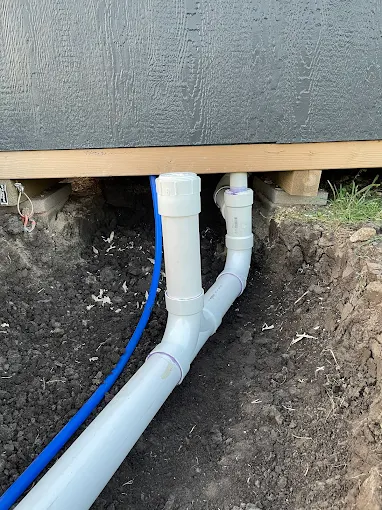
Across the United States, water leaks hidden beneath concrete slabs are responsible for millions of dollars in property damage every year, and many homeowners don’t realize there’s a problem until they see cracks in their foundation or receive a shocking water bill. In a city like Keller, TX, where many homes are built on slab foundations and soil conditions can shift with our hot, dry summers and sudden storms, slab leaks are not a rare event—they’re a real, everyday risk. Yet most people don’t know what a slab leak is, where it comes from, or how professionals actually track one down without tearing a home apart.
Slab leak location is both a science and an art. It involves understanding how water lines are routed under a foundation, how sound travels through concrete, how different materials respond to pressure, and how to interpret subtle clues around the home. When All Source Plumbing is called out to a Keller home for a suspected slab leak, the job is rarely as simple as looking for a puddle. Instead, it’s a careful, methodical process of eliminating possibilities, using specialized tools, and minimizing damage while pinpointing the exact source of the leak. Knowing how this process works can help homeowners make better decisions, respond faster, and avoid unnecessary repairs.
This guide walks through what slab leaks are, why they happen, how they’re found, and what you can expect when a professional team like All Source Plumbing performs slab leak location in your Keller, TX home. Even if you never touch a tool yourself, understanding the basics will make it easier to spot warning signs early and to have an informed conversation with your plumber when it matters most.
Understanding Slab Leaks
A slab leak is a water leak that occurs in the plumbing lines located beneath or within a home’s concrete foundation. In most homes in Keller, TX, water supply lines (carrying pressurized water) or, less commonly, drain lines run under the slab. When one of these lines develops a crack, pinhole, or joint failure, water begins to escape into the surrounding soil and concrete. Because the leak is hidden under the foundation, it often goes unnoticed at first, quietly washing away soil, raising moisture levels, and potentially compromising the structural integrity of the slab.
There are several common causes of slab leaks. Over time, copper or other metal pipes can corrode, especially in areas where water chemistry or soil conditions are hard on plumbing materials. Soil movement is another major factor in North Texas: expansive clay soils can swell when wet and shrink when dry, putting stress on buried pipes and joints. Poor installation practices, such as sharp bends, inadequate support, or contact with rough concrete edges, can slowly wear away pipe walls. Even water pressure that’s consistently too high can accelerate wear and tear, making an eventual leak more likely.
What makes slab leaks particularly dangerous is the combination of hidden damage and delayed detection. The water doesn’t just disappear; it migrates. It can soften the soil beneath the slab, leading to uneven settling, or wick upward through the concrete, causing flooring damage, mold, and musty odors. By the time obvious symptoms appear, the leak may have been active for weeks or months. That’s why effective slab leak location—finding the precise leak point as early as possible—is such a critical service for Keller homeowners.
Early Warning Signs At Home
Before any high-tech equipment comes out of the truck, slab leak location often starts with good old-fashioned observation. Homeowners in Keller can catch many issues early simply by paying attention to subtle changes around the house. One of the first signs is often an unexplained increase in your water bill. If your usage habits haven’t changed, but your bill jumps significantly and stays high, that constant flow of water has to be going somewhere, and a slab leak is a prime suspect when nothing is visibly dripping.
Another common indicator is the sound of running water when all fixtures are off. Stand in a quiet room, turn off the TV and appliances, and listen near the floor or walls. If you hear a faint hissing or rushing sound, it may be water escaping under the slab. Some homeowners also notice that their water meter continues to spin even when every faucet, shower, and appliance is turned off inside the home. That continuous movement suggests a hidden leak in the pressurized supply system.
Temperature and moisture clues can also point toward a slab leak. A warm spot on a tile floor, especially in an area where no heating ducts run, can indicate a leak in a hot water line beneath the slab. Damp or darkened areas of flooring, buckling wood, or loose tiles may show that moisture is wicking up from below. In more advanced cases, you might see cracks forming in walls or ceilings, doors that suddenly stick, or gaps around windows as the foundation shifts. When All Source Plumbing is called to a Keller property, these preliminary signs guide the initial assessment and help narrow down where to focus more precise testing.
Professional Diagnostic Process
Once a slab leak is suspected, the goal shifts from “Is there a leak?” to “Exactly where is it?” Professional slab leak location is designed to answer this question as accurately as possible while minimizing disruption. When All Source Plumbing arrives at a Keller home, the process typically begins with a thorough walkthrough and a series of basic tests. The plumber will verify meter readings, shutoff valves, and fixture conditions to confirm that the leak is indeed in the under-slab system and not in an accessible wall or fixture.
Pressure testing is often the next step. The plumber may isolate different sections of the plumbing system—such as hot and cold supply lines—by closing valves and attaching gauges. By pressurizing one segment at a time and watching how quickly the pressure drops, they can determine which line contains the leak. For example, if the hot water side cannot hold pressure but the cold side does, attention turns to the hot water lines under the slab. This methodical isolation reduces guesswork and helps avoid unnecessary cutting or demolition.
In some cases, dye tests or tracer methods are used to identify leaks in drain lines or specific branches of the system. For drain-related slab leaks, non-staining dyes can be introduced into specific fixtures and then tracked to see where they emerge or infiltrate. Smoke testing may be used in certain situations to reveal hidden breaks or improper connections. The key is to narrow the search area as much as possible before moving on to more invasive steps, which protects your Keller home from unnecessary damage and shortens repair time.
Advanced Leak Detection Technology
Once the suspect area has been narrowed down, advanced tools come into play to locate the exact leak point under the slab. One of the most important technologies is electronic listening equipment. These sensitive devices amplify the sound of water escaping from a pressurized pipe. A skilled technician will move the listening device across the floor, driveway, or yard, comparing noise intensity at different points. The loudest, most distinct sound often marks the closest surface point to the leak. This process requires both high-quality equipment and experience, as background noises and building materials can interfere with readings.
Thermal imaging cameras are another powerful tool. When a hot water line is leaking under a slab, the escaping hot water warms the surrounding concrete and soil in a distinctive pattern. A thermal camera can “see” these temperature differences, displaying them as color variations on a screen. Even when the floor surface feels normal to the touch, the camera may reveal a warm plume spreading out from the leak. In Keller homes with tile or engineered flooring, this method can quickly highlight suspect zones without lifting a single board or tile.
In some situations, plumbers use line tracing equipment and electronic locators to map out exactly where pipes run under the slab. By attaching a transmitter to a pipe or cable and scanning from above, they can trace the path of the line and identify the most logical access point for repair. Combined with acoustic and thermal data, this mapping helps All Source Plumbing determine whether it’s better to open the slab in a specific room, reroute a line through the attic or walls, or perform a repair from the outside. The overall goal is precise slab leak location that leads to the least disruptive and most durable repair option.
Minimizing Damage During Location
Homeowners are often understandably nervous that slab leak location will mean jackhammers in the living room and dust everywhere. Modern techniques, however, are designed to minimize damage as much as possible. By relying on advanced diagnostics first, plumbers can usually limit any concrete removal to a small, targeted area. Instead of randomly breaking sections of slab in search of a damp spot, they approach the job with a clear map and well-defined target, which reduces both labor and restoration costs.
In Keller, where many homes have finished flooring such as hardwood, tile, or luxury vinyl over the slab, protecting interior finishes is a major concern. Professional teams like All Source Plumbing use protective coverings, dust control measures, and careful cutting techniques to confine disruption. In many cases, they can remove a limited portion of flooring, cut a neat access opening in the slab, repair the pipe, and then leave the area ready for flooring replacement with minimal visual impact. Communication with the homeowner about which areas will be affected and what to expect is a key part of this process.
Sometimes, the best way to minimize damage is to avoid breaking the slab at all. Depending on the age of the home, the extent of the leak, and the condition of the existing plumbing, rerouting the affected line through walls or attic spaces may be recommended. In this approach, the leaking under-slab pipe is abandoned, and a new line is installed in a more accessible location. While this can involve some wall openings and drywall repair, it often results in a more reliable long-term solution and eliminates the risk of future leaks in the same under-slab section.
Why Local Expertise Matters
Slab leak location is not a one-size-fits-all process. The techniques and decisions that make sense in Keller, TX may differ from those in other regions because of local building practices, soil conditions, and water quality. Many homes in Keller are built on expansive clay soils that move with changes in moisture, and much of the housing stock was built within similar time frames using similar plumbing materials. All Source Plumbing’s experience with these specific local factors allows them to anticipate common problem areas and interpret test results more accurately.
Local knowledge also matters when it comes to understanding how water lines were routed in different neighborhoods or construction eras. For example, certain subdivisions may have been built with hot water lines running in predictable patterns from the water heater, while others may have more complex branching layouts. A plumber who has worked extensively in Keller will quickly recognize these patterns, which speeds up location and reduces the need for exploratory demolition.
Finally, local expertise ensures that any slab leak location and subsequent repair complies with Keller and Tarrant County codes and best practices. From proper pipe materials and insulation to approved methods of penetrating or patching slabs, code-compliant work protects both safety and resale value. When you call a local specialist such as All Source Plumbing, you’re not just getting access to advanced equipment; you’re also benefiting from years of hands-on experience with the exact conditions that affect your home’s foundation and plumbing system.
Frequently Asked Questions
How can I confirm that I really have a slab leak? A good first step is to perform a simple meter test. Turn off all water-using fixtures and appliances in your home, including irrigation if possible. Then, check your water meter and note the reading. Wait 20–30 minutes without using any water and check again. If the meter has moved, you likely have a hidden leak. If you hear running water, notice warm spots on floors, or see unexplained moisture, it’s time to call a professional for precise slab leak location.
Will locating a slab leak damage my floors or foundation? Modern slab leak location methods are designed to minimize damage. The diagnostic phase—pressure testing, acoustic listening, and thermal imaging—does not harm your home. If a leak is confirmed and must be accessed, a small section of flooring and concrete may need to be removed at the precise location of the leak. A qualified plumber will explain the plan in advance, protect surrounding areas, and keep the access opening as compact as possible. In some cases, rerouting lines can avoid opening the slab entirely.
How long does professional slab leak location usually take? The time required can vary depending on the complexity of your plumbing system and how obvious the leak signals are. In many Keller homes, a skilled team can locate the leak within a few hours, including initial testing and advanced diagnostics. More complex situations, such as multiple leaks or unusual piping layouts, may take longer. The priority is accuracy—taking the time to pinpoint the leak precisely often saves considerable time and expense during the repair phase.
Is it safe to delay slab leak detection if the symptoms are minor? Delaying slab leak location is risky, even if the symptoms seem small. Water leaking under your slab can steadily erode soil, increase humidity, encourage mold growth, and contribute to foundation movement. What starts as a minor warm spot or slightly higher water bill can evolve into cracked floors, damaged walls, or significant structural repairs. Addressing the issue promptly with professional Leak detection from a local company like All Source Plumbing helps prevent these escalating problems.
Can homeowners locate slab leaks on their own without professional tools? Homeowners can certainly identify warning signs and narrow down the suspicion of a slab leak using meter tests, careful listening, and observation. However, accurately pinpointing the exact leak location under a slab typically requires specialized equipment and experience. Without these tools, any attempt to open the slab becomes guesswork, which can lead to unnecessary damage and incomplete repairs. Partnering with a professional service in Keller, TX ensures that slab leak location is efficient, accurate, and as non-invasive as possible.