


Plumbing services in Keller, TX

Effective Drain Repair Installation Tips and Tricks

Slow drains, gurgling pipes, and that faint sewer smell creeping into a room usually do not appear out of nowhere. They are almost always the result of small issues that were ignored, or repairs that were done in a hurry without proper installation techniques. Effective drain repair and installation is not just about clearing a clog or swapping a pipe; it is about understanding how water moves through your plumbing system, how materials behave over time, and how a few careful steps today can prevent expensive disasters tomorrow.

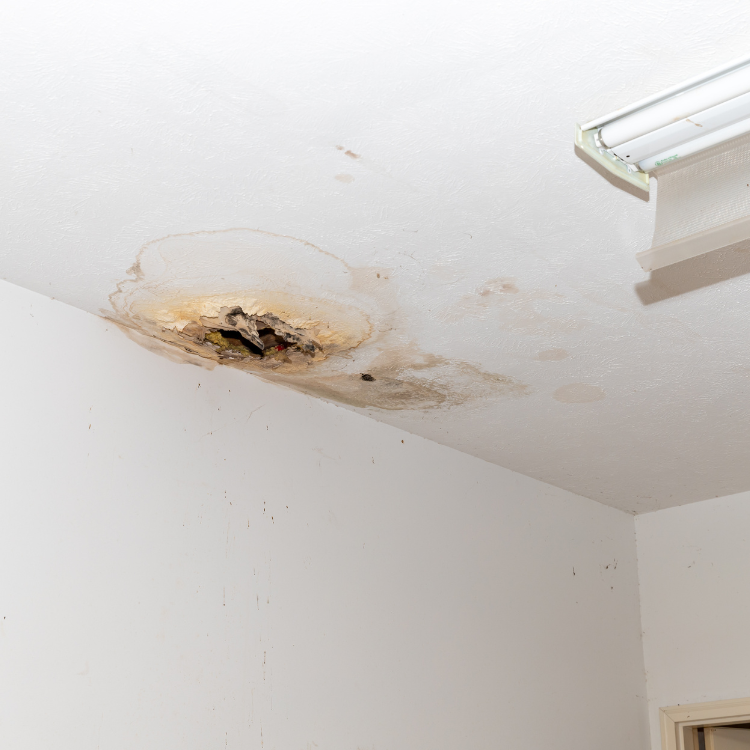
When a drain line fails, homeowners and property managers often rush to fix the immediate symptom: the backup, the leak, or the standing water. But without a strategic approach, the same problem often returns, sometimes worse than before. Proper drain repair and installation tips and tricks are your best defense against recurring blockages, hidden leaks inside walls or under slabs, and structural damage from unnoticed moisture. By learning how to diagnose the real cause, choose the right materials, and install components correctly, you turn a one-time fix into a long-term solution.

Whether you are a confident DIYer or someone who simply wants to understand what a professional plumber is doing in your home, getting familiar with effective drain repair strategies will save you money, time, and stress. From planning the layout and slope of new drains, to sealing connections, to testing every section before you close up a wall or backfill a trench, each small decision adds up. The goal is not only to repair a drain that is failing today, but to install it in a way that keeps water flowing smoothly for years.

Understand The Root Cause

Effective drain repair always starts with a clear diagnosis. Many people assume that a slow drain automatically means a simple clog of hair, grease, or soap scum, but the issue could be much deeper in the system. Tree roots, collapsed pipes, mineral buildup, and poor initial installation can all mimic the same symptoms. Before you cut into a wall or dig up a yard, it is essential to identify where the problem begins and how extensive it is.

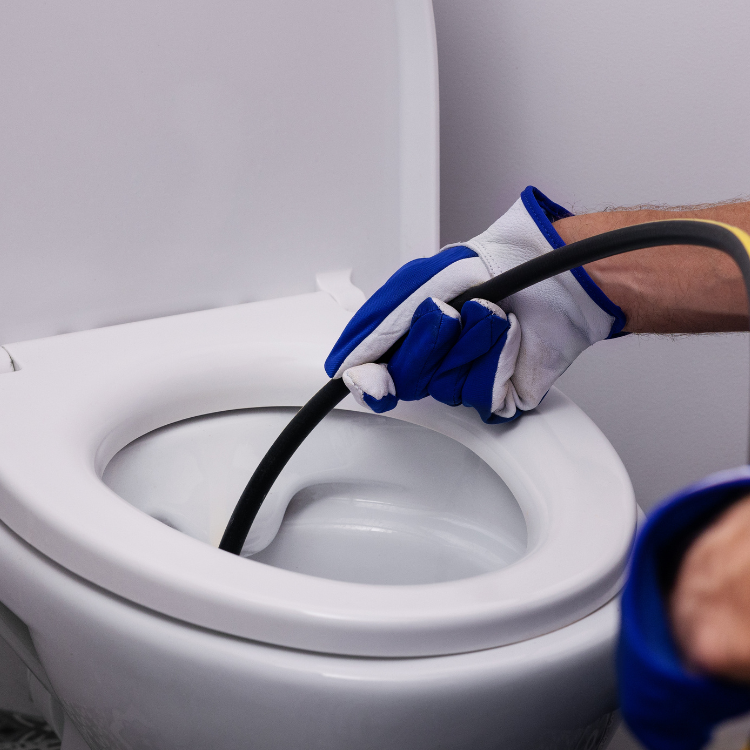
One of the most powerful tools for diagnosis is a drain camera inspection. A small waterproof camera is fed into the line, giving a clear view of blockages, cracks, sags, or intruding roots. This approach prevents guesswork and helps you decide whether you can get by with a localized repair or if an entire section of drain needs replacement. If you are hiring a professional, asking whether they use camera inspections is a smart way to gauge how thorough their approach will be.

Listening to your plumbing can also reveal clues. Gurgling sounds in one fixture when another drains may indicate venting issues or partial blockages further down the line. Frequent clogs at the same location suggest a chronic design or installation flaw, such as an improper slope or an awkward bend. By taking the time to observe patterns and use diagnostic tools, you avoid the trap of repeatedly snaking a line that actually needs to be reconfigured or replaced.

Another important aspect of understanding the root cause is reviewing the history of the property. If your home has older galvanized steel or cast iron pipes, corrosion and scaling are likely culprits. In newer homes, improper installation, such as using the wrong fittings or failing to secure pipes, may be your main problem. Gathering this contextual information allows you to tailor your repair plan instead of applying generic fixes.

Choose The Right Materials

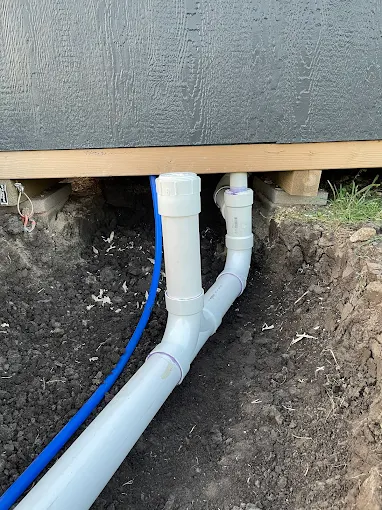
Once you know what is wrong, the next step in effective drain repair installation is choosing the correct materials. Not all pipes and fittings are created equal, and the ideal material depends on the location, local building codes, and the type of waste the drain will carry. For many residential applications, PVC and ABS are common choices due to their durability, corrosion resistance, and ease of installation. Each has specific solvent cements and primers that must be used correctly to ensure a permanent, leak-free bond.

For underground drains or main sewer lines, you may encounter materials such as PVC SDR-35, cast iron, or even older clay tile. When replacing sections, it is critical to use compatible transition couplings designed for the specific materials you are joining. Flexible rubber couplings with stainless steel bands can connect different pipe types, but they must be sized correctly and tightened to manufacturer specifications. Using makeshift adapters or undersized couplings is a recipe for leaks and infiltration of soil or roots.

Traps, cleanouts, and vents are just as important as the pipes themselves. Installing a proper P-trap under sinks, showers, and tubs prevents sewer gases from entering the building, while cleanouts placed strategically along the line make future maintenance much easier. Choosing quality fittings, rather than the cheapest option on the shelf, often pays off over time. Thicker-walled pipes, reinforced couplings, and corrosion-resistant fasteners add resilience to your drain system.

Do not overlook the importance of compatible sealants and support hardware. Using the correct primer and cement for PVC, or the right gaskets for no-hub cast iron, ensures that joints remain tight under pressure and temperature changes. Hangers and brackets should be rated for plumbing use and spaced appropriately to prevent sagging. These small details in material selection and support are what separate a temporary fix from a professional-grade installation.

Plan Slope, Layout, And Access

Drain lines rely on gravity, so slope and layout are fundamental. An effective drain repair installation must restore or create the correct pitch so wastewater flows smoothly without pooling or moving too quickly. As a general guideline, many building codes recommend a slope of about 1/4 inch per foot for smaller diameter horizontal drains. Too little slope leads to standing water and frequent clogs, while too much slope can cause liquids to outrun solids, leaving debris behind.

When repairing or replacing sections of a drain, take time to map out the entire run from fixture to main stack or sewer connection. Avoid unnecessary bends and sharp turns. Each elbow or fitting slows flow and becomes a potential snag point for debris. Where changes in direction are unavoidable, use long-sweep fittings instead of tight 90-degree elbows whenever possible. This smoother path reduces turbulence and the chance of recurring blockages.

Access is another crucial design consideration. It is tempting to bury or conceal every part of a drain for aesthetics, but strategically placed cleanouts will save you from costly demolition later. Install accessible cleanouts at key points: near the base of main stacks, at transitions from horizontal to vertical runs, and before the line exits the building. These access points make it far easier to clear future clogs with a snake or hydro-jetting equipment without tearing out walls or floors.

Finally, consider how the drain system interacts with vents and other fixtures. Proper venting prevents negative pressure that can siphon water out of traps, leading to odors and gurgling. When altering or extending drains, ensure that vent lines remain effective and code-compliant. A carefully planned layout that respects slope, minimizes sharp turns, and includes strategic access points will dramatically improve the performance and longevity of your drain system.

Master Proper Installation Techniques

Even the best materials and layouts can fail if installation techniques are sloppy. One of the most critical skills in drain repair and installation is cutting and fitting pipes accurately. Cuts should be square and clean, with burrs removed using a deburring tool or utility knife. Rough or angled cuts can prevent fittings from seating properly, leading to weak joints and potential leaks. Taking a few extra minutes to prepare each pipe end correctly pays dividends in reliability.

For plastic pipes like PVC or ABS, proper solvent welding is essential. This typically involves cleaning the surfaces, applying primer (for PVC) to soften the plastic, then applying the appropriate cement before quickly assembling the joint. The pieces must be pushed fully together and held for several seconds to prevent pushback. Rotating slightly as you join the parts can help distribute the cement evenly. Rushing this process or using too little cement often results in joints that look fine initially but fail under pressure or temperature changes.

When working with metal pipes, such as cast iron or copper, different techniques come into play. Cast iron often uses no-hub couplings that must be tightened to a specific torque using a torque wrench. Over-tightening can deform the coupling, while under-tightening can allow leaks. Copper drains may require soldering, which demands clean surfaces, proper flux, and controlled heat to create strong, leak-free joints. Each material has its own installation rules, and following manufacturer instructions is non-negotiable.

Support and alignment are also critical. Horizontal drains should be supported at regular intervals according to code and manufacturer recommendations, preventing sagging that can create low spots where water and debris collect. Pipes should be aligned carefully before gluing or tightening couplings to avoid stress on joints. Using a level to confirm slope and alignment as you work prevents subtle mistakes that might only become obvious once the system is in use.

Test Thoroughly Before Closing Up

One of the most common and costly mistakes in drain repair installation is failing to test the system thoroughly before closing walls, pouring concrete, or backfilling trenches. Once everything is sealed up, even a minor leak can cause significant damage over time, and accessing the problem again becomes far more difficult. A disciplined testing process should be built into every repair or installation project, no matter how small.

For many drain systems, a simple but effective test involves plugging the end of the line and filling the pipes with water to a specified height, then monitoring for any drop in level. This static pressure test can reveal even tiny leaks at joints or fittings. In multi-story buildings, testing each floor or section separately helps isolate problems and ensures that every component is sound. Where water testing is not practical, air testing with specialized gauges may be used, following local code requirements.

In addition to pressure tests, functional flow tests are invaluable. Running water from each connected fixture at the same time can show how the system handles real-world use. Watch for slow drainage, backup at low fixtures, or gurgling noises that might indicate vent problems. Check all accessible joints and connections while the water is flowing, looking for any beads of moisture or drips that signal a weak spot.

Do not rush through this stage, even if the repair seems minor. A joint that holds for a few minutes may still fail after repeated thermal expansion or vibration. Giving the system time under load and rechecking critical points can catch issues before they turn into hidden leaks. Only once you are confident that everything is performing correctly should you proceed with closing up walls, ceilings, or trenches.

Maintain And Prevent Future Issues

Effective drain repair installation is not only about fixing what is broken today; it is also about preventing tomorrow’s problems. After a successful repair or replacement, adopting good maintenance habits will extend the life of your drain system. Simple practices like using drain strainers in sinks and showers, avoiding pouring grease down kitchen drains, and keeping wipes and hygiene products out of toilets can dramatically reduce the frequency of clogs.

Scheduling periodic inspections, especially for older homes or properties with large trees nearby, is another smart strategy. A professional can perform camera inspections or cleaning with specialized equipment to catch early signs of root intrusion, scaling, or partial blockages. Addressing these issues proactively is far less expensive and disruptive than dealing with an emergency backup or a collapsed line.

If you have had recurring drain problems, consider whether any upstream issues need attention. For example, poor grading around the foundation, damaged gutter downspouts, or sump pump discharge lines that empty too close to the building can contribute to excess moisture and soil movement around underground drains. Correcting these related issues helps protect your newly repaired or installed drain lines from external stress.

Finally, keep records of any drain work performed, including diagrams, photos, and materials used. This information is invaluable for future repairs, renovations, or inspections. When you or a professional returns to the property years later, knowing exactly where lines run, what materials are present, and how they were installed will make any additional work faster, more accurate, and less invasive. For more detailed guidance or to consult with specialists, you can explore resources such as null.

Frequently Asked Questions

How do I know if my drain needs repair or full replacement? The decision between repair and replacement depends on the condition and age of the pipes, as well as the severity and frequency of problems. If you experience occasional clogs that are easily cleared and camera inspections show mostly intact pipes, targeted repairs may be sufficient. However, if the line shows extensive cracking, corrosion, root intrusion, or repeated collapses, replacement is usually more cost-effective long term. A professional inspection with video imaging is the most reliable way to assess this and avoid guessing based solely on surface symptoms.

What slope should I use for a new drain line? For most residential horizontal drain lines up to 3 inches in diameter, a common guideline is a slope of 1/4 inch per foot. Larger diameter lines may function properly with 1/8 inch per foot, but you should always verify local building codes. Maintaining consistent slope is crucial; low spots where the pipe sags will collect water and debris, leading to clogs. Use a level or laser level while installing and secure the pipe with appropriate hangers or bedding material to keep the slope stable over time.

Can I mix different types of pipe materials in one drain system? Yes, you can mix materials such as PVC, cast iron, and clay, but you must use the correct transition fittings designed for those specific materials. Flexible rubber couplings with stainless steel bands are commonly used to join different pipe types, but they must be properly sized and installed according to manufacturer instructions. Improvised connections, such as wrapping tape or using unapproved adapters, can leak, shift, or fail under pressure. Always check local codes, as some jurisdictions have specific rules about allowable materials and transitions.

Is it safe to handle drain repairs as a DIY project? Many minor drain repairs, such as replacing a P-trap under a sink or clearing a simple clog, are within reach of a careful DIYer. However, more complex tasks like replacing underground sewer lines, altering venting systems, or working near the building’s main stack can be risky and may require permits. Mistakes in slope, venting, or joint sealing can lead to serious issues, including structural damage, sewer gas leaks, and repeated backups. If you are unsure about the scope or code requirements, consulting a licensed plumber is the safest approach.

How often should I have my drains professionally inspected or cleaned? For most homes with modern plumbing and no history of chronic issues, a professional inspection every few years is usually sufficient. Properties with older pipes, large trees near sewer lines, or a history of backups may benefit from annual or biannual inspections and preventive cleaning. Regular maintenance, including camera inspections and hydro-jetting when needed, can identify small problems before they escalate. This proactive approach is especially important for rental properties and commercial buildings, where downtime and damage from drain failures can be particularly costly.

Leave a Comment

Your email address will not be published. Required fields are marked *

Call
Contact
Search Website
Contact
Call
Text
Email