


Most homeowners don’t misunderstand slab leaks because they lack intelligence; they misunderstand them because slab leaks are almost invisible until they’re expensive. Many people assume that if there’s a leak under the concrete foundation, they’ll see a clear puddle, hear rushing water, or notice some dramatic sign. In reality, slab leaks often whisper before they shout. They may show up as a slightly higher water bill, a faint warm spot on the floor, or a small crack you blame on “normal settling.” That quiet start is exactly why understanding slab leak location costs and solutions is so important: by the time the problem is obvious, the repair can be significantly more complex and costly.
Another common misconception is that locating a slab leak is just a matter of “finding the wet spot” and then breaking concrete until the pipe appears. Modern slab leak detection is far more precise, using specialized tools and techniques to pinpoint the problem with minimal disruption. Yet, because people don’t see what happens behind the scenes, they often underestimate the skill, time, and technology involved and are surprised when a plumber charges a dedicated fee just for leak location. Understanding what goes into that process, and what repair options you really have, helps you make smarter decisions, avoid unnecessary demolition, and control long-term costs instead of just reacting to the immediate crisis.
Finally, many property owners assume that there is only one way to fix a slab leak: break open the slab and repair the pipe at the exact spot of failure. In reality, you often have multiple solutions, each with its own price tag, level of disruption, and long-term implications. Sometimes the cheapest short-term fix becomes the most expensive long-term mistake. Knowing how slab leak location costs connect to the repair options, and when it makes sense to choose rerouting or repiping instead of spot repair, can save thousands of dollars and prevent repeat leaks down the road.
What A Slab Leak Really Is
A slab leak is a water leak in the plumbing lines that run beneath or within the concrete foundation of a building. Typically, these are pressurized water lines feeding your fixtures, but they can also involve hot water lines or, less commonly, drain lines. Because the pipes are encased in or under concrete, they are not visible the way pipes in a wall or crawlspace might be. When a leak develops, water can travel along the path of least resistance, moving horizontally under the slab before it finds a way up or out, which is why the actual leak can be several feet away from the visible symptoms.
These leaks can be caused by several factors: poor installation practices during construction, corrosive water conditions, shifting soil that stresses the pipes, electrolysis between dissimilar metals, or even tiny manufacturing defects that grow over time. In older homes with copper lines under the slab, pinhole leaks due to corrosion are especially common. Newer homes are not immune, though; if the soil moves, or if the plumbing was routed through high-stress areas, leaks can still develop.
What makes slab leaks particularly troublesome is the environment in which they occur. Water under a slab doesn’t just disappear. It can erode soil, create voids under the foundation, contribute to cracks in the concrete, and even lead to structural damage if ignored. Inside the home, moisture can wick upward, causing warped flooring, musty odors, or mold growth. Because of these risks, accurately locating the leak before it escalates is not a luxury—it is a critical step in protecting both the structure and the health of the people living or working inside.
How Professionals Locate Slab Leaks
When a plumber comes to locate a slab leak, they are essentially becoming a detective with specialized tools. The first step is usually a combination of visual inspection and basic checks: looking for damp spots, testing water pressure, and using meter readings to confirm that water is indeed escaping the system. They may ask you to shut off all fixtures and then watch the water meter; if it continues to spin, there is an active leak somewhere in the system.
Once a leak is suspected under the slab, more advanced diagnostic tools come into play. Acoustic listening devices are among the most common. These tools amplify the sound of water escaping from a pressurized line, allowing the technician to “listen” through the slab and trace the loudest point. For hot water leaks, infrared cameras can detect temperature differences on the surface of the floor, revealing warmer areas where hot water is pooling or flowing beneath the concrete. Tracer gas systems, in which a safe gas is introduced into the lines and detected at the surface, can be used for particularly stubborn or complex leaks.
In some cases, plumbers will isolate sections of the plumbing system to narrow down which line is leaking. This might involve temporarily capping lines, using pressure gauges, or segmenting the system to determine if the leak is on the hot side, cold side, or a specific branch line. Each of these steps takes time, experience, and equipment. The goal is to reduce the guesswork so that if the slab must be opened, it is done in a targeted, minimal way instead of random, destructive searching.
This combination of tools and techniques is why “slab leak location” is billed as a specific service. You are not just paying for someone to show up; you are paying for the technology, expertise, and methodical process that prevents unnecessary damage and helps you choose the right repair solution with confidence.
Breaking Down Slab Leak Location Costs
Slab leak location costs can vary widely depending on your region, the complexity of your plumbing layout, and the condition of the building. Typically, there is a base fee for leak detection that covers the initial inspection, meter tests, and the use of standard acoustic or infrared tools. In many areas, this might range from a few hundred dollars upward, especially if your property is large or has multiple structures. If additional testing is needed, such as extensive line isolation or tracer gas, those can add to the overall cost.
One factor that significantly affects cost is accessibility. A single-story home with simple plumbing runs and easily accessible shutoff valves is usually faster to diagnose than a multi-story property with multiple manifolds, additions, or complex routing. If your home has undergone several remodels, the original plumbing layout may have been altered, making it harder to track lines under the slab. Each extra hour of tracing and testing translates into higher diagnostic costs, which is why clear information about your home’s history can actually help reduce time and expense.
Another element is the urgency of the situation. Emergency leak detection after hours, on weekends, or during holidays often comes with premium rates. While waiting might seem cheaper, delaying diagnosis can allow water damage to worsen, potentially undermining the foundation or spreading moisture into walls and flooring. In many cases, addressing the problem quickly is actually the more economical choice when you consider the cost of repairs to finishes, flooring, and possible mold remediation.
It is also important to distinguish between the cost of finding the leak and the cost of fixing it. Some homeowners are surprised to see separate line items on an estimate: one for detection and one for repair. That separation is intentional and helpful. Once the leak is located, you can evaluate multiple repair options and even seek a second opinion if desired, armed with the information you paid for. Understanding this distinction prevents sticker shock and allows you to budget more realistically for both phases of the work.
Comparing Repair Solutions: Pros, Cons, And Costs
Once the leak is located, you face a critical decision: how to fix it. The most traditional method is spot repair, where the plumber breaks through the slab at the leak location, exposes the pipe, and repairs or replaces the damaged section. This approach can be cost-effective for a single, easily accessible leak, especially if the surrounding pipe is in good condition. The downside is the disruption: cutting concrete, creating dust and noise, and then patching the slab and flooring afterward. If your leak is under a finished tile shower or custom flooring, the restoration costs can quickly rival or exceed the plumbing work itself.
An alternative is rerouting the line above the slab. Instead of opening the concrete, the plumber abandons the leaking section under the slab and runs new piping through walls, ceilings, or attic spaces. This method is often preferred when the existing under-slab piping shows signs of age or widespread corrosion, because it avoids repeated slab penetrations each time a new leak develops. Rerouting can be more expensive upfront than a simple spot repair, but it often reduces long-term risk and can be less invasive to your flooring and foundation.
For homes with multiple leaks or a known history of slab issues, full or partial repiping may be the most sensible long-term solution. In a repipe, the majority or all of the old under-slab lines are replaced with new piping routed through more accessible areas. This is a larger investment, but it can stabilize water pressure, improve water quality, and dramatically reduce the likelihood of future slab leaks. When you factor in the cumulative cost of repeated leak detections, slab openings, and restorations, repiping can sometimes be the more economical path over several years.
There are also specialized options like epoxy pipe lining, where an internal coating is applied to existing pipes to seal leaks and prevent further corrosion. This method is not suitable for every situation, but in some cases it can provide a middle ground between spot repairs and full repiping. The key is to weigh initial costs, disruption to your home, the age and condition of your plumbing, and how long you plan to stay in the property. A thorough conversation with a qualified plumber who explains each option in detail is worth as much as the repair itself.
Minimizing Damage And Disruption
The fear of torn-up floors and dust-filled rooms often causes homeowners to delay dealing with slab leaks. Fortunately, modern techniques focus heavily on minimizing damage and disruption. Accurate leak location means smaller, more strategic openings in the slab if a spot repair is chosen. Technicians can often cut a neat, contained section of concrete, complete the repair, and then patch the slab so that a flooring professional can restore the surface with minimal evidence of work.
When rerouting or repiping, planning is crucial. Experienced plumbers will map out new pipe paths that avoid major structural elements, minimize the number of wall openings, and keep lines in accessible areas for future maintenance. Drywall cuts can usually be confined to narrow vertical runs or small access panels, which are far easier and cheaper to repair than large floor sections. This planning phase is where good communication about your priorities—such as protecting certain finishes or rooms—makes a real difference.
Another way to reduce disruption is to schedule work in phases. For example, if repiping is chosen, the plumber may be able to keep water service available to parts of the home while other sections are being worked on. Temporary bypasses or staged shutoffs can allow you to remain in the home during the project rather than moving out entirely. Clarifying expectations about water availability, noise, and daily cleanup before the work begins will help the process feel more manageable and less overwhelming.
Finally, documenting the work with photos and diagrams can be a hidden benefit. Knowing exactly where new lines run and where repairs were made can be useful for future remodels, inspections, or resale. Ask your plumber if they can provide basic sketches or images; this small step can prevent accidental damage later when someone drives a nail or cuts into a wall without realizing a pipe is behind it.
Working With Insurance And Planning Ahead
One of the most confusing aspects of slab leaks is how they interact with homeowners insurance. Many policies draw a clear line between the cost of accessing and repairing the damaged pipe and the cost of repairing the damage the leak caused to the structure and finishes. In some cases, the insurance may help cover the cost of tearing out and replacing parts of the slab, flooring, or walls to access the leak, as well as water damage remediation, but not the plumbing repair itself. In other policies, coverage may be more limited or excluded entirely.
Before authorizing major work, it is wise to review your policy and speak with your insurance company. Ask specifically how slab leaks are treated, what documentation they require, and whether they need to send an adjuster before repairs begin. Detailed invoices from the plumber, with separate line items for leak detection, access, plumbing repair, and restoration, can make the claims process smoother. Good communication between your contractor and your insurer can also help ensure that work is done in a way that aligns with coverage requirements.
Planning ahead also means recognizing early warning signs of potential slab issues. Unexplained increases in water bills, recurring damp spots, the sound of water running when fixtures are off, or persistent musty odors should not be ignored. Scheduling a professional inspection at the first sign of trouble is far cheaper than waiting for visible foundation damage or major mold growth. Some homeowners in high-risk areas even opt for periodic pressure tests to catch small leaks before they become major problems.
Finally, consider proactive upgrades if your home has a history of slab leaks or aging under-slab piping. Investing in rerouting or partial repiping when you are already planning a remodel, for example, can be more efficient than dealing with an emergency later. Coordinating plumbing upgrades with flooring or kitchen projects allows you to open and restore areas once instead of multiple times. Thinking of your plumbing system as part of the overall health of your home, rather than an invisible afterthought, is one of the most effective ways to control costs over the long term.
Frequently Asked Questions
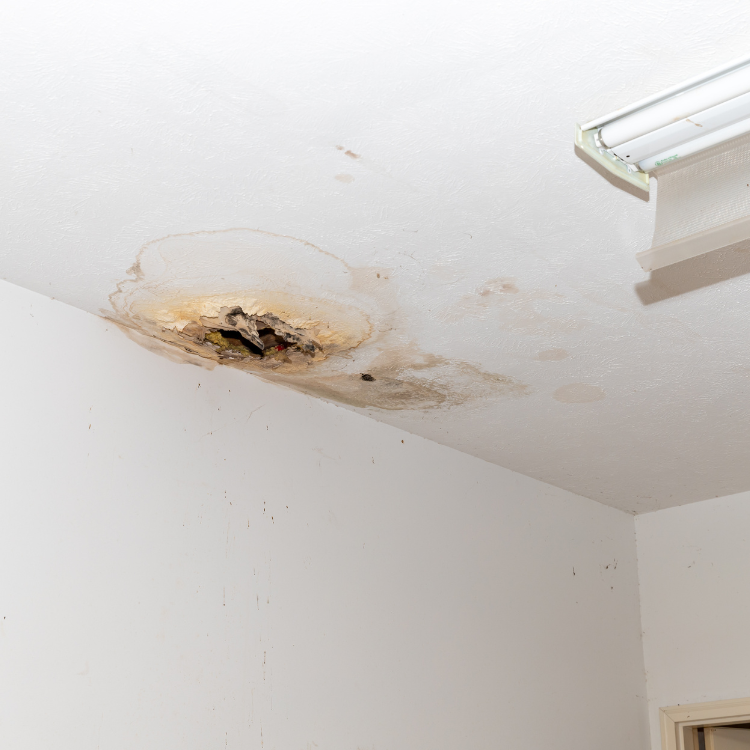
How do I know if I have a slab leak? Common signs include an unexplained increase in your water bill, warm spots on the floor (especially over hot water lines), the sound of water running when all fixtures are off, or dampness and discoloration in flooring or baseboards. In some cases, you may notice cracks in the slab or walls that worsen over time, or you might see water pooling around the foundation outside. Because these symptoms can also be caused by other issues, a professional leak detection test is the most reliable way to confirm a slab leak.
Why is there a separate charge for slab leak location? Leak location is a specialized service that requires advanced equipment, training, and time. The plumber uses tools such as acoustic listening devices, infrared cameras, and pressure testing equipment to pinpoint the leak without unnecessary demolition. Charging separately for detection allows you to understand exactly what you are paying for and gives you the flexibility to evaluate different repair options once the leak is located. It also reflects the reality that accurate diagnosis is a distinct and valuable part of the overall solution.
Is it always necessary to break the concrete slab to fix a leak? Not always. While spot repairs do involve opening the slab at the leak location, many leaks can be addressed by rerouting the affected line above the slab through walls, ceilings, or attics. In cases where the under-slab piping is old or failing in multiple places, full or partial repiping may be recommended to avoid repeated slab openings. The best approach depends on the age and condition of your plumbing, the location of the leak, and your long-term plans for the property.
Will my homeowners insurance cover slab leak repairs? Coverage varies widely by policy and insurer. In many cases, insurance may help pay for the cost of accessing the leak (such as breaking and replacing concrete or flooring) and repairing water damage to the structure or finishes, but not the actual plumbing repair. Some policies have specific exclusions or limitations for slab leaks. It is important to review your policy, speak with your insurance company, and obtain detailed documentation from your plumber. For more general information about policy language, you can review resources like null, but your own insurer’s terms will ultimately control what is covered.
How can I prevent slab leaks in the future? While you cannot eliminate all risk, you can reduce it significantly. Maintaining stable water pressure, addressing signs of corrosion early, and avoiding harsh chemical drain cleaners can help protect your pipes. If your home has a history of slab leaks or older under-slab copper piping, discussing rerouting or repiping options with a plumber can prevent recurring problems. Regularly monitoring your water bill, listening for unusual sounds, and investigating damp areas promptly are simple habits that help catch issues before they become major slab leaks.