
Leak Location: How to Find It Fast

How many gallons of water or dollars in energy costs are slipping away from hidden leaks in your building right now? Leak location is one of those problems that usually stays invisible until it becomes an emergency: a soaked ceiling tile, a skyrocketing water bill, or a mysterious hissing sound in a quiet room. Finding a leak quickly is not just a matter of convenience; it is about protecting your property, controlling operating costs, and preventing minor issues from turning into major structural or safety problems.

Whether you manage a commercial facility, oversee an industrial plant, or are responsible for a multi-unit residential property, fast and accurate leak location is a critical maintenance skill. The challenge is that leaks rarely announce themselves in obvious ways. Water can travel along beams and pipes before surfacing, gas can escape in tiny invisible streams, and compressed air leaks can be completely silent at normal operating noise levels. This is why a structured, methodical approach combined with the right tools is essential if you want to find the source fast instead of tearing open walls and guessing.

This guide walks through practical, real-world strategies for locating leaks quickly and efficiently. From simple observational checks to advanced electronic detection methods, you will learn how to narrow down the problem area, confirm the source, and decide when to call in specialized leak detection services. The goal is not only to find the current leak, but to build a repeatable process you can use every time a new issue appears.

Why Fast Leak Location Matters

Fast leak location is fundamentally about limiting damage. Water, gas, refrigerant, steam, and compressed air leaks all cause harm, but in different ways. Water can rot wood, corrode metal, and feed mold growth within days. Gas leaks introduce serious safety and explosion risks. Refrigerant leaks degrade HVAC performance and can damage compressors. Compressed air leaks quietly drain energy and inflate utility bills. The longer a leak goes undetected, the more expensive and disruptive the eventual repair becomes.

Speed also affects how much of your building you must disturb to find the source. The old-fashioned approach of cutting random inspection holes in walls or digging along buried pipes is slow, messy, and expensive. Modern leak location techniques focus on narrowing the search field before you open anything up. By using sound, pressure testing, moisture mapping, and visual evidence, you can often pinpoint a leak to a very small area, minimizing demolition and repair costs.

There is also an operational impact to consider. In commercial and industrial settings, leaks can force you to shut down equipment, isolate parts of a system, or close off sections of a building. Every hour of downtime has a cost. A well-planned leak location process shortens that downtime by moving quickly from detection to confirmation and then to targeted repair. This is why many facilities now treat leak detection as part of preventive maintenance rather than waiting for obvious signs of failure.

Finally, fast leak location has regulatory and environmental implications. Undetected leaks can lead to code violations, environmental contamination, and liability issues, especially when they involve fuel, chemicals, or refrigerants. Demonstrating that you have a systematic method to detect and locate leaks quickly not only protects your assets, it also shows regulators and insurers that you are managing risk responsibly.

Reading The Clues Before Opening Walls

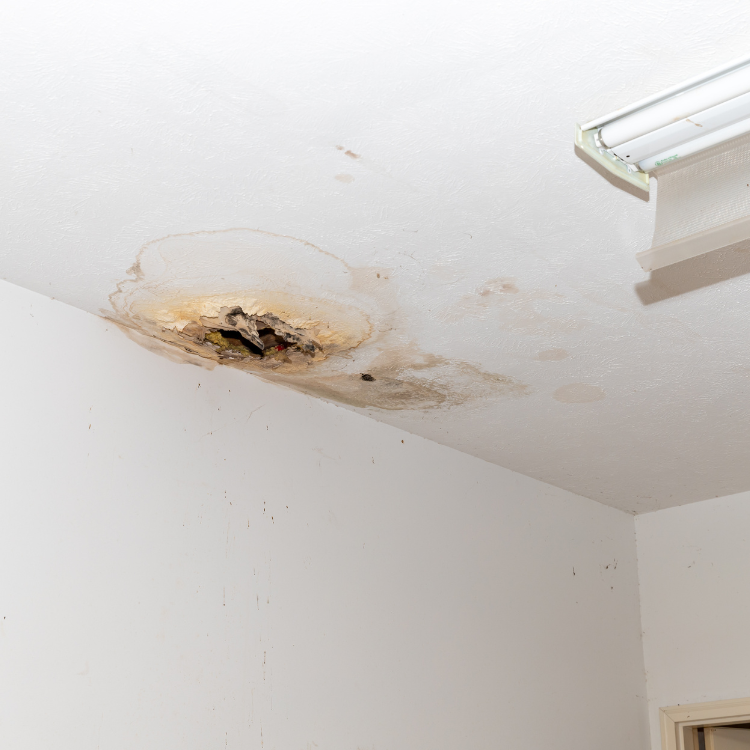
Before you reach for specialized equipment or start cutting into building materials, the smartest move is to read the clues the building is already giving you. Many leaks leave a trail long before the exact source is obvious. Discoloration on ceilings, bubbled paint, warped baseboards, or a musty odor can tell you a lot about the nature and age of a leak. Pay attention to the pattern: circular stains often indicate a point source directly above, while streaks or trails may point to water that has traveled along a joist or pipe.

Your utility bills are another important clue. A sudden spike in water consumption with no change in usage patterns strongly suggests a hidden plumbing leak. Similarly, unexplained increases in gas or energy costs may point to leaks in gas lines, steam systems, or compressed air networks. Comparing current bills to historical averages is a quick way to flag a problem, even when no visible signs have appeared yet.

Sound and smell are often overlooked but incredibly valuable. In a quiet environment, you might hear a faint hiss, drip, or rush of water behind a wall or above a ceiling. In the case of gas, a sulfur-like odor is deliberately added to alert occupants to leaks. For sewer or drain leaks, unpleasant odors near walls, floors, or floor drains can narrow your search area. Walk the space slowly, pausing to listen and take note of where smells are strongest.

Temperature differences can also reveal hidden leaks. A cold water leak behind a warm wall or ceiling can create cool spots, while a hot water or steam leak can create localized warmth. Simply running your hand along surfaces or using an inexpensive infrared thermometer can help you identify suspicious zones. These observations will guide where you focus more advanced leak location tools and tests.

Simple Tests You Can Do Immediately

Once you have a general idea that a leak exists, there are several quick tests you can perform before bringing in specialized equipment or professional leak detection services. For water supply leaks, one of the simplest methods is to use the main water meter. Turn off all fixtures and appliances that use water, then check the meter. If the meter continues to move, you likely have a hidden leak somewhere in the system. Some meters even have a small leak indicator dial that spins with very low flow.

To narrow down whether the leak is inside the building or in the line between the meter and the structure, shut off the main valve inside the building. If the meter keeps moving with the internal valve closed, the leak is likely in the buried service line. If the meter stops, the leak is probably within the building’s plumbing network. This simple test can save hours of guesswork and focus your search where it matters most.

For toilet-related leaks, a dye test is fast and effective. Add a few drops of food coloring to the toilet tank and wait 10–15 minutes without flushing. If colored water appears in the bowl, you have a leak through the flapper or flush valve. While this might seem minor, a constantly running toilet can waste thousands of gallons of water per month, so identifying it quickly can have a significant impact on your utility bills.

In compressed air or gas systems, soapy water is a classic low-tech leak detector. Mix dish soap with water in a spray bottle and apply it to suspected joints, fittings, and connections while the system is pressurized. If bubbles form and grow, you have found a leak. This method is best for exposed piping and equipment and is often used as a first pass before turning to more advanced detection methods like ultrasonic equipment.

Advanced Tools For Fast, Accurate Location

When simple tests and visual inspection are not enough, advanced leak detection tools can dramatically speed up the process and improve accuracy. One of the most widely used technologies is acoustic leak detection. Specialized microphones and sensors are placed on pipes, valves, or surfaces to pick up the sound of escaping water, gas, or air. Technicians use this information to triangulate the leak’s location, even when the pipe is buried or hidden in a wall.

Infrared thermography is another powerful tool, especially for hot water, steam, and radiant heating leaks. Thermal cameras detect temperature differences on surfaces, allowing you to see patterns that are invisible to the naked eye. A hot spot on a floor might indicate a leaking radiant heat line, while a cold streak on a wall could reveal chilled water or condensation issues. Because thermal imaging is non-invasive, it is particularly valuable in finished spaces where you want to avoid unnecessary damage.

For flat roofs and building envelopes, electronic leak detection methods use low-voltage or high-voltage scanning to locate breaches in waterproof membranes. Moisture meters and moisture mapping systems can identify areas of elevated moisture content in walls, floors, and roofs, helping isolate the path water is taking. These tools are especially useful when water appears far from the actual point of entry, which is common in multi-layer roof assemblies and complex building structures.

In underground utilities, tracer gas and correlator systems provide another level of precision. A harmless gas mixture is introduced into the pipeline, and sensitive detectors are used at the surface to follow where the gas escapes. Correlators compare noise signals from two points on a line to calculate the leak’s position. While these methods require specialized equipment and training, they greatly reduce excavation and can locate leaks under pavement, landscaping, or building slabs with impressive accuracy.

Creating A Step-By-Step Leak Location Strategy

Fast leak location is not just about owning advanced tools; it is about following a logical process. Start by defining the symptoms clearly: Is there visible water damage? A pressure drop? An odor? An unexplained increase in consumption? Write down what you know, including when the issue was first noticed and whether it appears constantly or intermittently. This information shapes the rest of your strategy and prevents you from jumping to conclusions.

Next, isolate the system as much as possible. For plumbing, this might mean shutting off individual branch lines, fixtures, or equipment to see when the leak indicator or pressure loss stops. In compressed air or gas systems, you might close isolation valves to narrow down which section is affected. This step turns a building-wide mystery into a manageable zone, often reducing the search area from hundreds of feet of piping to a single room or segment.

Once you have a defined zone, apply the least invasive methods first. Use visual inspection, listening, simple tests, and non-destructive tools like thermal imaging or moisture meters. Only after you have strong evidence pointing to a specific location should you consider opening walls, ceilings, or floors. Document each step, including what you ruled out and why. This record will be invaluable if the first attempt does not fully resolve the problem or if you face a similar issue in the future.

Finally, build leak location into your ongoing maintenance plan. Conduct periodic checks of meters, monitor trend data on consumption, and schedule routine inspections of critical systems such as boilers, chillers, and compressed air networks. Some facilities install permanent monitoring sensors for pressure, flow, or moisture in high-risk areas. By treating leak detection as a continuous process rather than a one-time emergency response, you greatly increase your chances of catching leaks early and resolving them quickly.

When To Call Professional Leak Detection Services

There is a point at which do-it-yourself methods and basic in-house maintenance reach their limits. If you have persistent moisture with no visible source, recurring stains after repeated repairs, or a confirmed leak in a critical system like a fire sprinkler or gas line, bringing in professional leak detection services is usually the fastest and safest path forward. Professionals combine experience with specialized equipment that most property owners or managers do not have on hand.

Professional leak locators can deploy acoustic sensors, infrared cameras, tracer gas systems, electronic roof scanners, and advanced moisture mapping tools in a coordinated way. Their value is not just the equipment, but their ability to interpret subtle signals and patterns. For example, they know how different pipe materials, soil types, and building assemblies affect sound transmission or thermal signatures, which dramatically improves the accuracy of the location.

Another advantage of calling in professionals is risk reduction. Guessing at a leak location and opening up the wrong area can result in unnecessary damage, longer downtime, and additional repair costs. A targeted, data-driven approach often means one small access point instead of multiple large openings. This is especially important in occupied spaces, healthcare facilities, data centers, and other environments where disruption must be minimized.

When selecting a leak detection provider, ask about their methods, equipment, and reporting. A good provider will explain their process, give you a clear scope of work, and provide documentation of findings, including photos, thermal images, or data logs. This documentation supports insurance claims, helps your repair contractors work more efficiently, and becomes part of your long-term maintenance records. If you need a reference point for what a professional service might look like, you can review examples at null.

Frequently Asked Questions

How can I tell if I have a hidden water leak if I do not see any damage? A hidden water leak often reveals itself through indirect signs before any visible damage appears. Start by checking your water meter: turn off all fixtures and appliances that use water, then see if the meter continues to move. If it does, you likely have a leak somewhere in the system. Monitor your water bills over several months; a gradual or sudden increase without a change in usage is another strong indicator. You might also notice subtle clues like lower water pressure at certain fixtures, faint sounds of running water when everything is off, or unexplained damp or cool spots on floors or walls. If these signs appear, it is time to begin a systematic leak location process.

What is the fastest way to locate a leak in a large building? In a large building, the fastest approach is to combine system isolation with targeted testing. First, use main meters and pressure gauges to confirm that a leak exists and determine which system is affected (domestic water, heating, cooling, compressed air, etc.). Then, use isolation valves to divide the system into sections, checking each segment to see where the pressure drop or flow persists. Once you have narrowed the problem to a specific zone or floor, apply non-invasive tools such as acoustic listening devices, thermal imaging, or moisture meters to pinpoint the exact area. This top-down strategy prevents you from wasting time searching everywhere and focuses resources where they are most likely to find the leak.

Are advanced leak detection tools worth the investment for a small facility? For many small facilities, owning a full suite of advanced leak detection tools is not necessary, but having a few key devices can be very beneficial. Basic acoustic listening equipment, an infrared thermometer or entry-level thermal camera, and a good quality moisture meter can significantly speed up your ability to locate common leaks. These tools are often affordable and easy to use with minimal training. For complex or high-stakes leaks, such as underground lines or critical mechanical systems, it is usually more cost-effective to hire professional leak detection services that bring specialized equipment for occasional use rather than purchasing it outright.

How do I prevent leaks from recurring after I find and fix one? Preventing recurring leaks starts with understanding the root cause of the original problem. Was it corrosion, improper installation, freeze damage, vibration, or material failure? Addressing only the visible symptom without correcting underlying issues almost guarantees you will face similar leaks again. After the repair, inspect the surrounding system for early signs of the same problem, such as minor corrosion, loose fittings, or inadequate supports. Implement preventive measures like insulation, better pipe supports, pressure regulation, or improved drainage as needed. Finally, incorporate periodic inspections and meter monitoring into your maintenance routine so that if a new leak does develop, you catch it early and address it before it becomes a pattern.

When is it unsafe to try to locate a leak on my own? It is unsafe to attempt DIY leak location when the suspected leak involves gas lines, fuel systems, high-pressure steam, or electrical components in wet areas. Gas and fuel leaks present explosion and fire hazards, and only qualified professionals with appropriate testing equipment and safety protocols should handle them. High-pressure steam can cause severe burns and equipment damage if improperly handled. Water leaks near electrical panels, wiring, or equipment pose a shock risk and should be approached with extreme caution. In any of these cases, shut down the system if you can do so safely, evacuate the area if necessary, and contact licensed professionals or emergency services rather than attempting to locate the leak yourself.

Leave a Comment

Your email address will not be published. Required fields are marked *

Call
Contact
Search Website
Contact
Call
Text
Email