


Plumbing services in Keller, TX

Slab Leak Location Detection Techniques Explained

Most homeowners assume that finding a slab leak is as simple as looking for a wet spot on the floor or listening for running water. In reality, slab leak location detection is a highly technical process that often happens before any visible damage appears. By the time water reaches the surface of your flooring, the leak may have been eroding soil, weakening the foundation, and feeding mold growth for weeks or months. The real challenge is not just confirming that a slab leak exists, but pinpointing the exact section of pipe that has failed without tearing up half the house.

Another common misconception is that every plumber uses the same method to find slab leaks. In practice, professionals combine several specialized techniques, from electronic listening devices to pressure isolation and tracer gas, depending on the layout of the home, the type of piping, and the age of the plumbing system. Understanding how these techniques work can help you make better decisions, ask the right questions, and avoid unnecessary demolition. It also gives you a clearer picture of why proper slab leak location detection is worth the investment before any repair begins.

This guide breaks down the major detection methods used under concrete slabs, explains what each one can and cannot do, and shows how they are often used together to create a precise picture of where the leak is hiding. Whether you are a homeowner facing unexplained water bills or a property manager responsible for multiple units, knowing these techniques will help you recognize competent work, avoid guesswork, and protect the structural integrity of your building.

What A Slab Leak Really Is

Before diving into detection tools, it is crucial to understand what a slab leak actually means. A slab leak is a water line leak that occurs in pipes located beneath or within a concrete slab foundation. These are typically pressurized supply lines, though in some cases, hot water lines or even return loops on recirculation systems are the culprits. Because these pipes are buried, you cannot visually inspect them like you can in a crawl space or basement, which makes specialized location techniques essential.

Slab leaks develop for several reasons: chemical reactions between water and metal pipes, abrasion from pipes rubbing against concrete, shifting soil putting stress on joints, or poor installation practices decades ago. In older homes, copper lines beneath the slab are common, and tiny pinhole leaks can develop long before a major rupture occurs. In newer construction, PEX or other materials may be used, but improper routing or connections can still lead to failures. Each of these scenarios affects how easily a leak can be traced and what signals equipment will pick up.

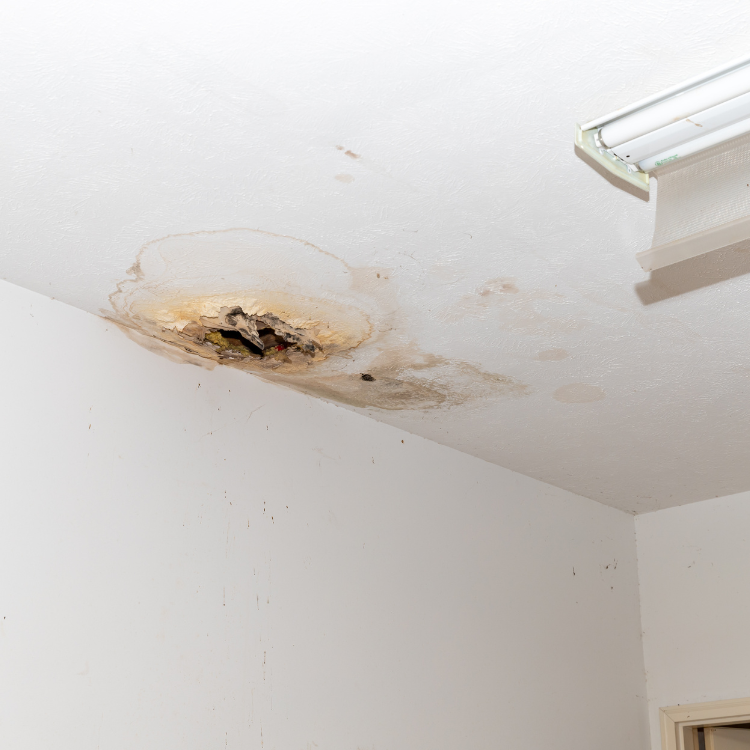
The consequences of a slab leak extend far beyond a higher water bill. Over time, water can wash away supporting soil, create voids under the slab, and cause sections of flooring to settle or crack. Moisture can wick up into walls, damage finishes, and encourage mold. Because the leak is hidden, property owners often underestimate the urgency of accurate location detection. The better the initial detection work, the smaller and more targeted the repair can be, which means less disruption and lower long-term risk to your structure.

Basic Clues Before High-Tech Tools

Professional slab leak detection rarely starts with high-end equipment. It usually begins with simple diagnostics that help narrow the search. One of the first steps is often a meter test: the main water supply is shut off inside the home while the water meter at the street is observed. If the meter continues to spin with all fixtures closed, that is a strong indicator of a hidden leak, often under the slab or in a buried line. This basic test confirms that leak detection is necessary before more advanced tools come out.

Technicians also pay careful attention to symptoms inside the building. Warm spots on flooring, especially in random areas away from appliances, can suggest a hot water slab leak. The sound of water movement when no fixtures are running, unexplained moisture around baseboards, or mildew-like odors in certain areas all help form an initial map of where to focus. These observations are not precise enough to start cutting concrete, but they are invaluable for deciding which part of the system to test and which tools to use.

Another underappreciated step is system isolation. A skilled technician will systematically shut off or cap different branches of the plumbing system, test hot and cold lines separately, and sometimes bypass water heaters to determine which side of the system is leaking. This process of elimination narrows the potential leak area dramatically. Once the problem line or circuit is identified, more targeted detection methods can be applied with far greater accuracy, saving time and minimizing invasive work.

Electronic Acoustic Listening Devices

One of the most widely used slab leak location techniques involves electronic acoustic detection. When pressurized water escapes from a pipe beneath a slab, it creates distinct sound signatures: hissing, whooshing, or even a rumbling noise as water jets into soil or along the underside of the concrete. Advanced listening devices amplify and filter these sounds so that technicians can hear and interpret them even through thick flooring and concrete.

The process typically involves placing sensitive microphones or ground probes at various points across the floor, along walls, and sometimes outside near the foundation. The technician listens for changes in sound intensity and character as they move the sensors. By comparing noise levels and frequency patterns, they can triangulate the location where the sound is strongest and most consistent, which often correlates with the leak’s position. Headphones and digital analyzers help distinguish leak noise from background sounds like HVAC systems or footsteps.

Acoustic detection is powerful, but it is not infallible. Its accuracy can be affected by flooring materials, insulation, and depth of the pipe. Thick carpet, heavy padding, or multiple flooring layers can muffle leak sounds. Conversely, tile or bare concrete can transmit sound more clearly. Background noise from busy streets, nearby construction, or even loud appliances can complicate readings. This is why experienced technicians often combine acoustic detection with other methods rather than relying on it alone.

Tracer Gas And Pressure Testing

When acoustic methods are inconclusive or the leak is very small, tracer gas can be a game-changing technique. In this method, water is purged from the suspect section of piping and replaced with a non-toxic, highly detectable gas mixture, often containing hydrogen or helium. Because these gases are lighter than air and can escape through minute openings, they are ideal for finding tiny leaks that might not create obvious noise.

Once the gas is introduced, specialized detectors are used above the slab to sense where the gas is escaping. The technician systematically scans the floor, walls, and sometimes exterior areas around the foundation. The detector’s readings spike where gas concentration is highest, indicating the most likely leak location. This technique is especially useful in complex plumbing systems, multi-level buildings, or homes with extensive remodeling that has altered the original pipe routes.

Pressure testing often accompanies tracer gas detection. By isolating different segments of the plumbing and applying measured air or water pressure, the technician can see which segments fail to hold pressure, confirming that a leak is present in that section. This isolation method narrows the search field so that tracer gas is only used where it is most needed. Together, pressure testing and tracer gas form a precise, methodical approach that reduces guesswork and limits unnecessary slab penetration.

Infrared, Moisture Mapping, And Thermal Tools

Thermal imaging cameras and moisture meters provide another layer of insight, particularly for hot water slab leaks. When a hot water line leaks beneath a slab, heat spreads through the concrete and flooring above, creating temperature patterns that thermal cameras can visualize. On the camera’s screen, the technician sees color variations that indicate warmer or cooler areas. A localized, irregular warm zone in an unexpected area can be a strong clue that hot water is escaping below.

Moisture meters complement this by measuring the moisture content of flooring and wall materials. These devices can be pin-type (penetrating) or pinless (non-invasive), and they help identify areas where water has migrated. By mapping out higher moisture readings across the floor and lower wall areas, a technician can trace the path of water movement. While moisture often travels away from the actual leak due to gravity and material wicking, the pattern still helps narrow the search area.

It is important to recognize that thermal and moisture tools are indirect detection methods. They reveal the effects of a slab leak rather than the leak itself. Heat can spread, and moisture can travel, so the hottest or wettest spot is not always the exact break point in the pipe. Skilled interpretation is essential. Technicians cross-reference thermal images and moisture maps with acoustic or tracer gas findings to confirm the true source before any concrete is opened.

Pipe Locators, Mapping, And Minimizing Damage

Knowing where the leak is in relation to the home’s layout is only half the battle; you also need to know exactly where the pipes run under the slab. Electronic pipe locators and line-tracing equipment help create a map of buried plumbing. By sending a signal through a metallic line or using a transmitter attached to accessible sections of pipe, technicians can trace the route of the pipe across the floor and yard. This mapping is crucial for planning the smallest possible access point.

In some cases, especially with non-metallic piping, technicians use sondes (small transmitters) or tracing wires that can be inserted into the line and tracked from the surface. This allows them to follow pipe direction changes, locate junctions, and identify where the pipe passes through walls or foundations. When combined with leak location data from acoustic or gas detection, this map tells the technician precisely where to open the slab.

The goal of all these detection techniques is to minimize structural disruption. Instead of randomly breaking open large areas of concrete in search of a leak, modern detection methods allow for a targeted opening just large enough to access and repair the damaged section. In some situations, the information from detection can even support alternative repair strategies, such as rerouting lines through walls or ceilings, or using epoxy lining or pipe replacement methods that avoid extensive slab demolition altogether. Accurate location is the foundation for every cost-effective repair decision.

Choosing Professionals And Understanding Reports

Because slab leak detection relies on specialized equipment and interpretation, the experience of the technician matters as much as the tools themselves. When hiring professionals, it is worth asking what detection methods they use, how they confirm results, and whether detection and repair are handled by the same team or separately. Some companies focus solely on leak detection and provide a detailed report or diagram that you can then share with a plumbing repair provider.

A thorough detection report should describe the suspected leak area, the tests performed (such as meter tests, isolation, acoustic, tracer gas, or thermal imaging), and the reasoning behind the final location. In some cases, photos or thermal images may be included. This documentation is not just for your peace of mind; it can be invaluable for insurance claims, especially when demonstrating that you took reasonable steps to minimize damage before repair.

It is also helpful to remember that no detection method is 100 percent perfect. Concrete thickness, pipe depth, building noise, and previous alterations to plumbing can all introduce uncertainty. Honest professionals will explain any limitations and may recommend contingency plans, such as slightly enlarging the access area or conducting follow-up tests if initial openings do not reveal the leak. Clear communication about these possibilities helps manage expectations and avoid frustration during the repair process. For more context on professional standards and methods, you can review additional resources at null.

Frequently Asked Questions

How can I tell if I need slab leak detection in the first place? Common warning signs include a sudden, unexplained increase in your water bill, the sound of water running when no fixtures are in use, warm spots on tile or concrete floors, and cracks in flooring that seem to worsen over time. You might also notice damp carpet, musty odors, or water appearing at the base of walls without any obvious source. If turning off all fixtures and checking the water meter shows continued movement, that is a strong indicator that a hidden leak, possibly under the slab, is present and professional detection is warranted.

Is it possible to locate a slab leak without breaking the concrete? Yes. Modern slab leak detection techniques are designed to locate leaks non-invasively. Tools such as electronic acoustic sensors, tracer gas detectors, thermal imaging cameras, and moisture meters work from above the slab to pinpoint the likely leak location. While a small opening in the concrete is usually required to perform the actual repair, accurate detection significantly reduces how much concrete needs to be removed. In some cases, the information gathered can even support rerouting pipes instead of opening the slab directly at the leak.

Which slab leak detection method is the most accurate? No single method is best in every situation; accuracy comes from combining methods. Acoustic listening is highly effective for many pressurized leaks, tracer gas excels at finding very small or quiet leaks, and thermal imaging is especially useful for hot water lines. Pressure isolation helps identify the leaking section of pipe, while pipe locating tools map the route of the line. An experienced technician will select and combine these methods based on your home’s construction, pipe materials, and observed symptoms to achieve the most reliable result.

How long does professional slab leak location detection usually take? The time required depends on the complexity of the plumbing system, the accessibility of shut-off points, and how clear the initial symptoms are. In a straightforward residential home with good access and a single suspected leak, detection might take a couple of hours. More complex properties with multiple wings, mixed materials, or previous remodels can take half a day or more. Technicians typically start with basic tests and system isolation, then move to more specialized tools as they narrow the search area.

Will my insurance cover slab leak detection and repairs? Coverage varies widely by policy and provider. Many homeowners insurance policies may help with the cost of accessing and repairing damaged portions of the building, but not necessarily with the cost of fixing the pipe itself. Some policies may cover detection if it is part of mitigating further damage. It is important to review your policy language and speak with your insurer before or during the detection process. A detailed detection report from your contractor can support your claim by documenting the problem and the steps taken to address it responsibly.

Leave a Comment

Your email address will not be published. Required fields are marked *

Call
Contact
Search Website
Contact
Call
Text
Email