
Understanding Drain Repair & Installation Processes
A slow sink, a gurgling toilet, or that mysterious wet spot in the yard might not seem like a big deal at first. But around Keller and the greater DFW area—where clay soil shifts, foundations move, and many homes are 20+ years old—those small warning signs can turn into major drain and sewer problems fast.
Nationwide, plumbing failures are one of the top causes of property damage, with the average water damage claim costing thousands of dollars. In North Texas, that risk is even higher thanks to soil movement and extreme temperature swings that put extra stress on underground drain lines.
This guide walks you through how professional drain repair and installation actually work—step by step—so you know what to expect, what’s worth worrying about, and when it’s time to bring in a pro. You’ll learn how plumbers diagnose issues accurately, the difference between repair and full replacement, modern trenchless options, and how good installation today can save you from expensive emergencies tomorrow.
Key Insight: The more you understand about drain repair and installation, the easier it is to make smart, cost-effective decisions that protect your Keller property and avoid repeat problems.
How Pros Diagnose Drain Problems (Before Anyone Starts Digging)
Most successful drain repairs in Keller start long before a shovel hits the ground. The key is accurate diagnostics. Fixing the wrong thing—or guessing—almost always leads to repeat clogs, backed-up toilets, or even hidden leaks under your slab.
A professional plumber will typically follow a structured process:
1. Symptom review and visual inspection
They’ll ask questions like:
- Which fixtures back up first?
- Does it only happen during heavy use (mornings, evenings)?
- Any gurgling sounds or sewer smells?
This helps pinpoint whether the issue is localized (like a bathroom group) or in the main line. Inside, they’ll check toilets, sinks, tubs, and cleanouts. Outside, they’ll look for soft spots in the yard, wet areas, or roots near the sewer path.
2. Drain cleaning and camera inspection
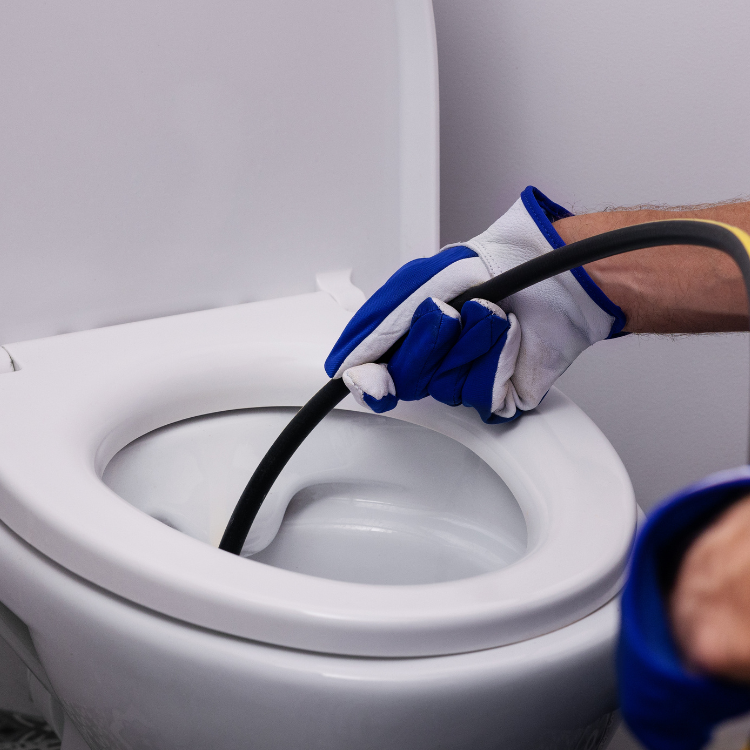
In many cases, the first step is to clear the line enough to see what’s going on. That might involve standard Drain Cleaning Services or powerful Hydro Jet Drain Cleaning if there’s heavy buildup.
Once there’s flow, a high-resolution sewer camera is sent down the line. This shows:
- Cracks, bellies, or misaligned joints
- Tree root intrusion
- Collapsed or broken sections
- Grease or scale buildup
“A good camera inspection is like an X-ray for your plumbing system—it makes the invisible visible.” — Master Plumber, DFW Area
3. Pressure and specialty testing
If there are signs of leaks or foundation issues, techs may recommend Water Leak Detection using hydrostatic testing. This pressurizes the system to confirm if there’s a leak under the slab or in buried lines.
For suspected slab leaks, specialized Slab Leak Detection tools—acoustic listening devices, infrared, and tracer gases—help pinpoint the exact location without tearing up your entire floor.
CALLOUT: Accurate diagnosis is the difference between a targeted fix and tearing up your yard—or slab—for no reason.
Common Drain Failures in Keller Homes and Businesses
Keller’s mix of older homes, new builds, and shifting clay soils creates a specific pattern of drain issues. Understanding the most common problems helps you recognize early warning signs before they turn into emergencies.
1. Root intrusion and aging sewer lines
Many older properties in Keller still have cast iron or clay sewer lines. Over time, joints loosen and tiny gaps form—perfect entry points for roots. These roots:
- Block flow and cause recurring clogs
- Crack pipes and accelerate deterioration
- Trap debris, toilet paper, and grease
This often shows up as slow drains throughout the house or sewage backing up in the lowest fixture (usually a tub or shower).
2. Pipe bellies and soil movement
Our expansive clay soil swells when wet and shrinks when dry. That movement can create “bellies” in the pipe—low spots where water and waste collect. Over time, this leads to:
- Frequent clogs in the same area
- Standing water in sections of pipe
- Accelerated corrosion or collapse
During a camera inspection, bellies show up clearly as water-filled sections.
3. Slab leaks and under-slab drain issues
In slab-on-grade homes, drains and water lines often run under the concrete. A cracked drain or Slab Leak here can lead to:
- Musty odors or mold
- Hot spots on floors
- High water bills
- Foundation movement over time
Professional Leak Location Service and Water Leak Detection tools allow for non-destructive pinpointing of these issues.
Local example
A Keller homeowner noticed their hall bathroom toilet gurgling every time the washing machine drained. A camera inspection revealed a belly in the main drain line caused by soil movement. Instead of repeatedly snaking the line, the plumber recommended targeted repair of that sagging section. Once corrected, the backups stopped completely.
“Recurring clogs in the same place are rarely a coincidence—they’re usually a symptom of a deeper drain line problem.” — Local Plumbing Consultant
CALLOUT: If you’re calling for clogged drain repair more than once a year for the same spot, it’s time to look deeper at the pipe itself.
Inside the Drain Repair Process: From Clog to Long-Term Fix
Once diagnostics are complete, your plumber will recommend a repair strategy based on the pipe material, location, and severity of damage. Not every issue requires a full replacement; many can be fixed with sectional repairs or lining.
Step 1: Clearing the line
Even when there’s structural damage, the first step is usually to restore flow:
- Mechanical snaking for soft clogs or light roots
- Hydro Jet Drain Cleaning for heavy grease, scale, or root masses
This not only relieves immediate symptoms but prepares the line for repair work.
Step 2: Choosing the repair method
Common approaches include:
- Spot repairs
Digging up and replacing a small damaged section of pipe. Ideal for localized cracks or breaks.
- Pipe lining (where applicable)
Inserting a resin-saturated liner that hardens in place, creating a new pipe inside the old one. Useful for long stretches of pipe with multiple minor defects.
- Full or partial replacement
Swapping out entire sections of drain line that are badly deteriorated, collapsed, or undersized.
For many Keller homes with failing cast iron under the slab, plumbers may recommend rerouting drain lines through the attic or walls rather than breaking up large areas of concrete.
Step 3: Repair execution
Depending on location, this may involve:
- Excavating in the yard
- Cutting and patching small sections of slab
- Accessing lines through cleanouts or roof vents
Work is then tested—often with water flow tests or repeat camera inspections—to confirm the repair is watertight and properly sloped.
Keller case study
A small business in Keller had repeated backups in their restroom, affecting customers during peak hours. Initial snaking helped temporarily, but a camera inspection found a crushed section of line caused by a previous, poorly backfilled repair. The plumber performed a targeted Sewer Drain Repair, replaced the damaged section with properly bedded pipe, and restored full capacity—saving the owner from future lost business.
CALLOUT: The best drain repair doesn’t just restore flow—it addresses the underlying cause so you’re not revisiting the same problem again and again.
Modern Drain Installation & Replacement: Trenchless vs. Traditional
When a drain line is severely damaged, undersized, or at the end of its life, repair alone may not be enough. That’s where new Drain Line Replacement or Drain Installation Service comes in.
Homeowners and businesses often face a key decision: traditional excavation or modern trenchless methods.
Traditional vs. Trenchless: How They Compare
| Factor | Traditional Excavation | Trenchless Sewer Replacement |
|---|---|---|
| Digging required | Long trench across yard/driveway | Small access pits at ends of pipe |
| Landscape impact | High – grass, trees, and hardscape disturbed | Low – minimal surface disruption |
| Typical project duration | 2–4 days (depending on length & complexity) | 1–2 days in many cases |
| Upfront cost (Keller area) | Slightly lower on short runs | Often similar or lower on longer runs |
| Best for | Very shallow lines, small localized sections | Longer runs, under driveways, patios, or structures |
| Future maintenance | New pipe, fewer joints, code-compliant slope | Same benefits; often seamless pipe reduces leaks |
\Actual costs depend on depth, length, access, and site conditions.
Trenchless options
Two common trenchless methods are:
- Pipe bursting – A bursting head breaks the old pipe while pulling a new pipe into place behind it.
- Pipe lining (CIPP) – A liner is installed inside the existing pipe and cured to form a new, smooth interior surface.
These methods are especially useful when the line runs under:
- Driveways or sidewalks
- Mature landscaping
- Patios, decks, or even parts of the home
Local example
A Keller homeowner had a failing cast iron sewer line running under a stamped concrete patio and driveway. Traditional replacement would have meant tearing out thousands of dollars’ worth of concrete. Instead, the plumber used Drain Installation Near Me via trenchless bursting, accessed from the yard and street. The new line was installed in a day, with minimal surface disruption.
“Trenchless technology has changed the game. In many cases, we can replace a whole sewer line in a day without destroying your yard.” — North Texas Plumbing Specialist
CALLOUT: In Keller, where many lots have extensive concrete and landscaping, trenchless often provides the best balance of cost, speed, and minimal disruption.
Fixture, Interior Drain, and Specialty Installations
Not all drain work involves big equipment and underground lines. A lot of day-to-day drain installation happens inside your home or business, connecting fixtures and appliances to the main system.
Bathroom and kitchen drains
Proper Plumbing Drain Installation for sinks, tubs, and showers includes:
- Correct pipe sizing to prevent slow drains
- Proper venting to avoid gurgling and sewer gas smells
- Secure traps and connections to prevent leaks inside walls
For example, a poorly installed shower drain can allow water to seep around the pan, leading to subfloor rot and mold—an expensive fix compared to doing it right the first time.
Toilet and appliance connections
Toilet drains and seals are a frequent source of hidden leaks. Professional Toilet Repair & Installation ensures:
- The flange is at the correct height
- The wax or rubber seal is properly compressed
- The toilet is secure and level
Similarly, dishwashers, washing machines, and water softeners must be tied into the drain system correctly to prevent backflow and contamination.
If you’re upgrading to a Tankless Water Heater, the installer may need to modify drain lines for condensate, especially with high-efficiency gas or electric units.
Keller example
A family in Keller added a second-floor bathroom, but the original contractor undersized the drain and didn’t vent it correctly. The result? Slow drains, sewer smells, and gurgling noises. A licensed plumber reworked the New Drain Installation, upsized the pipe, and tied into the vent system properly. The issues disappeared—and so did the odors.
CALLOUT: Interior drain work may look simple, but code-compliant installation is critical for safety, performance, and resale value.
Preventing Future Drain Problems: Maintenance and Early Detection
Once your drains are repaired or newly installed, the next step is protecting that investment. In Keller’s climate and soil conditions, proactive care can dramatically extend the life of your system.
Regular cleaning and inspections
Scheduling periodic Clogged Drain Repair and maintenance—especially for older lines or properties with large trees—reduces the risk of emergencies. For businesses like restaurants or salons, hydro-jetting on a schedule can prevent grease and hair buildup that leads to costly shutdowns.
“Maintenance is almost always cheaper than emergency service. A planned cleaning beats a 2 a.m. backup every time.” — Service Manager, Keller Plumbing Company
Leak detection and slab monitoring
Because under-slab issues are common in North Texas, regular Professional Leak Detection can be a smart move—especially if you notice:
- Sudden spikes in water bills
- Warm or wet spots on floors
- Cracks in walls or flooring
Modern Slab Leak Detection Service uses non-destructive methods for Under Slab Leak Detection and Hidden Water Leak Detection, catching issues before they cause major structural damage.
Smart usage habits
You can also protect your drains through everyday choices:
- Avoid flushing wipes, even “flushable” ones
- Keep grease, coffee grounds, and fibrous foods out of kitchen drains
- Install hair catchers in showers and tubs
- Use garbage disposals responsibly and with plenty of water
CALLOUT: A combination of good habits, periodic cleaning, and early leak detection is the best insurance policy for your drain system.
What This Means for Businesses in Keller, TX
For Keller business owners—restaurants on Keller Parkway, offices near Town Center, salons, medical practices, and retail spaces—drain problems aren’t just inconvenient. They’re a direct threat to revenue, reputation, and even health code compliance.
A single backed-up restroom can:
- Force you to close temporarily
- Trigger negative online reviews
- Lead to fines or inspection issues
That’s why many local businesses partner with a plumbing company for scheduled maintenance and fast-response support.
Local cost and downtime comparison
| Scenario | Upfront Cost (Typical) | Downtime Risk in Keller | Long-Term Impact |
|---|---|---|---|
| No maintenance, emergency-only repairs | $0 until failure | High – unexpected closures | Higher lifetime repair costs, lost revenue |
| Annual cleaning & camera inspection | Moderate, predictable | Low – planned off-hours | Fewer emergencies, better budgeting |
| Proactive replacement of failing main drain | Higher upfront | One planned downtime | Lower risk, improved property value |
For commercial spaces, pairing regular Drain Cleaning Services with periodic Commercial Leak Detection creates a strong defense against surprise failures.
In Keller’s competitive business environment, customers have plenty of options. A clean, functioning restroom and odor-free space are basic expectations, not luxuries. Addressing drain repair and installation proactively helps you stay focused on running your business instead of reacting to plumbing emergencies.
Frequently Asked Questions
Q: How do I know if I need drain repair or full replacement for my Keller home?
A: The decision between Drain Repair and full replacement comes down to pipe condition, age, and how widespread the damage is. If a camera inspection shows a single cracked joint or a small offset, a targeted Drain Pipe Repair is often enough. But if your line is older cast iron with heavy corrosion, multiple breaks, or major root intrusion, it can be more cost-effective long term to opt for Drain Line Replacement. In Keller, where soil movement accelerates wear, many homes built before the 1990s are reaching the age where full replacement is worth considering. A reputable plumber will show you camera footage and walk through both options with real numbers.
Q: Are trenchless drain repairs safe for my foundation and landscaping?
A: Yes, when done by experienced pros, trenchless methods are designed to minimize impact on your property. Techniques like pipe bursting and lining use existing access points or small pits, so there’s far less disruption to landscaping, driveways, and patios. For homes in Keller with extensive concrete or mature trees, trenchless installation can be a huge advantage. The new pipe is typically seamless and made of durable materials, reducing the risk of future leaks. Before starting, your plumber should explain the process, mark utilities, and review how they’ll protect your yard and hardscape during the project.
Q: How often should I schedule drain cleaning or inspections in Keller?
A: For most single-family homes, a professional Drain Cleaning Service and camera inspection every 2–3 years is a good baseline—more often if you have large trees near the sewer line or an older system. Businesses with heavy drain use, like restaurants or salons, may benefit from annual or even quarterly Hydro Jet Drain Cleaning. Keller’s clay soil and frequent weather swings can accelerate issues, so catching small problems early is key. If you’re experiencing recurring clogs, gurgling, or slow drains, don’t wait for your “scheduled” service—those are signs that you may already have a developing blockage or structural issue.
Q: What are the warning signs of a hidden drain or slab leak?
A: Common signs include persistent slow drains throughout the house, sewage smells, unexplained wet spots in the yard, or water stains near the base of walls. For Slab Leak Detection Near Me, watch for warm or damp areas on your floor, cracks in tile or concrete that seem to worsen, or a sudden spike in your water bill. Because under-slab leaks can undermine your foundation over time, it’s smart to call for Emergency Leak Detection Service if you suspect a problem. Modern Hidden Water Leak Detection tools allow plumbers to pinpoint leaks with minimal damage to your flooring or slab.
Q: Can I fix a clogged or damaged drain myself with store-bought tools?
A: For minor clogs near a sink or tub, a plunger or small hand auger can help. But repeated use of chemical cleaners can damage pipes and rarely addresses deeper issues. DIY tools usually can’t reach far enough or provide the power needed for main line or Sewer Drain Repair. In Keller, where many problems stem from roots, bellies, or failing pipes, professional equipment and camera inspections are often necessary. Attempting major repairs without the right tools or permits can lead to code violations and more expensive fixes later. If a clog returns quickly after DIY efforts, it’s time to call a professional.
Q: How disruptive is drain repair or replacement for a busy Keller household or business?
A: It depends on the scope, but a good plumbing team will work to minimize disruption. Many Drain Repair Service jobs can be completed in a day, with water and drain use restored by evening. For larger projects or Main Drain Line Repair, trenchless methods often shorten downtime and reduce mess. Businesses in Keller can usually schedule work during off-hours to avoid impacting customers. You should always receive a clear timeline, explanation of which areas will be affected, and daily cleanup during longer projects.
Q: Will new drain installation increase my home’s value or appeal to buyers?
A: Absolutely. Buyers in Keller are increasingly aware of foundation and plumbing risks. Documentation showing recent New Drain Installation, Concrete Slab Leak Repair, or Water Heater Repair & Installation can be a strong selling point. A modern, code-compliant drain system with PVC or similar materials signals fewer surprises down the road. For older homes, replacing failing cast iron or clay with modern pipe often pays off in both reduced maintenance and improved marketability.
Ready to Get Started?
Drain problems rarely fix themselves, and in Keller’s shifting soil and busy households, they tend to get worse at the least convenient times—during holidays, big family gatherings, or peak business hours. Addressing small symptoms now—like slow drains, recurring clogs, or suspicious wet spots—can prevent costly emergencies and major property damage later.
Whether you need quick Emergency Drain Repair, a thorough inspection of an older sewer line, or a full Drain Installation Service for a remodel or new addition, having a trusted local plumber on your side makes the process smoother and less stressful.
All Source Plumbing serves Keller and the surrounding DFW communities with honest assessments, clear explanations, and solutions tailored to your property—not one-size-fits-all fixes. If you’re seeing warning signs or just want peace of mind about your drains, now is the ideal time to schedule an inspection and get ahead of spring rains and seasonal soil movement.
About All Source Plumbing
All Source Plumbing is a locally owned and operated plumbing company serving Keller, TX and nearby communities. Our licensed team specializes in everything from Drain Repair and Slab Leak Plumbing Repair to Tankless Water Heater Installation and full Piping & Repiping. With years of experience in North Texas soil and building conditions, we focus on long-lasting solutions, clear communication, and respectful service in your home or business.