
The Role of Technology in Leak Location
On a quiet weekday morning in Keller, a local business owner noticed a slight spike in their water bill. Nothing dramatic—just enough to raise an eyebrow. A month later, that bill had nearly doubled, and there were faint damp spots along the baseboards. By the time they called for help, a hidden slab leak had already damaged flooring and threatened their foundation.
Stories like this are becoming more common across North Texas. Aging infrastructure, shifting clay soils, and extreme temperature swings all put stress on water and sewer lines in Keller and surrounding communities. The difference between a minor repair and a major restoration often comes down to how quickly and accurately a leak is found.
Today’s technology has completely changed how professionals track down hidden leaks. In this article, you’ll see how modern tools work, why they matter for both homes and businesses in Keller, and how a well-equipped plumber can save you time, money, and headaches.
Key Insight: Modern leak detection technology allows professionals to pinpoint problems with precision, minimize damage to your property, and get you back to normal faster—especially when paired with experienced technicians who understand Keller’s soil, foundations, and plumbing systems.
From Guesswork to Precision: How Leak Detection Has Evolved
Not that long ago, finding a hidden leak meant a lot of “educated guessing.” Plumbers listened for running water, watched for damp spots, and sometimes had to break through walls, slabs, or landscaping to track down the source. It worked—eventually—but it also meant more disruption, higher repair costs, and longer downtime.
Today, Professional Leak Detection looks very different:
- Sensitive electronic listening devices can “hear” leaks under concrete and soil.
- Pressure testing and Hydro Static Testing quickly confirm whether a line is compromised.
- Thermal imaging cameras reveal temperature differences that point to hidden moisture.
- Trace gas and dye testing can follow the path of escaping water without opening up structures.
In Keller, where many homes sit on concrete slabs and clay soil that expands and contracts, this precision is especially valuable. A misdiagnosed Slab Leak Location could mean unnecessary excavation or cutting into the wrong part of the foundation.
A real-world example: a Keller homeowner noticed warm spots on their living room floor. Years ago, that might have meant breaking up a large section of slab to “hunt” for a hot water line leak. With today’s acoustic and thermal tools, a technician can narrow the leak to a small area, make a targeted access point, and complete the repair far more efficiently.
“Technology doesn’t replace experience; it amplifies it. The tools are only as good as the person interpreting the results.” — Senior Technician, All Source Plumbing
CALLOUT: The shift from guesswork to precision doesn’t just save money—it also protects your flooring, walls, yard, and foundation from unnecessary damage.
The Tools Behind Modern Leak Location (And What They Mean for You)
Leak detection technology isn’t one-size-fits-all. Different tools are used depending on whether the suspected issue is a water line, sewer line, slab leak, or fixture problem. Understanding the basics helps you appreciate why a thorough diagnostic visit is worth it.
Common Technologies Used in Keller Leak Detection
- Electronic Acoustic Listening Devices
These use highly sensitive microphones to detect the sound of water escaping under pressure. Technicians can compare sound levels at different points to pinpoint the leak.
- Thermal Imaging Cameras
These cameras show temperature differences behind walls and under floors. Hot water leaks, in particular, show up clearly as warm “paths” or spots.
- Hydrostatic and Pressure Testing
With Water Sewer Gas Diagnostics and hydrostatic tests, lines are isolated and pressurized to see if they hold. This confirms whether a system has a leak before more invasive steps are taken.
- Video Camera Inspection
Tiny cameras are inserted into drains or sewer lines to visually inspect for breaks, roots, or misaligned joints. This is critical for Sewer Drain Repair and diagnostics.
A Keller strip mall, for example, recently experienced recurring drain backups. Rather than repeatedly snaking the line, a camera inspection revealed a cracked section of main drain line under the parking lot. Because the exact location and depth were known, the owner could choose between targeted repair or Drain Line Replacement using trenchless methods, minimizing disruption to businesses.
Slab Leaks and Foundations: Why Technology Matters More in Keller
North Texas is notorious for foundation movement. Our expansive clay soils absorb moisture, swell, then contract during dry spells. That constant shifting puts extra stress on water and sewer lines running under slabs and through foundations.
This is where advanced Slab Leak Detection and Under Slab Leak Detection are crucial:
- Non-Destructive Slab Leak Detection helps avoid cutting into large areas of concrete unnecessarily.
- Accurate Foundation Leak Detection can prevent long-term structural damage.
- Pinpointing leaks under concrete helps protect finished flooring, cabinets, and built-ins.
Consider a Keller family who noticed a musty smell and slight buckling in their hardwood floors. Older methods might have meant days of trial-and-error demolition. With acoustic listening and thermal imaging, technicians located a pinhole hot water leak under the slab in a specific area. A small, precise opening was cut, the line was repaired, and the floor was restored without replacing the entire living room.
“The cost of missing a slab leak is often far higher than the cost of finding it early. Technology lets us catch the problem before it becomes structural.” — Foundation Specialist, DFW Area
For commercial properties—like medical offices or restaurants in Keller—accurate Commercial Leak Detection can also mean the difference between a brief closure and a prolonged shutdown.
CALLOUT: If you notice sudden spikes in water usage, warm spots on floors, or unexplained cracks in walls, asking for a slab-specific leak evaluation is one of the smartest moves you can make.
Sewer and Drain Leaks: Cameras, Jetting, and Smarter Repairs
Water leaks get a lot of attention, but sewer and drain line issues can be just as disruptive—and often more unpleasant. Fortunately, technology has transformed how professionals diagnose and repair them as well.
How Technology Helps with Sewer and Drain Problems
- Sewer Camera Inspections
A small camera travels through your drain or sewer line, showing real-time images of clogs, cracks, roots, or collapsed sections. This is essential for accurate Sewer Repairs and planning.
- Hydro Jetting
High-pressure water jets are used for Hydro Jet Drain Cleaning to clear stubborn grease, scale, and roots that traditional snaking can’t fully remove.
- Trenchless Technologies
In many cases, Trenchless Sewer Replacement allows technicians to repair or replace lines without digging up the entire yard or parking lot.
One Keller restaurant was dealing with recurring backups during peak hours. After multiple emergency calls, the owner finally approved a camera inspection. The video showed heavy grease buildup and a section of sagging pipe. With that information, technicians performed targeted Drain Cleaning Services and later replaced only the damaged portion of the main drain line—no need to tear up the entire kitchen floor.
Here’s how traditional and modern approaches compare:
| Approach | Traditional Method | Modern, Tech-Driven Method |
|---|---|---|
| Locating sewer line issues | Guessing based on symptoms and digging | Camera inspection to see exact problem and location |
| Clearing stubborn clogs | Repeated snaking, partial relief | Hydro jetting to restore full pipe diameter |
| Repairing damaged sewer lines | Large trench across yard or lot | Trenchless repair or targeted excavation only |
| Time to diagnose | Hours to days | Often under an hour with proper equipment |
| Impact on property | High (landscape, flooring, concrete) | Lower, focused on specific problem area |
Smarter Water Systems: Leak Detection Meets Efficiency
Technology in plumbing isn’t just about finding leaks; it’s also about preventing them and using water more efficiently. This is especially important in Keller, where water conservation and rising utility costs are ongoing concerns.
Connected Fixtures and Water Heaters
- Tankless Water Heaters
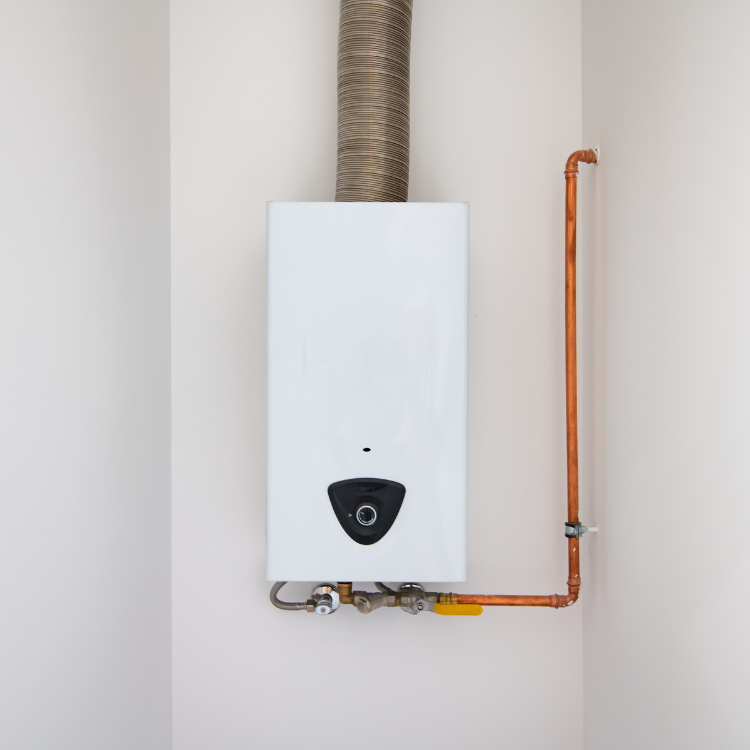
Modern Tankless Water Heater Installation often includes smart controls, diagnostics, and error codes that help technicians quickly identify issues. Regular Tankless Water Heater Maintenance can also prevent leaks caused by scale buildup or overpressure.
- Whole-Home Filtration and Softeners
Properly installed Water Filter & Softener systems reduce scale and mineral buildup, which can extend the life of your fixtures and reduce the risk of pinhole leaks in copper lines.
- Smart Leak Detectors
Standalone leak sensors placed near water heaters, under sinks, or by washing machines can alert you via app when they detect moisture—often catching small leaks before they become big problems.
A Keller homeowner who recently upgraded to a Gas Tankless Water Heater also installed a smart leak detection system tied into their main water line. Months later, the system detected a small, constant flow even when fixtures were off. A targeted inspection found a slow, hidden leak behind a guest bathroom wall. Because it was caught early, the repair was simple, and there was no mold remediation or major drywall work.
“The best leak is the one you never have—or the one you catch at a drip instead of a disaster.”
For businesses in Keller—like salons, gyms, or medical offices—investing in smart monitoring can help avoid disruptions, property damage, and liability issues tied to water leaks.
CALLOUT: Combining modern leak detection tools with efficient fixtures and systems gives you a far more resilient plumbing setup—one that’s easier to monitor, maintain, and repair.
Minimizing Damage and Downtime: Why Technique Still Matters
Even the best technology is only as effective as the person using it. The real advantage comes when experienced plumbers pair advanced tools with sound diagnostic processes and thoughtful repair strategies.
A Strategic Approach to Leak Location and Repair
A tech-forward plumber in Keller should:
- Start with non-invasive testing before opening walls, ceilings, or slabs.
- Use multiple tools (acoustic, thermal, pressure testing) to confirm findings.
- Explain the findings clearly, including options and likely outcomes.
- Coordinate repairs to minimize disruption to your home or business.
For example, a local retail shop noticed a damp spot in a stock room. Instead of immediately cutting open walls, technicians performed pressure tests on the domestic water lines, then used acoustic listening to narrow the search. Once they confirmed the leak location, a small section of drywall was removed, the bad section of pipe was replaced, and the wall was patched. The shop stayed open the entire time.
In many cases, leak detection is just the first step. Follow-up services might include:
- General Plumbing Repairs for fixtures, valves, and visible lines
- Piping & Repiping for aging or failing systems
- Emergency Leak Detection Service when water is actively flowing or causing damage
What This Means for Businesses in Keller, TX
For Keller businesses—whether you run a restaurant off Keller Parkway, manage an office near Old Town, or operate a warehouse along 1709—the impact of plumbing issues can be significant. Water leaks and sewer problems don’t just damage property; they disrupt operations, impact customer experience, and can even create health or safety issues.
Technology-driven leak detection offers several key advantages for local businesses:
- Faster Diagnosis, Less Downtime
Advanced tools help pinpoint the problem quickly, so repairs can be scheduled during off-hours or planned around business needs.
- Targeted Repairs, Lower Costs
Knowing exactly where the issue is allows for surgical repairs instead of large-scale demolition. That translates to less time closed and lower restoration costs.
- Regulatory and Health Compliance
For food service, healthcare, and childcare facilities, quick response to Clogged Drain Repair, sewer backups, or Water Heater Repair is critical for meeting health codes and inspection standards.
- Protection of Brand and Reputation
Customers remember overflowing restrooms, foul odors, or closed signs due to “plumbing issues.” Proactive leak detection and maintenance help you avoid those situations.
Keller’s growth means more buildings, more infrastructure, and more demand on existing systems. As traffic and development increase, so does the strain on water and sewer lines. Investing in modern leak location and maintenance isn’t a luxury—it’s part of doing business responsibly in a fast-growing community.
Frequently Asked Questions
Q: How do I know if I need professional leak detection or just a simple plumbing repair?
A: If you can see the source of the problem—a dripping faucet, a visible pipe leak under a sink—standard General Plumbing Repairs may be enough. You likely need Leak Detection when symptoms don’t match anything visible: unexplained high water bills, running water sounds in walls, warm spots on floors, or recurring wet areas with no obvious source. In Keller homes on slabs, subtle signs like slightly damp baseboards or minor foundation cracks can also point to hidden leaks. A professional can perform pressure tests and use acoustic or thermal tools to determine whether a full leak location service is warranted.
Q: Is non-destructive slab leak detection really possible in a concrete slab home?
A: Yes—up to a point. Non-Destructive Slab Leak Detection uses acoustic listening, thermal imaging, and Slab Leak Detection Service methods to pinpoint the likely location of a leak under concrete without immediately cutting into the slab. While a small access opening is usually required to complete the Slab Leak Repair, these tools dramatically reduce how much concrete needs to be removed. In Keller, where many homes have decorative flooring or built-ins, this precision makes a huge difference in both cost and how long your home is disrupted.
Q: How much does high-tech leak detection cost compared to traditional methods?
A: The diagnostic portion of Hidden Water Leak Detection may cost more upfront than a simple visual inspection or basic “search and cut” approach. However, in Keller’s slab homes and commercial buildings, the savings usually come from avoiding unnecessary demolition, reducing repair scope, and preventing ongoing damage. For example, accurately locating a Concrete Slab Leak can mean opening a 2′ x 2′ area instead of breaking up an entire room. A reputable plumber will explain your options and provide estimates for both diagnosis and repair so you can make an informed decision.
Q: Can leak detection help with sewer and drain issues, or is it just for water lines?
A: Modern leak detection absolutely applies to drains and sewers. Video inspections are a key part of Main Drain Line Repair and Drain Cleaning Services. They allow technicians to see cracks, roots, or collapsed sections inside the pipe. Combined with Hydro Jet Drain Cleaning, this technology helps clear blockages and verify that the line is in good condition afterward. For Keller properties with trees or older clay or cast-iron lines, camera inspections are often the difference between a quick fix and repeated emergency calls.
Q: Do smart water systems and tankless heaters actually reduce the risk of leaks?
A: They can, when installed and maintained properly. Tankless Water Heater Service units have fewer large storage components that can rupture, and they often include diagnostics that alert you to issues early. Paired with Water Filter & Softener systems, they can reduce scale buildup that leads to premature failure. Smart leak detectors installed near water heaters, laundry areas, and under sinks provide another layer of protection, sending alerts before small leaks become major events. In Keller, where hard water is common, these upgrades can help extend the life of your plumbing and reduce unexpected failures.
Q: What should I do if I suspect a leak but can’t see any signs of water?
A: Start by checking your water meter with all fixtures and appliances turned off. If the meter is still moving, you likely have a hidden leak. Listen for faint running water sounds in quiet areas, and pay attention to changes in water pressure or hot water availability. Then, call a plumber who offers Emergency Leak Detection Service and Water Leak Detection. In Keller, catching a leak early is especially important because of how quickly moisture can affect clay soils and foundations. Avoid tearing into walls or slabs yourself; professional tools and techniques will almost always result in less damage and a more accurate diagnosis.
Q: How does leak detection integrate with other plumbing services I might need?
A: Leak detection is often the “front end” of a broader solution. Once the source is found, your plumber might recommend Drain Pipe Repair, fixture replacement, Toilet Repair & Installation, or targeted repiping if your system is aging. For gas-related issues, Gas Line Installation and repair may also come into play. The goal is to not only fix the immediate problem but also address underlying conditions—like corroded piping or high pressure—that could lead to future leaks. A good provider will use the data gathered during detection to recommend the most effective long-term solution.
Ready to Get Started?
Hidden leaks rarely stay small. In Keller’s climate and soil conditions, a slow under-slab leak can quickly turn into foundation movement, warped flooring, or mold growth. For businesses, a drain or sewer issue can shut down operations at the worst possible time. Acting early—especially when you have access to modern leak detection technology—can dramatically reduce both the cost and the stress of repairs.
If you’re seeing signs like unexplained high water bills, recurring damp spots, musty odors, or frequent drain backups, it’s time to bring in a team that combines advanced tools with local expertise. All Source Plumbing offers comprehensive Leak Location Service, Slab Leak Plumbing Repair, Sewer Drain Repair, and more—tailored to the needs of Keller homes and businesses.
Schedule an assessment, ask questions about the diagnostic process, and get a clear plan for both detection and repair. The sooner you start, the more options you’ll have—and the easier it will be to protect your property, your budget, and your peace of mind.
About All Source Plumbing
All Source Plumbing is a locally focused plumbing company serving Keller, TX and surrounding communities throughout North Texas. With years of hands-on experience in Residential Leak Detection, slab leaks, sewer diagnostics, and full-service repairs, the team combines advanced technology with a practical, customer-first approach. From Water Heater Repair & Installation to complex Piping & Repiping projects, All Source Plumbing is committed to accurate diagnostics, honest recommendations, and high-quality workmanship for Keller homeowners and businesses alike.