
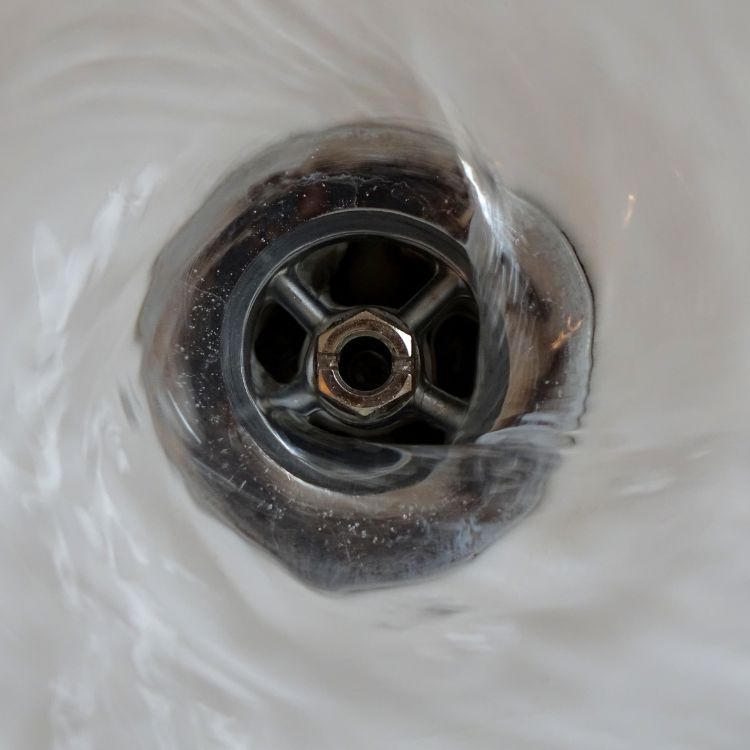
Most homeowners only pay attention to their drains when something dramatic happens: a sink that refuses to empty, a toilet backing up, or a foul smell filling the kitchen. Until that moment, slow drains, occasional gurgling, or minor odours are brushed off as annoyances instead of early warning signs. This is where people get it wrong about the importance of timely drain repair. What looks like a small inconvenience is often the visible tip of a much larger problem developing out of sight in your pipes, and delaying repairs can quietly multiply the cost, complexity, and disruption of fixing it.
Another common misconception is that store-bought drain cleaners are a sufficient solution for most issues. Many people believe that as long as water eventually goes down after using a chemical cleaner, the problem is solved. In reality, these quick fixes often corrode pipes, mask underlying issues like partial blockages or pipe misalignment, and push debris deeper into the system instead of removing it. By the time a full blockage or leak becomes obvious, you may be facing water damage, mould growth, or even structural issues that could have been avoided with timely drain repair.
Timely drain repair is not just about convenience; it is about protecting your home, your health, and your finances. A well-maintained drainage system helps prevent unexpected emergencies, preserves the lifespan of your plumbing, and keeps your living spaces clean and hygienic. Whether it is a clogged kitchen sink, a slow shower drain, or recurring toilet issues, acting early allows a professional to identify the root cause, make targeted repairs, and restore proper flow before it turns into a major and costly disruption.
Hidden Risks Of Ignoring Drains
When drains are functioning poorly, the first thing you notice is usually surface-level: standing water in sinks, slow-draining bathtubs, or strange noises from pipes. What you do not see is the build-up of grease, hair, soap scum, food particles, mineral deposits, and other debris accumulating inside the pipes. Over time, this build-up narrows the passageway, increasing pressure behind the blockage and putting strain on joints, seals, and connections. A minor slow drain can evolve into a complete blockage, pipe rupture, or backflow event if left unaddressed.
There is also a very real health component. Stagnant water and partially blocked drains create an ideal environment for bacteria, mould, and unpleasant odours. These contaminants can travel through the air, affecting indoor air quality, and in some cases, they can make their way back into sinks, showers, and toilets. Families with children, elderly residents, or individuals with respiratory conditions are particularly vulnerable to the health effects of poor drainage, making timely drain repair a key part of maintaining a safe home environment.
In some cases, drainage problems extend beyond the interior of the home. Tree roots can penetrate underground pipes in search of moisture, small cracks can widen under pressure, and misaligned sections of pipe can allow soil and debris to enter. What starts as a small, occasional backup can lead to saturated soil around your foundation, erosion, or even damage to driveways and landscaping. These larger issues are often far more expensive to repair than a simple, early intervention by a qualified professional when the first warning signs appear.
Why Acting Early Saves Money
From a financial perspective, timely drain repair is one of the smartest home maintenance decisions you can make. A small blockage or minor leak is generally straightforward to diagnose and fix. A plumber can use tools like drain snakes or camera inspections to locate the issue and clear or repair it quickly. The cost at this stage is usually modest compared to the potential consequences of delaying action, which often include emergency call-outs, extensive labour, and restoration work.
When drainage problems are ignored, they tend to escalate in both scope and cost. A simple clog can turn into a severe blockage that causes wastewater to back up into sinks, tubs, or basements. Cleaning and sanitising contaminated areas, replacing damaged flooring or drywall, and dealing with insurance claims can be far more expensive than the original repair would have been. In some cases, long-term neglect can damage pipes to the point that sections of the system must be replaced entirely, which may involve digging, breaking concrete, or opening walls.
There is also the issue of indirect costs. Slow drains and recurring clogs waste time and create daily frustration. Frequent use of chemical cleaners, temporary gadgets, or DIY fixes adds up over time without solving the underlying issue. In rental properties, unresolved drainage problems can lead to complaints, higher turnover, and even legal disputes if health and safety standards are not met. By investing in timely professional drain repair, you avoid these cascading expenses and protect the overall value and usability of the property.
Protecting Your Home’s Structure
Many people do not realise how closely the drainage system is tied to the structural integrity of the home. When drains and sewer lines are compromised, water can escape into areas that were never meant to be wet. Leaks inside walls can soak insulation, studs, and drywall, creating ideal conditions for mould growth and wood rot. Over time, this can weaken structural components, requiring extensive repairs that go far beyond simple plumbing work.
Below ground, damaged or leaking pipes can cause soil to shift or wash away. This can lead to settling or cracking in foundations, uneven floors, or movement in retaining walls and driveways. Once structural issues develop, repairs become complex and often require coordination between plumbers, engineers, and construction professionals. Timely drain repair, including early detection of leaks and cracks, is a critical preventive measure that helps avoid these serious and expensive structural consequences.
Basements and crawl spaces are particularly vulnerable when drainage systems fail. Wastewater or excess moisture can accumulate in these low areas, contributing to musty odours, rust on metal components, and long-term damage to stored items. In extreme cases, flooding from blocked or broken drains can destroy flooring, electrical systems, and HVAC equipment. Addressing drainage issues as soon as they arise significantly reduces the likelihood of these high-impact events and helps maintain a dry, stable, and healthy home environment.
Health, Hygiene, And Comfort
A properly functioning drainage system quietly supports the hygiene and comfort of your household every single day. When you wash dishes, take a shower, or flush a toilet, you rely on drains to remove wastewater efficiently and safely. When drains are compromised, that basic function is disrupted, and the impact on daily life can be surprisingly significant. Bad smells, gurgling noises, and visible backups are not just unpleasant; they are signals that wastewater is not being carried away as it should be.
Stagnant water and organic matter trapped in pipes are breeding grounds for bacteria and other microorganisms. As these grow and multiply, they can release gases that travel back through the drains and into your home. Over time, these odours can permeate fabrics, furnishings, and even walls, making it difficult to restore a fresh, clean environment without addressing the underlying drainage issues. Timely drain repair removes the conditions that allow these problems to develop, helping keep your home smelling and feeling clean.
There is also the psychological comfort of knowing that your plumbing system is reliable. Few things are more disruptive than discovering a blocked toilet or overflowing sink when you have guests, are getting ready for work, or are trying to relax. By responding quickly to early signs of trouble, you reduce the risk of embarrassing or stressful situations and maintain a sense of control over your home environment. In this way, timely drain repair contributes not only to physical health but also to peace of mind.
How Professionals Diagnose Drain Problems
One of the advantages of calling a professional early is access to specialised tools and expertise that go beyond what typical DIY methods can provide. Modern drain repair often begins with an inspection using cameras that are fed into the pipes. These cameras allow the technician to see exactly what is happening inside the system: the location of blockages, the presence of cracks, misaligned joints, tree root intrusion, or buildup on the pipe walls. This precise information makes it possible to target the repair instead of guessing.
Once the issue is identified, professionals can choose the most appropriate method to restore proper function. For simple clogs, mechanical tools like drain snakes or augers can break up and remove the obstruction. For more stubborn or widespread buildup, techniques such as high-pressure water jetting may be used to scour the interior of the pipes, removing grease, scale, and debris without harsh chemicals. In the case of damaged or collapsed pipes, more advanced solutions like pipe relining or partial replacement may be recommended.
Timely intervention also gives you more options. When problems are discovered early, non-invasive methods can often be used, reducing the need for excavation or demolition. This not only saves time and money but also preserves landscaping, flooring, and finishes. By contrast, waiting until a pipe fails or a major backup occurs often forces more disruptive and costly repairs. Early professional diagnosis and repair is a proactive way to keep your drainage system in good working order with minimal impact on your home.
Simple Habits To Prevent Future Issues
Timely drain repair goes hand in hand with good everyday habits that reduce the likelihood of problems in the first place. In the kitchen, avoiding pouring fats, oils, and grease down the sink is one of the most effective steps you can take. These substances may go down as a liquid, but they solidify inside the pipes, trapping food particles and leading to stubborn clogs. Using sink strainers to catch food scraps and disposing of them in the trash or compost also helps keep drains clear.
In bathrooms, being mindful of what goes down the drain is equally important. Hair, soap scum, wipes, cotton products, and hygiene items are common culprits in blockages. Even products labelled as “flushable” can cause issues because they do not break down as quickly as toilet paper. Installing simple hair catchers in showers and tubs, and limiting what is flushed, can dramatically reduce the strain on your drainage system and minimise the need for repairs.
Regular professional maintenance can complement these habits. Periodic inspections, cleaning, and minor adjustments help catch small issues before they turn into major problems. This proactive approach extends the life of your plumbing, keeps drains flowing smoothly, and ensures that any necessary repairs are handled at the earliest, least disruptive stage. For more information about professional services, you can visit null for guidance and support.
Frequently Asked Questions
How do I know if I need drain repair or just cleaning? While both involve improving the function of your drains, repair is usually needed when there is damage, persistent problems, or underlying issues beyond simple buildup. If you experience recurring clogs in the same fixture, gurgling sounds, foul odours, or water backing up into unexpected areas, it may indicate a deeper problem such as cracked pipes, misalignment, or root intrusion. A professional can inspect the system, often with a camera, to determine whether a thorough cleaning is sufficient or if specific repairs are necessary.
Are chemical drain cleaners safe for my pipes? Many over-the-counter chemical drain cleaners are harsh and can damage your plumbing over time, especially in older homes with metal or fragile pipes. These products generate heat and corrosive reactions that may temporarily clear a blockage but also weaken pipe walls, joints, and seals. They can also be hazardous to handle and harmful to the environment. In most cases, mechanical or professional cleaning methods are safer, more effective, and less likely to cause long-term damage, making them a better choice for maintaining your drains.
How quickly should I act on a slow drain? A slow drain is one of the earliest and most important warning signs that something is wrong. You should not ignore it or wait until the drain stops working completely. Acting quickly allows simple solutions, such as clearing minor buildup or adjusting a trap, to restore normal flow without major intervention. If multiple drains are slow at the same time, it may indicate a more serious issue in the main line, and you should contact a professional promptly to prevent a complete blockage or backup.
Can I handle drain repairs myself? Some minor issues, such as clearing visible debris from a sink strainer or using a basic plunger, are reasonable DIY tasks. However, more complex problems involving persistent clogs, bad smells, repeated backups, or any signs of leaks are best left to professionals. Attempting to disassemble pipes, use heavy-duty equipment, or apply strong chemicals without proper knowledge can worsen the situation, cause damage, or create safety hazards. Professional drain repair ensures the problem is correctly diagnosed and resolved with the right tools and techniques.
How often should I have my drains inspected? The ideal frequency depends on the age of your home, the condition of your plumbing, and how heavily the system is used. As a general guideline, many homeowners benefit from a professional inspection and cleaning every one to two years, particularly if they have experienced issues in the past. Properties with large households, older pipes, or extensive tree roots nearby may need more frequent attention. Regular inspections help catch small problems early, keep drains flowing efficiently, and reduce the likelihood of costly emergency repairs.