
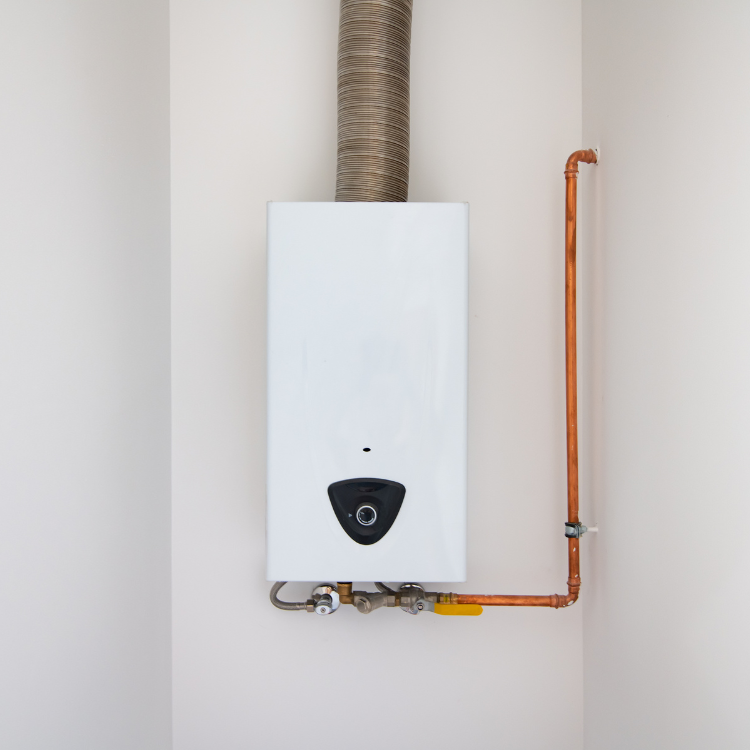
Tankless Water Heater Repair: Key Considerations
On a chilly North Texas morning, there’s nothing quite like stepping into a hot shower—until your tankless water heater suddenly flashes an error code and the water turns cold. Homeowners and businesses in Keller, TX are relying on tankless systems more than ever, but many are surprised by how different they are from traditional water heaters when something goes wrong.
Industry data shows tankless systems can last 20+ years, but only with proper maintenance and timely repairs. At the same time, improper work on gas-fired units is one of the leading causes of residential carbon monoxide incidents nationwide. That’s why understanding how these systems work—and what to watch for—is so important.
In this guide, you’ll learn the key considerations for tankless water heater repair, how to recognize early warning signs, what affects repair vs. replacement decisions, and how professional diagnostics tie into the rest of your plumbing system. You’ll also see real examples from homes and businesses around Keller, plus practical tips to protect your investment and your hot water supply.
Key Insight: A tankless water heater is not just an appliance—it’s a core part of your plumbing system. Smart repair decisions depend on accurate diagnosis, proper installation, and a clear understanding of long-term costs vs. benefits.
Understanding How Tankless Water Heaters Really Work (and Why That Matters for Repairs)
Tankless water heaters don’t store hot water; they heat it on demand as it flows through the unit. That simple difference changes everything about how they fail, how they’re repaired, and what you should expect from them.
Inside a typical gas tankless water heater, a flow sensor detects when you open a hot tap, then signals the burner to fire and heat a compact heat exchanger. For an electric tankless unit, powerful heating elements do the work instead. If any of those components are dirty, scaled up, undersized, or incorrectly installed, you’ll feel it right away as fluctuating temperatures, error codes, or no hot water at all.
In Keller and the surrounding Tarrant County area, hard water is a major factor. Mineral buildup (scale) in a heat exchanger can reduce efficiency and trigger frequent shutdowns. Homeowners who pair a tankless system with proper Water Filter Softener Repair Installation often see far fewer issues and longer system life.
A recent Keller homeowner called because their relatively new tankless system kept shutting off mid-shower. The problem wasn’t the heater itself—it was a partially clogged inlet screen and an undersized gas line that couldn’t supply enough fuel when multiple fixtures were running. Once the fuel supply was corrected and the unit cleaned, the “mystery” problem disappeared.
“Most tankless repairs are really about the system around the heater—water quality, gas sizing, venting—not just the box on the wall.” — All Source Plumbing Technician
CALLOUT: Understanding how your tankless system interacts with gas, water quality, and venting helps you avoid repeat problems and unnecessary part replacements.
Common Tankless Water Heater Problems in Keller Homes and Businesses
While tankless units are known for reliability, certain issues show up again and again in Keller, especially in older homes or retrofits where the system wasn’t originally designed for tankless.
Frequent issues you might see
- Fluctuating water temperature (hot-cold-hot “yo-yo” effect)
- Error codes related to ignition, flame failure, or flow
- Reduced hot water output when multiple fixtures are running
- Unit won’t turn on or shuts down randomly
- Unusual noises—whistling, rumbling, or clicking
Hard water and older plumbing are common culprits. Scale in the heat exchanger or blocked filters reduce flow and heat transfer. Corroded or partially blocked lines can starve the unit of water or gas, while poor venting can cause safety shutoffs.
One Keller restaurant owner called with an “urgent” problem: no hot water for dishwashing right before a weekend rush. Their commercial gas tankless water heater was repeatedly locking out. Our tech performed full Water Sewer Gas Diagnostics and found a combination of low gas pressure and heavy scale. A thorough descaling, cleaning, and gas pressure correction brought the unit back online the same day—saving them from closing their kitchen.
“If your tankless heater is shutting off, it’s telling you something. Ignoring it usually turns a small repair into a bigger one.”
Because tankless systems are integrated with your overall plumbing, we often uncover related issues—like the early stages of a hidden leak or drain restriction—during a repair visit. That’s where services like Leak Location Repair or targeted Drain Cleaning Services can prevent a hot water problem from turning into water damage or sewer backups.
Repair vs. Replacement: How to Decide What’s Best for Your Tankless System
One of the biggest questions homeowners in Keller ask is whether it’s worth repairing an older tankless water heater or if they should plan for a full replacement. The answer depends on several factors: age, condition, maintenance history, and the specific failure.
Key considerations
- Age of the unit – Many tankless heaters last 15–20 years with proper care. If yours is under 10 years old and has been maintained, repair is often the smart move.
- Type of failure – Minor parts (sensors, valves, igniters) are typically cost-effective to replace. A cracked heat exchanger or severe corrosion may point toward replacement.
- Maintenance history – Units that have never been flushed or descaled often have multiple issues at once.
- Energy efficiency – Newer models may offer higher efficiency and better performance, which can matter for larger homes or businesses.
Here’s a simplified comparison to help frame the decision:
| Scenario | Typical Recommendation | Notes for Keller, TX |
|---|---|---|
| Unit under 8 years, minor error code | Targeted repair & maintenance | Especially if you’ve done regular Tankless Water Heater Maintenance |
| 10–15 years, multiple component failures | Case-by-case evaluation | Balance repair cost vs. upgraded Tankless Water Heater Replacement |
| Severe heat exchanger damage | Replacement | Often more cost-effective than major rebuild |
| Improper original installation | Correct install or replace | New gas/venting can dramatically improve reliability |
A Keller family in a 20-year-old home recently called about their tankless unit that “worked, but barely.” After inspection, we found a heavily scaled heat exchanger, outdated controls, and recurring ignition issues. The estimated cost to bring it back to strong condition was close to the cost of a new, higher-efficiency model. They chose replacement, and we upgraded their gas line and installed a small pre-filter. Their hot water is now consistent at all fixtures—even when the washer and showers run at the same time.
CALLOUT: A good technician won’t just quote parts; they’ll walk you through long-term performance, running costs, and the impact on your entire plumbing system.
The Critical Role of Professional Diagnostics and Leak Detection
Tankless problems are often symptoms of deeper plumbing issues. Low water pressure, inconsistent flow, or hidden leaks can all affect how your system performs. That’s where professional diagnostics and leak detection come into play.
In Keller, we frequently see older homes with original copper lines beneath concrete slabs. A subtle pressure drop can cause some tankless models to behave unpredictably—short cycling, showing flow errors, or taking longer to deliver hot water. In one case off North Tarrant Parkway, a homeowner thought their tankless heater was failing. Instead, we discovered a small under-slab leak via Slab Leak Location Repair that was pulling pressure away from the unit.
Accurate Leak Detection and hydro-static testing can uncover:
- Hidden Water Leak Detection behind walls or under slabs
- Early-stage Slab Leak Detection Service that hasn’t yet shown on your floor or walls
- Issues with main water lines that affect flow to your tankless heater
- Foundation-related plumbing problems that can stress your system
“Fixing the heater without fixing the leak is like topping off a tire with a nail in it—you’ll be right back where you started.” — All Source Plumbing Technician
By pairing tankless repair with thorough diagnostics, you’re not just solving the immediate hot water problem; you’re protecting your foundation, your water bills, and the rest of your plumbing network.
Installation Quality: The Hidden Factor Behind Many “Repair” Calls
Many tankless water heater “repairs” in Keller are actually corrections of poor or incomplete installations. Unlike a simple tank swap, a proper Tankless Water Heater Installation requires careful attention to:
- Gas line sizing and pressure (for gas tankless units)
- Electrical capacity (for electric tankless units)
- Venting requirements and clearances
- Water quality management (filters, softeners, flush valves)
- Drainage for condensate on high-efficiency systems
We recently visited a Keller homeowner whose gas tankless unit was installed by a “handyman” service. The water connections looked fine, but the gas line was undersized and shared with a furnace without proper calculation. During peak winter use, both appliances competed for gas, causing the water heater to shut down intermittently. After upgrading the gas line and verifying with Water Sewer Gas Diagnostics, the issue vanished.
Here’s how a rushed install compares with a professional one:
| Aspect | Quick, Low-Cost Install | Professional Install (Best Practice) |
|---|---|---|
| Gas/Electric Sizing | “Looks about right” | Calculated per code and manufacturer specs |
| Water Treatment | Often ignored | Evaluated; softener/filter recommended if needed |
| Venting | Minimal compliance | Designed for safety, efficiency, and noise control |
| Service Valves for Flushing | Sometimes omitted | Standard, for easy Tankless Water Heater Maintenance |
| Future Service Access | Not considered | Clearances and access planned from day one |
CALLOUT: If your tankless system has been “trouble” since day one, the root cause may be installation—not the brand or model.
Correcting a poor install can feel frustrating, but it often pays off in energy savings, reliability, and fewer emergency calls. And if your system is still relatively new, fixing these issues now can dramatically extend its lifespan.
Maintenance and Prevention: Keeping Your Tankless System Running Strong
Tankless water heaters are often marketed as “low maintenance,” but in a place with water like Keller’s, they are absolutely not “no maintenance.” Routine care is the difference between a 10-year headache and a 20-year workhorse.
Essential maintenance tasks
- Annual descaling/flushing (more often with very hard water)
- Cleaning inlet screens and filters
- Checking combustion, venting, and gas pressure (for gas tankless)
- Inspecting electrical connections and elements (for electric tankless)
- Verifying safety devices and error logs
Homeowners who combine regular tankless service with broader plumbing care—like General Plumbing Repairs, timely Drain Cleaning Services, and leak checks—tend to experience far fewer surprises.
A good example: A Keller family on the west side schedules annual tankless maintenance along with a whole-house checkup. During one of those visits, our tech noticed a slow-developing issue with their condensate drain and a small corrosion spot near a fitting. Addressing it early prevented water damage to the wall and an emergency visit months later.
“Preventive maintenance is always cheaper than reactive repairs—especially for high-performance systems like tankless heaters.”
When combined with tools like Residential Leak Detection and early Foundation Leak Detection, a maintenance plan becomes a proactive strategy for your whole home, not just your water heater.
How Tankless Repairs Connect to Your Drains, Sewer, and Overall Plumbing
It might not be obvious, but your tankless water heater doesn’t operate in isolation. The condition of your drains, sewer lines, and fixtures can all influence how your system performs day to day.
For example:
- Clogged or slow drains can cause backpressure and strange behavior at fixtures, which some homeowners mistakenly blame on the water heater. Targeted Hydro Jet Drain Cleaning or Clogged Drain Repair can restore proper flow.
- A failing main sewer line sometimes leads to backup risk; if a tankless unit is installed near floor drains or low fixtures, any overflow can damage controls. In those cases, Trenchless Sewer Replacement or Sewer Drain Repair may be part of protecting your investment.
- Aging piping can affect pressure balance, especially when multiple fixtures run. Strategic Piping Repiping can improve hot water delivery and consistency.
In one Keller remodel, a homeowner upgraded to a high-capacity gas tankless heater but kept their old galvanized piping and undersized main drain. They complained that hot water seemed “weak” at distant bathrooms and that the laundry room drain occasionally gurgled. After we evaluated the system, we recommended partial repiping and a main drain line cleaning. Once completed, the tankless system delivered strong, even hot water, and the drain noises disappeared.
CALLOUT: If your tankless repair visit uncovers issues with drains, sewer, or gas lines, it’s not “scope creep”—it’s your plumbing system telling the truth about what it needs.
By viewing your tankless heater as part of a larger ecosystem—including Fixture Repair Installation, Toilet Repair Installation, and even Gas Line Installation—you can make smarter decisions that improve both comfort and reliability.
What This Means for Businesses in Keller, TX
For Keller businesses—restaurants, salons, gyms, medical offices—reliable hot water isn’t a luxury; it’s a requirement. A failing tankless water heater can mean lost revenue, health code issues, and unhappy customers.
Local commercial spaces often have:
- Higher hot water demand
- Longer plumbing runs
- More complex gas and venting requirements
- Stricter regulatory and health standards
A salon near Keller Town Center learned this the hard way when their tankless unit went down on a Saturday. They had to cancel appointments because they couldn’t wash clients’ hair. After an emergency call, we discovered a combination of scale buildup, a failing sensor, and an undersized gas line. With proper Emergency Plumbing service, we got them back up that day—but they later opted for a maintenance agreement to prevent a repeat.
For businesses, a proactive approach matters:
- Schedule regular Tankless Water Heater Service to catch small issues early.
- Pair heater maintenance with periodic Commercial Leak Detection to protect your building and inventory.
- Evaluate your sewer and drain system with Hydro Jet Drain Cleaning if you’ve had backups or slow drains—especially in kitchens and restrooms.
- Ensure your gas lines are correctly sized and code-compliant with professional Gas Line Installation and inspection.
In a competitive local market like Keller, staying open and operating smoothly is critical. A well-maintained tankless system is part of that reliability, just like your HVAC, POS system, or security cameras.
Frequently Asked Questions
Q: How often should I service my tankless water heater in Keller, TX?
A: Most manufacturers recommend annual maintenance, but in Keller’s hard water conditions, service every 12 months is the minimum—and every 6–9 months can be wise if you don’t have a softener. A typical visit includes flushing the heat exchanger, cleaning filters, checking gas pressure or electrical connections, and verifying safe venting. If you pair your tankless service with Water Filter Softener Repair Installation and periodic Professional Leak Detection, you’ll usually see fewer breakdowns and more consistent hot water.
Q: My tankless water heater keeps shutting off—does that mean it’s failing?
A: Not necessarily. Frequent shutdowns are often the system protecting itself from low gas pressure, restricted water flow, or venting problems. In Keller, we commonly find scale buildup, dirty inlet screens, or undersized gas lines causing these symptoms. A technician can run Water Sewer Gas Diagnostics to pinpoint the issue. Sometimes a thorough cleaning and minor adjustment solves the problem; other times, correcting installation issues or addressing related plumbing (like a developing Slab Leak Detection issue) is required.
Q: How do I know if I should repair or replace my older tankless water heater?
A: Age, condition, and repair history are key. If your unit is under 10 years old and has had regular maintenance, repairs are typically cost-effective—especially if the problem is limited to one or two components. If it’s 12–15+ years old, has never been flushed, or has multiple issues (ignition problems, leaking heat exchanger, corrosion), your money may be better spent on a Tankless Water Heater Replacement. A good contractor will provide both repair and replacement options, with clear pricing and pros/cons for your specific setup.
Q: Can a plumbing leak affect how my tankless water heater works?
A: Yes. Even a small hidden leak can drop water pressure enough to cause error codes, longer wait times for hot water, or inconsistent temperatures. In Keller, under-slab leaks are a particular concern in older homes. If your heater’s performance changes suddenly and you also notice higher water bills, damp spots, or the sound of running water, it’s smart to schedule Hidden Water Leak Detection or Under Slab Leak Detection along with your tankless evaluation.
Q: Are tankless water heaters safe for older homes in Keller with older gas and drain lines?
A: They can be, but only with proper evaluation and upgrades when needed. Older gas lines may not be sized for the higher BTU demands of a modern gas tankless water heater, and aging drains can be more vulnerable to backups. Before installing or significantly upgrading a tankless system, a professional should assess your gas capacity, venting, and drain condition—sometimes recommending Gas Line Installation, Drain Repair Service, or limited Drain Line Replacement to ensure safe, reliable operation.
Q: Does a tankless water heater help if I have frequent sewer or drain issues?
A: A tankless unit itself doesn’t fix sewer or drain problems, but it can make underlying issues more noticeable because you’re paying closer attention to water usage and performance. If you’ve had repeated backups or slow drains along with hot water concerns, it’s wise to look at both systems. Services like Hydro Jet Drain Cleaning, Main Drain Line Repair, or even Trenchless Sewer Replacement may be part of a long-term solution, especially in older Keller neighborhoods.
Q: Can I flush or repair my tankless water heater myself?
A: Some homeowners are comfortable doing basic flushing if service valves are installed and the manufacturer’s instructions are followed carefully. However, many issues—like combustion tuning, gas pressure problems, electrical diagnostics, or Foundation Leak Detection—are not DIY-friendly and can be dangerous if handled incorrectly. For Keller homes with gas tankless units, we strongly recommend professional service, especially if you notice error codes, odd smells, or any signs of water or gas leaks.
Ready to Get Started?
If your tankless water heater is acting up—or you’d simply rather avoid that surprise cold shower—this is the ideal time to act. North Texas water is hard, summers are demanding on plumbing systems, and small issues rarely stay small for long. A focused service visit today can prevent emergency calls, water damage, or premature replacement down the road.
All Source Plumbing offers complete Tankless Water Heater Repair, maintenance, and installation services throughout Keller and the surrounding communities. We can also pair your visit with targeted Leak Detection Near Me, Drain Repair Service, or Water Filter Softener Repair Installation if we spot related issues.
You don’t have to guess what’s wrong or hope the problem goes away on its own. Schedule a visit, get a clear diagnosis, and choose a repair or replacement plan that fits your home, your budget, and your long-term plans in Keller.
About All Source Plumbing
All Source Plumbing is a locally owned and operated plumbing company serving Keller, TX and nearby communities. Our licensed technicians specialize in tankless water heaters, Water Heater Repair Installation, Slab Leak Plumbing Repair, and full-service residential and commercial plumbing. With years of hands-on experience in North Texas homes and businesses, we focus on accurate diagnosis, code-compliant work, and long-term solutions—backed by a reputation built right here in the Keller area. Learn more about our services at allsourcetxplumbing.com.