
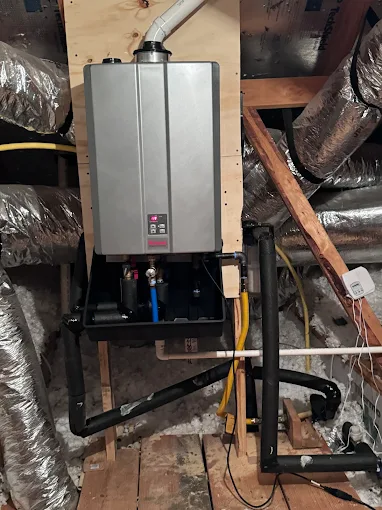
Tankless Water Heater Repair: Common Issues Explained
If you live or run a business in Keller, TX, there’s a good chance you’ve either installed a tankless water heater or thought about it. North Texas homeowners appreciate endless hot water, smaller equipment footprints, and better energy efficiency—especially as utility costs have climbed over the last decade. But even the best gas or electric tankless units can develop issues over time, and when they do, it can disrupt your whole routine.
From lukewarm showers before work to a restaurant kitchen suddenly losing hot water during a dinner rush, tankless problems rarely happen at a convenient time. Industry data shows that many tankless water heater failures are preventable with proper maintenance and early repair, yet a large number of systems in Texas are serviced only when something breaks.
This guide walks you through the most common tankless water heater repair issues, how to spot them early, and when to call a professional in Keller. You’ll also learn how tankless problems can connect to larger plumbing issues like Leak Detection or drain restrictions—and what to do to protect your home or business.
Key Insight: Understanding how your tankless system behaves when something’s wrong can save you money, prevent water damage, and extend the life of your equipment.
1. No Hot Water at All: Where Diagnosis Should Start
Few things are more frustrating than turning on the tap and getting cold water from a tankless system you rely on every day. When a tankless water heater stops heating altogether, the problem is usually one of a few key issues: fuel, power, flow, or internal safety shutdown.
Common causes of “no hot water”
For gas tankless water heaters:
- Ignition failure (spark or flame sensor problem)
- Gas supply issues or incorrect gas pressure
- Blocked exhaust or intake causing safety lockout
For electric tankless water heaters:
- Tripped breaker or faulty wiring
- Failed heating elements
- Internal control board failure
Modern tankless systems are designed with sophisticated safety controls. If they sense something off—poor combustion, blocked venting, or overheating—they’ll often refuse to fire. You may see an error code on the display or hear the unit clicking repeatedly without ignition.
“If your tankless system is trying to light but keeps shutting down, that’s the unit protecting you from a bigger problem.” — Licensed Plumbing Technician, Keller, TX
Real Keller example
A homeowner off Keller Parkway called because their gas tankless heater had gone completely cold overnight. The display showed an ignition error code, and they had already checked their breaker. Our technician found a partial blockage in the intake side of the venting, caused by debris and a poorly sealed exterior termination. The heater was starved for air and went into safety shutdown. After clearing and properly sealing the vent, the system fired normally and passed all combustion checks.
When “no hot water” points to bigger issues
Sometimes a tankless system that won’t run is a symptom, not the root cause. For instance:
- A gas supply problem could be related to older gas lines that also need attention.
- A power issue might indicate wiring concerns elsewhere in the home.
- A unit that repeatedly overheats may be struggling with scale buildup, or with restricted flow from partially clogged lines.
In some cases, confirming that the problem isn’t related to hidden leaks or water line damage may involve professional Water Leak Detection or system diagnostics.
CALLOUT: If your tankless heater suddenly stops producing hot water, avoid repeated resets. Persistent error codes are telling you something important—call a professional before you cause more damage.
2. Lukewarm or Fluctuating Temperatures: The “Hot-Cold-Hot” Problem
Few tankless issues generate more complaints than inconsistent temperatures. One shower is perfect, and the next day it’s swinging from hot to cold or only lukewarm. In Keller homes and businesses, this is one of the most common service calls we see.
Why tankless heaters struggle with consistency
Tankless units heat water on demand as it passes through the heat exchanger. That means:
- They require a minimum flow rate to activate.
- They must be properly sized for the home’s peak usage.
- They rely on clean, unobstructed heat exchangers to transfer heat efficiently.
When any of these conditions isn’t met, you might notice:
- Short bursts of hot water followed by cool
- Lukewarm water when multiple fixtures run at once
- Delayed heating or “cold-water sandwich” effects
A frequent culprit in Keller and surrounding areas is mineral buildup. Our water here tends to be moderately hard, and without regular Water Filter & Softener maintenance or descaling, the heat exchanger can get coated with scale. That reduces heat transfer and forces the unit to work harder, often with worse results.
Local case: fluctuating temps in a Keller cul-de-sac
In a newer Keller subdivision, a family noticed their shower temps fluctuating whenever the dishwasher ran. Their tankless heater was properly sized on paper, but the installer had not accounted for real-world usage patterns. Our tech measured actual flow rates and temperature rise requirements and found the unit was operating near its maximum capacity during normal family routines.
We adjusted temperature settings, corrected a partially restricted inlet filter, and recommended minor fixture upgrades to improve flow balance. In addition, we scheduled annual Tankless Water Heater Maintenance to keep scale from becoming a recurring issue.
“Temperature swings are often a combination of sizing, flow, and maintenance—not just a ‘bad’ heater.” — Senior Service Plumber, Tarrant County
When to worry
- Fluctuations that appear suddenly after years of stable performance
- Lukewarm water even at a single fixture
- Error codes related to inlet temperature, flow, or overheating
These signals suggest it’s time for a full system check, including filters, strainers, and potentially even Drain Cleaning Services if back-pressure or slow drains are affecting overall performance.
3. Error Codes, Strange Noises, and Warning Signs You Shouldn’t Ignore
Most tankless water heaters installed in Keller today have digital displays or indicator lights. Those blinking codes and odd sounds may seem mysterious, but they’re your first line of defense against serious failures.
Common error indications
While each brand has its own code system, many errors fall into similar categories:
- Ignition/combustion issues – poor gas pressure, dirty burners, or venting problems
- Overheating – scale buildup, restricted flow, or failing temperature sensors
- Exhaust/air supply issues – blocked intake or flue
- Water flow problems – clogged inlet screens, failing flow sensors, or upstream obstructions
You might also hear:
- Clicking or repeated ignition attempts
- Whistling or roaring from the burner area
- Rumbling, popping, or “kettling” sounds from the heat exchanger
These noises can be early signs of scale buildup, partial blockages, or failing components.
“Tankless error codes are like a check-engine light. You can ignore them for a while, but it’ll cost more in the long run.” — Master Plumber, North Texas
Example from a Keller restaurant
A Keller restaurant near Old Town called about intermittent hot water loss during peak hours. Their tankless systems were displaying combustion-related error codes and making a low roaring sound. Inspection revealed partially blocked intake vents on the roof and burners coated with debris and scale.
We cleaned the burners, cleared and secured the vent terminations, and performed a full descaling. The immediate benefit was restored hot water, but there was also a long-term gain: improved efficiency and reduced gas consumption.
Why professional diagnostics matter
Many error codes overlap in their causes. Homeowners sometimes attempt DIY fixes based on online forums, but misdiagnosis can lead to:
- Damage to sensitive control boards
- Unsafe gas or exhaust conditions
- Voided manufacturer warranties
In complex situations, it may be wise to pair tankless diagnostics with broader Water, Sewer & Gas Diagnostics to make sure you’re not missing a bigger plumbing or gas supply problem.
CALLOUT: If your tankless unit is showing persistent error codes or making new noises, schedule a professional inspection before the issue escalates into a full breakdown.
4. Scale, Sediment, and North Texas Water: The Hidden Tankless Killer
Keller, TX and much of Tarrant County deal with water that’s moderately hard. That means dissolved minerals—primarily calcium and magnesium—are constantly moving through your plumbing system. Over time, those minerals can wreak havoc on any water heater, especially high-efficiency tankless systems.
How mineral buildup affects tankless systems
Inside a tankless heater, water flows through narrow passages in the heat exchanger. When minerals deposit on these surfaces, you get:
- Reduced heat transfer (water doesn’t get as hot)
- Higher operating temperatures inside the unit
- Increased risk of overheating and error codes
- Louder operation and “kettling” noises
In severe cases, scale can clog the heat exchanger enough to cause serious damage or complete failure, leading to a costly Tankless Water Heater Replacement rather than a simple repair.
Local example: premature failure from scale
A Keller homeowner with a relatively new gas tankless heater (just five years old) called because of constant error codes and reduced hot water output. They had never flushed or descaled the unit. When our technician opened it up, the heat exchanger was heavily scaled, and flow passages were partially blocked.
We performed a chemical descaling and restored performance, but the lifespan of the unit had likely been shortened. The manufacturer’s maintenance schedule recommended annual descaling for their water conditions—something many homeowners aren’t told at installation.
“In North Texas, skipping annual tankless maintenance is like never changing the oil in your car.” — Service Manager, Keller, TX
Protecting your system and your plumbing
To combat scale and sediment issues, we often recommend:
- Annual or biannual professional descaling
- Checking and cleaning inlet strainers and filters
- Considering a whole-home Water Filter & Softener system
- Verifying that isolation valves were installed for easy maintenance
In homes with known slab issues or older pipes, it can also be wise to pair tankless maintenance with Slab Leak Detection services to ensure that pressure and flow problems aren’t being caused by hidden leaks under the foundation.
5. Leaks, Corrosion, and When a Tankless Issue Signals Something Bigger
Tankless water heaters are often praised for reducing the risk of catastrophic tank ruptures, but they’re not immune to leaks. In fact, when a tankless unit develops a leak, it can be a sign of more widespread plumbing concerns.
Common tankless leak points
- Connections at hot and cold water lines
- Internal seals and gaskets around the heat exchanger
- Pressure relief valves and drain connections
- Condensate lines on high-efficiency units
A small drip inside or below the unit may not look serious at first, but over time it can cause:
- Corrosion on fittings and internal parts
- Electrical damage to sensitive components
- Staining or damage to walls and flooring
In slab-on-grade homes around Keller (which is most of them), even a minor, unnoticed leak can also interact with existing foundation or slab issues.
When a leak isn’t just a leak
We were called to a Keller home near Bear Creek Park where the homeowner noticed dampness on a wall near the tankless unit. They assumed the water heater was leaking. After a thorough inspection, we found only minor seepage from a connection at the heater—but moisture readings in the slab were elevated in a wider area.
Using our Leak Location Service and Slab Leak Detection tools, we identified a separate under-slab hot water line leak a few feet away. The tankless moisture issue had actually helped expose a more serious foundation-related leak.
“Any moisture around a tankless heater in a slab home deserves a closer look—don’t just tighten a fitting and move on.” — Leak Detection Specialist, DFW
Repair vs. replacement
If the leak is confined to external connections or minor internal components, targeted Tankless Water Heater Repair is usually the smartest move. However, if:
- The heat exchanger itself is cracked or heavily corroded
- The unit is older and out of warranty
- There are recurring leak issues combined with performance problems
…it may be more cost-effective to replace the unit and address any accompanying piping or Piping & Repiping concerns at the same time.
CALLOUT: Never ignore moisture, staining, or musty smells around your tankless system in a Keller slab home. Early detection can prevent costly foundation and flooring repairs.
6. Repair vs. Replacement: What Makes Sense for Keller Homeowners?
At some point, every tankless water heater will reach a crossroads: keep repairing or invest in a new system. The right choice depends on age, condition, efficiency, and how well the system matches your current lifestyle or business needs.
Quick comparison: repair vs. replacement
| Factor | Repair Makes Sense When… | Replacement Makes Sense When… |
|---|---|---|
| Age of unit | Under 8–10 years, well-maintained | Over 12–15 years, or poorly maintained |
| Frequency of issues | Minor, occasional problems | Recurring breakdowns or multiple component failures |
| Efficiency | Still meeting hot water and energy needs | Noticeable drop in performance or rising utility costs |
| Parts availability | Common parts readily available | Key components obsolete or very expensive |
| Broader plumbing condition | System and lines in good shape | Older piping, known slab or Drain Repair issues present |
| Future plans | Planning to stay short-term | Long-term home/business plans, remodels, or added fixtures |
Local cost and benefit considerations in Keller
In Keller, homeowners often weigh:
- The cost of repeated service calls vs. one-time replacement
- Energy savings from newer, higher-efficiency tankless models
- Increased hot water demand from growing families or home additions
For example, a Keller family with a 14-year-old gas tankless heater faced a major repair: a failing heat exchanger. The repair cost was substantial, and the unit was out of warranty. They opted for a new high-efficiency heater with better capacity and integrated maintenance features. The new system not only solved their reliability issues but also reduced their gas bill compared to the aging unit.
How broader plumbing health factors in
If we find that tankless problems are tied to:
- Chronic scale buildup
- Repeated Slab Leaks
- Older galvanized or failing copper lines
…it may be smart to pair a replacement with targeted Piping & Repiping or even Hydro-Static Testing to confirm the integrity of your system.
“The best time to modernize your hot water system is when you’re already investing in major plumbing repairs.” — Plumbing Consultant, Keller, TX
What This Means for Homes and Businesses in Keller, TX
Keller is growing quickly, with new construction, remodels, and upgrades happening all over town—from older neighborhoods near Keller High School to newer developments on the outskirts. Tankless water heaters fit right into that growth, offering compact, efficient hot water solutions for homes, restaurants, salons, and small offices.
But Keller’s specific conditions—slab foundations, moderately hard water, and a mix of older and newer plumbing—mean tankless systems here face unique challenges:
- Slab foundations make hidden leaks more serious. A small hot water leak can turn into a slab issue that affects your foundation, floors, and walls.
- Water quality accelerates scale buildup. Without regular maintenance, heat exchangers clog faster, leading to more frequent Tankless Water Heater Service.
- Local usage patterns—larger homes, multiple bathrooms, and growing families—push tankless systems to work hard, especially during morning and evening peaks.
For Keller businesses—especially restaurants, gyms, and medical offices—hot water isn’t just a comfort; it’s a requirement. A failing tankless heater can disrupt operations, impact customer experience, and even create health code concerns.
By understanding common tankless water heater issues and addressing them early, you can:
- Avoid emergency breakdowns and after-hours service calls
- Protect your slab and foundation from hidden leaks with timely Professional Leak Detection
- Extend the life of your system with routine maintenance and descaling
- Make smarter decisions about when to repair and when to upgrade
Whether you’re in an older Keller home or a new build, having a trusted local plumbing partner who understands both tankless technology and local conditions can make all the difference.
Frequently Asked Questions
Q: How often should I service my tankless water heater in Keller, TX?
A: In Keller’s water conditions, most manufacturers recommend annual maintenance for tankless water heaters, and in some cases, every six months if you have very hard water or high usage. A proper service visit typically includes descaling the heat exchanger, cleaning inlet filters, checking gas pressure or electrical connections, and verifying safe combustion and venting. For many homeowners, pairing this with periodic Water Filter & Softener checks helps reduce scale buildup and extend the life of the unit. Regular maintenance not only prevents surprise breakdowns but also protects your warranty and keeps efficiency high.
Q: My tankless heater keeps shutting off mid-shower. Is that a sign it’s failing?
A: Not necessarily. Frequent shutoffs often point to flow-related issues rather than a completely failed unit. Common causes include clogged inlet screens, partially closed valves, scale buildup in the heat exchanger, or the system being undersized for your home’s peak demand. In Keller, we also see situations where older plumbing or minor leaks affect pressure and flow. A professional inspection can determine whether a simple Tankless Water Heater Repair and descale will solve the problem or if there’s a broader plumbing concern that needs attention.
Q: Can a tankless water heater leak cause a slab leak or foundation problem?
A: A tankless unit itself doesn’t usually cause a slab leak, but leaks in the hot water lines feeding the system—especially under a concrete slab—can be serious. In many Keller homes, the tankless unit is mounted on a wall near where hot water lines enter the slab. If you notice dampness, warm spots on the floor, or unexplained spikes in your water bill, it’s smart to schedule Slab Leak Detection and Hidden Water Leak Detection along with tankless diagnostics. Catching a slab leak early can prevent major foundation and flooring damage.
Q: Are tankless water heaters really more efficient than traditional tanks in Keller?
A: Yes, when properly sized and maintained, tankless water heaters are generally more efficient than traditional tank-style heaters because they heat water only when you need it. This “on-demand” approach avoids the standby losses of keeping a large tank of water hot all day. In Keller, where many homes have higher hot water demands, that efficiency can translate into noticeable savings over time. However, poor installation, scale buildup, or incorrect sizing can reduce those benefits. That’s why we often evaluate the entire system—including General Plumbing Repairs needs—when recommending tankless options.
Q: How do I know if my tankless water heater is the right size for my home?
A: Sizing a tankless water heater depends on two main factors: how much hot water you need at once (flow rate) and how much the unit needs to raise the water temperature (temperature rise). In Keller, we consider common usage patterns like simultaneous showers, laundry, and dishwashing, as well as the number of bathrooms and fixtures. If you frequently experience lukewarm water when multiple fixtures are running, your unit may be undersized. A professional can perform a demand analysis, check your current model’s capacity, and recommend either adjustments, a second unit, or a properly sized replacement.
Q: Can clogged drains affect my tankless water heater performance?
A: Indirectly, yes. While a clogged drain won’t typically damage the heater itself, slow or backed-up drains can create back-pressure and odd usage patterns that stress your plumbing system. In some cases, homeowners run fixtures longer or at higher flows to compensate, pushing an already marginally sized tankless unit to its limits. Severe drain or sewer issues can also contribute to moisture and corrosion around the heater area. If you’re experiencing both hot water issues and slow drains, it’s a good idea to schedule Drain Cleaning Services or Hydro Jet Drain Cleaning alongside tankless diagnostics.
Q: Is it safe to try flushing or descaling my tankless heater myself?
A: Some homeowners do perform basic flushing on their own, especially if the unit was installed with isolation valves and clear manufacturer instructions. However, there are risks if it’s done incorrectly: using the wrong chemicals, failing to close or open the right valves, or not properly restoring the system can damage the heater or create leaks. In Keller, we often recommend professional descaling, at least for the first few years, so you know it’s being done correctly and safely. A trained technician can also spot early signs of wear, leaks, or other issues during the service that you might miss.
Ready to Get Started?
If your tankless water heater in Keller is acting up—whether it’s lukewarm water, error codes, strange noises, or small leaks—this is the time to act, not wait. North Texas temperature swings and hard water can quickly turn a minor issue into a costly breakdown, especially in slab homes where hidden leaks can damage your foundation and flooring.
Addressing problems early gives you options: simple Tankless Water Heater Repair, routine maintenance, or a planned upgrade if your system is nearing the end of its life. Waiting until the unit fails completely often means emergency calls, higher costs, and added stress.
Your next step is straightforward: schedule a professional inspection. A licensed local plumber can evaluate your tankless system, check for leaks, assess water quality impacts, and give you clear recommendations tailored to your home or business in Keller. Whether you need a quick fix, annual service, or help deciding between repair and replacement, having a trusted expert on your side makes all the difference.
About All Source Plumbing
All Source Plumbing is a locally owned and operated plumbing company serving Keller, TX and the surrounding communities. Our licensed technicians specialize in tankless water heater repair and installation, Professional Leak Detection, Slab Leak Repair, and full-service residential and commercial plumbing. With years of experience in North Texas slab homes and local water conditions, we focus on accurate diagnostics, honest recommendations, and long-term solutions that protect your property and your budget. Learn more about our services and local expertise on our website.