
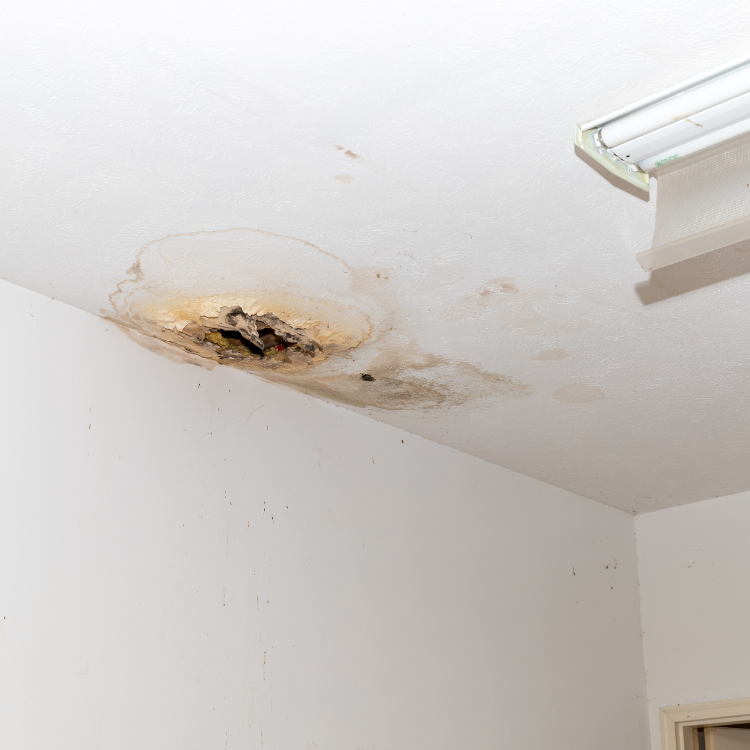
Slab Leak Location: Why Act Quickly
On a quiet Tuesday morning in Keller, a local business owner noticed a warm spot on the floor near the front counter. By Friday, that same spot had turned into a hairline crack stretching across the tile, and the water bill had nearly doubled. The culprit? A slab leak that had been silently eroding the concrete foundation for weeks.
Situations like this aren’t rare in North Texas. With our clay-heavy soils that swell when wet and shrink when dry, underground plumbing and concrete slabs take a beating. Industry data shows that undetected slab leaks can waste thousands of gallons of water a month and cause foundation damage that costs many times more than the original plumbing repair.
This matters for Keller homeowners and businesses because time is truly money—and structural stability—when water is leaking under your slab. In this guide, you’ll learn how slab leaks start, why fast and accurate slab leak location is critical, what modern detection methods look like, and what repair options make the most sense for North Texas properties.
Key Insight: The faster you locate and repair a slab leak, the more you protect your foundation, avoid massive water damage, and keep repair costs from spiraling out of control.
What Exactly Is a Slab Leak—and Why Keller Properties Are Vulnerable
A slab leak is a water line leak that occurs in or under the concrete foundation of your home or commercial building. Instead of a visible drip under a sink, the water is trapped beneath the slab, slowly seeping into soil, concrete, and sometimes into your flooring.
In Keller and surrounding Tarrant County areas, several factors make slab leaks more common:
- Expansive clay soil that moves with moisture changes, stressing buried pipes
- Aging copper or galvanized lines in older homes
- Construction backfill that wasn’t properly compacted
- High water pressure that accelerates wear on pipe joints
Imagine a Keller homeowner who notices a small area of laminate flooring starting to buckle near the kitchen. There’s no visible puddle, and fixtures seem fine. Without professional hidden water leak detection, that subtle sign can be ignored for months—until the subfloor is saturated and mold sets in.
“Slab leaks are silent but aggressive. By the time you see visible damage, they’ve often been active for quite a while.” — Senior Technician, All Source Plumbing
Beyond the structural risk, there’s also the financial side:
- Rising water bills from a constant underground leak
- Potential foundation repair costs that can reach tens of thousands
- Business downtime if a commercial space becomes unsafe or unusable
Recognizing that Keller’s soil and building styles are prone to these issues is the first step; acting quickly is the next.
Why Speed Matters: The Real Cost of Delaying Slab Leak Location
Every day a slab leak continues, the damage compounds. The leak doesn’t just waste water—it undermines the very foundation your building rests on.
Here’s what can happen when you delay calling a slab leak detection service:
- Soil erosion under the slab: Water washes away or softens the soil, creating voids that the slab can sink into.
- Foundation movement and cracks: Uneven support leads to slab cracking, wall separation, and doors that no longer close properly.
- Secondary plumbing damage: As the slab shifts, other pipes can stress, crack, or separate at joints.
- Mold and indoor air quality issues: Moisture wicks up into flooring and wall materials, especially in carpeted or wood-floored areas.
A real-world example: A Keller restaurant ignored a faint musty smell and a warm patch near the hostess stand. By the time they called for professional leak detection, the leak had eroded soil under a large section of the slab. They faced:
- Emergency structural evaluation
- Several days of closure for concrete repair
- Replacement of damaged flooring and baseboards
The plumbing repair itself was a fraction of the overall cost.
CALLOUT: Acting within days of noticing signs of a slab leak can mean the difference between a targeted plumbing repair and a major foundation project.
From a financial perspective, consider this simplified comparison:
| Scenario | Typical Outcome in Keller, TX | Relative Cost Impact |
|---|---|---|
| Leak found & repaired within 1–2 weeks | Minor slab access, limited flooring repair | $ |
| Leak ignored for 1–3 months | Slab cracking, wall/floor damage, possible mold | $$–$$$ |
| Leak ignored for 6+ months | Major foundation movement, structural repairs, remodel | $$$$+ |
The bottom line for Keller property owners: the clock starts ticking the moment a slab leak begins. Rapid leak location service is not a luxury; it’s a form of insurance against escalating damage.
How Modern Slab Leak Location Works (Without Destroying Your Floors)
Many homeowners picture slab leak repair as jackhammers everywhere and floors torn to pieces. While that sometimes happens with severe damage, modern non-destructive slab leak detection is far more precise and controlled.
Professional slab leak location typically involves a combination of:
- Acoustic listening equipment to hear water escaping under concrete
- Thermal imaging to spot temperature differences from hot water leaks
- Pressure testing and isolation to narrow down the leaking line
- Electronic line tracing to map pipe paths under the slab
- Hydrostatic testing of sewer lines when a drain or sewer leak is suspected
For example, a Keller homeowner with warm tile in the master bathroom may have a hot water line leak. Using sensitive acoustic devices and thermal cameras, a technician can pinpoint the area where water is escaping—often within a few inches—without opening the slab across the entire room.
“With today’s tools, we can usually locate the leak through a single access point instead of blind demolition.” — All Source Plumbing Field Supervisor
Here’s a simple comparison of traditional vs. modern approaches:
| Approach | Traditional “Search and Destroy” | Modern Professional Detection |
|---|---|---|
| Floor removal | Multiple large openings | Single, targeted access point |
| Time to locate leak | Many hours to days | Often 1–3 hours |
| Impact on property | High dust, noise, disruption | Controlled, localized disturbance |
| Accuracy | Based on guesswork and experience | Instrument-guided, data-driven |
| Overall cost | Higher due to unnecessary demo | Lower due to precision and speed |
In some cases, a slab leak isn’t from a water supply line at all but from a sewer or drain line. That’s where hydro-static testing and camera inspections come in, allowing plumbers to confirm whether a sewer drain repair or trenchless sewer replacement is needed.
Repair Options After Location: From Spot Fixes to Reroutes
Once the leak is accurately located, the focus shifts to repair strategy. Not every slab leak needs the same solution, and what works for a small Keller home may differ from a larger commercial building.
Common repair options include:
Direct Access and Repair
The most straightforward approach is to open the slab directly above the leak, repair the pipe, and patch the concrete.
Best when:
- The leak is in an otherwise healthy line
- Access is in a non-critical area (closet, corner of a room)
- The building is relatively new, and widespread pipe failure isn’t expected
Pipe Reroute
Instead of fixing the pipe under the slab, the leaking section is abandoned, and a new line is run through walls, ceilings, or attic spaces.
Best when:
- Multiple leaks have occurred on the same line
- The leak is under a finished area that would be very expensive to access
- You want to minimize future risk from unstable soil under the slab
Repiping and System Upgrades
For older Keller homes with aging galvanized or thin-wall copper, a single slab leak can be the warning sign that more problems are coming. In these cases, whole-home piping and repiping may be the wiser long-term investment.
A real example: A Keller homeowner in an early 1990s subdivision had three slab leaks in five years. Rather than continuing to repair each new leak under the slab, they opted for a full water line repipe through the attic with modern materials. The upfront cost was higher than a single repair, but they gained:
- New, code-compliant plumbing
- Reduced risk of future slab leaks
- Easier access for any future maintenance
In some cases, slab leaks reveal other issues such as corroded shutoff valves, outdated water heaters, or poor pressure regulation. It’s common to pair slab leak repair with upgrades like:
- water heater repair and installation
- tankless water heater installation for efficiency and reliability
- water filter and softener systems to reduce pipe wear from hard water
CALLOUT: The right repair is about more than stopping today’s leak; it’s about reducing tomorrow’s risk.
Warning Signs You Should Never Ignore
Slab leaks rarely introduce themselves with obvious indoor flooding. Most start with subtle, easily dismissed clues. In Keller’s busy households and commercial spaces, these signs can be overlooked for months.
Here are red flags that warrant immediate residential leak detection or commercial leak detection:
- Unexplained spike in your water bill despite normal usage
- Warm or damp spots on flooring, especially tile or concrete
- Sounds of running water when all fixtures are off
- Cracks in walls, floors, or ceilings that appear or grow quickly
- Doors or windows suddenly sticking from foundation movement
- Mildew or musty odors near baseboards or low walls
- Visible moisture along the slab edge or at floor-wall junctions
A Keller family once called only because their dog kept lying on one particular area of the living room floor. They later realized the dog had found the warm spot before they did—and that warm area turned out to be directly above a hot water slab leak.
“Pets, kids, and even your own feet can sense what your eyes can’t see. If something feels off, it’s worth checking out.” — All Source Plumbing Technician
Ignoring these signs doesn’t just risk your foundation. It can also lead to:
- Mold remediation costs
- Flooring replacement
- Damage to built-in cabinetry or fixtures
Prompt attention to early warning signs is one of the most cost-effective decisions you can make as a property owner.
Preventing Future Slab Leaks: Practical Steps for Keller Property Owners
While you can’t control the North Texas soil or past construction practices, you can reduce the likelihood and impact of future slab leaks.
Manage Water Pressure
High pressure is a major contributor to pipe stress and leaks. A pressure-reducing valve (PRV) and regular checks are key.
- Aim for 55–75 psi in most homes
- Have a plumber test and adjust if you suspect high pressure
- Replace aging PRVs as recommended
Address Drain and Sewer Issues Early
A failing sewer line under the slab can cause just as much damage as a water line leak. Proactive drain cleaning services, hydro jet drain cleaning, and timely sewer drain repair can prevent under-slab erosion.
Maintain Appliances and Fixtures
Leaking toilets, water heaters, or fixtures can mask or complicate slab leak detection. Regular toilet repair and installation, fixture repair, and water heater service keep your system predictable and easier to diagnose.
Consider Upgrades When Remodeling
If you’re already opening floors or walls for a remodel, it’s a smart time to:
- Replace questionable piping
- Add isolation valves for critical areas
- Upgrade to a tankless water heater to reduce leak-prone storage tanks
- Improve access to shutoff valves
For example, a Keller homeowner renovating a 1980s kitchen chose to replace old copper lines and install a modern gas tankless water heater. Not only did they reduce the risk of future leaks under the slab, but they also freed up utility space and lowered energy bills.
CALLOUT: Prevention doesn’t mean never having a problem—it means turning big emergencies into small, manageable repairs.
What This Means for Businesses in Keller, TX
For Keller businesses—restaurants on Keller Parkway, offices near Bear Creek Park, or retail shops along Main Street—a slab leak is more than a maintenance issue; it’s an operational risk.
Here’s how fast, professional emergency leak detection service impacts your bottom line:
- Minimized downtime: The faster a leak is located, the less time your business spends closed for repairs.
- Protected customer experience: Unpleasant odors, floor damage, or closed restrooms hurt customer perception.
- Regulatory compliance: For food service or healthcare, standing water and mold can trigger health code violations.
- Asset protection: Inventory, equipment, and technology are all at risk when water gets under flooring or into walls.
A Keller salon owner noticed a persistent damp area near the shampoo stations. Instead of waiting, they called for commercial leak detection. The leak was pinpointed and repaired within a day, with limited concrete access and minimal disruption. They avoided:
- Closing for multiple days
- Replacing expensive salon flooring
- Losing revenue and client trust
Businesses typically face higher costs for prolonged leaks because:
- Repairs often require after-hours work
- Damaged finishes and fixtures are more expensive to replace
- Insurance premiums can rise after major water damage claims
For Keller’s growing commercial community, especially in multi-tenant buildings, having a trusted local plumber on call for emergency plumbing and leak detection near me is part of smart risk management.
Frequently Asked Questions
Q: How do I know if I really need slab leak detection, or if it’s just a minor plumbing issue?
A: If you’re in Keller and notice unexplained water bill increases, warm spots on the floor, damp areas with no visible source, or hear water running when everything is off, it’s wise to schedule professional leak detection. A minor faucet drip or toilet leak is usually visible and easy to confirm. Slab leaks, on the other hand, hide under concrete and often show indirect signs. A licensed plumber can quickly rule out above-ground issues and, if needed, use specialized tools for under slab leak detection. Given the cost of foundation repairs in North Texas, it’s better to be overly cautious than to wait.
Q: How long does slab leak location and repair usually take in a typical Keller home?
A: For most residential jobs, locating a slab leak with modern equipment can take anywhere from 1 to 3 hours, depending on the plumbing layout and how obvious the symptoms are. Once the leak is located, the repair timeline depends on the chosen method—direct access, reroute, or partial repiping. Many straightforward repairs can be completed the same day, including concrete access and patching. More complex projects, such as rerouting lines or addressing multiple leaks, may take 1–3 days. A reputable plumber will provide a clear timeline after diagnosis so you can plan around any disruption.
Q: Is slab leak detection really non-destructive, or will you still have to tear up my floors?
A: Modern non-destructive slab leak detection focuses on using acoustic listening, thermal imaging, and pressure testing to pinpoint the leak before any concrete is opened. While actual repair often requires some level of slab access, the goal is to limit that to a single, targeted area rather than exploratory demolition. In many Keller homes, we can access the leak through a closet, hallway, or less visible location. In some cases, rerouting lines through walls or attic spaces can avoid opening the slab in finished living areas altogether.
Q: Will my insurance cover slab leak repairs and resulting damage?
A: Coverage varies by policy, but many homeowners’ insurance plans in Keller cover at least part of the cost related to sudden and accidental water damage. Often, the actual plumbing repair may be considered maintenance and not covered, while resulting damage—like ruined flooring or drywall—may be. It’s important to document the issue thoroughly and obtain a detailed report from your plumber outlining the cause, location, and recommended slab leak repair. All Source Plumbing frequently works with homeowners to provide the documentation insurance carriers request. Always check your policy or speak with your agent to understand your specific coverage.
Q: Can a slab leak affect my other plumbing fixtures or appliances?
A: Yes. As the slab shifts from soil erosion or movement, it can stress other pipes, joints, and even connections to fixtures and appliances. You might start seeing recurring issues like toilet leaks, frequent drain clogs, or even problems with your water heater. In some Keller homes, we’ve found that a long-term slab leak contributed to premature failure of a traditional tank water heater due to constant cycling and sediment disruption. Addressing the slab leak promptly helps stabilize the plumbing system as a whole and protects your investment in appliances, including any tankless water heater you may have installed.
Q: How often should I have my plumbing inspected to catch hidden leaks early?
A: For most Keller homeowners, a comprehensive plumbing check every 1–2 years is a good baseline, especially in older homes or neighborhoods with known foundation movement. Businesses, particularly those with high water usage like restaurants or salons, may benefit from annual water, sewer, and gas diagnostics. Regular inspections can identify developing issues—such as high water pressure, early pipe corrosion, or slow drains—before they escalate into full-blown slab leaks or major plumbing repairs.
Q: What if my leak turns out to be in the sewer line instead of a water line?
A: Sewer and drain leaks under the slab can be just as damaging as water supply leaks, and they require a different diagnostic approach. In these cases, plumbers often use camera inspections and hydro-static testing to confirm the location and extent of damage. Solutions may include targeted sewer repairs, trenchless sewer replacement, or partial drain line replacement. The key is still early detection—catching the problem before it leads to major slab movement or contamination under your home or business.
Ready to Get Started?
If you’re in Keller or the surrounding North Texas area and suspect a slab leak, waiting rarely makes things better. Every day that water continues to escape under your slab increases the risk of foundation movement, structural damage, and costly restoration work. Fast, professional leak detection gives you clarity: either peace of mind that everything is sound, or a precise plan to fix the problem before it grows.
All Source Plumbing offers prompt, locally focused slab leak location and repair, along with full-service support—from emergency plumbing to long-term solutions like repiping and tankless water heater service. Our team understands Keller’s soils, building styles, and local codes, and we work to minimize disruption while protecting your property and budget.
If you’ve noticed any of the warning signs described above, or just want a professional opinion, now is the time to act—not after cracks spread and repairs multiply. Reach out today to schedule an inspection, discuss your concerns, and get straightforward recommendations from a team that treats your property like their own.
About All Source Plumbing
All Source Plumbing is a locally owned and operated plumbing company serving Keller, TX and the surrounding communities. With years of hands-on experience in North Texas soil and building conditions, our licensed professionals specialize in general plumbing repairs, advanced leak detection, slab leak repair, and full-system upgrades. We’re committed to honest assessments, quality workmanship, and long-term solutions that protect your home or business.