
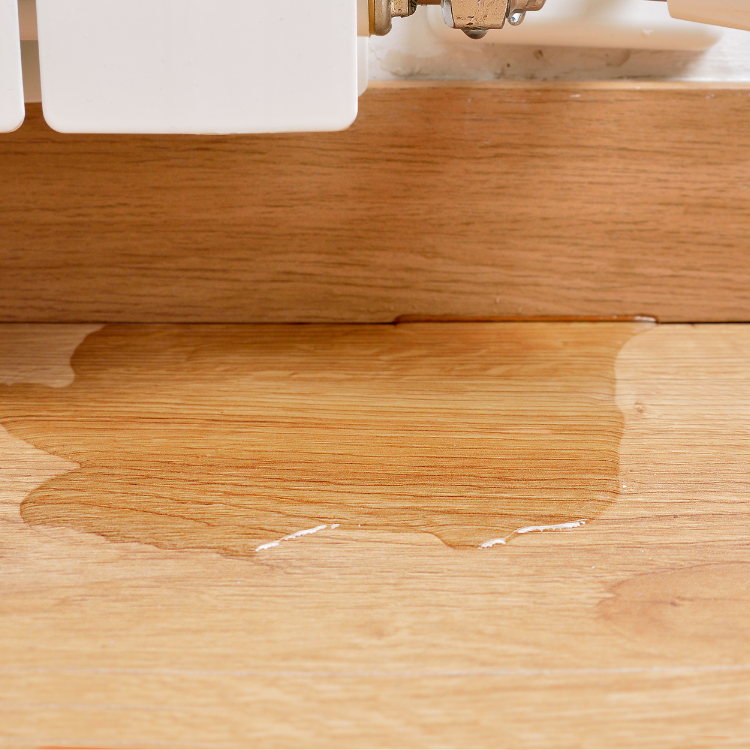
Slab Leak Location: DIY vs. Professional Help
On a hot August afternoon in Keller, a homeowner notices a warm spot on their living room floor and a water bill that’s suddenly doubled. There’s no visible leak, no dripping faucet, and the sprinklers are fine. The culprit? A slab leak quietly eroding the foundation from below.
This kind of call is increasingly common across Keller and the greater Tarrant County area, where many homes sit on concrete slabs and shifting North Texas soil puts constant stress on buried pipes. The big question most people ask first is, “Can I find this myself, or do I really need professional help?”
Slab leaks are one of those hidden problems that can stay invisible for months while causing thousands of dollars in damage—to your foundation, flooring, and even your indoor air quality. In this guide, you’ll learn how to recognize the signs, what you can safely try on your own, what absolutely requires expert equipment, and how to decide whether DIY or professional slab leak location is the smarter move for your home or business.
Key Insight: You can spot warning signs and rule out simple issues yourself, but accurate slab leak location under a concrete foundation almost always requires specialized tools, experience, and a strategic repair plan.
Understanding Slab Leaks in Keller’s Soil and Climate
A slab leak is a water line leak that occurs in or underneath your concrete foundation. In Keller, that usually means a pressurized hot or cold water line that runs under the slab and begins to leak due to age, corrosion, or soil movement.
Several local factors make slab leaks especially relevant here:
- Expansive clay soil in North Texas swells when wet and shrinks when dry, constantly shifting your foundation.
- Temperature swings and hot summers stress pipes and fittings.
- Many homes built in the 80s, 90s, and early 2000s have original copper or galvanized lines that are now aging out.
Common signs Keller homeowners and business owners notice include:
- Unexplained spikes in your water bill
- Warm or damp spots on tile or wood floors
- The sound of running water when all fixtures are off
- Cracks in walls, ceilings, or slab
- Moldy or musty smells near baseboards
A recent case: a Keller family called after noticing a small crack in their dining room tile. Over a few weeks, the tile felt warm and slightly damp. Their water bill was up about 30%, but there were no visible leaks. Our technicians used Slab Leak Detection equipment to pinpoint a hot-water line leak under the dining room slab. Because it was caught early, repair costs were a fraction of what they could have been if the leak had continued for months.
“You don’t see slab leaks; you see what they do to everything around them.” — Master Plumber, All Source Plumbing
CALLOUT: In Keller’s soil conditions, a slow slab leak can start affecting your foundation in as little as a few months, especially during drought or heavy rain cycles.
What You Can Safely Check Yourself Before Calling a Pro
While professional Leak Detection is the gold standard for pinpointing a slab leak, there are several simple checks you can perform to confirm whether a hidden water leak is likely and rule out easier fixes.
Basic DIY checks you can do today
You don’t need tools or plumbing experience to do these:
- Watch your water meter:
Turn off all fixtures and appliances that use water (including ice makers and irrigation). If the meter’s low-flow indicator or dial is still moving, there’s a leak somewhere in your system.
- Listen carefully:
At night, when the house is quiet, walk around and listen for a faint hissing or running water sound, especially near interior walls and on hard-surface floors.
- Check for hot spots:
Walk barefoot across tile or wood floors. A noticeably warm area that doesn’t match your HVAC pattern can indicate a hot water slab leak.
- Inspect visible plumbing first:
A “slab leak” might actually be a leaking toilet, water heater, or under-sink line. Simple issues like these can often be handled with General Plumbing Repairs or Toilet Repair and Installation.
A recent Keller homeowner called convinced they had a slab leak because of a warm hallway floor. After a few guided DIY checks over the phone, we found the real issue: a failing mixing valve and a slow leak at the water heater. In that case, Water Heater Repair and Installation solved the problem without touching the slab.
CALLOUT: DIY checks are great for confirming you have “a leak somewhere.” They are rarely enough to confirm where that leak is under a slab—and that’s where the risk of guesswork gets expensive.
The Limits of DIY Slab Leak Location (and Hidden Risks)
Once you’ve ruled out obvious leaks and your meter still shows usage, many people are tempted to keep going with DIY: renting thermal cameras, drilling small holes, or breaking out tile based on “best guesses.” This is where costs and risks can skyrocket.
Why guessing at slab leak location is dangerous
Unlike a dripping faucet, under-slab leaks don’t show you exactly where they’re coming from. Water can travel along the outside of a pipe, through gravel, or under the slab before surfacing. That means:
- The wet spot may be several feet away from the actual leak.
- Cracking tile or grout can be from foundation movement, not necessarily the exact leak location.
- Cutting in the wrong place can mean multiple holes in your slab and flooring.
We’ve seen Keller homeowners break open their slab in three or four spots before finally calling us. By that point, what could have been a small, targeted repair turned into a major restoration project involving flooring replacement, dust control, and sometimes even Piping and Repiping to bypass damaged sections.
“By the time you’ve made your second hole in the slab, you’ve spent more than you would have on professional leak location—and created more damage.” — Senior Technician, All Source Plumbing
DIY tools vs. professional equipment
Some big-box stores rent basic listening devices or thermal cameras. These can help you spot surface issues, but under a thick concrete slab with rebar and multiple lines, they’re limited:
- Consumer-grade devices often lack the sensitivity to distinguish pipe noise from background vibration.
- Misinterpretation of data is common without experience.
- You still end up making an educated guess when it’s time to cut.
In contrast, professional Leak Location Service combines multiple methods—acoustic listening, pressure testing, line tracing, and sometimes Hydro Static Testing—to confirm both the existence and the exact location of a leak.
CALLOUT: If fixing your “guess” requires breaking concrete, it’s not DIY anymore—it’s demolition. That’s your signal to bring in a licensed pro.
How Professional Slab Leak Location Actually Works
Understanding what professionals do behind the scenes helps explain why expert Slab Leak Location is usually the safer, more cost-effective route in Keller.
Step-by-step: A typical professional approach
A reputable plumber won’t just show up with a jackhammer. Here’s a typical process our team follows:
1. System evaluation and isolation
We start with a detailed walkthrough, reviewing symptoms, water usage history, and previous repairs. Then we isolate different parts of your water system—hot, cold, interior, and exterior—to narrow down the suspect zone.
2. Pressure and Water, Sewer & Gas Diagnostics
We use gauges and valves to pressurize specific lines. If a line won’t hold pressure, that’s a strong indicator of a leak in that section.
3. Acoustic and electronic Hidden Water Leak Detection
Sensitive listening devices and sensors pick up the sound of water escaping under the slab. We move systematically across the floor, mapping sound intensity and frequency to zero in on the leak.
4. Thermal and moisture mapping (when needed)
For hot water leaks, thermal imaging can highlight temperature differences across the slab. Moisture meters help confirm saturation patterns.
5. Non-invasive confirmation
Only after we have a high-confidence location do we discuss access options: small targeted opening, rerouting, or, in some cases, trenchless solutions.
A recent commercial client in Keller—an office building near Keller Parkway—had rising water bills and damp carpet in one suite. Our Commercial Leak Detection team performed after-hours acoustic testing, identified a hot-water slab leak under a corridor, and coordinated a targeted repair that kept tenants operating with minimal disruption.
CALLOUT: Professional slab leak location isn’t just about finding the leak. It’s about choosing the repair strategy that protects your foundation, flooring, and budget.
Comparing DIY vs. Professional Slab Leak Location in Keller
To make the decision clearer, it helps to compare common DIY approaches with professional services in terms of cost, accuracy, and risk.
DIY vs. Pro: Side-by-side
| Factor | DIY Approaches | Professional Slab Leak Location |
|---|---|---|
| Upfront Cost | Low to moderate (tools, rentals, time) | Moderate service fee |
| Accuracy | Low to medium; often based on guesswork | High; uses multiple diagnostic tools and methods |
| Risk of Extra Damage | High (multiple slab cuts, flooring damage) | Low; targeted access, non-destructive testing where possible |
| Time to Diagnose | Days or weeks of trial and error | Typically same-day or next-day |
| Foundation Impact | Uncertain; risk of unnecessary structural cuts | Minimized; repair designed around structural integrity |
| Long-Term Cost | Often higher due to mistakes and rework | Usually lower overall, with fewer surprises |
| Stress Level | High; uncertainty and ongoing damage | Lower; clear plan and expert guidance |
Local cost considerations
In Keller, where many homes have higher-end flooring and finishes, the cost of getting it wrong can easily exceed the cost of professional Slab Leak Detection Near Me. Tearing out hardwood, tile, or custom cabinetry to chase a suspected leak is far more expensive than paying once for accurate location and a focused repair.
We recently helped a Keller homeowner who had already opened two holes in their living room slab based on online advice. Both spots were dry. Our team used Under Slab Leak Detection tools and found the actual leak nine feet away, under a hallway wall. The final repair and patch were straightforward—but the original, unnecessary holes still had to be filled and the flooring replaced.
“The cheapest option isn’t the one with the lowest initial price—it’s the one that solves the problem correctly the first time.”
CALLOUT: If your plan involves “cut here and see,” you’re not saving money—you’re gambling with your foundation.
From Location to Repair: What Happens After the Leak Is Found
Finding a slab leak is only half the battle. The next step is choosing the right repair method for your home or business. This is where working with a full-service plumbing company in Keller really matters.
Common slab leak repair options
Depending on the location and severity of the leak, your plumber may recommend:
- Direct access and repair
Opening a small section of slab above the leak, repairing or replacing the damaged pipe, and patching the concrete. This is often the most direct and economical choice for single leaks.
- Rerouting lines
Abandoning the leaking section under the slab and installing new lines through walls, ceilings, or attic spaces. This is common when the existing line is old or corroded along a longer run.
- Extensive repiping
If multiple leaks or widespread corrosion are found, whole-home Piping and Repiping can be more cost-effective than chasing leaks one by one.
- Sewer-related solutions
If diagnostics reveal sewer line issues rather than pressurized water leaks, options may include Sewer Repairs, Trenchless Sewer Replacement, or Drain Line Replacement depending on the damage.
In Keller, we often see slab leaks in older copper hot-water lines. For a recent client near Bear Creek Park, we located a hot-water slab leak under the kitchen. Because the home’s plumbing was original and already showing signs of age, the most sensible long-term solution was to reroute the hot-water line through the attic and install a new Tankless Water Heater at the same time. This reduced future slab risk and improved efficiency.
CALLOUT: A good slab leak plumber thinks beyond the leak itself—protecting your foundation, planning for future reliability, and coordinating with flooring and restoration needs.
What This Means for Businesses in Keller, TX
For homeowners, a slab leak is a major headache. For businesses in Keller, it can be a direct threat to operations and revenue.
Retail shops along Keller Parkway, medical offices, restaurants, and professional suites all share a common vulnerability: a hidden leak under the slab can disrupt customer access, damage inventory, and even pose health risks if mold develops.
Why slab leak location is critical for local businesses
- Operational continuity:
A mislocated or misdiagnosed leak can mean multiple visits, repeated demolition, and extended downtime. Professional Emergency Leak Detection Service minimizes disruption by quickly pinpointing the problem and allowing targeted repairs, often after hours.
- Tenant and customer experience:
Wet carpets, musty odors, and noisy demolition are not exactly client-friendly. Accurate Commercial Leak Detection means smaller work areas, less noise, and fewer visible disruptions.
- Property and lease obligations:
Many commercial leases in Keller put plumbing and slab repairs on the property owner, but day-to-day disruption hits the tenant hardest. A fast, expert response protects relationships on both sides.
We recently assisted a Keller dental office that noticed damp baseboards in two exam rooms. They were understandably worried about hygiene and patient perception. Our team used Foundation Leak Detection tools after hours, located a small under-slab leak in a cold-water line, and coordinated a direct repair and patch over a weekend. Monday morning, the office opened on time with no visible signs of work.
If your business relies on restrooms, kitchens, or patient facilities, having a trusted local partner for Slab Leak Detection Service, Drain Cleaning Services, and Emergency Plumbing is as important as your electrician or IT provider.
CALLOUT: For Keller businesses, the real cost of a slab leak isn’t just the repair—it’s every hour your doors aren’t fully open.
Frequently Asked Questions
Q: How can I tell if I really have a slab leak or just a high water bill?
A: Start with simple checks. Turn off all fixtures and appliances that use water, then watch your meter. If it’s still moving, you have a leak somewhere in the system. Walk your home or business and listen for running water, check for warm or damp spots on floors, and look for new cracks in walls or tiles. If you can’t find any visible leaks at toilets, faucets, or your water heater, it’s time to consider Slab Leak Detection. In Keller, soil movement and aging copper lines mean hidden leaks are common, so don’t ignore persistent signs or unexplained bill increases.
Q: Is it safe to keep using water if I suspect a slab leak?
A: Using water while you suspect a slab leak won’t cause an immediate emergency in most cases, but it will continue to worsen any foundation, flooring, or mold issues. If you notice a rapidly rising water bill, hot spots on the floor, or audible water sounds when everything is off, reduce non-essential water use and schedule Professional Leak Detection as soon as possible. In severe cases—like visible pooling, major foundation cracks, or saturated flooring—shutting off the main water supply and calling for Emergency Leak Detection Service is the safest choice for your Keller property.
Q: Can my homeowners insurance help with slab leak repairs in Keller?
A: Policies vary, but many homeowners insurance plans in Texas will help with access and damage restoration, though not always with the plumbing repair itself. That’s another reason accurate Leak Location Service matters: insurers are more likely to cover associated damage when you can document that the repair was necessary and targeted. All Source Plumbing frequently works with Keller homeowners and adjusters, providing reports and photos from our Slab Leak Location and Repair process to support claims. It’s worth calling your agent early to understand your specific coverage.
Q: How long does professional slab leak detection and repair usually take?
A: For a typical residential property in Keller, the Slab Leak Detection Service itself is often completed in a few hours. Once the leak is located and a repair plan agreed upon, many direct-access repairs can be completed the same day or next day, depending on flooring and access. More complex projects—like rerouting lines or coordinating with flooring contractors—may take a couple of days. For businesses, we often schedule work after hours or on weekends to minimize disruption. The key advantage of professional detection is avoiding days or weeks of trial-and-error and multiple slab cuts.
Q: Could a slab leak be related to my sewer or drains instead of fresh water?
A: Yes. Not all under-slab leaks involve pressurized water lines. Cracked or collapsed sewer and drain lines can also cause foundation issues, foul odors, and recurring clogs. In those cases, solutions like Sewer Drain Repair, Trenchless Sewer Replacement, or targeted Drain Repair Service may be recommended. Our team uses specialized diagnostics, including cameras and Hydro Jet Drain Cleaning, to distinguish between fresh water slab leaks and sewer line problems, and to choose the least invasive repair option for your Keller home or business.
Q: Will I have to replace all my flooring if I have a slab leak?
A: Not necessarily. One of the main benefits of accurate Non-Destructive Slab Leak Detection is minimizing the area we have to access. Often, we can open a small section of slab in a less visible location, such as a closet or corner, and then patch it cleanly. In some cases, rerouting lines instead of cutting directly over the leak can preserve more of your flooring. That said, if a slab leak has been active for a long time, moisture damage may already have compromised certain materials. In Keller, where many homes feature wood and high-end tile, catching the issue early is the best way to avoid extensive flooring replacement.
Q: How can I reduce my risk of future slab leaks?
A: While you can’t change Keller’s soil, you can take steps to protect your plumbing system. Regular inspections of your water pressure, water quality, and visible plumbing help catch issues early. Installing or maintaining a Water Filter and Softener system can reduce corrosion in certain pipe materials. If your home has a history of leaks or is older with original piping, discussing proactive options like partial Piping and Repiping or rerouting vulnerable lines can save money long term. Annual plumbing checkups, especially before and after extreme weather seasons, are a smart investment for Keller homeowners and businesses.
Ready to Get Started?
A suspected slab leak isn’t something to “wait and see” about—every day it continues, water can quietly undermine your foundation, damage flooring, and raise your utility bills. In Keller’s shifting soil and hot climate, those effects often show up faster than you might expect.
If you’ve noticed warning signs—a rising water bill, warm or damp spots on your floor, cracking tile, or the sound of running water when everything is off—the next step is a focused, professional assessment. All Source Plumbing offers comprehensive Slab Leak Plumbing Repair, from precise Concrete Slab Leak Detection to thoughtful repair strategies that respect your home, business, and budget.
Our licensed team is local to Keller, available for Emergency Plumbing, and equipped with the latest tools for accurate, non-destructive diagnostics. We’ll walk you through what we find, explain your options clearly, and help you choose the solution that makes the most sense for your property.
Don’t wait for a small hidden leak to become a major foundation problem. Schedule a professional evaluation today and protect the investment you’ve made in your Keller home or business.
About All Source Plumbing
All Source Plumbing is a locally owned and operated plumbing company serving Keller, TX, and the surrounding communities. Our licensed technicians specialize in Slab Leak Repair Service, Leak Detection Near Me, Drain Repair, and full-service residential and commercial plumbing. With years of experience in North Texas soil and building conditions, we understand the unique challenges Keller properties face and are committed to honest assessments, quality workmanship, and long-term solutions. Learn more about our services and team at our homepage.