
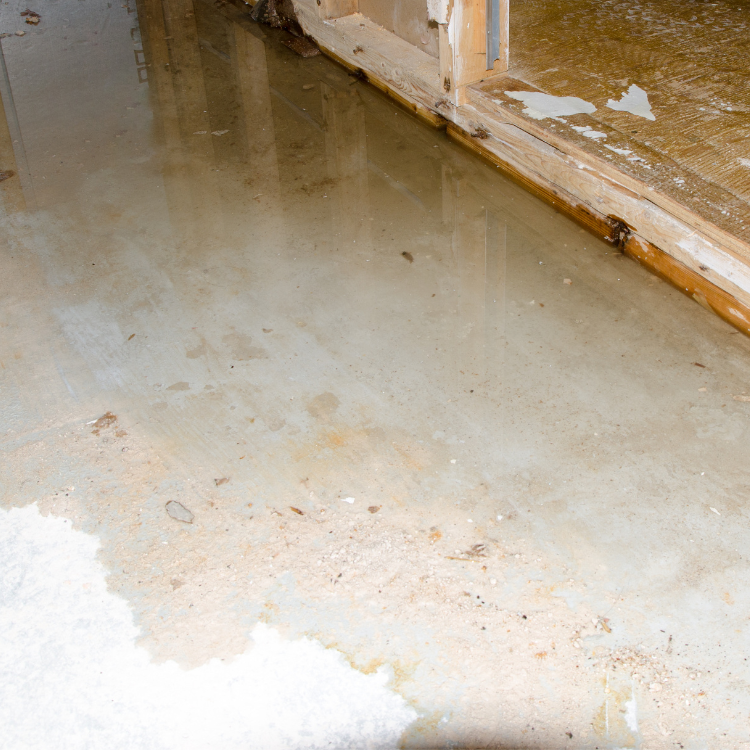
The first clue is usually something small: a warm patch on the floor in the hallway, a mysterious spike in your water bill, or the faint sound of water running even when every faucet is off. At first, it is easy to brush it aside as a quirk of an old home or a minor plumbing issue. But for many homeowners in Keller, TX, these subtle signs turn out to be symptoms of a much bigger problem hiding under the concrete foundation: a slab leak.
Unlike a dripping faucet or a visible pipe burst, a slab leak is out of sight, buried beneath the concrete slab that supports your home. Locating it is not as simple as breaking into the floor where you notice moisture. In fact, the actual leak may be several feet away from where the water surfaces. That is why understanding slab leak location, its causes, and the available solutions is critical. A misdiagnosed or poorly located slab leak can lead to unnecessary demolition, higher repair costs, and long-term damage to your foundation and flooring.
All Source Plumbing has worked with homeowners across Keller, TX who first noticed only a small problem, only to discover a slab leak that had been quietly eroding soil, weakening foundations, and promoting mold growth for weeks or even months. The key to minimizing damage is twofold: recognizing the warning signs early and using precise, professional methods to locate and repair the leak. With the right approach, a slab leak does not have to turn into a full-blown foundation crisis.
What A Slab Leak Really Is
A slab leak occurs when a water line running beneath your home’s concrete foundation develops a leak. In most Keller, TX homes, water lines for hot and cold water are routed under or through the slab to supply the plumbing fixtures throughout the house. When one of these lines cracks, pinholes, or separates at a joint, water begins escaping into the soil beneath the slab. Over time, that water can travel, pool, and find pathways to the surface.
One confusing aspect of slab leaks is that the visible symptoms rarely line up exactly with the leak’s true location. Because water follows the path of least resistance, it may travel laterally under the slab until it finds a weak point, such as a crack in the foundation, a gap where plumbing penetrates the concrete, or the edge of the slab. This means that moisture in your bedroom carpet might actually be caused by a leak that started under your kitchen or hallway.
Another important distinction is between hot and cold water slab leaks. Hot water leaks often show up as warm spots on tile or hardwood floors, and they may be easier to detect with thermal imaging. Cold water leaks might not create temperature differences but can still saturate the soil and undermine your foundation. All Source Plumbing technicians in Keller carefully evaluate which type of line is affected, as this influences both the diagnostic process and the final repair strategy.
Common Causes Under Keller Homes
Slab leaks do not happen randomly; they usually result from a combination of factors related to pipe material, soil conditions, water chemistry, and installation quality. Many older homes in Keller, TX were built with copper lines under the slab. Copper is durable, but it can be vulnerable to corrosion when exposed to aggressive soil conditions or water with specific mineral content. Over years, tiny pits can form in the pipe walls, eventually turning into leaks.
Soil movement is another major contributor. North Texas soil is known for its expansive clay, which swells when wet and contracts when dry. This constant expansion and contraction can put stress on the pipes running through or under the slab. Even a small amount of shifting can cause a rigid copper or galvanized pipe to rub against rocks or the underside of the slab, wearing through the metal at contact points and creating pinhole leaks or cracks.
Water pressure and temperature also play a role. Excessively high water pressure can stress joints, fittings, and pipe walls over time. Hot water lines are particularly susceptible because repeated heating and cooling can cause expansion and contraction, weakening soldered joints and thinning metal. If the original installation included tight bends, poorly supported lines, or pipes laid directly against the concrete, the risk of a slab leak increases significantly.
How Professionals Locate Slab Leaks
Accurately locating a slab leak is a specialized process that goes far beyond guessing or breaking open the floor where you see dampness. At All Source Plumbing, the first step is always to confirm that a leak exists and to determine whether it is under the slab or in an accessible area. Technicians typically start with a water meter test: shutting off all water usage in the home and watching the meter to see if it continues to move, indicating a hidden leak.
Once a leak is confirmed, different diagnostic tools come into play. One common method is electronic leak detection, which uses sensitive listening equipment to pick up the sound of water escaping under the slab. By methodically moving sensors across the floor, a trained technician can narrow down the area where the sound is loudest, suggesting the approximate location of the leak. This process requires experience, because ambient noises and building materials can interfere with readings.
For hot water leaks, thermal imaging cameras can be especially useful. These cameras detect temperature differences in the floor surface, revealing warm lines where hot water pipes run and highlighting anomalous hot spots that may indicate leakage. In some situations, plumbers may also pressurize the system with air and use specialized equipment to detect escaping air or use tracer gas in combination with gas detectors to pinpoint the leak. The goal is always the same: identify the most precise repair area possible and minimize unnecessary demolition of your slab or flooring.
Repair Options And Their Trade-Offs
Once the approximate location and cause of the slab leak are known, homeowners in Keller, TX have several repair options. The most traditional method is direct access repair: breaking through the slab at the leak point, exposing the damaged pipe, and repairing or replacing that section. This approach can be effective for isolated leaks and when the rest of the piping is in good condition. However, it involves concrete demolition, noise, dust, and restoration work afterward to repair flooring and finishes.
In some cases, especially when the pipes are older or multiple leaks are suspected, rerouting may be a better long-term solution. Rerouting involves abandoning the leaking section under the slab and installing new water lines through walls, ceilings, or attic spaces where they are more accessible. While this may sound more extensive, it can minimize disruption to the slab and reduce the risk of future slab leaks, since the new lines are no longer buried in the foundation.
Another option is pipe lining or epoxy restoration, where feasible. This technique involves cleaning the inside of the existing pipe and applying an epoxy coating or liner that seals leaks from within. While not suitable for every situation or pipe configuration, it can be an attractive solution when access is limited or when preserving flooring is a priority. All Source Plumbing evaluates each Keller home individually, explaining the pros and cons of each method so homeowners can make informed decisions based on cost, disruption, and long-term reliability.
Preventing Future Slab Leaks
Preventing slab leaks entirely may not always be possible, especially in older homes with aging copper or galvanized pipes, but there are practical steps Keller homeowners can take to reduce risk. One of the most effective measures is controlling water pressure. Installing a pressure reducing valve (PRV) when needed can protect your entire plumbing system from the constant stress of high pressure, extending the life of pipes, fixtures, and appliances alike.
Water quality management is another important factor. If your home has particularly aggressive water chemistry, such as high acidity or mineral content, it can accelerate pipe corrosion. In such cases, water conditioning or filtration systems can help stabilize water chemistry and reduce wear on your pipes. Regular inspections of your plumbing system, especially after foundation work or major shifts in the home’s structure, can also catch early warning signs before they become full-blown slab leaks.
When a slab leak has already occurred, considering a more comprehensive solution rather than a simple spot repair can be a form of prevention as well. For example, if All Source Plumbing identifies that your slab pipes are nearing the end of their service life, rerouting or partial repiping might cost more up front but significantly lower the chances of facing repeated slab leaks in different areas. Thinking long-term and planning for the age and condition of your plumbing can save considerable stress, money, and disruption down the road.
Why Local Expertise Matters In Keller
Slab leak detection and repair is not a one-size-fits-all service. Local conditions in Keller, TX make a big difference in both how leaks form and how they should be addressed. The expansive clay soils common in this area, fluctuating weather patterns, and the way neighborhoods were built during different construction booms all influence how plumbing systems age and fail. A plumber who understands these local variables can better anticipate where problems are likely to occur and which solutions will hold up best over time.
For example, some Keller neighborhoods have homes built in phases with varying plumbing materials and layouts, even within the same subdivision. All Source Plumbing technicians see these patterns repeatedly and know what types of slab leak issues are typical for certain age ranges and construction styles. This familiarity speeds up diagnosis and helps avoid trial-and-error approaches that cost homeowners time and money.
Local expertise also matters when coordinating with other professionals, such as foundation repair companies or restoration contractors. When a slab leak has affected your foundation or flooring, having a plumbing team that regularly works with other local trades can streamline the process. Instead of leaving you to coordinate everything alone, an experienced Keller-based plumber can help sequence the work so that leak detection, repair, and restoration happen efficiently and in the right order.
Frequently Asked Questions
How can I tell if I have a slab leak in my Keller home? Common signs include unexplained increases in your water bill, the sound of running water when all fixtures are off, warm spots on the floor, damp or discolored flooring, and cracks in walls or flooring that seem to worsen over time. In some cases, you might notice mildew odors or standing water near the foundation. If you suspect a slab leak, it is important to contact a professional like All Source Plumbing quickly, as early detection can greatly reduce damage and repair costs.
Is locating a slab leak going to damage my floors? Modern slab leak location methods are designed to minimize damage. Technicians typically use electronic listening devices, thermal imaging, and pressure testing to pinpoint the leak’s location without immediately breaking into the slab. Only after the leak is accurately located will they recommend opening the floor, and even then, the goal is to create the smallest possible access point. In some cases, rerouting or alternative repair options can avoid cutting into finished flooring altogether.
What repair method is best for a slab leak? The best method depends on several factors: the age and condition of your pipes, the exact location of the leak, how accessible the area is, and your long-term plans for the home. Direct access repair may be ideal for a newer system with a single isolated leak. Rerouting can be better for older piping or when multiple leaks are likely over time. Epoxy lining may be an option in specific configurations. All Source Plumbing evaluates each situation in Keller, TX individually and explains the advantages and trade-offs so you can choose the solution that fits your budget and long-term needs.
How long does slab leak detection and repair usually take? The timeline varies depending on the complexity of the leak and the chosen repair method. Detection itself can sometimes be completed in a few hours, especially when the signs are clear and equipment readings are straightforward. Repairs may take anywhere from part of a day to several days, particularly if concrete must be cut and flooring must be removed and later restored. Rerouting or more extensive projects can extend the timeline, but they may offer a more durable solution. Your plumber should provide a clear estimate of both time and scope once the leak is located.
Will my homeowner’s insurance cover slab leak repairs? Coverage for slab leaks depends on your specific policy and the circumstances of the leak. Many policies may help with access to the leak and resulting water damage but not necessarily with replacing the entire plumbing system. Others may have exclusions for certain types of damage. It is important to review your policy or speak with your insurance agent when a slab leak occurs. All Source Plumbing can often provide documentation, photos, and a detailed description of the issue and repairs, which can be helpful if you file a claim for Slab leak plumbing repair and related damage.