
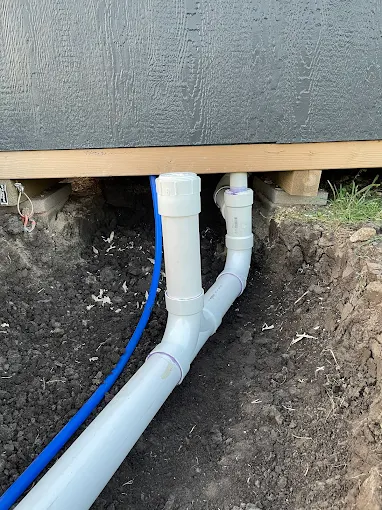
Professional Insights into Slab Leak Location
On a quiet Tuesday morning in Keller, a local business owner opened up shop to find a damp carpet along the back wall and a musty smell in the air. No burst pipe. No visible leak. Yet the water meter was spinning like every faucet in the building was wide open. The culprit? A hidden slab leak quietly washing away soil under the foundation.
In North Texas, where most homes and commercial buildings sit on concrete slabs, this isn’t rare—it’s routine. Industry data suggests that in areas with shifting clay soil (like Tarrant County), foundation-related plumbing issues can be up to 30–40% more common than in more stable soil regions. Left unchecked, a slab leak can lead to foundation movement, sky-high water bills, mold growth, and costly structural repairs.
This guide walks you through how professional slab leak location actually works, why it matters so much for Keller property owners, and what to expect from a modern, non-destructive approach. You’ll learn how pros pinpoint leaks under concrete, how technology has changed the game, and when it’s time to move from detection to repair.
Key Insight: Accurate slab leak location isn’t guesswork—it’s a systematic, technology-driven process that protects your foundation, your plumbing system, and your budget by finding the exact source of the problem before the concrete is ever touched.
Why Slab Leaks Are So Common in Keller — and So Easy to Miss
Keller and the greater Dallas–Fort Worth area sit on expansive clay soils that swell when wet and shrink when dry. Add in temperature swings, drought cycles, and aging plumbing systems, and you have a perfect recipe for slab leaks in both homes and commercial buildings.
A slab leak is a pressurized water or drain line leak located under or within the concrete foundation. Because it’s hidden, the early warning signs are subtle:
- Unexplained increase in your water bill
- Warm or damp spots on floors
- The sound of running water when everything is off
- Cracks in walls or flooring that keep getting worse
- Mildew or musty odors near baseboards
One Keller homeowner recently called after noticing a warm patch on the living room floor that had “always been there.” A quick pressure test showed a significant loss in the hot water line under the slab. The leak had likely been developing for months, slowly washing away soil beneath the foundation.
“The most expensive slab leak is the one you don’t find early.” — All Source Plumbing Technician
Because these leaks are out of sight, many property owners delay calling for a Professional Leak Detection visit, hoping the issue will resolve on its own. It won’t. Over time, migrating water can undermine the slab, trigger heaving or settling, and complicate any future foundation work.
CALLOUT: In Keller’s soil and climate, early Slab Leak Detection can mean the difference between a targeted plumbing repair and a major structural project.
How Professionals Actually Locate Slab Leaks (Step-by-Step)
To many property owners, slab leak location feels like “mystery work.” In reality, it’s a structured diagnostic process combining experience, specialized tools, and methodical testing. At All Source Plumbing, a typical under-slab investigation in Keller follows a sequence like this:
1. Interview and Visual Assessment
The technician starts with your observations: when you first noticed the issue, whether it’s worse at certain times, and any recent plumbing or foundation work. Then they do a visual walk-through of the property, looking for:
- Floor discoloration or warping
- New or widening cracks in tile, grout, or drywall
- Signs of moisture at baseboards or in adjacent rooms
2. Meter and Pressure Testing
Next comes basic verification. The tech may perform a static pressure test on your water lines or a Hydro Static Testing on your sewer system:
- If the water meter spins with all fixtures off, that points to a pressurized water leak.
- If the sewer system fails to hold water during hydrostatic testing, that suggests a break in the drain lines under the slab.
3. Electronic Listening and Line Tracing
For water lines, acoustic equipment “listens” through the concrete for the distinct sound of escaping water. Line locators trace the plumbing path beneath the slab so the tech can narrow the leak’s location to a small zone, not half your living room.
“Electronic listening lets us hear what your slab is hiding—without breaking a single tile.” — Senior Leak Specialist, All Source Plumbing
4. Isolation and Confirmation
Valves and temporary caps help isolate sections of the system. By narrowing which branch is losing pressure, the tech can confirm if the issue is:
- A hot or cold water line leak
- A localized break in the main drain or branch line
- A combination problem (not uncommon in older Keller homes)
This structured approach helps ensure that when it’s time to repair, you’re opening the right area, not tearing into concrete blindly.
CALLOUT: A thorough Water, Sewer & Gas Diagnostics visit upfront often saves thousands in unnecessary demolition and guesswork repairs.
Modern vs. Old-School Slab Leak Location: What’s Changed?
Not that long ago, “slab leak detection near me” often meant a contractor walking around with a sledgehammer, making “exploratory” holes in your floors. Technology and training have largely replaced that approach with non-destructive methods that prioritize precision and minimal disruption.
Here’s how traditional and modern approaches compare:
| Approach Type | Traditional Methods | Modern Professional Methods |
|---|---|---|
| Primary Tools | Sledgehammers, basic pressure gauges | Acoustic listening, electronic line locators, cameras |
| Accuracy of Leak Location | 3–8 ft radius (often multiple holes) | 1–2 ft radius in most cases |
| Impact on Property | Extensive demolition, patchwork flooring | Targeted access, smaller openings |
| Time to Diagnose | 1–3 days of trial and error | Often same-day diagnosis for most Keller homes |
| Cost Over Time | Higher due to extra repairs and guesswork | Lower overall, even if tech visit is slightly higher upfront |
| Suitability for Occupied Businesses | Disruptive, noisy, messy | Far less disruptive; many businesses stay open |
A recent commercial client in Keller, a small medical office, was told by another contractor they’d need to shut down for several days while crews broke up large sections of the floor to find a suspected sewer leak. Instead, using a combination of camera inspection, hydrostatic testing, and acoustic listening, our team pinpointed the problem to a single under-slab fitting beneath a storage closet. The office never had to close; we accessed and repaired the line through a small, contained opening.
As Keller’s building stock ages and more properties retrofit with modern systems like Tankless Water Heater setups, the value of precise, low-impact diagnostics keeps increasing. Older piping and newer equipment often meet under the slab—exactly where you don’t want guesswork.
From Location to Repair: Choosing the Right Fix for Your Slab Leak
Finding the leak is only half the battle. The next step is deciding how to repair it in a way that makes sense for your property, your budget, and the long-term health of your plumbing system.
Once a slab leak is located, you generally have a few repair paths:
1. Direct Access and Repair
This is the classic approach: open the slab directly above the leak, repair or replace the damaged section of pipe, and patch the concrete. It’s often the best choice when:
- The leak is in an easily accessible area
- The rest of the plumbing run is in good condition
- You’re dealing with a single, isolated issue
2. Rerouting the Line
Instead of opening the slab, the plumber installs new piping overhead (in walls or attic) to bypass the leaking section entirely. This is common in Keller homes where:
- The existing line has multiple previous repairs
- The leak is under high-finish flooring you want to protect
- The soil conditions suggest more movement in that area of the slab
3. Partial or Full Repiping
If a leak location visit reveals multiple compromised sections or widespread corrosion, a more comprehensive Piping & Repiping solution may be the most cost-effective long-term choice.
One Keller family in an older subdivision had three separate slab leaks in five years. After the third event, they opted to reroute and repipe key water lines through the attic. The upfront investment was higher than a single localized repair, but they haven’t had a slab issue since—and their water pressure and reliability improved dramatically.
“A good slab leak repair plan doesn’t just fix today’s break; it reduces your odds of tomorrow’s emergency.” — All Source Plumbing Project Lead
For sewer line issues, options may include targeted Sewer Repairs or even Trenchless Sewer Replacement solutions that minimize digging and disruption around your property.
CALLOUT: The right repair method depends on accurate diagnosis, pipe condition, and your long-term plans for the property—another reason precise slab leak location is so valuable.
The Hidden Connections: Drains, Fixtures, and “Mysterious” Slab Issues
Not every wet floor or foul odor is caused by a supply line leak. In many Keller homes and businesses, slab-related problems are actually tied to drain and sewer issues that show up in surprising ways.
How Drain Problems Masquerade as Slab Leaks
- A broken under-slab sewer line can allow wastewater to seep into soil, creating soft spots or sinkholes near the foundation.
- Chronic Drain Cleaning Services calls for the same line may indicate a structural break rather than a simple clog.
- Strong sewer odors inside the building can signal that under-slab piping or vent connections are compromised.
For example, a Keller restaurant kept battling recurring kitchen drain backups. Multiple snakings temporarily cleared the issue, but it always came back. A camera inspection revealed a cracked under-slab main drain line that had shifted due to soil movement. Once the damaged section was replaced and the slope corrected, the “mystery” backups stopped.
Sometimes, what looks like a slab leak is actually a fixture or appliance issue—like a leaking toilet seal or a failing water heater near the slab. That’s why a full-system evaluation, including Toilet Repair & Installation, Water Heater Repair & Installation, and Fixture Repair & Installation, is so important before anyone starts breaking concrete.
By looking at your plumbing system as a whole—supply lines, drains, fixtures, and equipment—your plumber can distinguish between true under-slab leaks and surface-level problems that just look similar.
Cost, Risk, and Value: What Keller Property Owners Should Weigh
When you suspect a slab leak, you’re really weighing three things: the cost of diagnostics and repair, the risk of doing nothing (or guessing), and the long-term value to your property.
Cost Considerations in Keller
Local pricing varies by property size, piping material, and complexity of access, but a few general patterns hold:
- Early, targeted Slab Leak Detection Service is almost always cheaper than waiting until you see major foundation movement.
- Commercial properties in Keller’s busier corridors (like along Rufe Snow or Keller Parkway) often face higher “downtime” costs if repairs shut down operations. Non-destructive location minimizes that risk.
- Some insurance policies may assist with access and repair costs if you can document a sudden, accidental leak—another reason thorough testing and documentation matter.
Here’s a simplified comparison of two common paths Keller owners face:
| Scenario | Short-Term Cost | Long-Term Impact |
|---|---|---|
| Delay calling for leak location | $0 today, rising water bill | Higher risk of foundation damage, mold, major repair |
| Schedule professional diagnostics now | Diagnostic visit + minor repair if found | Controlled costs, smaller repair scope, documentation for future claims |
“Ignoring a suspected slab leak is like ignoring a check-engine light. You might drive a while, but the eventual repair is rarely cheaper.” — All Source Plumbing Owner
For many Keller property owners, the biggest “cost” is the fear of disruption. Modern methods, combined with services like Emergency Plumbing support, are designed to limit downtime, keep businesses open where possible, and protect finished spaces as much as the situation allows.
What This Means for Businesses in Keller, TX
For Keller businesses—whether you run a boutique on Keller Parkway, a medical office near Bear Creek Park, or a restaurant off Davis Boulevard—slab leak location isn’t just a maintenance issue. It’s a business continuity issue.
A hidden leak beneath your slab can:
- Damage interior finishes and inventory
- Interrupt operations if areas become unsafe or unsanitary
- Create health concerns from mold or sewer gas exposure
- Undermine your building’s foundation and resale value
On the flip side, investing in professional Foundation Leak Detection gives you clarity. You’ll know:
- Whether you truly have an under-slab problem or a surface plumbing issue
- Where the problem is located, within a tight radius
- Which repair options make sense for your space and schedule
- How to phase work to minimize business disruption
Keller’s growth means more foot traffic, more water usage, and more strain on existing plumbing systems—especially in older commercial buildings that weren’t designed for current demand. Pairing accurate leak location with proactive services like General Plumbing Repairs and Drain Repair Service gives you a stronger, more resilient infrastructure behind the scenes.
For property managers juggling multiple sites in and around Keller, having a trusted partner who can provide rapid Residential Leak Detection and Commercial Leak Detection is invaluable. A consistent process, clear documentation, and honest recommendations help you make smart decisions building by building.
Frequently Asked Questions
Q: How do I know if I really have a slab leak or just a surface plumbing issue?
A: Common slab leak symptoms—like warm floors, unexplained water bills, or foundation cracks—can also be caused by more routine issues such as leaking fixtures, a failing water heater, or clogged drains. A professional visit typically starts with ruling out obvious problems through visual checks and basic testing. If those are clear, your plumber may use Hydro Static Testing, pressure tests, and acoustic listening to determine if water is escaping under the slab. In Keller, where many homes and businesses are on slab foundations, combining Water, Sewer & Gas Diagnostics with targeted Slab Leak Detection offers the most reliable answer.
Q: How long does professional slab leak location usually take in a typical Keller home?
A: For most single-family homes in Keller, an experienced technician can complete the diagnostic process in a few hours, provided access is straightforward and the plumbing layout is typical for the neighborhood. The visit usually includes talking through your concerns, inspecting visible plumbing and fixtures, checking the water meter, performing pressure or hydrostatic tests, and using electronic listening or line locating equipment as needed. More complex properties—large custom homes, older buildings with undocumented additions, or commercial spaces—may require additional time. The goal is to leave you with a clear answer about whether a slab leak exists, where it’s located, and what repair options are realistic.
Q: Will slab leak detection damage my floors or require breaking concrete?
A: Modern Non-Destructive Slab Leak Detection methods are designed to find leaks without opening your slab. Tools like electronic listening devices, thermal imaging, and line locators work from the surface, through flooring and concrete. In many Keller homes, the entire location process is completed with no demolition at all. Concrete is only opened when it’s time to repair a confirmed leak, and even then, the goal is to keep the access area as small and contained as possible. Your technician should explain any areas they recommend opening before work begins and discuss how those areas will be restored afterward.
Q: How much does slab leak location and repair typically cost in Keller?
A: Costs vary based on the size and layout of your property, the type of piping, and where the leak is located. A straightforward diagnostic visit is usually a fraction of the total repair cost and often saves money by preventing unnecessary demolition. Repairs can range from a small, direct-access fix to a more involved reroute or Water Line Slab Leak Repair involving multiple sections of pipe. In Keller, factors like finish flooring (tile vs. carpet), accessibility, and whether the leak affects drains or water lines all play a role. During an estimate, a reputable plumber will walk you through at least two options when possible—such as direct repair versus reroute—so you can weigh short-term cost against long-term reliability.
Q: Is trenchless sewer replacement an option if my slab leak is in a drain line?
A: In many cases, yes. If diagnostics show that your under-slab issue is with a sewer or drain line, technologies like Trenchless Sewer Replacement may allow the damaged pipe to be replaced or rehabilitated with minimal excavation. This can be especially attractive for Keller businesses and homes with extensive landscaping, patios, or parking areas they want to preserve. Trenchless methods aren’t right for every situation—severe pipe collapse or certain layout constraints can limit options—but they’re worth asking about if you’re facing extensive under-slab or yard sewer work. A camera inspection and Sewer Drain Repair evaluation will determine if trenchless is feasible.
Q: Can my tankless water heater cause or be affected by slab leaks?
A: A Tankless Water Heater itself doesn’t typically cause slab leaks, but the hot water lines it feeds run under many Keller slabs. Increased usage or higher temperatures can sometimes stress older piping that’s already compromised. Conversely, a slab leak on a hot water line can affect how your tankless unit performs—leading to cycling issues or inconsistent hot water. If you’ve recently upgraded to a gas or electric tankless system and notice new floor warmth or moisture, it’s wise to schedule both tankless system diagnostics and under-slab leak detection. Coordinating Tankless Water Heater Service with leak location ensures you’re not addressing symptoms in one area while missing a root cause under the slab.
Q: What should I do first if I suspect a slab leak outside of normal business hours?
A: If you notice signs of a potential slab leak after hours—like the sound of running water, sudden pooling, or unexplained warm spots—first turn off fixtures and check your water meter. If it’s spinning with everything off, you likely have an active leak. For safety, you can shut off the main water supply to the building until help arrives. Then call an Emergency Leak Detection Service that serves Keller. Describe what you’re seeing and any recent plumbing or foundation work. Often, a technician can guide you through immediate steps to stabilize the situation and prioritize a visit. Quick action can limit damage to flooring, walls, and the foundation itself.
Ready to Get Started?
If you’re in Keller and something about your floors, your water bill, or your building’s behavior just doesn’t feel right, it’s worth getting answers now—not after cracks widen or moisture spreads. Slab leaks rarely fix themselves, and in North Texas soil, time usually works against you.