
Mastering the Art of Leak Location
On a quiet Tuesday morning in Keller, a local family woke up to warm floors in the hallway and a faint hissing sound under the slab. No standing water. No dripping pipes in sight. But their water bill had doubled in two months, and a hairline crack had just appeared in the living room tile. What they couldn’t see was a pressurized water line leaking beneath their concrete foundation—slowly washing away soil and threatening the stability of their home.
Hidden leaks like this are more common in North Texas than many people realize. Studies show that up to 10% of homes have an ongoing, undetected leak, and nationwide, household leaks waste nearly a trillion gallons of water every year. In a growing community like Keller, where many homes sit on concrete slabs and clay-rich soil, fast and accurate leak location is not just about saving water—it’s about protecting your foundation, your property value, and your peace of mind.
This guide walks you through how professional leak detection really works, what modern tools can do that guesswork can’t, and how Keller homeowners and businesses can spot trouble early and choose the right repair strategy with confidence.
Key Insight: Accurate, non-destructive leak location saves you time, money, and structural damage by pinpointing problems before they become disasters—and by targeting repairs instead of tearing up your home or business unnecessarily.
Why Leak Location Matters So Much in Keller’s Soil and Slab Foundations
North Texas has a unique combination of expansive clay soil, temperature swings, and a large number of slab-on-grade foundations. That’s the perfect recipe for subtle plumbing problems to become major structural issues if leaks aren’t found quickly and precisely.
Clay soils expand when wet and contract when dry. A small under-slab leak doesn’t just waste water—it continually saturates the soil under your foundation. Over time, that can cause the slab to heave or settle unevenly. You may notice doors sticking, cracks in drywall, or gaps around baseboards and windows. By the time those symptoms show up, the leak has often been running for weeks or months.
We see this often when performing Slab Leak Detection on Keller homes built in the 80s and 90s. One customer on the north side of town called about a “minor” spike in their water bill and a warm spot near the kitchen. Our testing found a hot water Foundation Leak Detection issue under the slab. Because we caught it early, we were able to repair the line with minimal concrete removal and no structural damage.
“Water doesn’t respect your floor plan. Without precise location, you’re just guessing where to cut.” — Senior Technician, All Source Plumbing
Ignoring or delaying Professional Leak Detection can lead to:
- Higher water bills and utility costs
- Mold and mildew growth in walls or flooring
- Foundation movement and costly structural repairs
- Damage to flooring, cabinets, and finishes
CALLOUT: In Keller, where foundation repair can easily run into the tens of thousands, spending a fraction of that on expert leak location is one of the smartest protective moves you can make for your property.
How Professionals Actually Find Hidden Leaks (Without Destroying Your Home)
Most homeowners picture leak detection as someone walking around with a stethoscope listening to pipes. While acoustic tools are still part of the toolkit, modern Water Leak Detection is far more advanced—and far less invasive—than most people realize.
At All Source Plumbing, we combine several methods depending on the type of leak and the plumbing system involved:
- Pressure and isolation testing
We pressurize specific sections of your plumbing (water, sewer, or gas) to see if they hold. This is where Hydro Static Testing shines for sewer lines under slabs. If a section won’t hold pressure, we know there’s a problem in that zone.
- Electronic listening and acoustic detection
Sensitive microphones and amplifiers allow us to “hear” the sound of water escaping under concrete, in walls, or even under soil. Skilled techs can narrow a leak down to a specific area within inches.
- Thermal imaging and temperature scanning
Hot water leaks often reveal themselves as subtle temperature differences in flooring or walls. Infrared cameras help locate those anomalies quickly.
- Tracer gas and advanced diagnostics
In stubborn cases, a harmless gas can be introduced into a line. Specialized equipment then detects where the gas is escaping, providing a precise Slab Leak Location point.
One Keller business owner recently called us after multiple plumbers had broken concrete in three different rooms trying to chase a leak. No one had performed systematic Leak Detection. Our team isolated the system, used acoustic tools and thermal imaging, and pinpointed a single hot water line break under a hallway—no more random demolition, no more guesswork.
Slab Leaks: Special Risks and Smarter Solutions for Keller Homes
Slab leaks are a specific kind of leak: they occur in the water or sewer lines that run under or within your concrete foundation. Because they’re hidden, they often go unnoticed until secondary symptoms appear.
Common signs you may need Slab Leak Detection Service or Concrete Slab Leak Repair include:
- Warm spots on tile or hardwood floors
- The sound of running water when no fixtures are on
- Cracks in tile, brick, or drywall that seem to worsen over time
- Consistently high water bills
- Damp carpet or musty odors near interior walls
A Keller homeowner off Rufe Snow Drive called us after noticing a “mysterious” warm stripe running across their living room floor. They’d chalked it up to the Texas heat. Our testing showed a hot water slab leak directly below that area. Because we had a precise Under Slab Leak Detection point, we opened a small section of concrete, repaired the damaged copper line, and restored the floor. No unnecessary trenching, and no chasing the leak through half the house.
Here’s how traditional approaches compare to modern, targeted methods:
| Approach | Description | Pros | Cons |
|---|---|---|---|
| Guess-and-cut | Open concrete where symptoms appear | Low upfront testing cost | High risk of multiple holes, missed leaks |
| Whole-line replacement | Replace entire line under slab | Long-term solution | Higher cost, more invasive |
| Spot repair with precise location | Repair only where leak is detected | Minimally invasive, cost-effective | Requires accurate Leak Location Service |
| Reroute lines above slab | Abandon leaking slab line, rerun through attic | Avoids future slab access | Some visible drywall work, planning required |
“Non-destructive slab leak detection pays for itself the first time you avoid opening the wrong part of a foundation.” — All Source Plumbing Field Supervisor
In Keller, where many homes share similar construction methods and materials, choosing the right combination of detection and repair can mean the difference between a small targeted project and a major renovation.
Beyond Water Lines: Sewer, Drains, and the Hidden Network Under Your Property
Not all leaks are about pressurized water. Sewer and drain lines can crack, separate, or collapse under slabs and yards, leading to slow drainage, foul odors, or even sinkholes. These problems require a different kind of expertise and equipment.
Professional Sewer Drain Repair and Drain Cleaning Services often start with video inspection. A high-resolution camera is fed into your drain or sewer line, allowing technicians to see:
- Root intrusion
- Separated joints
- Cracks and breaks
- Grease buildup or foreign objects
From there, we might recommend:
- Hydro Jet Drain Cleaning to clear stubborn clogs and restore flow
- Spot repairs for localized damage
- Drain Line Replacement using trenchless techniques for longer runs
One Keller restaurant owner called with recurring backups that were threatening weekend business. They’d had “quick fixes” done before—snaking the line, temporary relief, and then the same problem. Our camera inspection found a cracked main line under the kitchen area. With targeted Main Drain Line Repair, we replaced the damaged section with minimal downtime and no need to dig up the dining room floor.
Accurate diagnosis of drain and sewer issues protects you from:
- Repeated emergency calls and downtime
- Sewage backups and contamination risks
- Premature replacement of fixtures or appliances that aren’t the real problem
Leak location isn’t just about water; it’s about understanding the entire plumbing ecosystem under and around your property.
Modern Repair Options: From Non-Destructive Slab Repair to Trenchless Solutions
Once a leak is located, the next question is: what’s the smartest way to fix it? Keller property owners now have more options than ever, thanks to advances in Piping & Repiping and trenchless technology.
Here’s a comparison of traditional and modern approaches we use regularly in Keller:
| Method | Best For | Typical Impact on Property | Local Cost Consideration (Keller) |
|---|---|---|---|
| Direct slab access & spot repair | Single Slab Leak Plumbing Repair | Small concrete opening, localized work | Often lowest cost for isolated leaks |
| Rerouting water lines overhead | Repeated leaks in aging slab lines | Drywall access, attic/ceiling work | Higher upfront, strong long-term value |
| Trenchless Sewer Replacement | Long sections of damaged sewer under slab | Minimal digging, preserves landscaping | Competitive vs. full excavation |
| Full Repiping of home or business | Older properties with widespread issues | Planned, staged project | Investment that boosts property value |
A Keller homeowner near Bear Creek Park faced repeated slab leaks on the same aging copper line. After the third repair in five years, we discussed alternatives. They chose to reroute the main water lines through the attic and walls, abandoning the old slab pipes. The project took a few days, but they now have peace of mind and easier access for any future work.
“The best repair isn’t always the cheapest today—it’s the one that protects you from recurring problems tomorrow.” — All Source Plumbing Project Manager
Because we handle both detection and repair—everything from Sewer Repairs to Emergency Plumbing—we’re able to recommend the option that truly fits your home, budget, and long-term plans, instead of forcing a one-size-fits-all solution.
Preventing Leaks Before They Start: Smart Maintenance and Upgrades
Finding leaks quickly is critical. Preventing them is even better. Many Keller leaks we see are the result of aging materials, high water pressure, or outdated equipment that’s simply being pushed beyond its design life.
Here are proactive steps that make a real difference:
- Monitor your water bill and usage
A steady increase without explanation is one of the first clues that you may need Residential Leak Detection.
- Install pressure regulation if needed
Excessive water pressure stresses pipes, fixtures, and appliances. Keeping it in the recommended range protects your plumbing.
- Service key equipment regularly
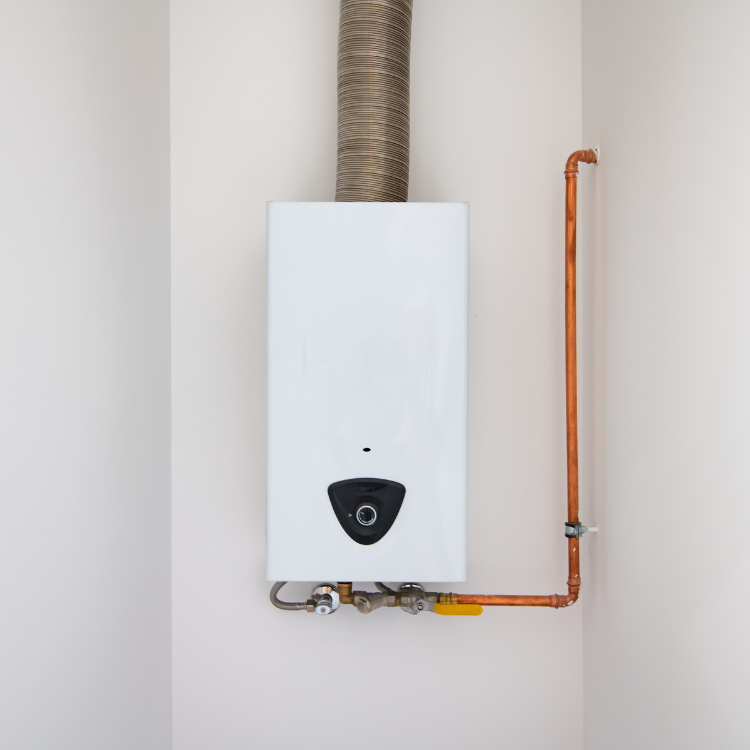
Water heaters, including Tankless Water Heater systems, should be inspected and flushed according to manufacturer guidelines. This helps prevent leaks at connections and extends equipment life.
- Improve water quality
Hard water and sediment can accelerate wear on pipes and fixtures. A properly sized Water Filter & Softener system can reduce that strain.
One Keller family upgraded from a traditional tank to a Gas Tankless Water Heater after multiple tank failures. During the Tankless Water Heater Installation, we also corrected undersized piping and poor venting left by a previous contractor. The result: better efficiency, less risk of leaks at the unit, and consistent hot water throughout the home.
Proactive maintenance may not feel urgent today, but in Keller’s climate and soil conditions, it’s one of the best investments you can make in your home’s long-term health.
What This Means for Businesses in Keller, TX
For Keller businesses—restaurants, medical offices, retail spaces, and light industrial facilities—plumbing leaks carry an added layer of risk: downtime, lost revenue, and potential health or safety violations.
A slow leak in a restroom wall at a Keller medical office might start as a musty smell and a small discoloration. Left alone, it can turn into mold growth, damaged drywall, and even a failed inspection. A hidden sewer leak under a commercial kitchen can lead to recurring backups that shut down service at the worst possible time.
Professional Commercial Leak Detection and Emergency Leak Detection Service give you several advantages:
- Faster diagnosis means less disruption to your operations
- Targeted repairs reduce demolition and keep customer areas accessible
- Documentation and reporting support insurance claims and regulatory compliance
- Preventive planning helps you schedule major work during off-hours or slower seasons
A Keller restaurant off Highway 377 recently faced repeated after-hours backups. Instead of another quick snake, we performed a full camera inspection and Hydro Jet Drain Cleaning, followed by spot repairs on a compromised section of sewer line. The owner has since gone over a year without a single emergency call for that line.
For local property managers, regular inspections, timely Drain Repair Service, and documented leak detection can help protect portfolios, reduce emergency calls, and keep tenants satisfied.
In a growing community like Keller, where customer expectations are high and competition is strong, staying ahead of plumbing issues isn’t just about avoiding disaster—it’s about protecting your reputation and your bottom line.
Frequently Asked Questions
Q: How do I know if I need professional leak detection or just a simple repair?
A: If you can see the source of the problem—like a dripping faucet or a visible pipe leak in a cabinet—basic General Plumbing Repairs may be enough. But if you’re noticing higher water bills, warm spots on floors, dampness with no visible source, or recurring drain issues, it’s time to consider Hidden Water Leak Detection. In Keller, slab foundations hide a lot of the plumbing, so symptoms often show up far from the actual leak. Professional testing and diagnostics ensure you’re fixing the real problem, not just the visible symptoms.
Q: Is slab leak detection going to tear up my floors or foundation?
A: Modern Non-Destructive Slab Leak Detection is designed to minimize disruption. We use tools like acoustic listening devices, thermal imaging, and Hydro Static Testing to locate leaks with precision before any cutting occurs. In many Keller homes, we’re able to pinpoint a leak and access it through a small, targeted opening in the slab, or even reroute lines to avoid breaking concrete altogether. The goal is always to preserve as much of your existing structure and finishes as possible while solving the problem correctly.
Q: How long does professional leak detection usually take in a typical Keller home?
A: Most residential Residential Leak Detection visits take between 1–3 hours, depending on the size of the home, the complexity of the plumbing system, and how many potential problem areas we’re evaluating. A straightforward water line leak may be located fairly quickly, while combined water and sewer concerns, or older homes with multiple additions, can take longer. We always explain what we’re testing and why, so you’re not left guessing while we work. Once we’ve identified the issue, we’ll walk you through repair options and timelines.
Q: Are slab leaks covered by homeowners insurance in Texas?
A: Coverage varies by policy, but many Texas homeowners policies will help with access (like breaking and replacing concrete) while you’re repairing a Slab Leak Repair. They may or may not cover the actual plumbing repair itself. In Keller, we frequently assist customers by providing detailed documentation—photos, reports, and invoices—that insurers request. It’s always best to review your specific policy or speak with your agent. We’re happy to coordinate with your insurance company and answer technical questions about the cause and scope of the leak.
Q: What’s the difference between drain cleaning and drain repair?
A: Drain Cleaning Services focus on removing blockages—like grease, hair, roots, or debris—so water can flow freely again. Tools like augers or Hydro Jet Drain Cleaning are common here. Drain Repair Service, on the other hand, addresses physical damage to the pipe itself: cracks, separations, collapses, or severe corrosion. In Keller’s older neighborhoods, we often see clay or cast iron sewer lines that need repair or Drain Line Replacement, not just cleaning. A camera inspection usually tells us which path is appropriate.
Q: Can tankless water heaters leak, and do they affect leak detection?
A: Yes, Tankless Water Heater units can develop leaks at connections, internal components, or relief valves—especially if they’re not installed or maintained properly. However, they generally reduce the risk of large, catastrophic leaks compared to traditional tanks that can rupture. During Tankless Water Heater Service calls in Keller, we check for signs of leakage, corrosion, and improper venting. If you suspect a leak near your tankless unit, professional diagnostics can determine whether the issue is at the heater, in nearby piping, or elsewhere in your plumbing system.
Q: When should I call for emergency leak detection instead of waiting for regular service?
A: Situations that call for Emergency Leak Detection Service include visible water pooling indoors, sudden loss of water pressure throughout the home, sewer backups, or the sound of rushing water with no fixtures in use. In Keller, freezing temperatures can also cause sudden pipe bursts, especially in older or exposed lines. If waiting could cause significant property damage, create a safety hazard, or interrupt business operations, it’s better to treat it as an emergency. We can often provide temporary stabilization followed by a planned permanent repair.
Ready to Get Started?
Water and sewer leaks never resolve themselves. They quietly worsen—damaging foundations, warping floors, encouraging mold growth, and driving up utility bills. In Keller’s slab-on-grade homes and busy commercial corridors, waiting to “see if it gets better” is usually the most expensive choice in the long run.
Taking action now means you stay in control. With professional Leak Detection Near Me, you’ll know exactly what’s going on behind walls, under floors, and beneath your foundation. From there, our team can recommend targeted solutions, whether that’s a simple Toilet Repair, a focused Slab Leak Repair Service, or a strategic Repiping project.
All Source Plumbing is locally based, familiar with Keller’s soil, building styles, and city codes, and equipped with the latest diagnostic tools. Our technicians handle everything from Fixture Repair & Installation to complex under-slab and sewer diagnostics. Whether you’re dealing with an urgent issue today or want to get ahead of potential problems, we’re ready to help you protect your property with precision, not guesswork.
About All Source Plumbing
All Source Plumbing is a trusted, locally focused plumbing company serving Keller, TX and surrounding communities. Our licensed technicians bring years of hands-on experience in Leak Detection, slab leak repair, drain and sewer services, water heaters, and full-system diagnostics. We combine advanced technology with a customer-first approach—clear communication, honest recommendations, and workmanship that meets or exceeds industry standards. From small repairs to complex under-slab projects, we’re committed to protecting the homes and businesses that make Keller a great place to live and work.